

+86-159 9860 6917
info@geofantex.com
geofantex@gmail.com
+86-400-8266163-44899
Geonet fabric provides an efficient drainage layer for civil, environmental, and geotechnical projects. For contractors, distributors, and project buyers, understanding its drainage capacity, structure, installation conditions, and long-term performance is important before selecting a product for landfills, retaining structures, roads, mining sites, or other drainage systems.
What Is Geonet Fabric and How Does It Work?
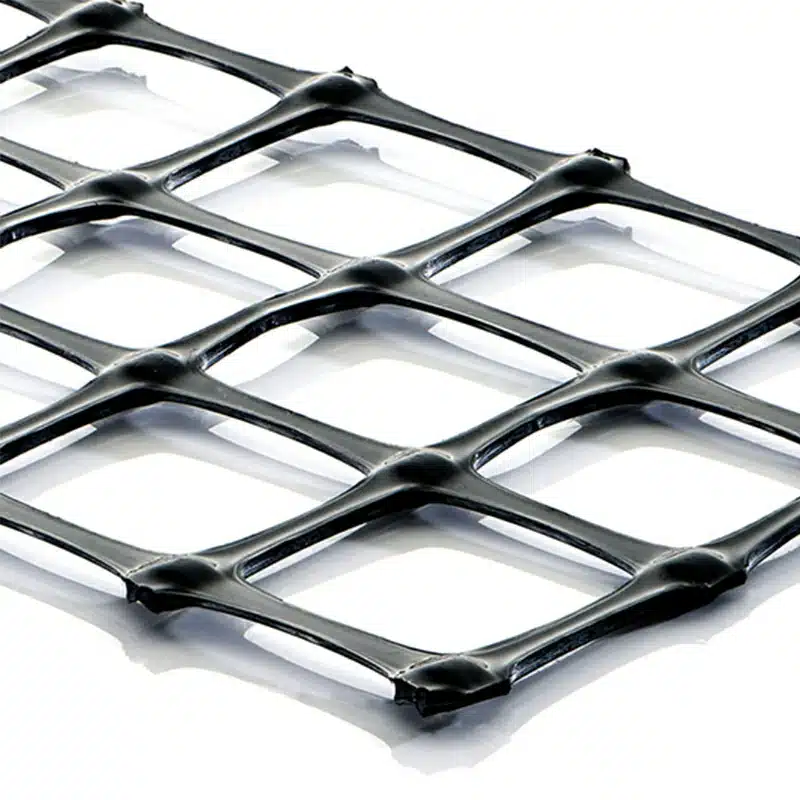
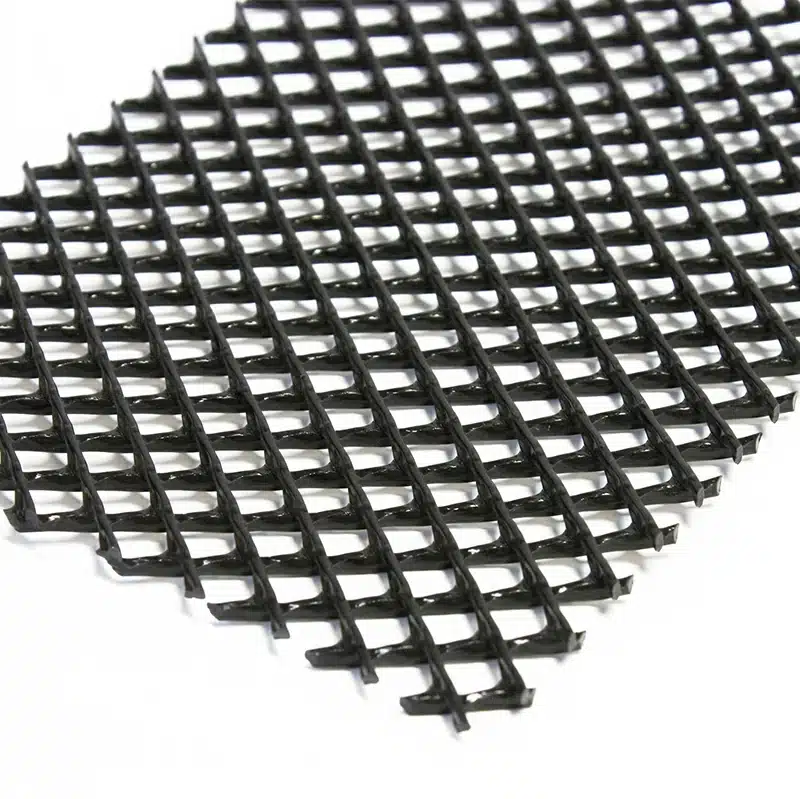
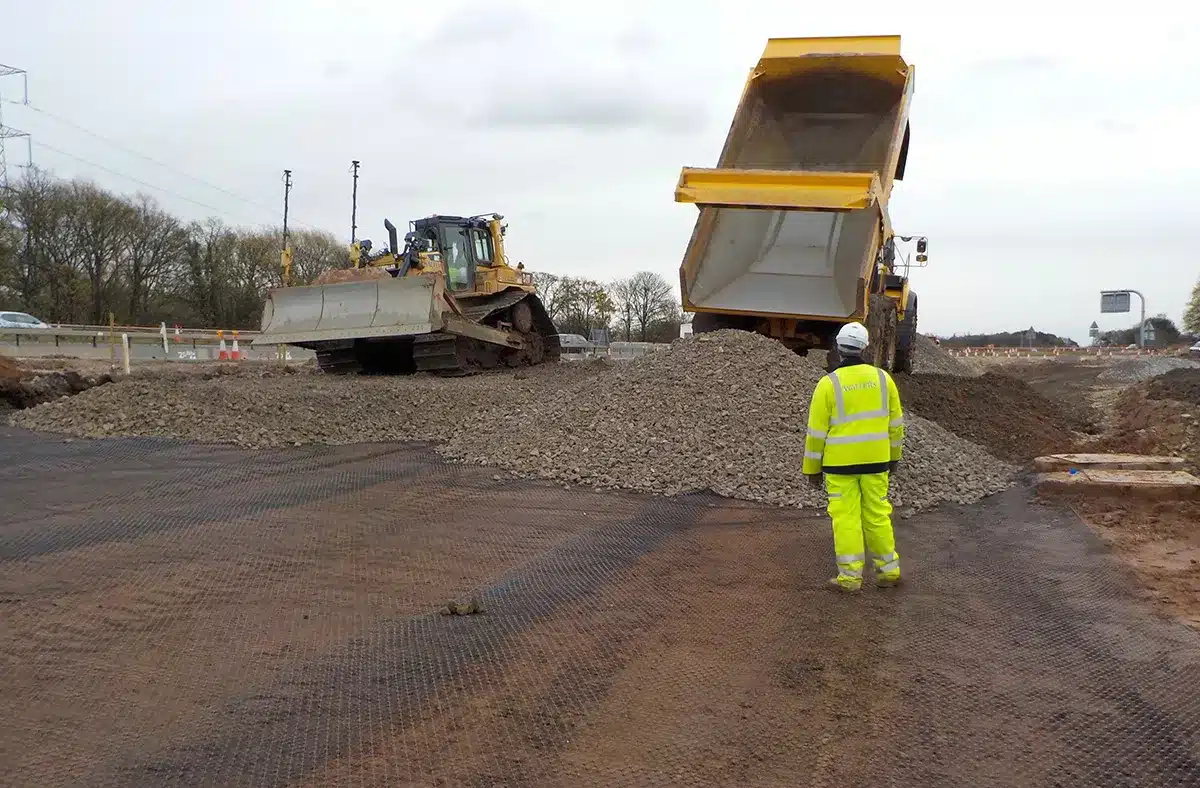
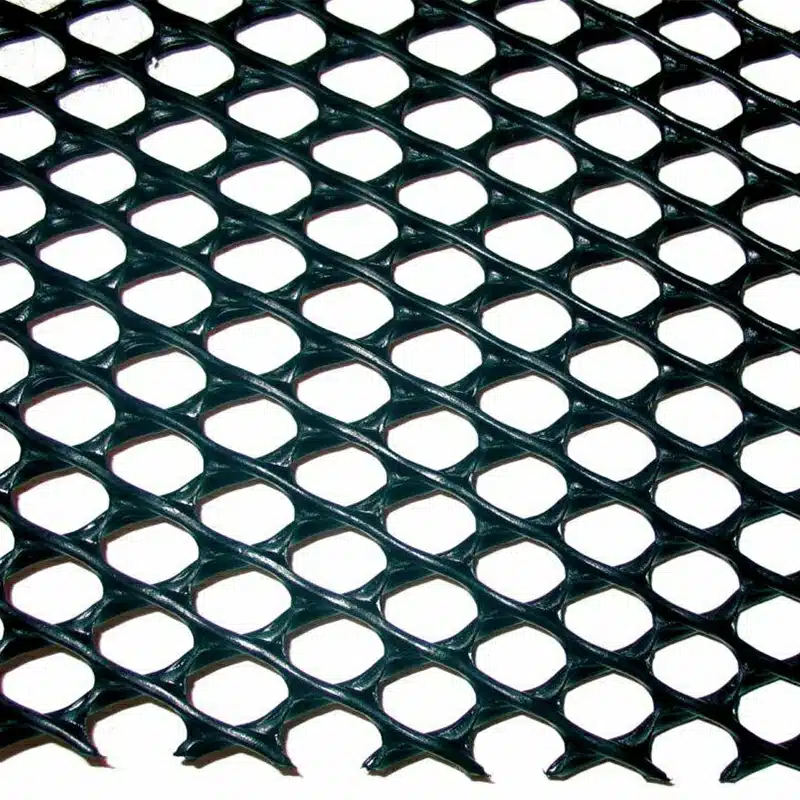
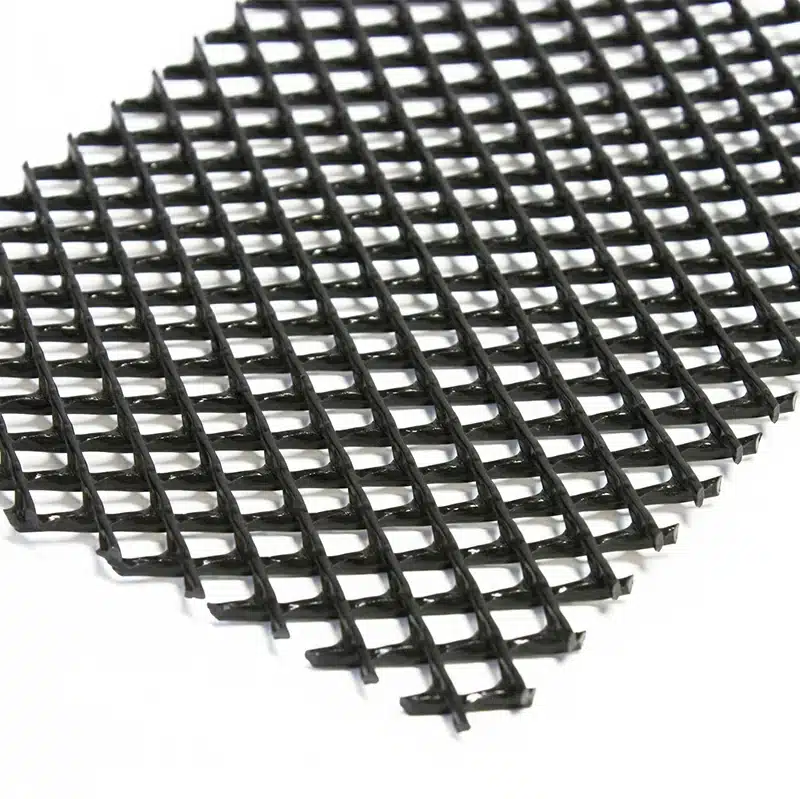
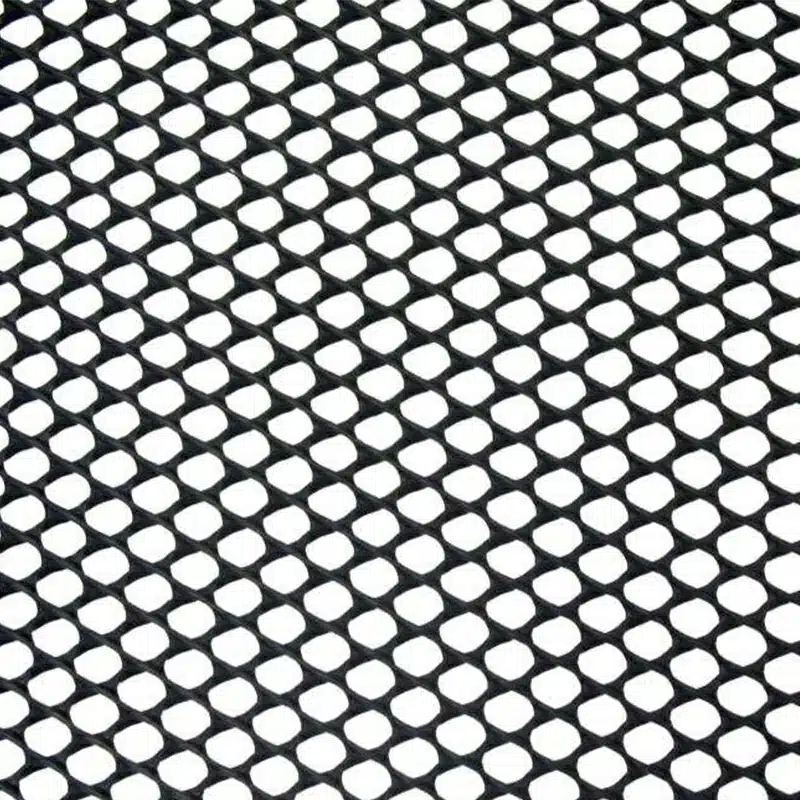
A geonet is a polymeric drainage material manufactured with intersecting ribs that form continuous channels. These channels allow water, leachate, or gas to move laterally through the material. High-density polyethylene (HDPE) is commonly used because of its chemical resistance and durability.
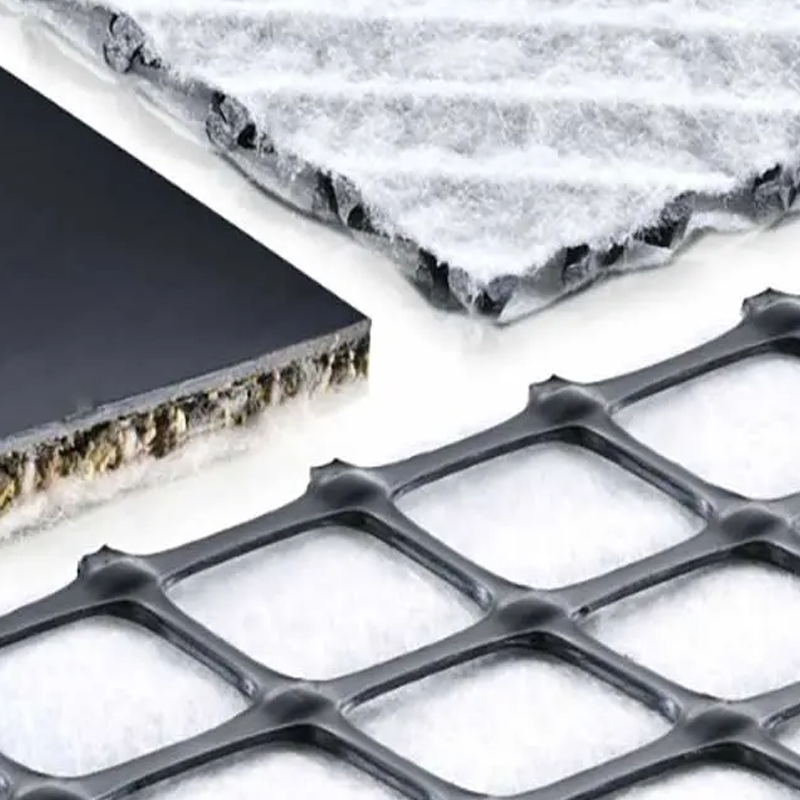
In many projects, a geonet is combined with a nonwoven geotextile on one or both sides. The geotextile acts as a filtration and separation layer, while the geonet core creates the drainage pathway. This structure is commonly called a drainage geocomposite.
For projects requiring an integrated drainage layer, engineers can evaluate geonet fabric drainage solutions according to flow requirements, normal stress, hydraulic gradient, and site conditions.
Where Is Geonet Fabric Used in Drainage Engineering?
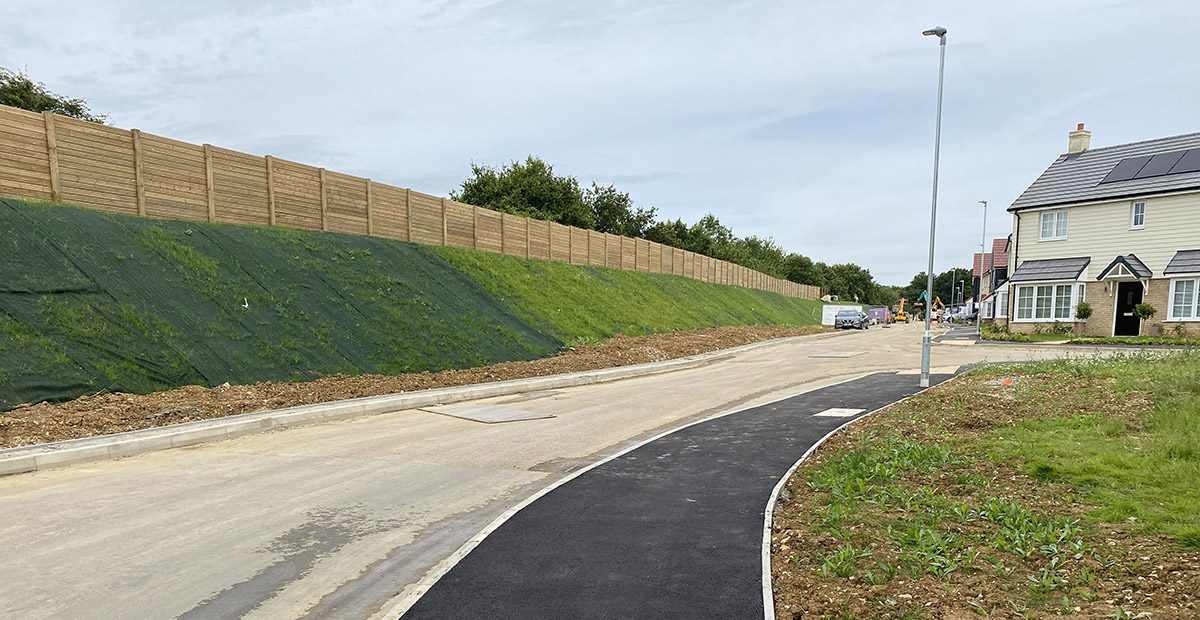
Drainage is one of the main functions of geonet fabric. Typical applications include landfill leachate collection, landfill caps, retaining walls, road drainage, mining facilities, reservoirs, tunnels, and other containment systems.
In landfill engineering, the material can be installed above a geomembrane to collect and transport liquids toward designated collection points. It may also be incorporated into final cover systems to control subsurface water and reduce hydraulic pressure.
For more application-specific information, project designers can review geonet fabric for drainage engineering when comparing geosynthetic drainage systems with conventional aggregate layers.
Which Properties Matter in Geotechnical Projects?
Engineers should not select a drainage product based only on thickness or unit weight. Transmissivity is particularly important because it describes how effectively a material transports liquid within its plane.
Actual flow performance depends on several factors, including normal stress, hydraulic gradient, creep, geotextile intrusion, temperature, and contact with adjacent materials. These factors become especially important when the product remains under sustained loads for many years.
Engineers should therefore compare laboratory test data with actual design conditions. Buyers can also examine geonet fabric technical specifications to compare transmissivity, compressive behavior, tensile properties, polymer characteristics, and long-term reduction factors before procurement.
How Should a Geonet Be Selected for a Project?
Product selection should begin with the required drainage function. Designers need to determine what fluid must be conveyed, expected flow volume, hydraulic gradient, applied normal load, installation environment, and required service life.
The surrounding materials also matter. When soil particles could enter the drainage core, an appropriate geotextile filter may be required. In containment applications, compatibility with geomembranes and other components should also be evaluated.
However, market growth should not determine product selection. Engineering requirements remain the priority. Designers and buyers should review tested hydraulic performance, mechanical properties, project specifications, and installation conditions before making a final material decision.
Get Free Sample
We’ll respond as soon as possible(within 12 hours)