

+86-159 9860 6917
info@geofantex.com
geofantex@gmail.com
+86-400-8266163-44899
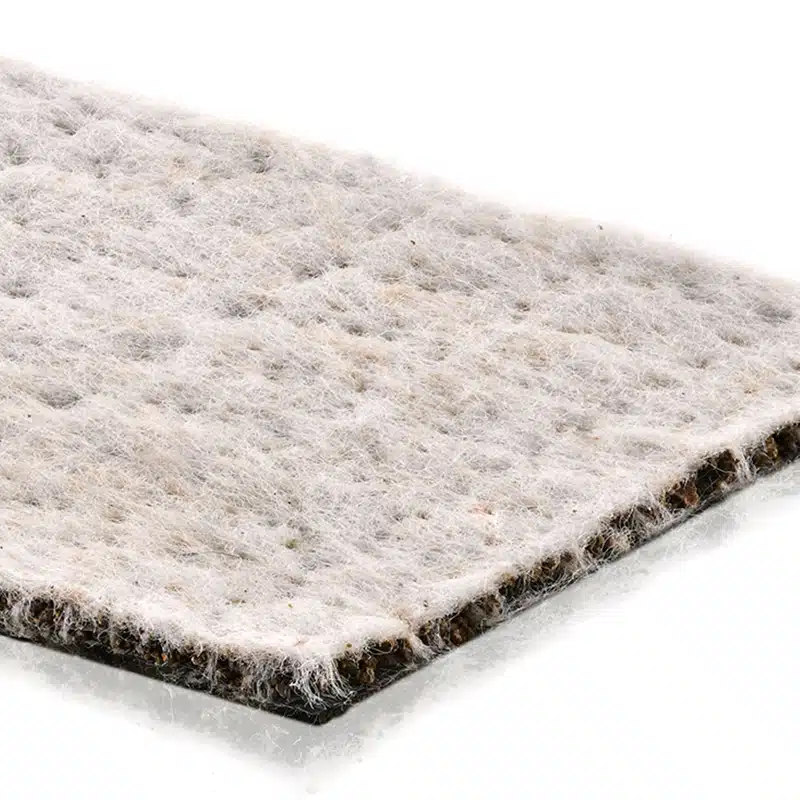
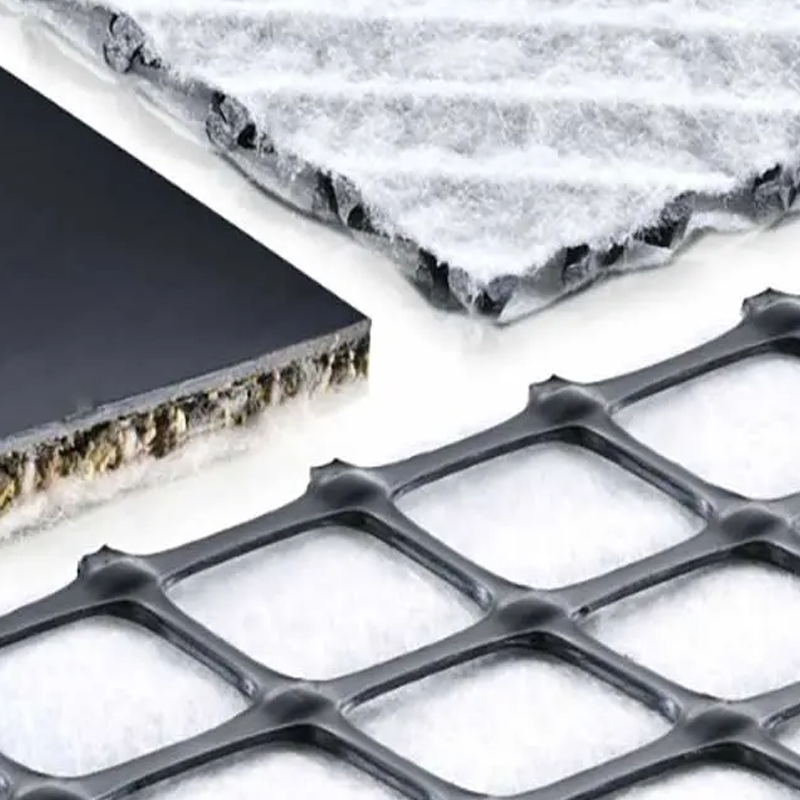
Geonet geotextile combines a drainage core with a filtration layer to manage water while helping prevent soil particles from entering the drainage path. For contractors, engineers, and buyers, selecting the right product means balancing drainage capacity, filtration, strength, and site conditions. Understanding these factors can help buyers compare specifications and choose suitable materials for roads, reservoirs, retaining structures, and environmental projects.
What Problems Can Geonet Geotextile Solve?
A drainage system must often remove water without allowing surrounding soil particles to block the flow path. Conventional aggregate drainage can perform this function, but it may require considerable excavation, transportation, and placement.
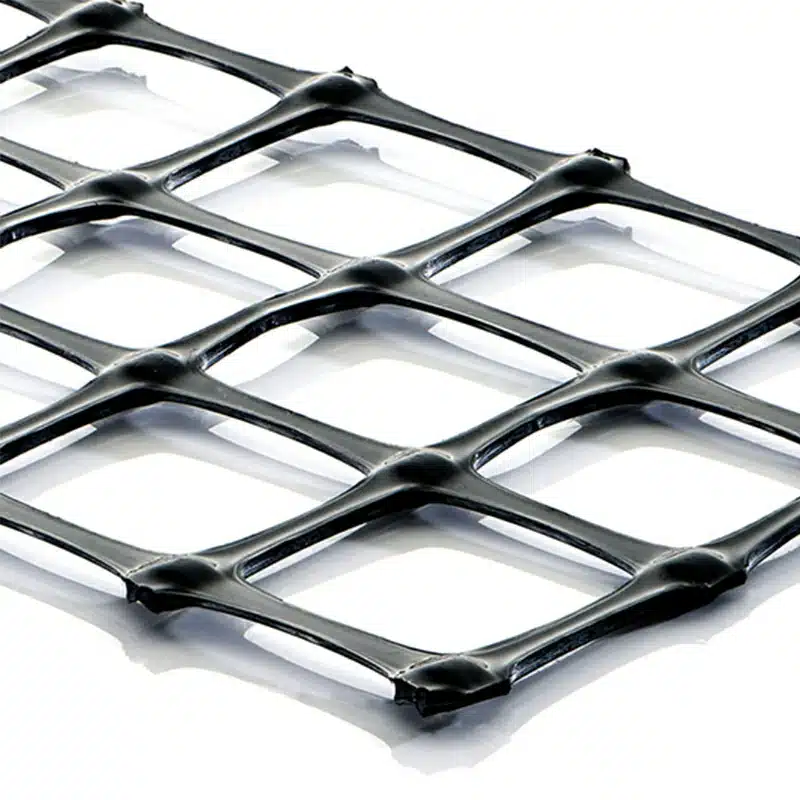
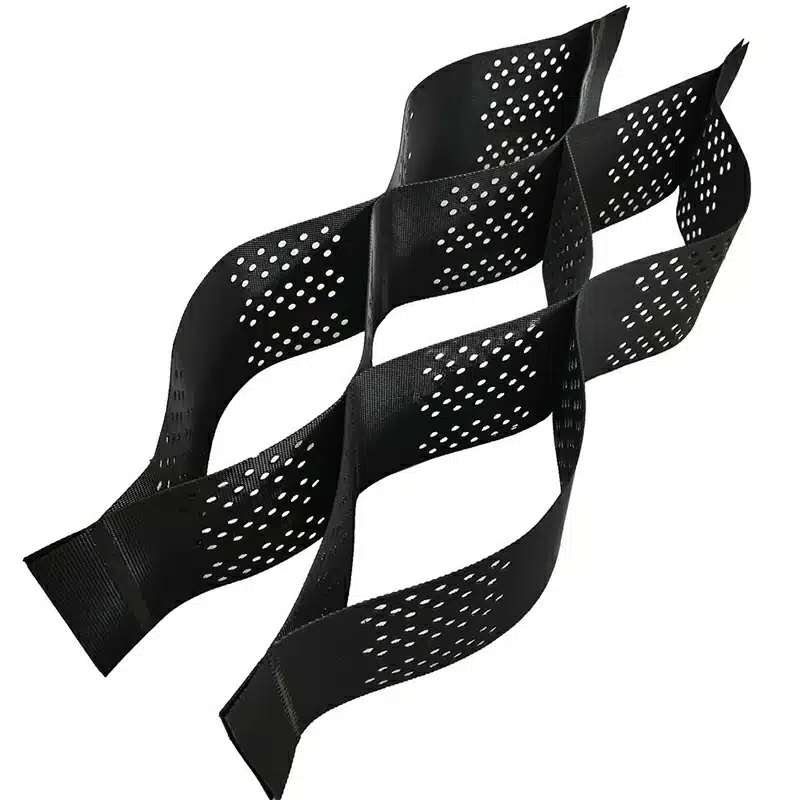
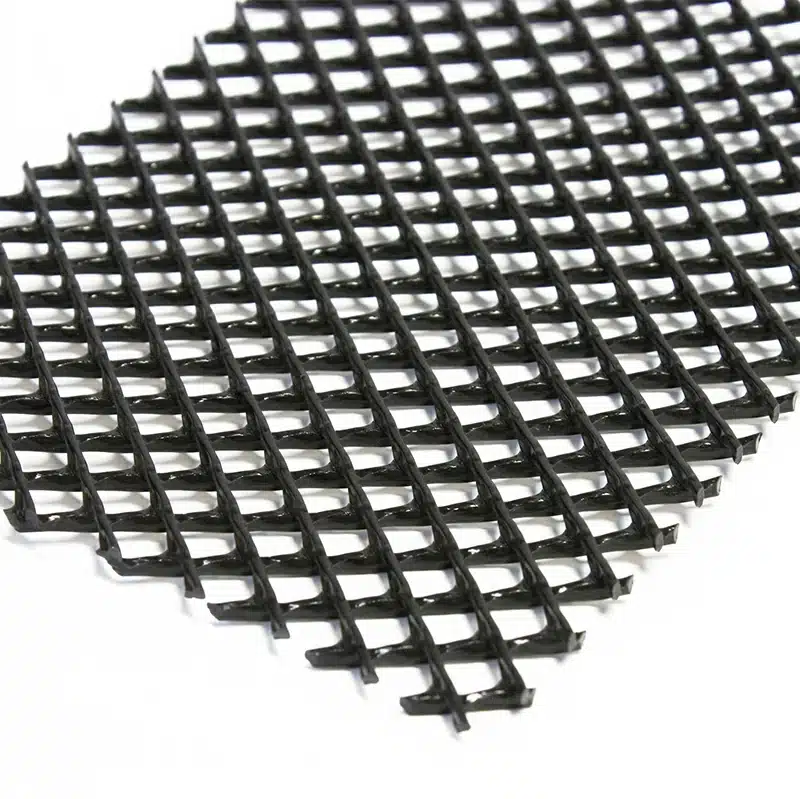
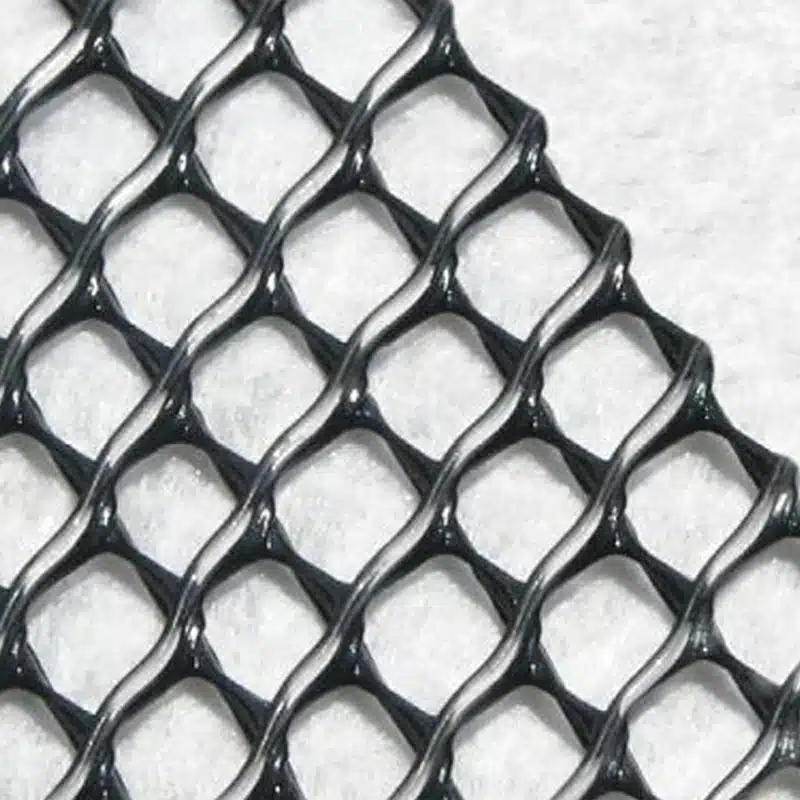
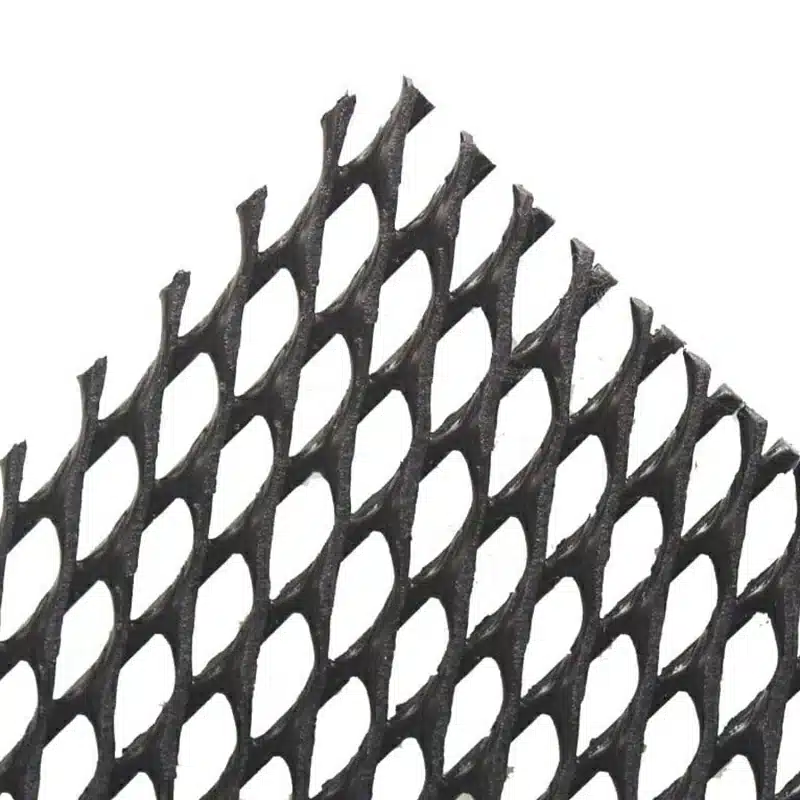
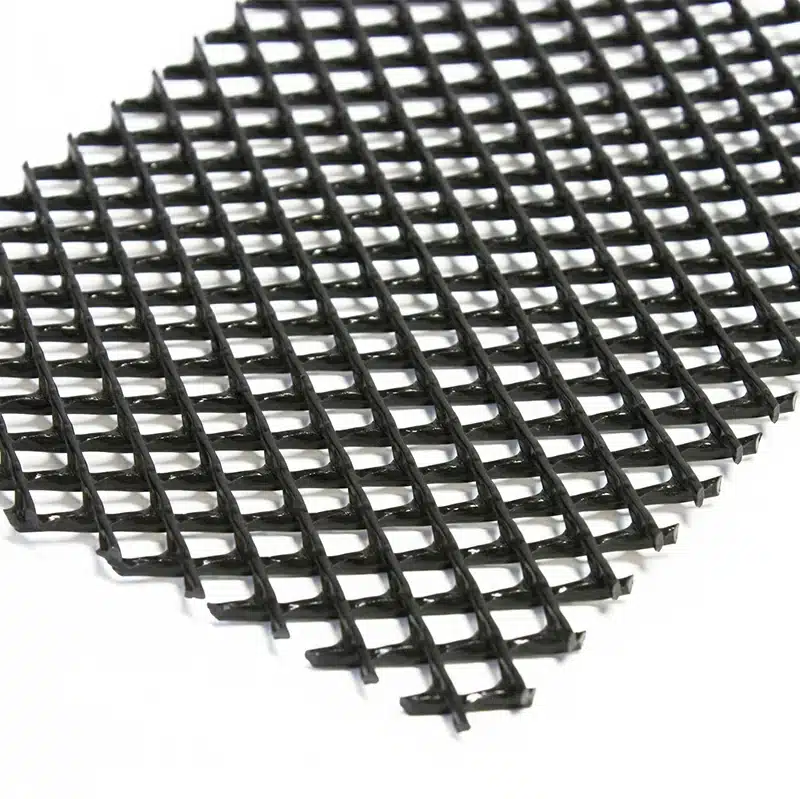
A geonet drainage core creates channels that allow water to move within the plane of the material. The geotextile provides filtration and helps retain soil particles while allowing water to pass.
This combination creates a relatively thin drainage layer that can be easier to transport and deploy than thick granular systems in suitable projects.
For projects involving subsurface drainage, buyers can review geonet geotextile drainage solutions based on flow requirements, loading conditions, and surrounding soil characteristics.
Where Is Geonet Geotextile Commonly Used?
These drainage geocomposites can be used in road construction, reservoirs, retaining structures, landfills, tunnels, foundations, and other civil engineering projects.
In road projects, the material can help collect and convey subsurface water. Managing this water is important because excessive moisture may affect subgrade conditions and long-term pavement performance.
In reservoir projects, drainage geocomposites may form part of engineered drainage or leakage management systems. The final configuration depends on the liner system, hydraulic conditions, and project design.
They are also used behind retaining structures, where drainage helps manage accumulated water. Environmental containment projects may use them for drainage, leachate collection, or gas transmission.
Different projects require different specifications. Engineers and buyers should therefore evaluate the complete system rather than selecting a product based only on thickness.
How Do You Select the Right Geonet Geotextile?
Start with the required hydraulic performance. Transmissivity is an important parameter because it indicates the ability of the drainage core to convey liquid under specified conditions.
However, initial flow capacity alone is not enough. Normal pressure can compress the drainage core and affect its long-term performance. Project designers should consider expected loads, hydraulic gradients, creep, and other relevant reduction factors.
The filtration layer also requires careful evaluation. Depending on the project, relevant properties may include apparent opening size, permittivity, tensile strength, puncture resistance, and compatibility with the surrounding soil.
Buyers comparing geonet geotextile specifications for civil engineering should also consider polymer type, roll dimensions, geotextile configuration, drainage-core structure, and applicable testing standards.
Providing the supplier with project conditions can make product selection more accurate. Useful information includes application, required flow capacity, expected pressure, soil type, roll dimensions, and relevant technical standards.
What Factors Affect Long-Term Drainage Performance?
Long-term drainage performance depends on more than the product’s initial laboratory values.
Compression is an important consideration. Sustained loads may reduce the thickness of the drainage core and change its flow capacity. Geotextile intrusion into the core can also influence available drainage space.
Clogging should also be considered. Fine soil particles, chemical precipitation, or biological activity may reduce hydraulic performance under certain site conditions.
Handling and placement matter as well. Damage, contamination, excessive wrinkles, or poor connections between adjacent sections can interrupt the drainage path.
For this reason, project teams should compare geonet geotextile performance requirements with actual field conditions before procurement.
Choosing a Drainage Geocomposite for Your Project
A suitable drainage geocomposite should provide the required balance of hydraulic performance, filtration, mechanical resistance, and durability. Product selection should reflect actual loads, soil conditions, drainage requirements, and the intended service environment.
For procurement, avoid comparing products by unit price or thickness alone. Review technical data, test methods, roll dimensions, manufacturing capabilities, and project-specific requirements together.
Providing detailed project information to the manufacturer also helps identify the appropriate configuration and prepare an accurate quotation. This approach can reduce specification mismatches and support more reliable drainage performance throughout the project.
Get Free Sample
We’ll respond as soon as possible(within 12 hours)