

+86-159 9860 6917
info@geofantex.com
geofantex@gmail.com
+86-400-8266163-44899
A geonet drainage layer helps engineers and contractors manage groundwater, reduce hydrostatic pressure, and improve drainage efficiency in civil engineering projects. For buyers selecting HDPE drainage materials, hydraulic performance, compressive resistance, and installation requirements are essential considerations. Geofantex supplies geonets and drainage geocomposites for retaining walls, landfills, and underground structures, supporting customers with product specifications and material selection.
How Does a Geonet Drainage Layer Work?
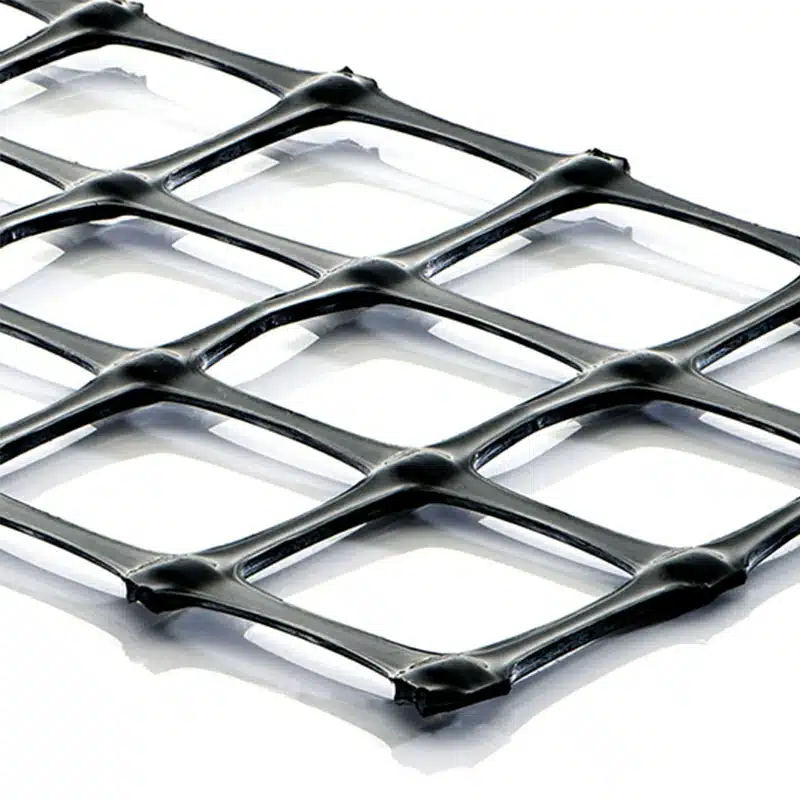
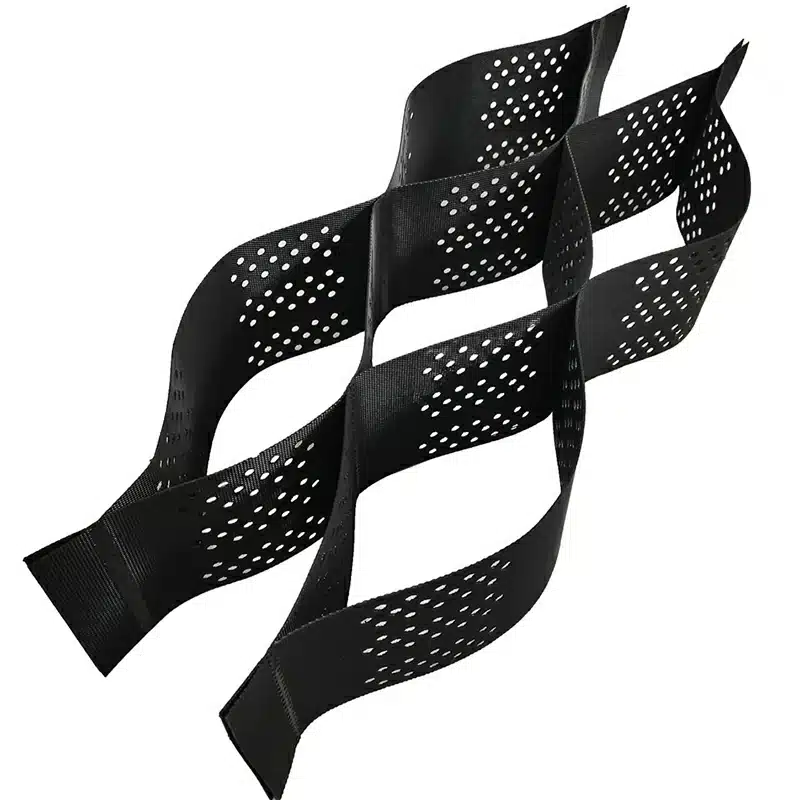
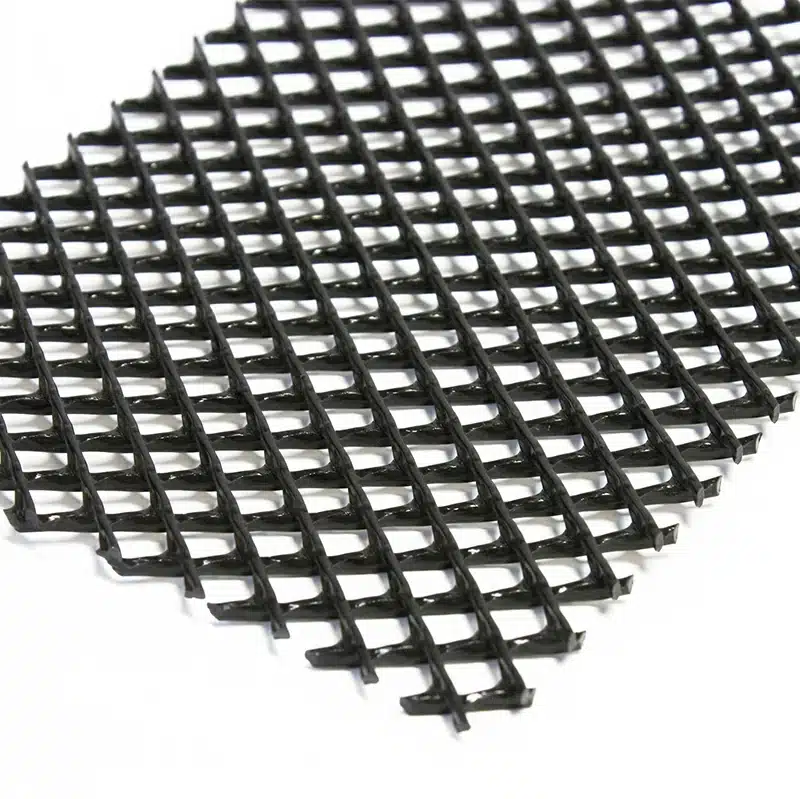
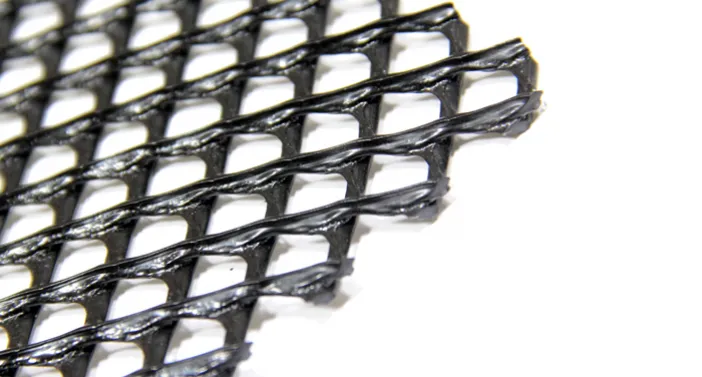
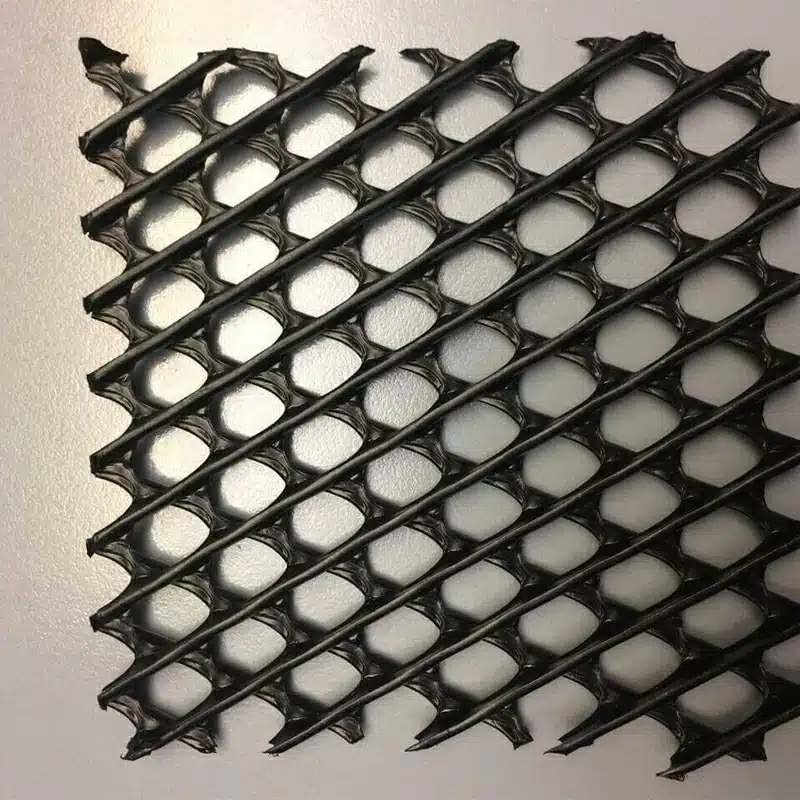
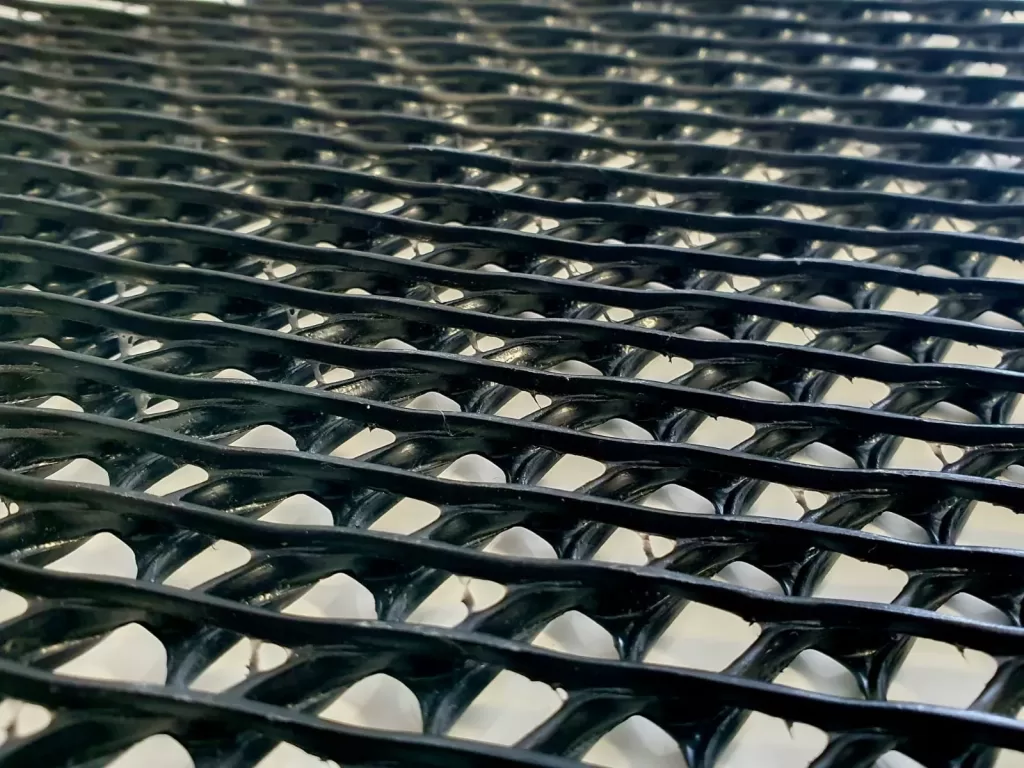
Geonets are manufactured from polymer ribs that form interconnected channels for in-plane water flow. Most drainage geonets are made from high-density polyethylene (HDPE), which provides chemical resistance and durability in demanding environments.
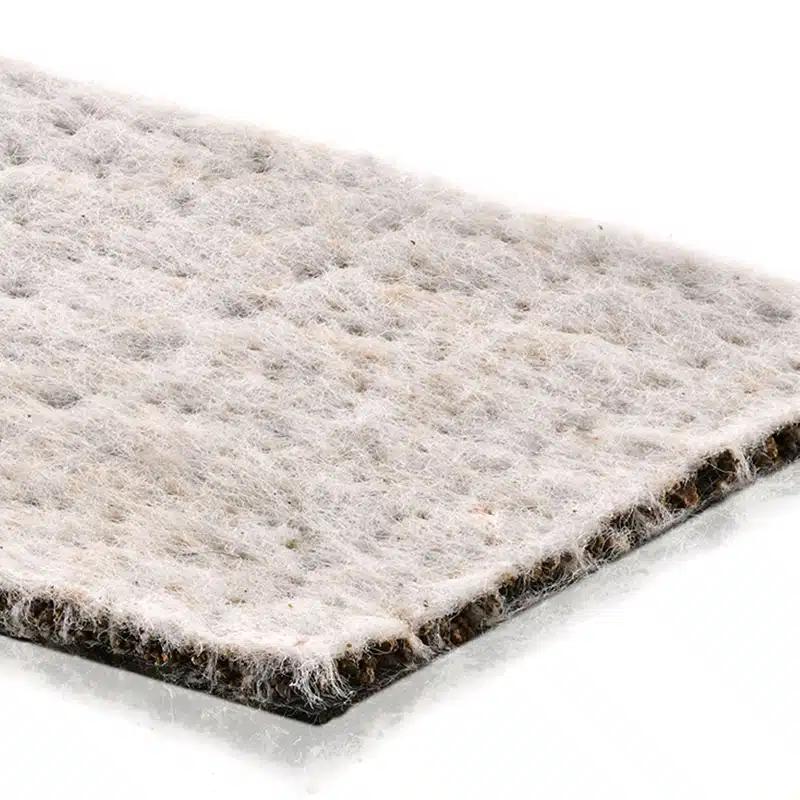
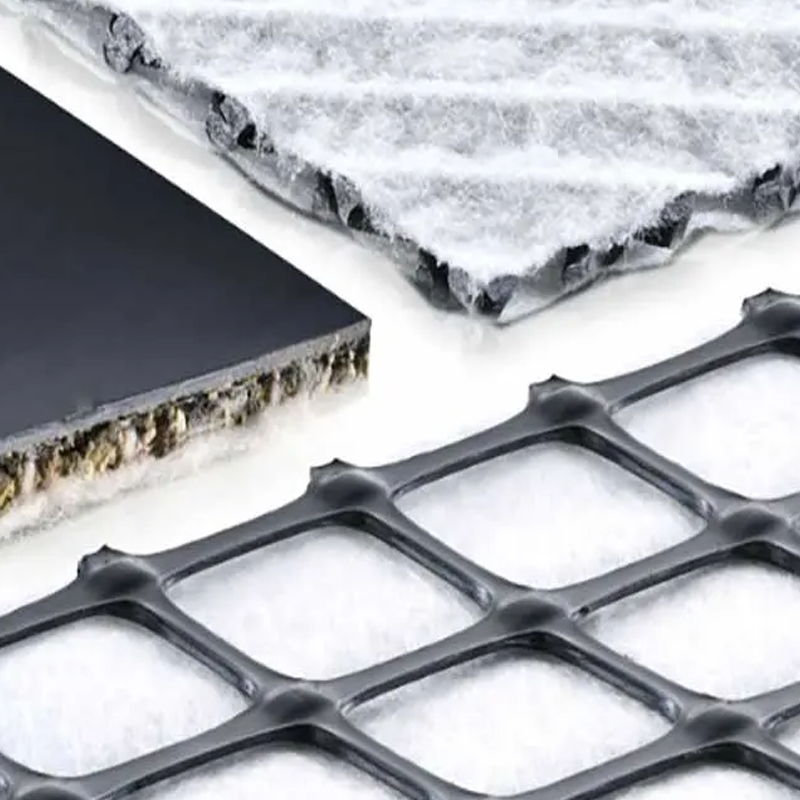
Water enters the drainage system and flows through these channels toward collection pipes or designated outlets. When combined with geotextile filtration layers, the drainage core can transport water while helping prevent soil particles from entering the system.
Engineers evaluating HDPE geonet drainage layer solutions should consider hydraulic transmissivity, applied normal stress, hydraulic gradient, and long-term deformation. These factors influence drainage capacity under actual operating conditions.
Geonet Drainage Layer Applications
Retaining Wall Drainage
Groundwater accumulation behind retaining walls increases hydrostatic pressure and can affect structural stability. Drainage geocomposites provide pathways for collecting and conveying water toward properly designed outlets.
Their lightweight construction simplifies handling and installation, particularly where working space is limited. Suitable geotextile filtration also helps reduce the migration of fine soil particles into drainage channels.
For retaining wall projects, geonet drainage layer installation solutions should be selected according to wall height, groundwater conditions, soil characteristics, and expected loading.
Landfill Drainage Systems
Landfills require engineered drainage systems to collect leachate and manage liquid accumulation within containment facilities.
HDPE geonets can form part of landfill drainage assemblies, conveying collected liquids toward designated collection systems. Their relatively thin profiles may reduce the thickness of certain drainage assemblies compared with conventional granular alternatives.
However, landfill applications require careful evaluation of chemical compatibility, compressive loading, and long-term flow capacity. Product performance must meet project specifications and applicable environmental requirements.
Underground and Foundation Drainage
Underground structures frequently encounter groundwater infiltration and limited installation space. Geonet-based drainage composites can provide controlled drainage behind foundation walls and along tunnel surfaces.
Their flexible structure and roll-based installation make them practical for projects requiring efficient material handling and reduced drainage layer thickness.
Key Benefits of Geonet Drainage Materials
HDPE geonets offer several practical advantages when properly specified for engineering applications.
- Efficient Water Flow: Engineered drainage channels provide in-plane water conveyance under suitable hydraulic conditions.
- Installation Efficiency: Lightweight rolls simplify transportation, handling, and placement compared with bulk aggregate materials.
- Chemical Resistance: HDPE offers resistance to many chemicals encountered in soil and environmental applications, subject to compatibility verification.
- Space Efficiency: Thin drainage cores can reduce installation thickness where the required hydraulic capacity is achieved.
These advantages make geonet drainage products useful for contractors seeking efficient construction methods and reliable drainage performance.
How to Select the Right Geonet Drainage Layer
Selecting the correct drainage product requires evaluating both hydraulic and mechanical properties.
Hydraulic transmissivity is particularly important because it indicates in-plane flow performance under specified conditions. ASTM D4716/D4716M provides a recognized test method for evaluating geosynthetic in-plane flow.
Engineers should also examine compressive behavior, long-term creep, geotextile compatibility, and potential clogging.
Biplanar and triplanar geonets have different drainage structures, but their suitability depends on verified performance rather than configuration alone.
For applications involving soil contact, a geocomposite with an appropriate filtration geotextile may be preferable to a standalone geonet.
Why Choose Geofantex for Drainage Geonets?
Geofantex supplies HDPE geonets and geocomposite drainage materials for civil engineering and environmental projects.
Our team helps contractors, distributors, and procurement professionals evaluate material specifications, drainage requirements, and suitable product configurations.
Customers can request technical information, product recommendations, and quotations based on their project requirements.
Whether your project involves retaining walls, landfill drainage, or underground construction, Geofantex geonet drainage layer products offer options for engineered drainage systems.
Contact Geofantex today to discuss your project, request technical specifications, or obtain a competitive quotation.
Get Free Sample
We’ll respond as soon as possible(within 12 hours)