

+86-159 9860 6917
info@geofantex.com
geofantex@gmail.com
+86-400-8266163-44899
Geonet drainage is used in civil and environmental projects where water, leachate, or gas must be collected and conveyed efficiently. For buyers, engineers, and contractors, key selection factors include flow capacity, compressive strength, long-term transmissivity, and compatibility with adjacent geosynthetics. A correctly specified system can reduce aggregate use, simplify installation, and improve drainage performance where construction space is limited.
How Geonet Drainage Works
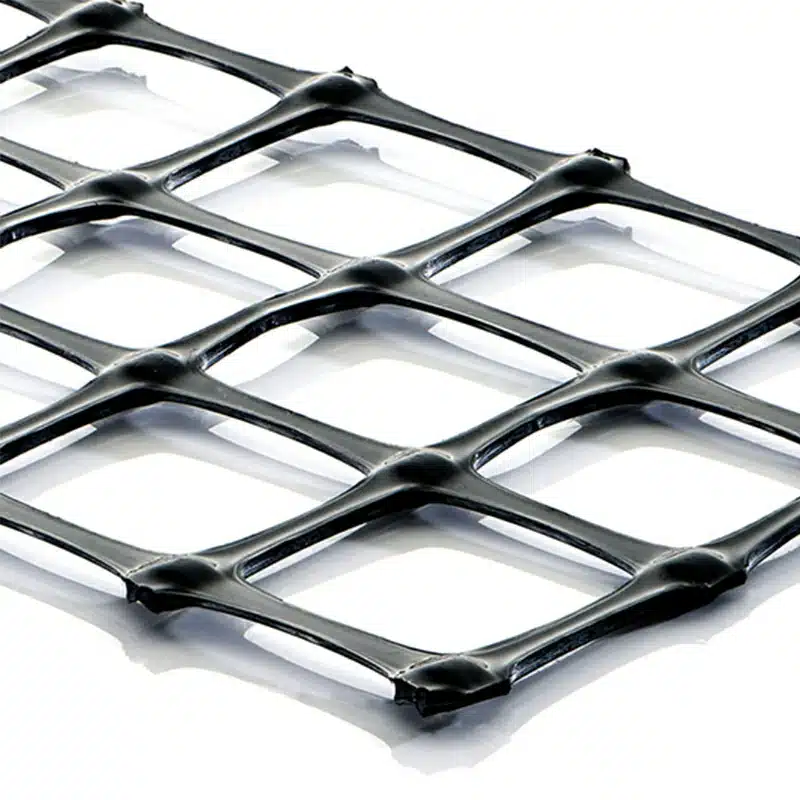
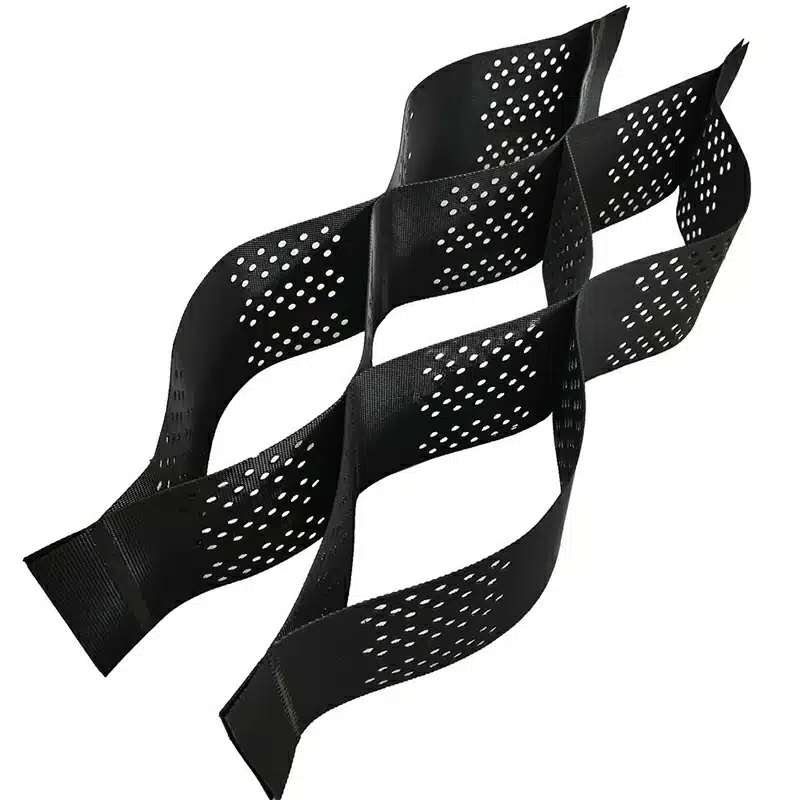
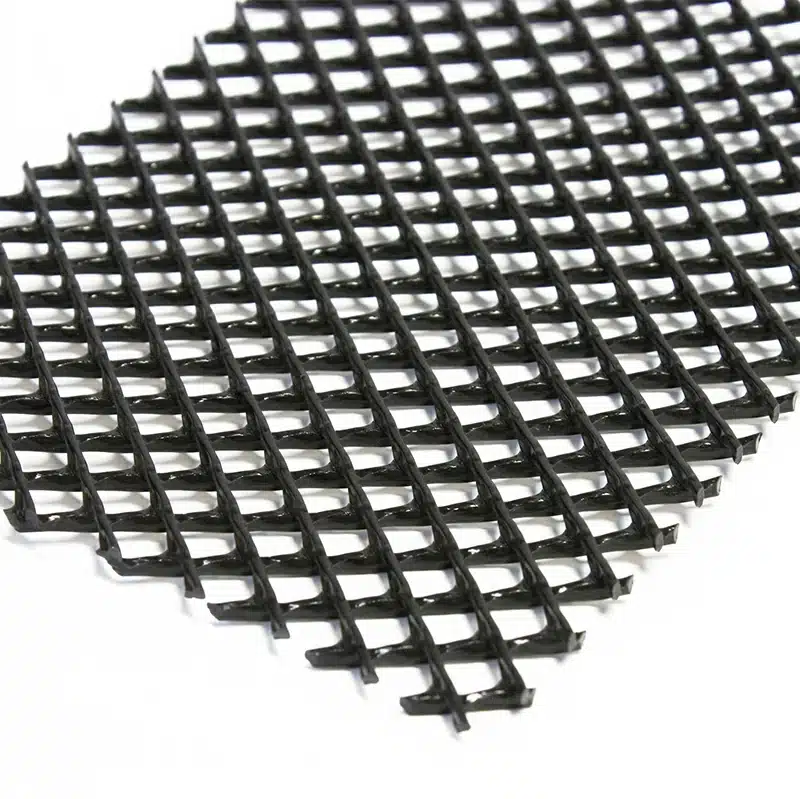
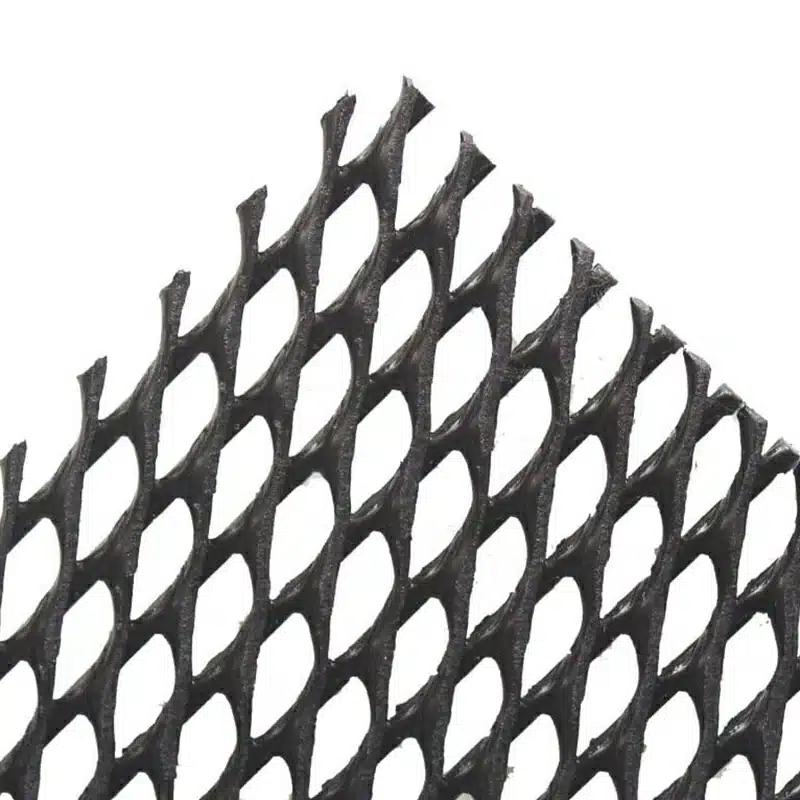
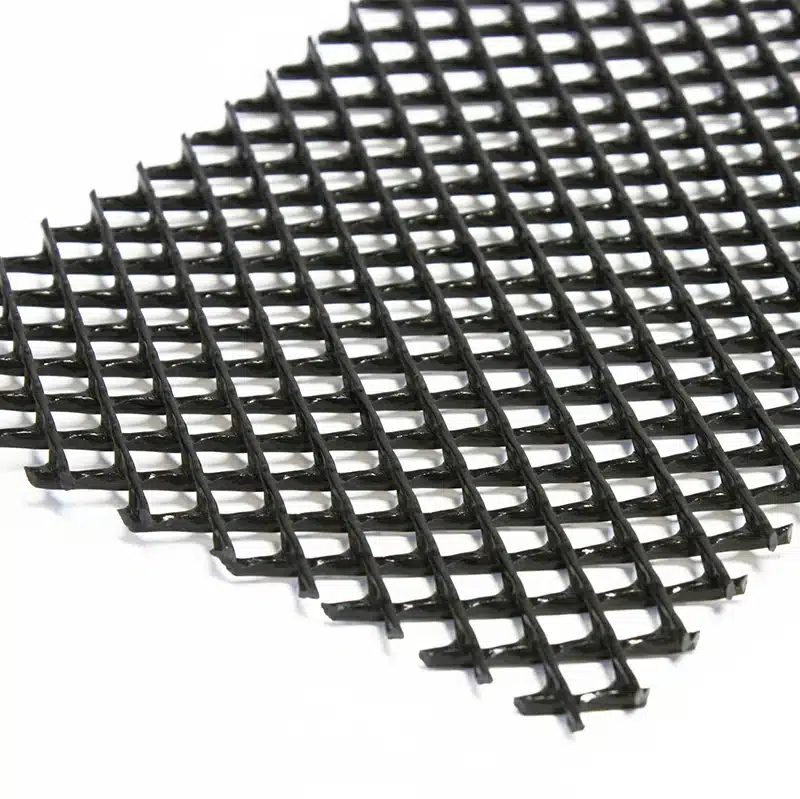
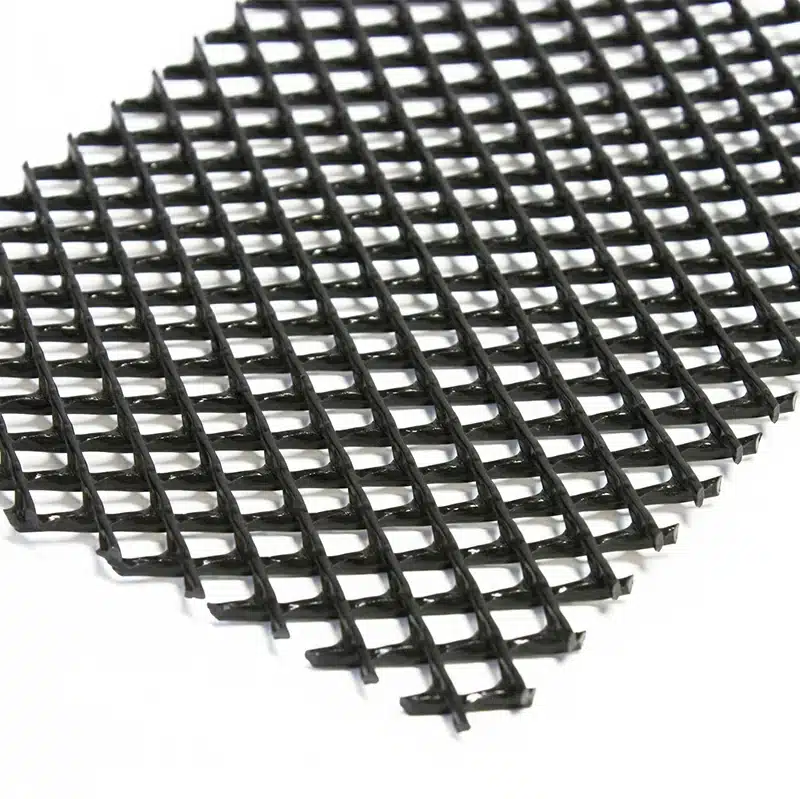
A geonet is typically manufactured from high-density polyethylene (HDPE) and formed with intersecting ribs that create continuous in-plane flow channels. These channels allow liquids or gases to move laterally toward collection pipes, outlets, or discharge points.
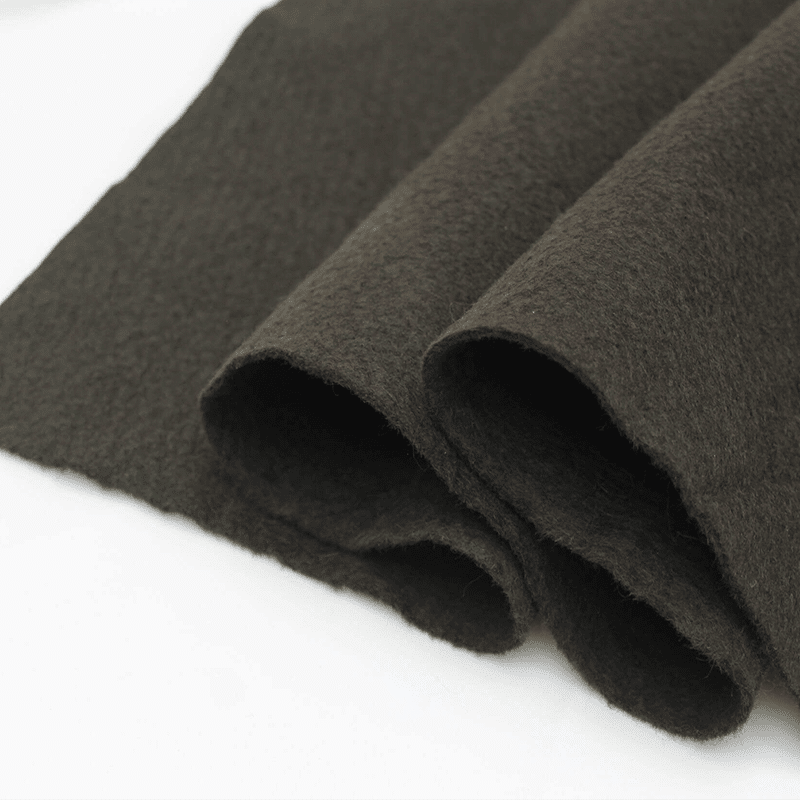
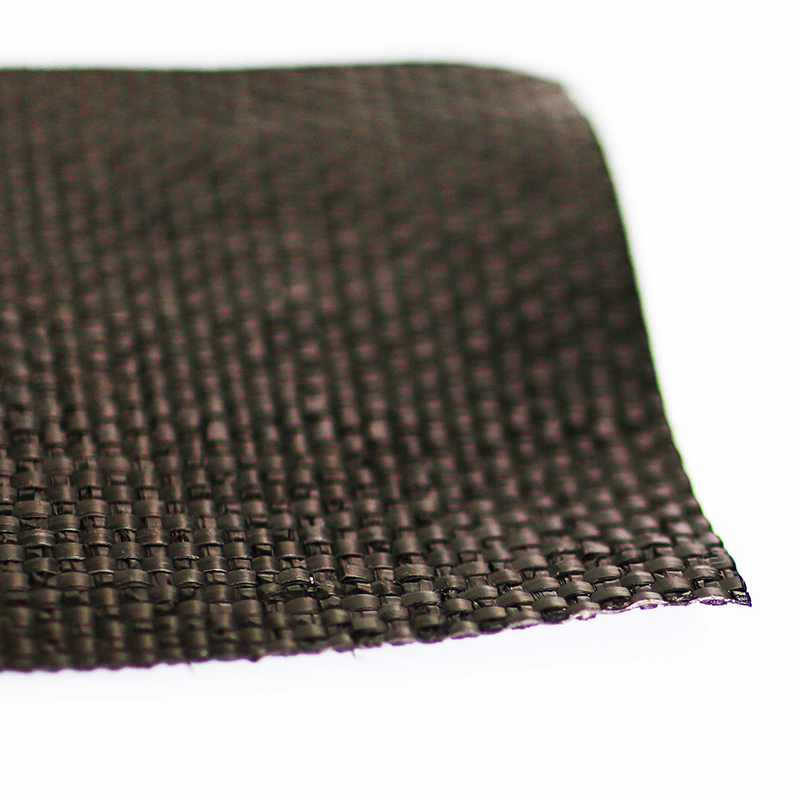
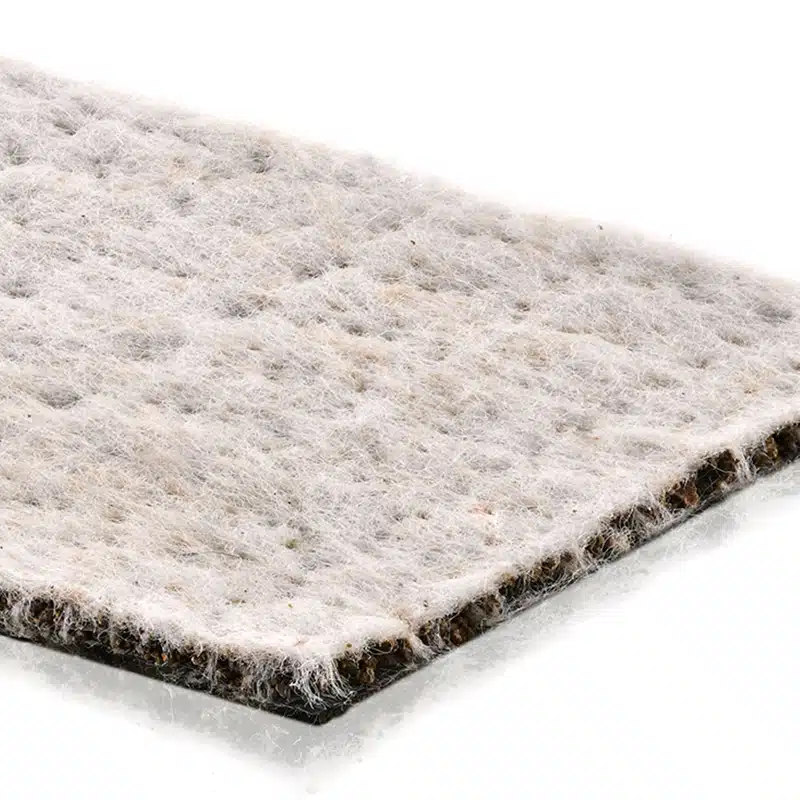
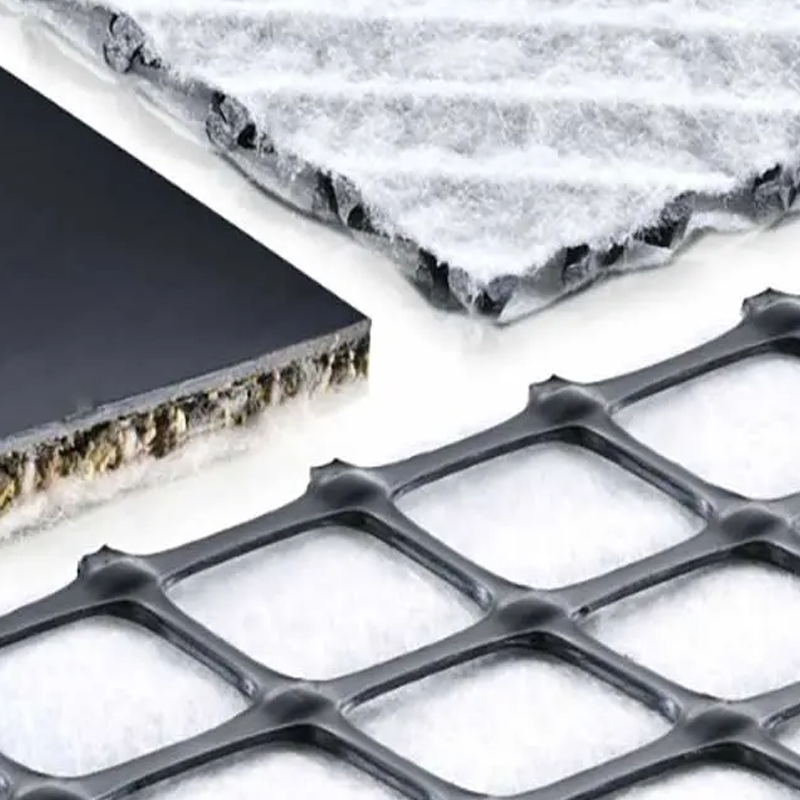
Unlike a geotextile, which is mainly used for filtration, separation, protection, or reinforcement, a geonet primarily functions as a drainage core. When filtration is required, the core can be bonded to one or two geotextile layers to form a geocomposite drainage product.
For project design, buyers should evaluate drainage performance under the expected hydraulic and loading conditions rather than relying solely on nominal thickness. Long-term transmissivity, creep behavior, compressive resistance, and interface conditions can all affect field performance.
Retaining Wall Applications
Behind retaining walls, trapped water can increase hydrostatic pressure and place additional stress on the structure. A drainage geonet provides a thin flow path that collects water behind the wall and directs it toward outlets or perforated collection pipes.
This configuration is particularly useful where space is limited or where installing a thick gravel drainage layer would be difficult. A bonded geotextile can help filter fine soil particles before water reaches the drainage core, reducing the risk of internal clogging.
When specifying geonet drainage for retaining walls, engineers should consider soil gradation, expected water flow, normal stress, filtration requirements, outlet spacing, and installation details. The selected configuration should maintain flow capacity while fitting within the wall drainage profile.
Geonet Drainage in Landfill Systems
Landfills require controlled management of leachate, stormwater, and gases. Geonets and drainage geocomposites can be placed above or between barrier layers to create efficient flow paths without the thickness associated with traditional aggregate drainage systems.
Typical applications include leachate collection, landfill cap drainage, leak detection layers, gas collection, and drainage above geomembrane liners. In these environments, chemical resistance and long-term performance under sustained compressive loading are especially important.
For procurement, specifications should define polymer type, thickness, transmissivity, compressive strength, roll dimensions, and any required geotextile facing. A properly selected geonet drainage layer for landfill projects should be matched to the design hydraulic gradient, expected load, and service conditions.
Key Product Selection Criteria
Selecting a drainage geonet should be based on project-specific requirements rather than a single product dimension. Important parameters include transmissivity, compressive strength, thickness, polymer type, hydraulic gradient, expected normal load, and chemical exposure.
If a geotextile is laminated to the core, its filtration properties should also be evaluated. Apparent opening size, permeability, puncture resistance, and compatibility with the surrounding soil can influence long-term drainage performance.
Buyers should also distinguish between short-term laboratory flow values and long-term design capacity. Depending on the application, engineers may need to consider reduction factors related to creep, intrusion, chemical effects, installation damage, and other service conditions.
Procurement and Project Coordination
For contractors, importers, distributors, and project buyers, material selection should begin with the actual drainage requirements. Project drawings, design loads, required flow capacity, geotextile configuration, roll dimensions, and applicable test standards should be confirmed before requesting a quotation.
A capable supplier should provide technical data, product specifications, and configuration options for the intended application. Early technical review can reduce specification mismatches and support a smoother approval process.
For retaining walls, landfills, and other civil engineering works, geonet drainage product selection should balance hydraulic performance, structural resistance, installation efficiency, and long-term service conditions. This helps ensure that the supplied material meets both engineering and procurement requirements.
Get Free Sample
We’ll respond as soon as possible(within 12 hours)