

+86-159 9860 6917
info@geofantex.com
geofantex@gmail.com
+86-400-8266163-44899
Geonet vs geotextile is an important comparison for engineers, contractors, and buyers selecting geosynthetics for drainage, filtration, separation, and environmental projects. While geotextiles primarily filter, separate, and reinforce soil layers, geonets provide high-capacity in-plane drainage for water and gas. Understanding their different functions, materials, and hydraulic performance helps project teams choose the right product—or determine when a geonet-geotextile geocomposite offers the most efficient solution.
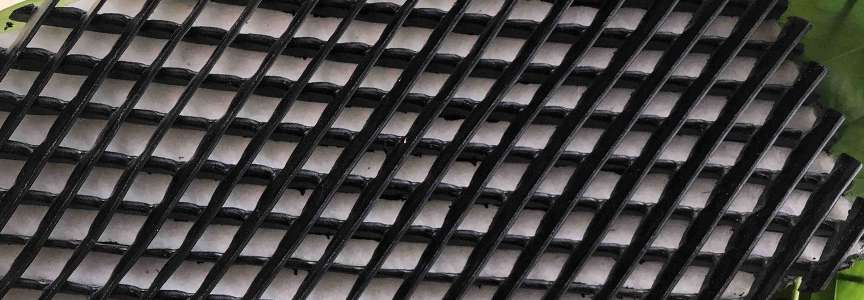
Geonet vs Geotextile: What Are Geonets Used For in Drainage Systems?
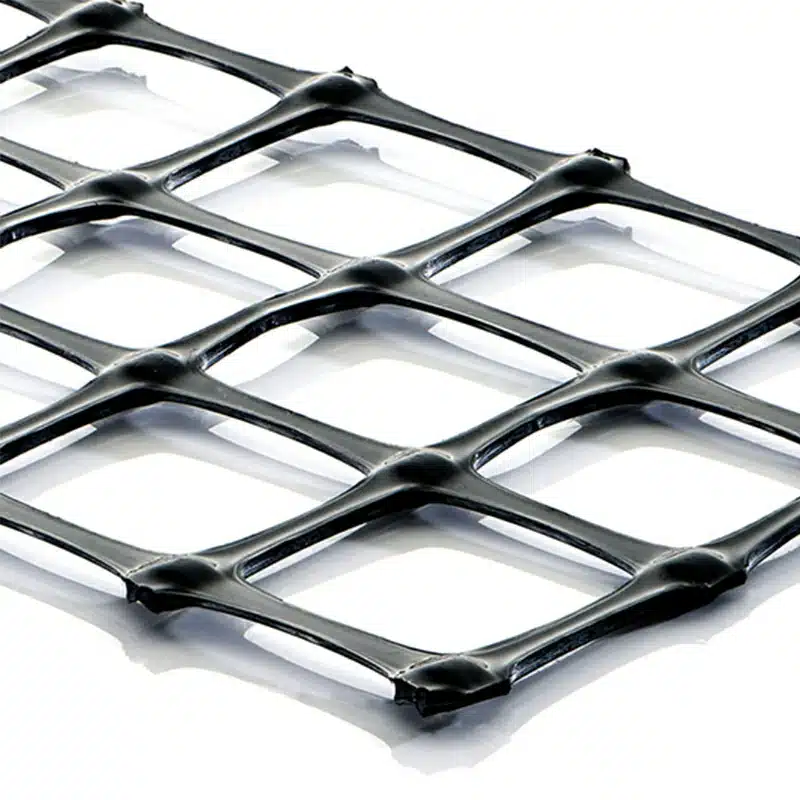
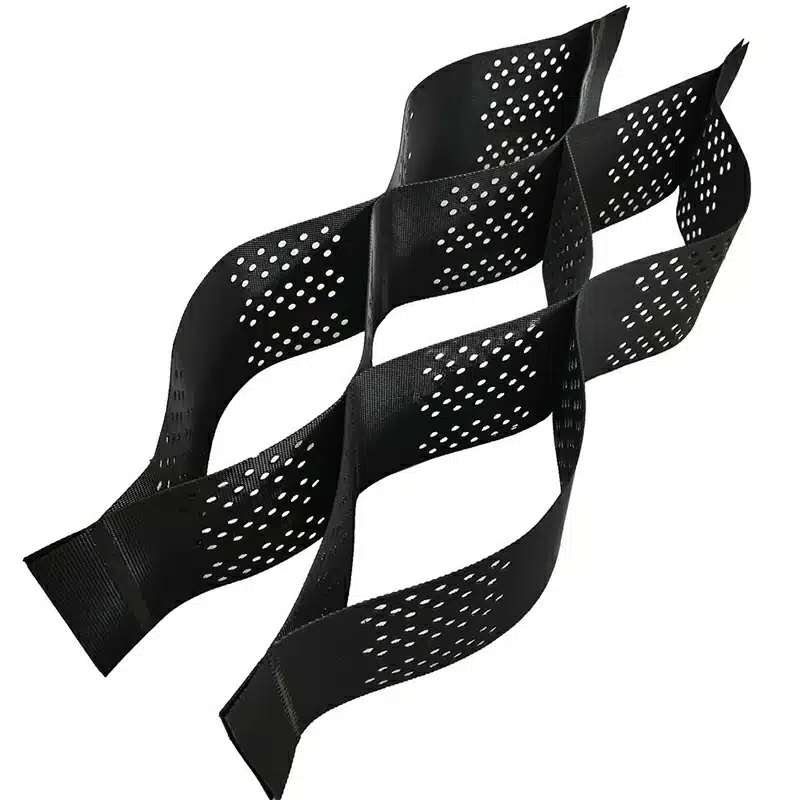
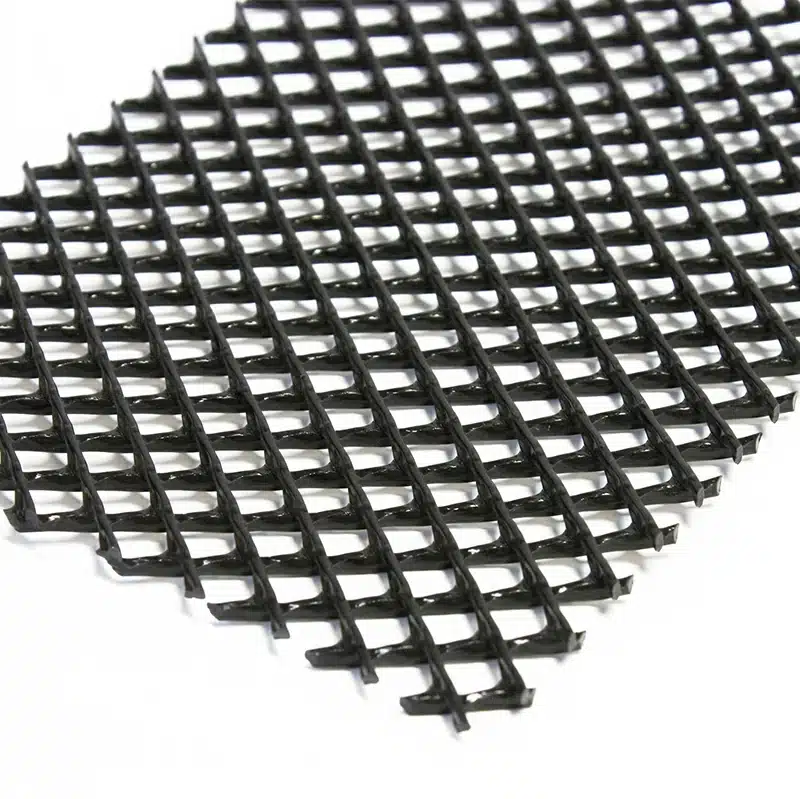
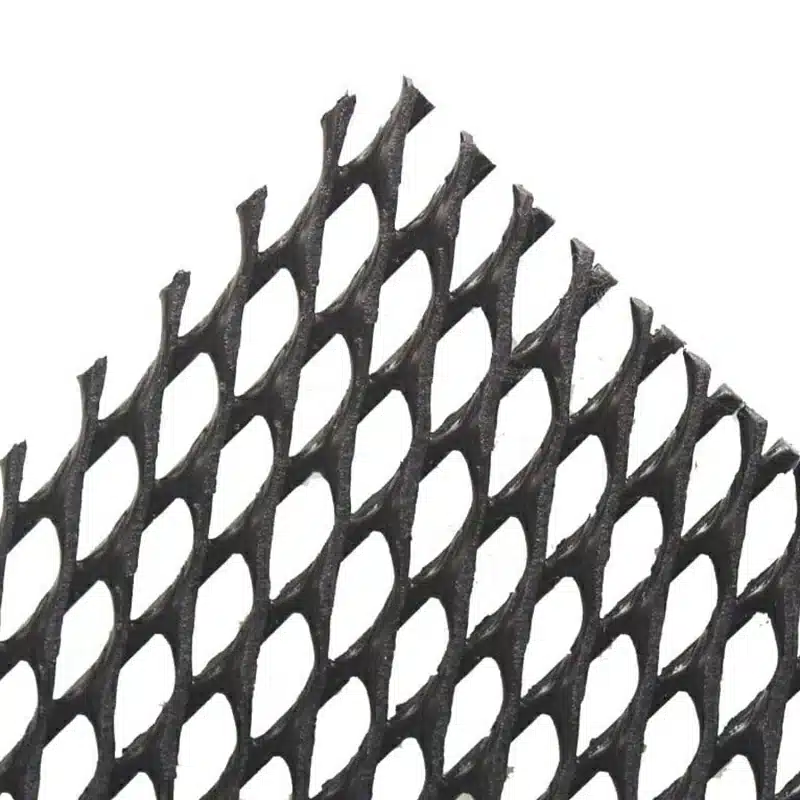
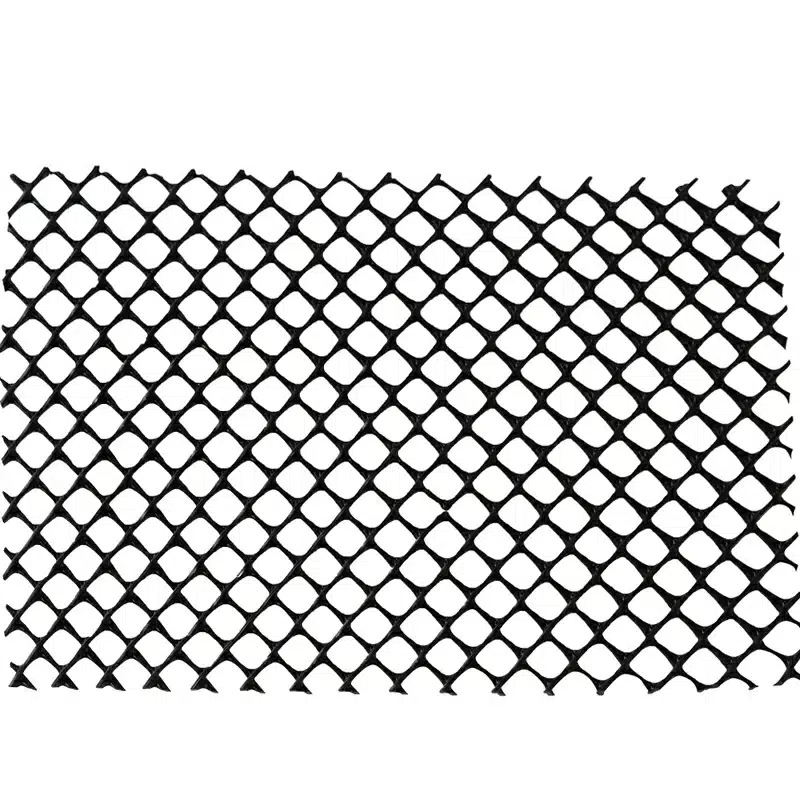
A geonet is an HDPE geosynthetic designed for high-capacity in-plane drainage of water and gas. It is widely used in landfills, retaining walls, and infrastructure drainage systems.
- Drainage Control: Channels groundwater, leachate, and gas toward collection outlets.
- Structural Protection: Reduces hydrostatic pressure and helps protect structures.
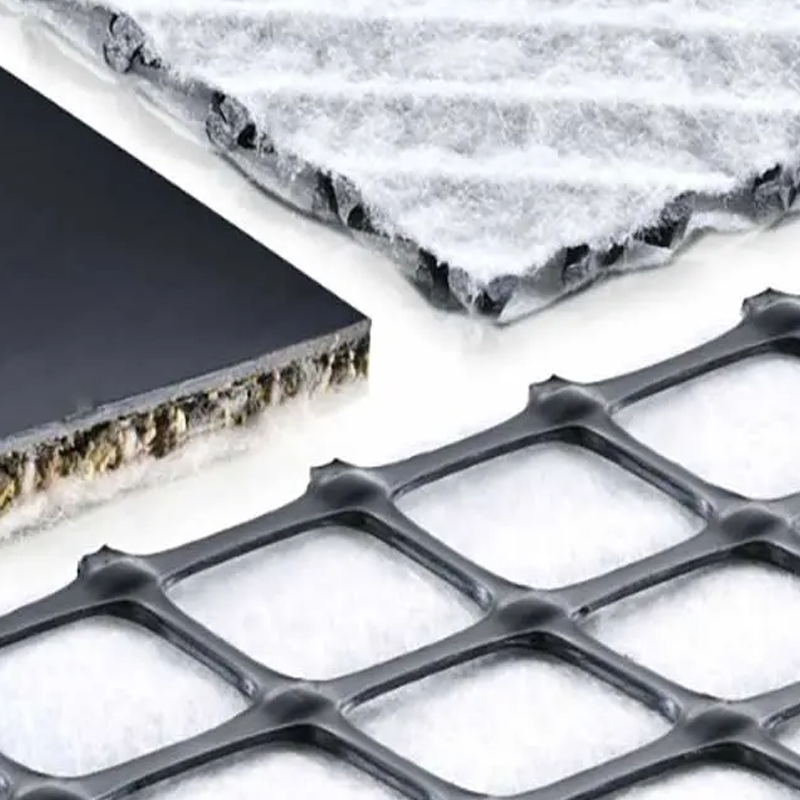
- System Integration: Combines with geotextiles to provide filtration and drainage.
- Long-Term Durability: Offers chemical resistance and drainage performance under suitable loading conditions.
How Does a Geonet Work in Drainage Applications?
Geonets use interconnected channels to transport water and gas within their plane. Drainage capacity depends on hydraulic gradient, applied pressure, and core structure.
Geonet vs Geotextile for Landfill Drainage: Which Performs Better?
Geonets transport leachate and gas, while geotextiles filter soil particles. Combined geocomposites provide both filtration and drainage for landfill systems.
Geonet vs Geotextile for Retaining Wall Drainage: What Should Engineers Consider?
Geonets channel groundwater toward outlets, while geotextiles prevent soil migration. Selection depends on water flow, soil conditions, and applied pressure.
Geonet vs Geotextile: Key Differences in Structure, Function, and Performance
The difference between geotextile vs geonet lies mainly in structure, function, and hydraulic behavior. Although both are geosynthetics, they serve distinct engineering purposes.
| Geotextile | Geonet | |
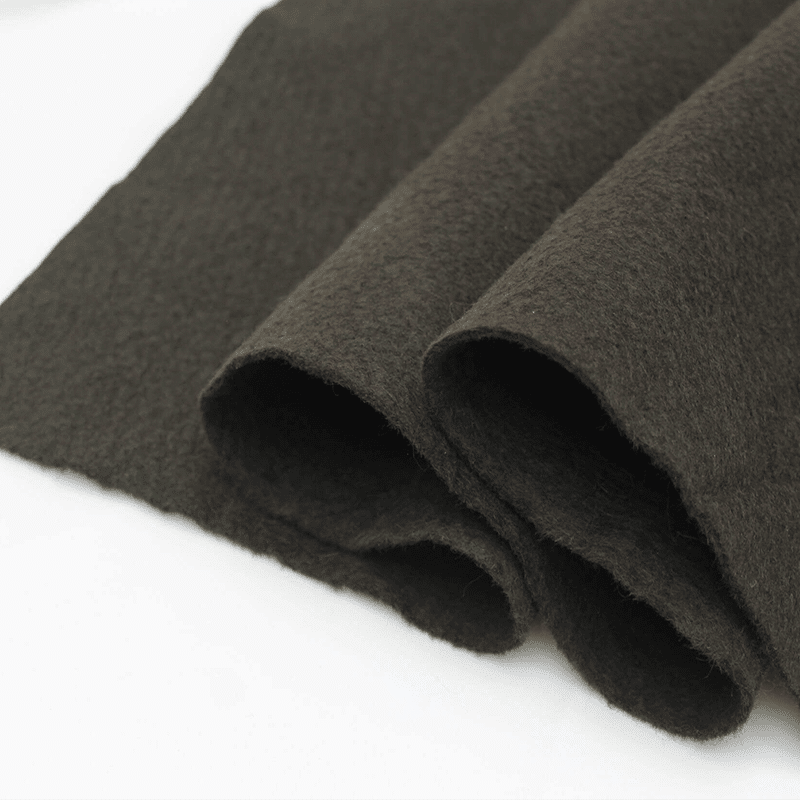
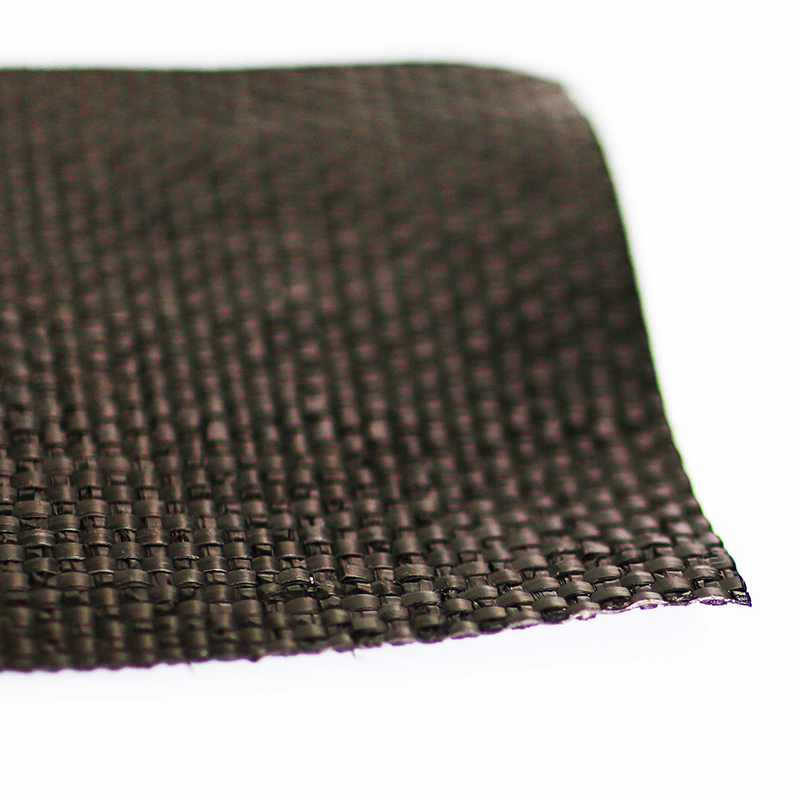
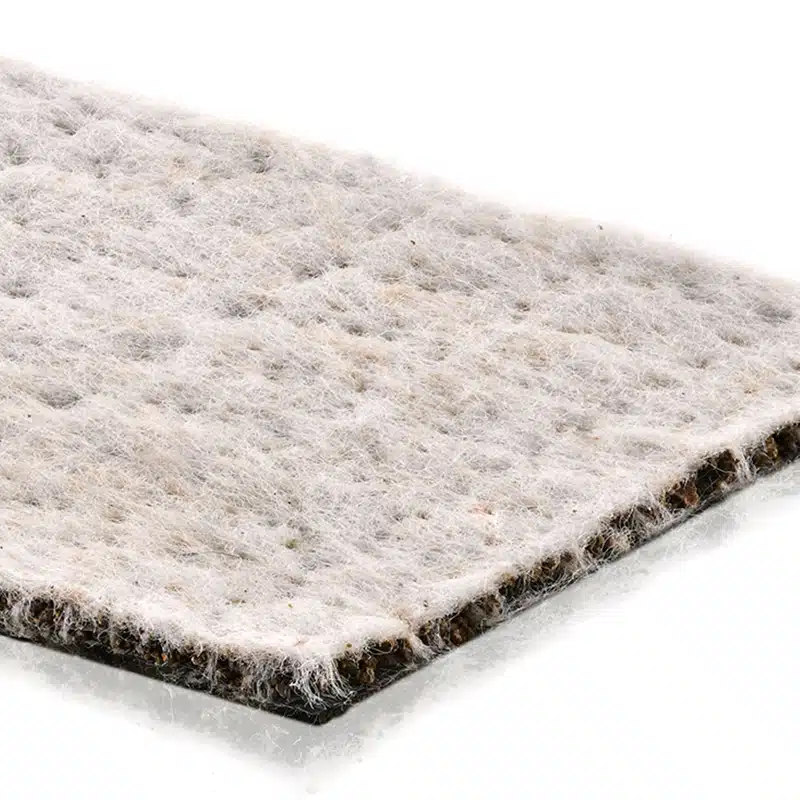
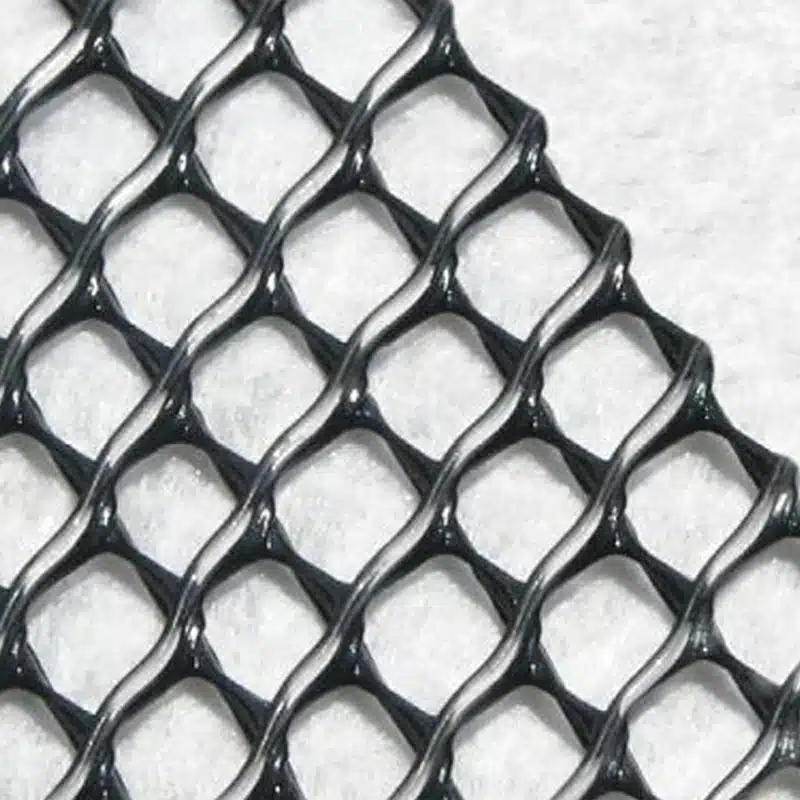
| Structure | Permeable fabric (woven or nonwoven) | Three-dimensional net-like core |
| Material | Polypropylene (PP) or Polyester (PET) | High-Density Polyethylene (HDPE) |
| Primary Functions | Separation: Prevents soil layer mixing Filtration: Allows water flow while retaining fines Reinforcement: Improves soil strength and load distribution Erosion Control: Stabilizes slopes and surfaces | Drainage: High-capacity in-plane fluid and gas conveyance Pressure Relief: Reduces hydrostatic and gas pressure |
| Flow Direction | Through-plane (vertical permeability) | In-plane (horizontal flow) |
| Typical Applications | Road subgrades Landfill filtration layers Drainage trenches Erosion protection systems | Landfill leachate and gas collection Retaining wall drainage Tunnel and foundation drainage systems |
| Key Engineering Distinction | Geotextiles filter and separate, controlling soil movement while allowing water to pass. | Geonets drain, rapidly transporting liquids or gases within a layer. |
| Combined Use | Geotextile: Filters soil particles | Geonet: Provides continuous drainage channels This combination prevents clogging and ensures long-term hydraulic performance. |
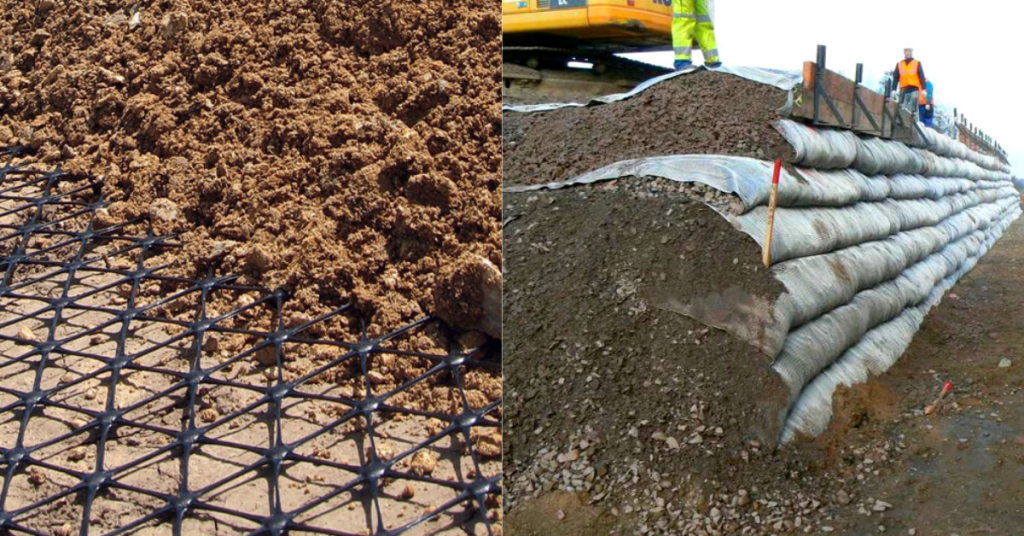
How to Choose Between Geonets and Geotextiles for Engineering Projects?
- Project Objective: The choice between geonet and geotextile depends primarily on the intended function. Use geotextiles when the goal is to allow water passage while retaining soil particles, and geonets when high-volume in-plane fluid or gas drainage is required.
- Site Conditions: Engineers must consider slope, soil type, groundwater levels, chemical exposure, and load-bearing requirements. These factors influence material selection to ensure long-term performance and stability.
Proper selection maximizes system efficiency, prevents clogging, and enhances durability, especially when using geonet and geotextile in combination for engineered drainage or filtration applications.
What ASTM Standards Apply to Geonet and Geotextile Performance?
Yes. Both materials are subject to strict industry testing and classification. For example:
- Geonets are tested for in-plane flow rate under pressure (ASTM D4716).
- Geotextiles are evaluated for permittivity, puncture resistance, and tensile strength (ASTM D4491, D4632, etc.).
- High-quality geonets must maintain at least 70% of their initial flow capacity after 10,000 hours of compressive loading.
- — Source: ASTM and ISO Geosynthetics Standards Review, 2024
Specifiers must ensure compatibility with soil type, chemical exposure, and expected mechanical loads.
In conclusion, knowing the distinction between geonet vs geotextile allows engineers to design more efficient and durable systems. Whether used individually or in tandem, these geosynthetics are key components in sustainable infrastructure design.
Geonet vs geotextile comparisons will continue to shape best practices across geotechnical applications.
Get Free Sample
We’ll respond as soon as possible(within 12 hours)