

+86-159 9860 6917
info@geofantex.com
geofantex@gmail.com
+86-400-8266163-44899
Geotextile fabric for retaining walls provides filtration and soil separation behind concrete, block, and other engineered retaining structures. It allows groundwater to pass into drainage aggregate while limiting soil migration, helping maintain drainage efficiency and reduce the risk of hydrostatic pressure buildup.
For engineers, contractors, and project buyers, selecting the right retaining wall filter fabric requires an understanding of soil conditions, hydraulic properties, installation methods, and drainage system design.
Why Use Geotextile Fabric for Retaining Wall Drainage?
Water accumulating behind a retaining wall creates hydrostatic pressure that can compromise structural performance. Geotextile acts as a permeable filter between surrounding soil and drainage aggregate, allowing water to enter the drainage zone while retaining soil particles.
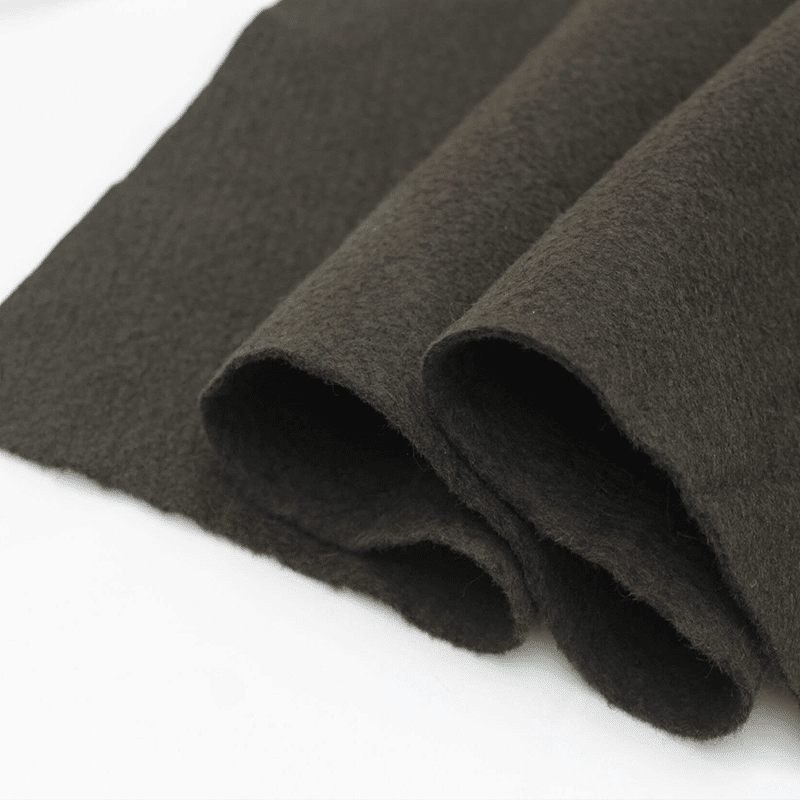
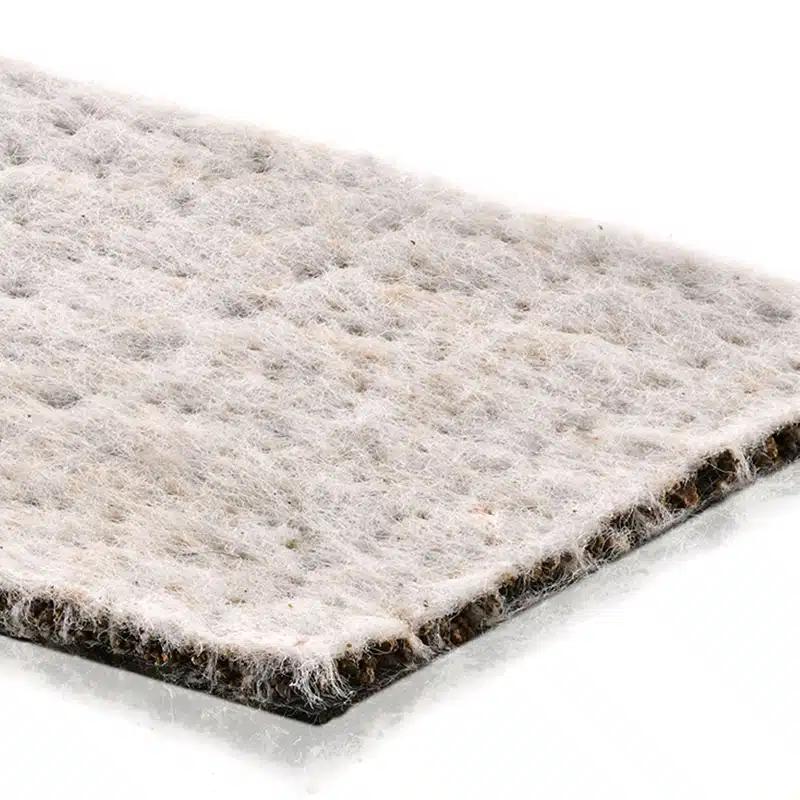
Nonwoven geotextile is commonly specified because its porous structure supports filtration and separation. It helps prevent fine particles from contaminating gravel, preserving the drainage pathway over time. However, fabric alone cannot relieve hydrostatic pressure; properly designed drainage outlets are essential.
Engineers evaluating geotextile fabric for retaining wall drainage systems should consider soil gradation, groundwater conditions, and filtration compatibility before selecting materials.
How to Install Geotextile Fabric for Retaining Wall Projects?
Installation begins with preparing the excavation and removing sharp debris that could damage the fabric. Position the geotextile along the specified interface between native soil and drainage aggregate, ensuring continuous separation without excessive wrinkles or tension.
Carefully place clean drainage gravel against the fabric and install a perforated drainage pipe near the base of the wall where required by the design. Connect the pipe to a suitable outlet, and follow project specifications for fabric overlaps, aggregate placement, and backfill compaction.
For contractors, understanding how to install geotextile fabric for retaining wall construction helps prevent installation damage, soil contamination, and drainage interruptions.
Which Geotextile Specifications Matter for Retaining Walls?
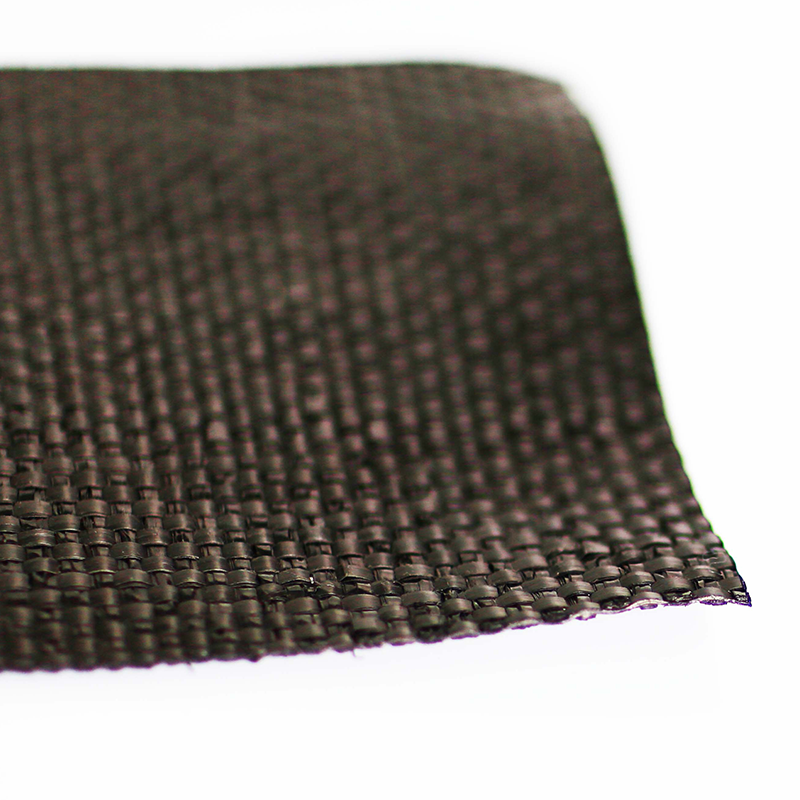
Nonwoven polypropylene (PP) and polyester (PET) geotextiles are commonly used for retaining wall filtration. Material selection should prioritize hydraulic compatibility and installation survivability rather than nominal fabric weight alone.
Apparent opening size (AOS) helps assess soil retention, while permittivity indicates cross-plane water flow capacity. Tensile strength and puncture resistance are important for withstanding construction stresses and contact with drainage aggregate. These properties should be evaluated together against project requirements.
When comparing geotextile fabric for retaining wall filtration and separation, engineers should review technical data sheets, soil characteristics, aggregate gradation, and expected installation conditions. Different fabric constructions may provide substantially different performance despite having similar weights.
What Materials Work With Retaining Wall Geotextile?
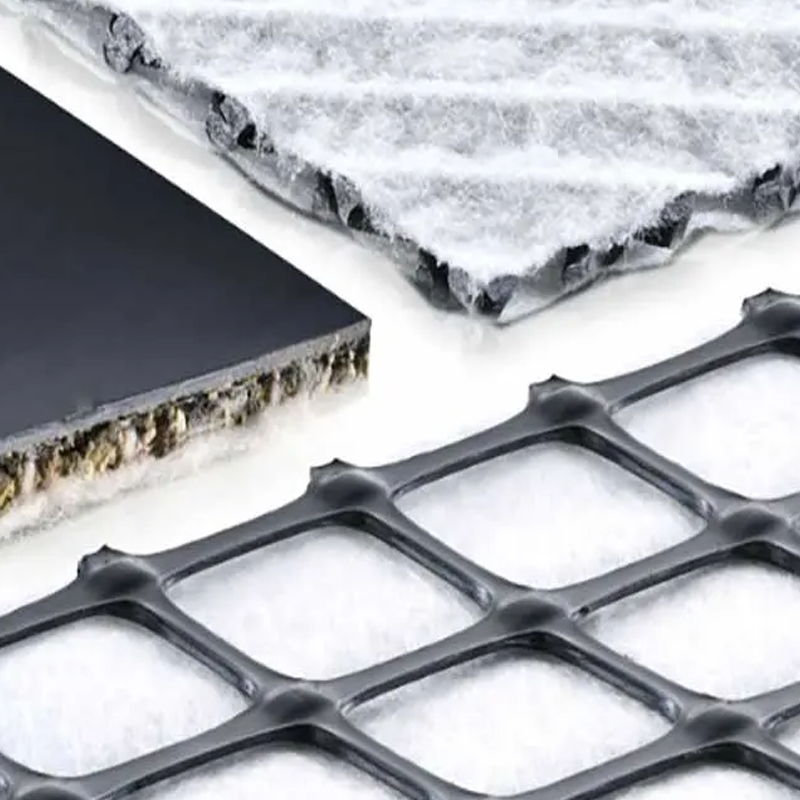
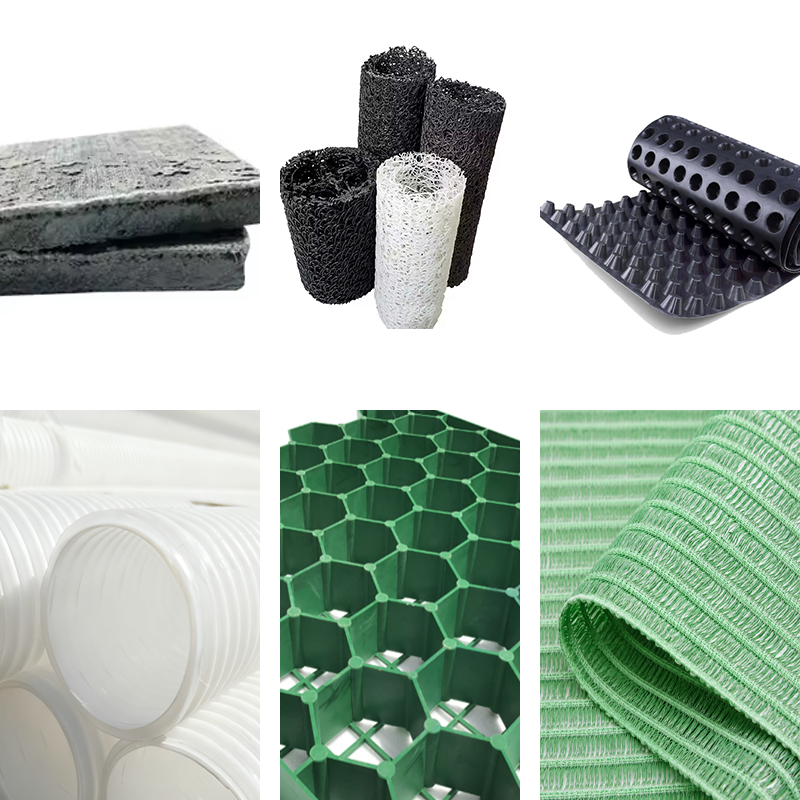
An effective retaining wall drainage system combines several materials with distinct functions. Geotextile separates surrounding soil from clean drainage aggregate, while the aggregate provides a permeable pathway for groundwater movement.
A perforated drainage pipe may collect water near the base of the wall and direct it toward an appropriate discharge point. Properly graded backfill provides structural support, while drainage outlets allow collected water to flow away from the wall.
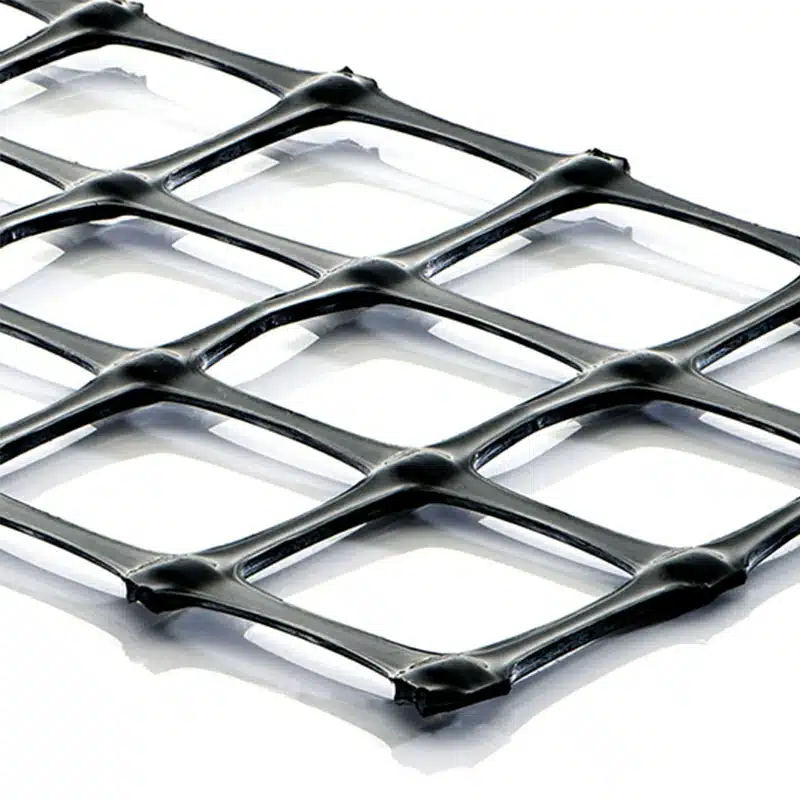
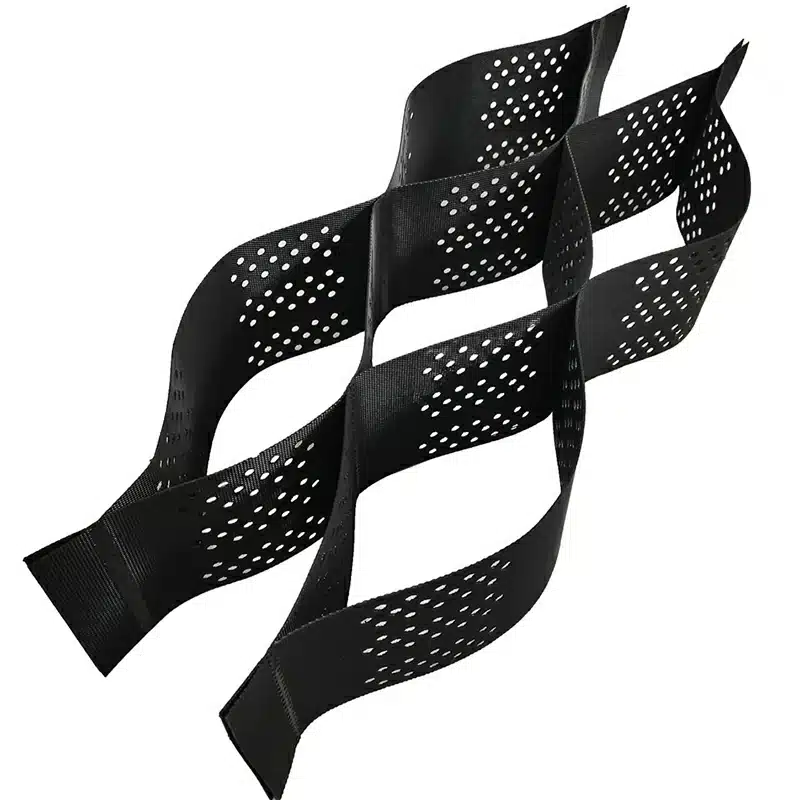
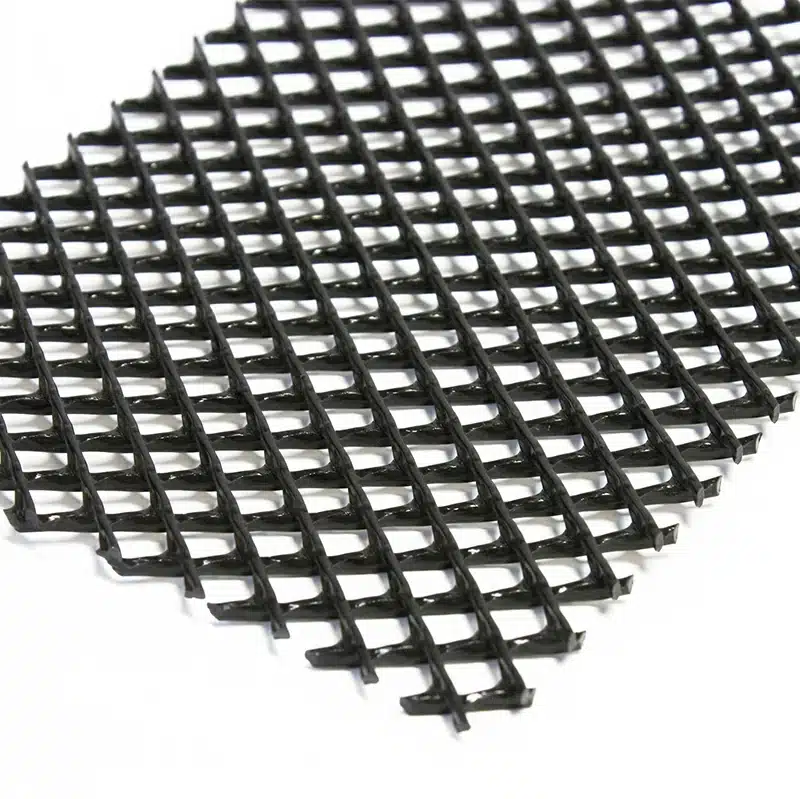
For segmental retaining walls, geogrid reinforcement may also be specified to reinforce the soil. Unlike filtration geotextile, geogrid serves a structural reinforcement function. Material placement and compatibility must follow the approved engineering design to maintain both drainage performance and wall stability.
Properly selected geotextile fabric for retaining walls supports soil filtration, drainage protection, and long-term system performance. Effective results depend on compatible hydraulic properties, careful installation, suitable drainage aggregate, and reliable water discharge.
Geofantex Geosynthetics supplies nonwoven geotextiles for civil engineering and drainage projects. Contact our team to discuss available materials, technical specifications, and bulk supply requirements.
Get Free Sample
We’ll respond as soon as possible(within 12 hours)