

+86-159 9860 6917
info@geofantex.com
geofantex@gmail.com
+86-400-8266163-44899
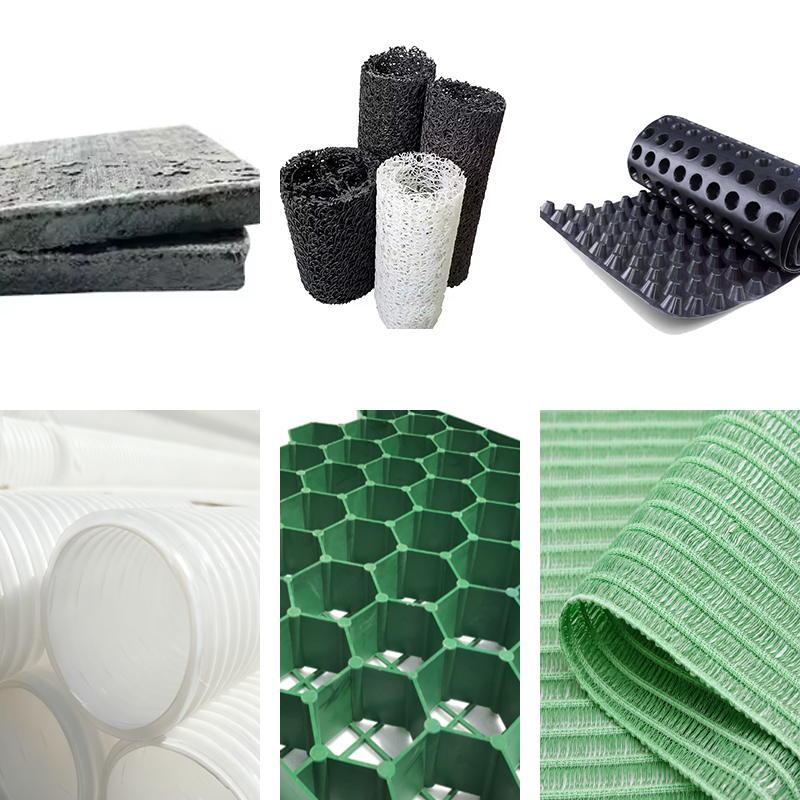
Geotextile fabrics are a core material in modern geosynthetics, widely used to enhance soil stability, control water movement, and improve the long-term performance of infrastructure projects across the world.
Industry Background and Engineering Value
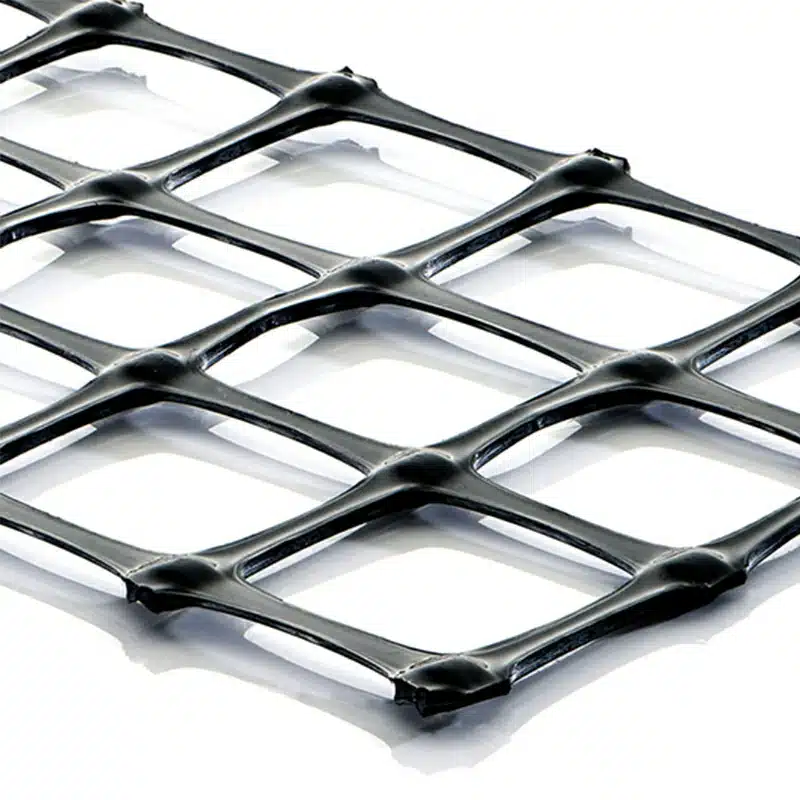
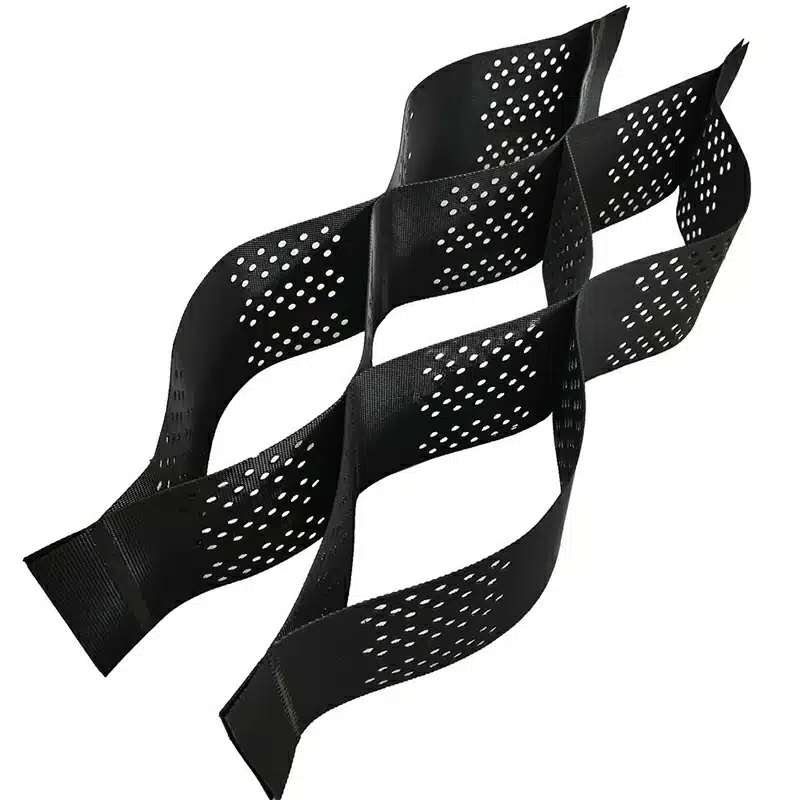
Geosynthetics have become essential in civil engineering due to their ability to solve complex ground conditions efficiently. In road construction, railways, and earthworks, geotextiles act as separation and filtration layers that prevent fine soil particles from migrating into aggregate structures. By integrating proven geosynthetics solutions into project design, engineers can extend service life while reducing maintenance costs and material consumption.
Urban Infrastructure Case: Rail Projects
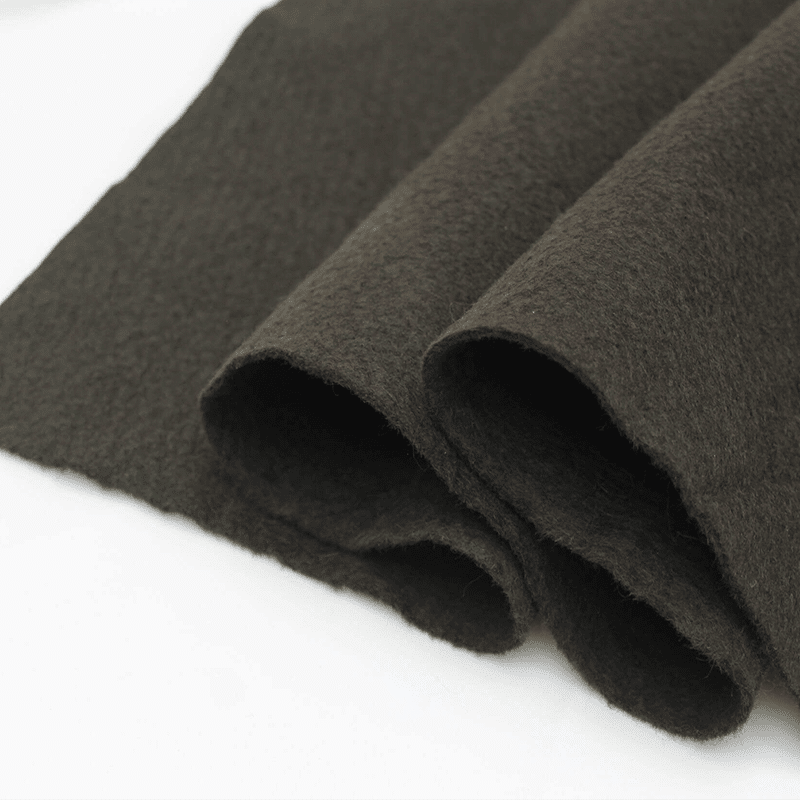
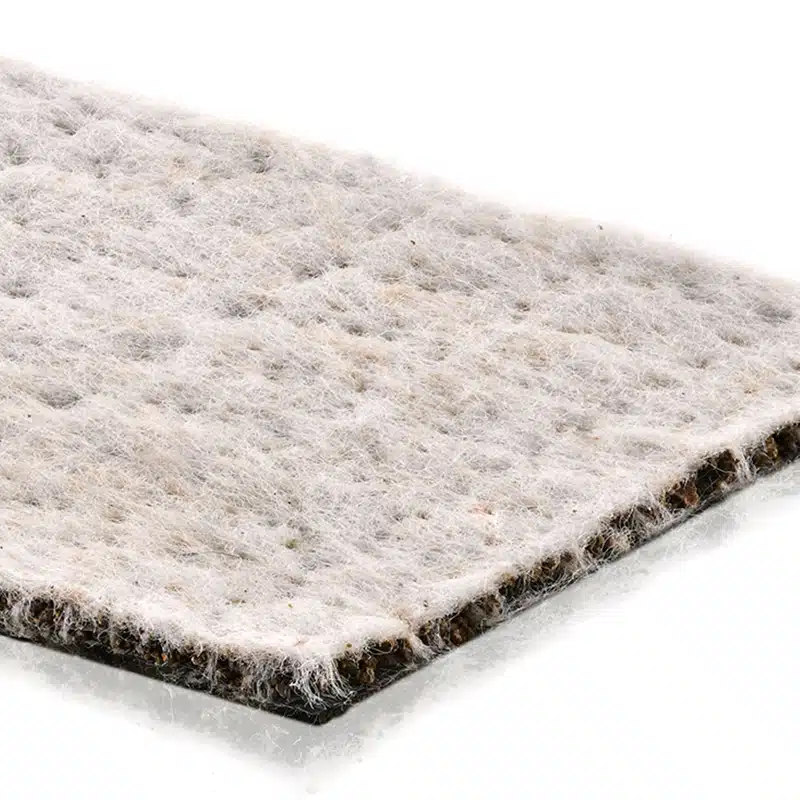
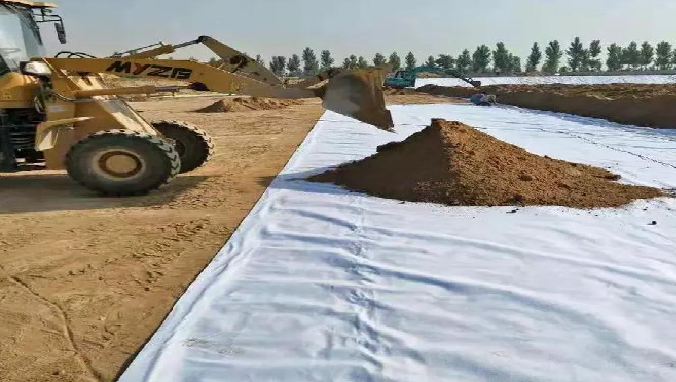
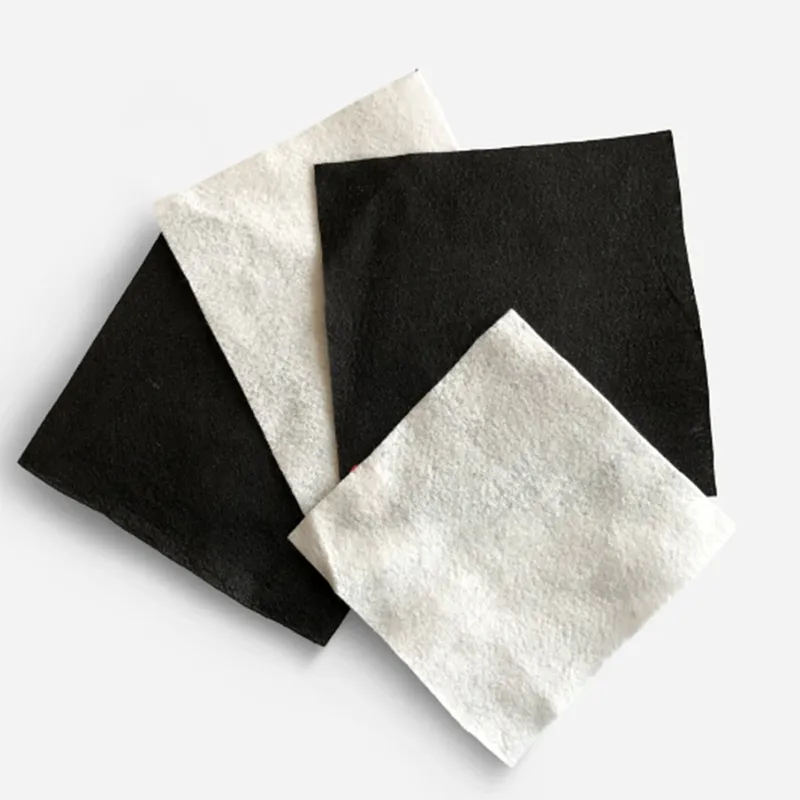
In large-scale urban rail projects, ground conditions are often unpredictable, with soft soils and high groundwater levels creating risks of settlement. Engineers frequently adopt nonwoven geotextile materials beneath track beds to maintain clear separation between subgrade and ballast layers. This method improves load distribution, limits deformation, and supports stable rail operation over long service periods.
Coastal and Highway Engineering Case
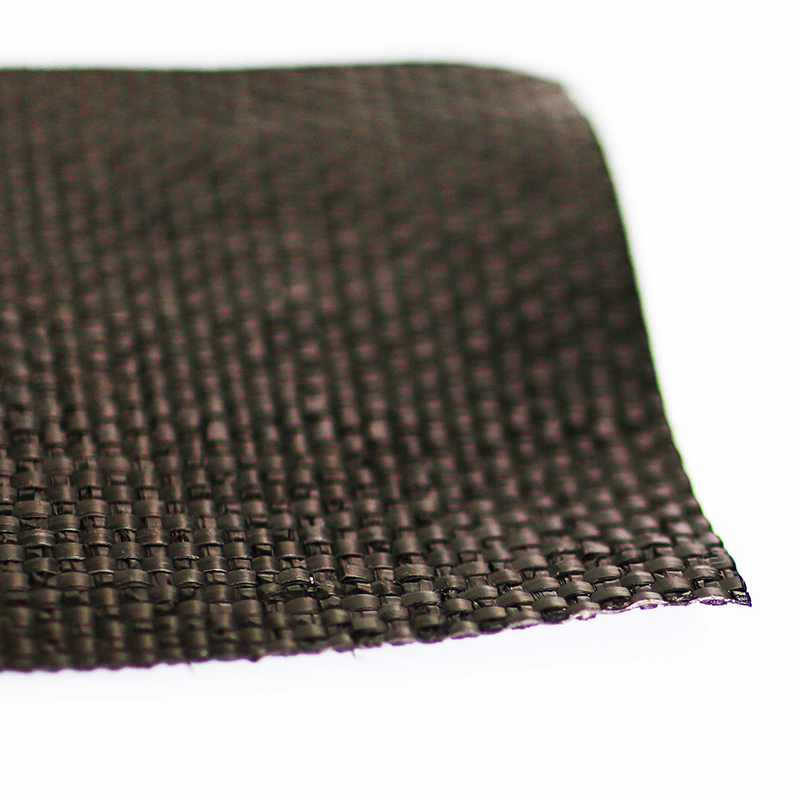
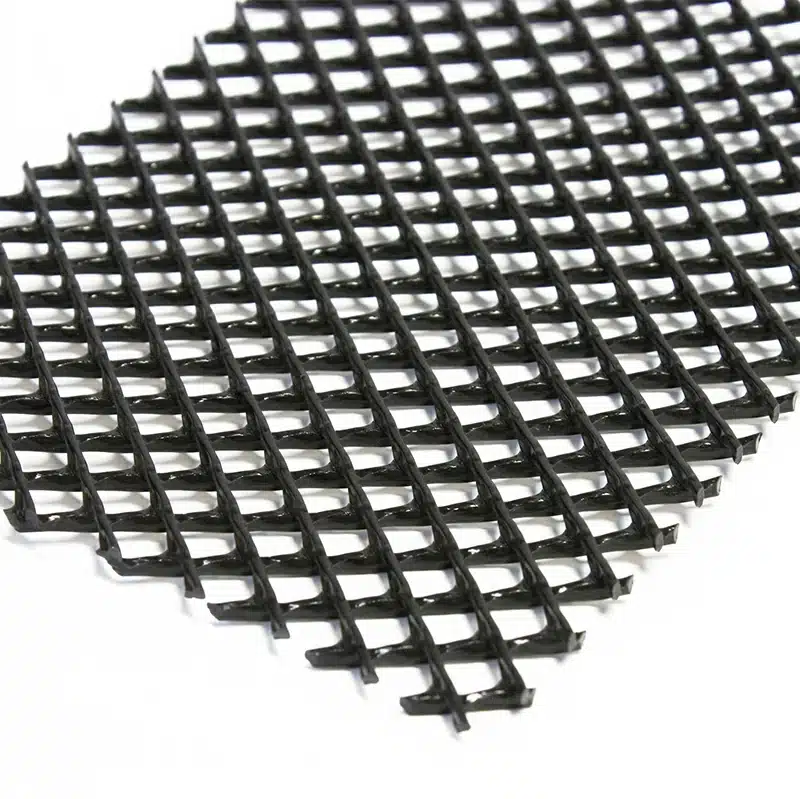
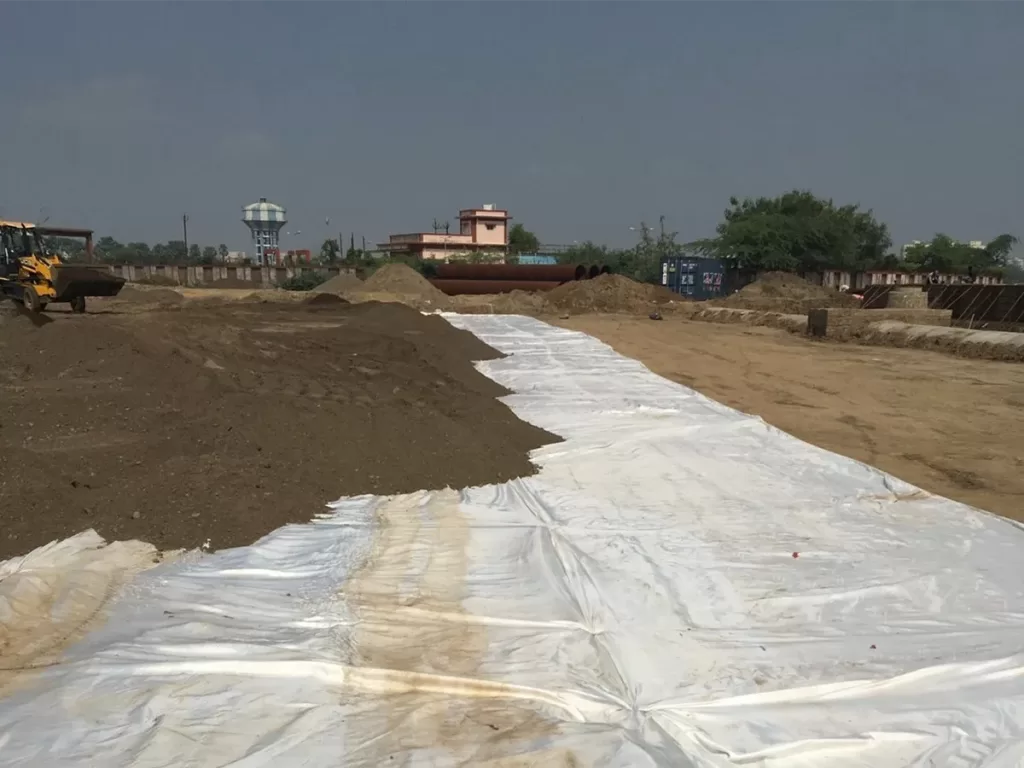
Coastal highways and embankments face constant threats from erosion, heavy rainfall, and extreme weather events. In these environments, reinforced soil structures supported by woven geotextile for erosion control are commonly applied to stabilize slopes and protect road foundations. Long-term monitoring shows reduced slope failure and lower repair frequency after severe storms.
Environmental and Landfill Rehabilitation Case
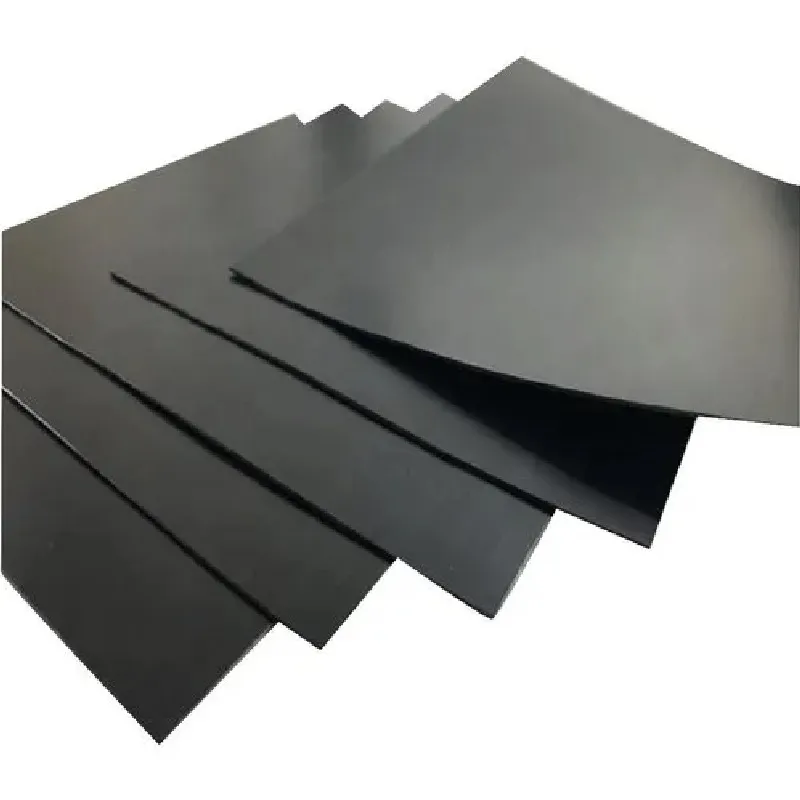
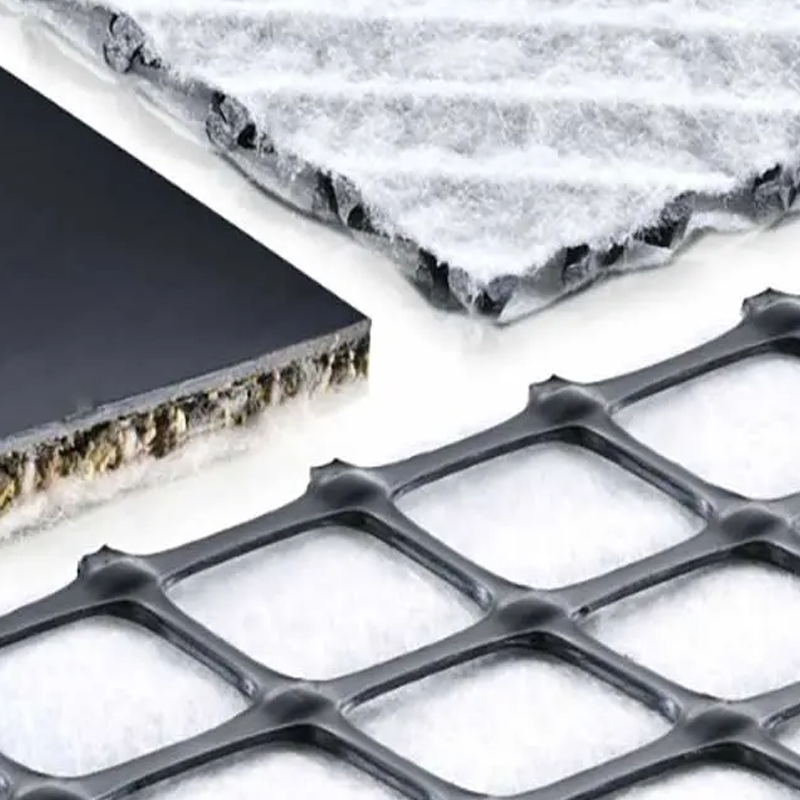
Environmental engineering projects also demonstrate the value of geosynthetics in landfill capping and remediation works. Filtration and protection layers are critical for controlling leachate and safeguarding barrier systems. Integrated landfill and environmental protection systems rely on geotextiles to maintain drainage efficiency while enabling safe and sustainable land reuse.
Across transportation, coastal protection, and environmental remediation, real-world applications confirm that geosynthetics are no longer optional materials but essential engineering tools. With rising demands for durability, sustainability, and cost efficiency, geotextile fabrics will continue to play a central role in global infrastructure development.
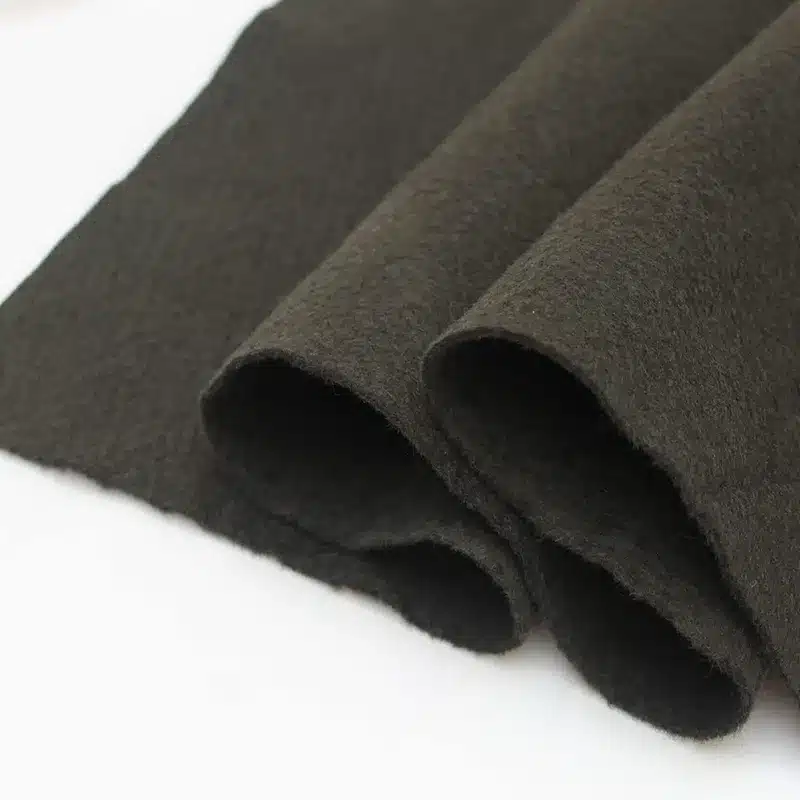

Get Free Sample
We’ll respond as soon as possible(within 12 hours)