

+86-159 9860 6917
info@geofantex.com
geofantex@gmail.com
+86-400-8266163-44899
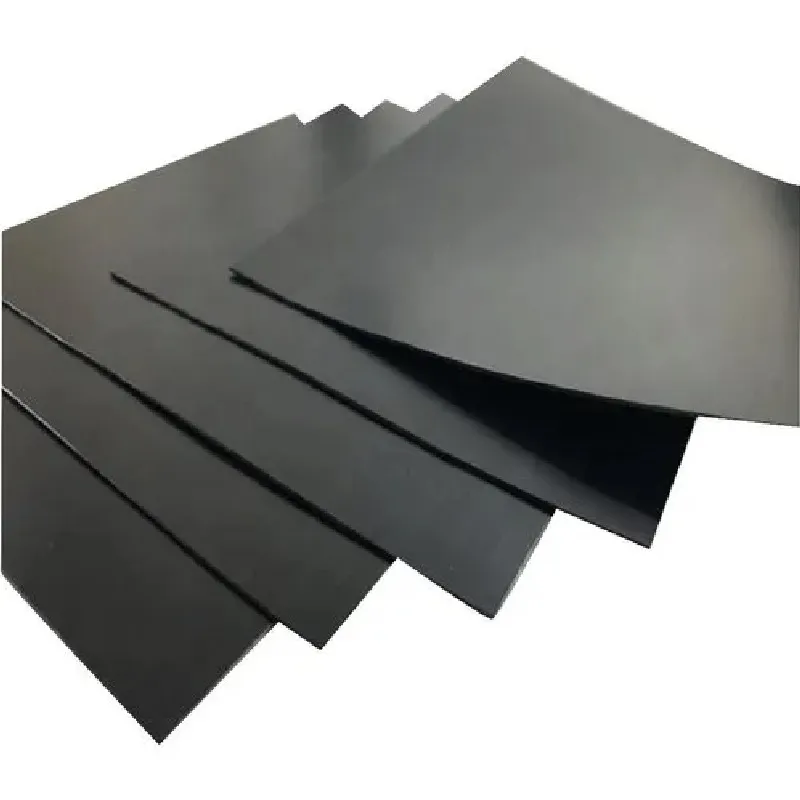
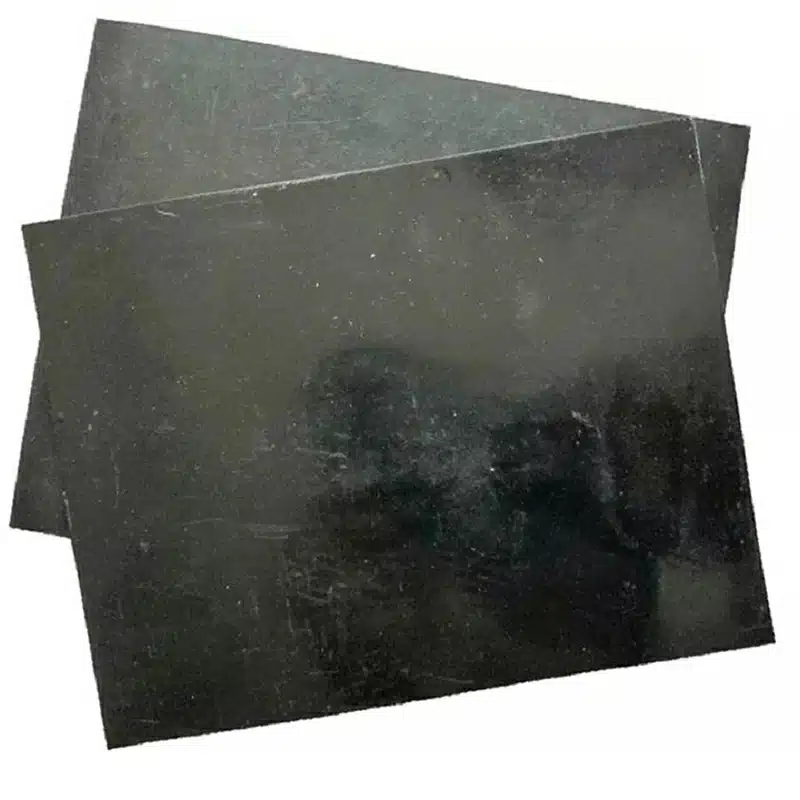
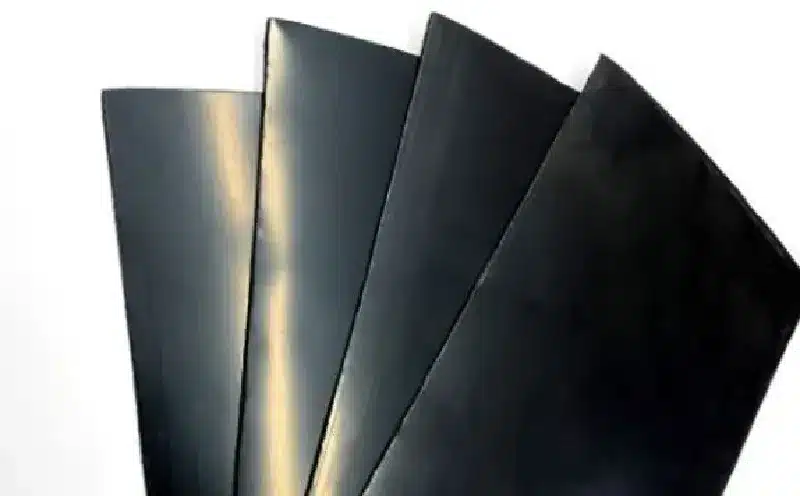
An HDPE pool liner is a durable containment solution for reservoirs, landscape ponds, swimming pools, and other water-retention projects. For contractors, distributors, and project buyers, selecting the correct thickness, substrate preparation method, welding technique, and protective geotextile is essential for reliable installation and long-term waterproofing performance.
What Thickness of HDPE Pool Liner Should I Choose?
The appropriate thickness depends on water depth, substrate condition, installation environment, and expected mechanical stress.
Common geomembrane thicknesses include 0.75 mm, 1.0 mm, 1.5 mm, and 2.0 mm. However, a thicker membrane is not automatically the best option for every project. A smooth, stable foundation may allow a lighter specification, while deeper reservoirs or more demanding installations may require a thicker membrane.
Before ordering, buyers should provide project dimensions, water depth, substrate type, and expected operating conditions. An HDPE pool liner thickness selection guide can help compare suitable options based on project requirements.
The final specification should follow engineering requirements rather than price alone.
How Is HDPE Pool Liner Installed?
Correct installation starts with careful substrate preparation. Remove stones, roots, debris, and sharp projections that could puncture the membrane.
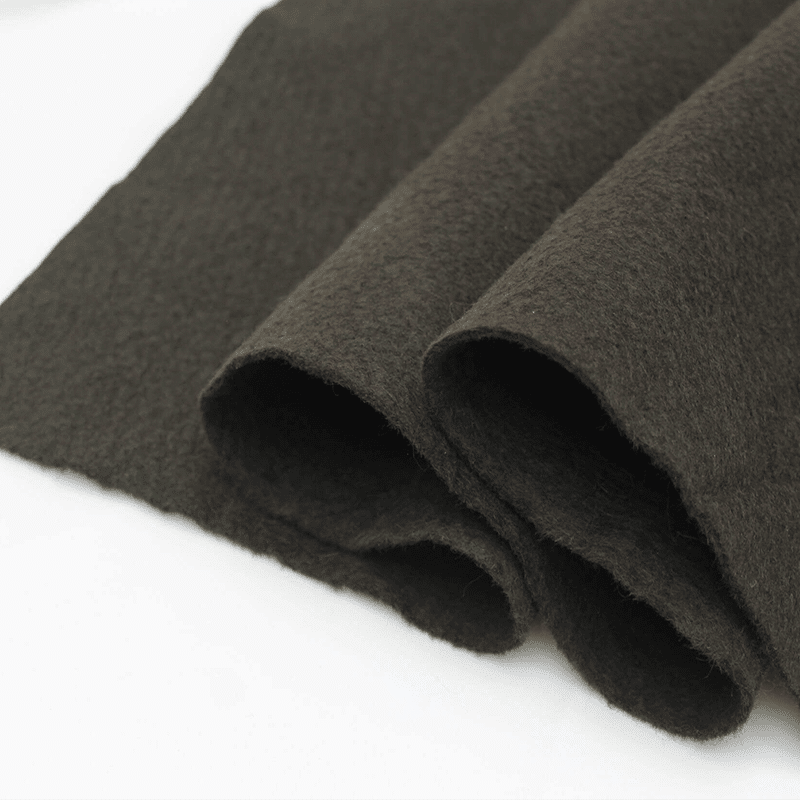
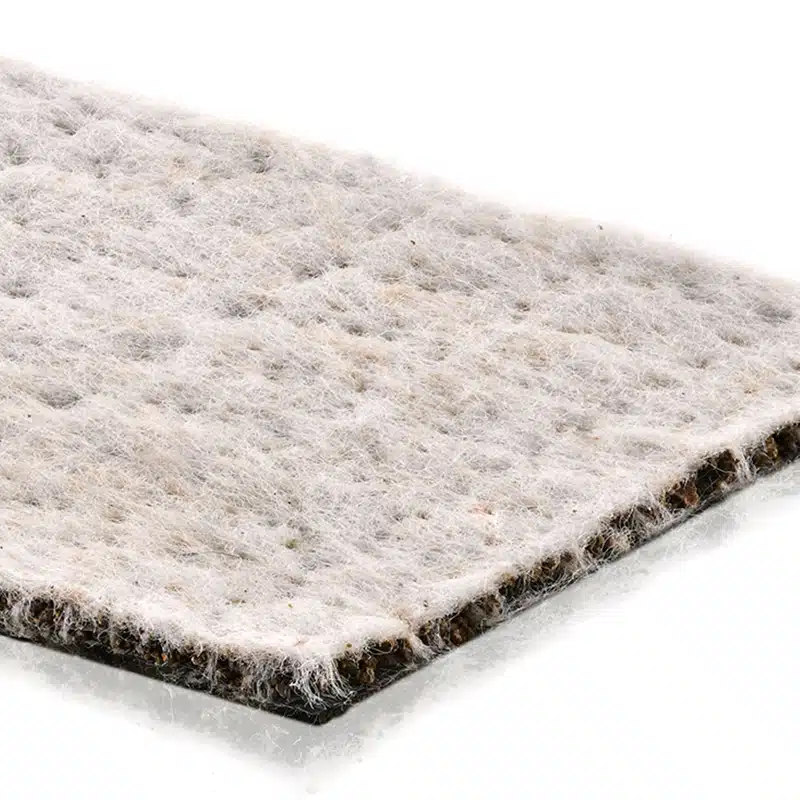
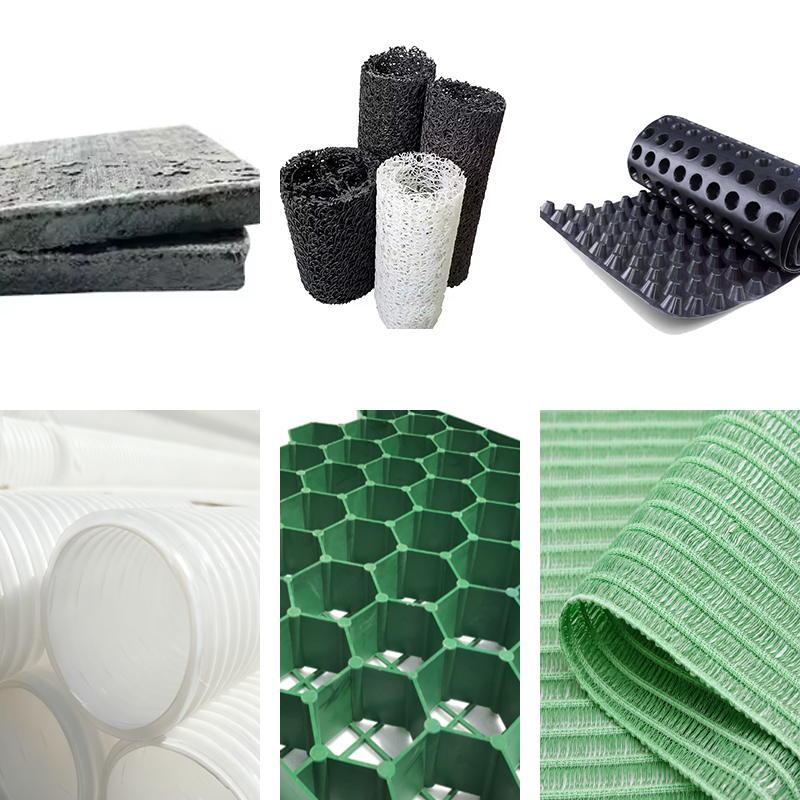
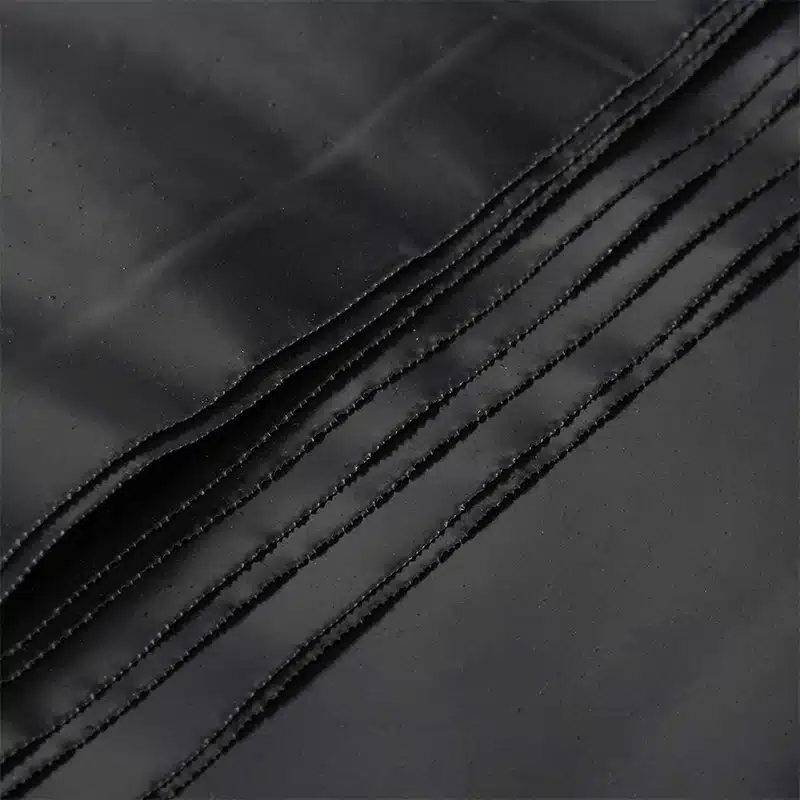
A nonwoven geotextile is often installed beneath the geomembrane when additional cushioning and puncture protection are required. The membrane panels are then positioned according to the layout plan and joined by thermal welding.
Key installation areas include:
- Corners and edges
- Pipe penetrations
- Inlets and outlets
- Drains
- Anchoring zones
- Structural transitions
During HDPE pool liner installation, completed seams should be inspected according to the project’s quality control requirements. Proper welding and anchoring are essential to maintaining continuous water containment.
For larger projects, an HDPE pool liner installation guide for water containment can help contractors coordinate substrate preparation, panel placement, welding, and inspection.
Why Use HDPE Geomembrane for Water Storage?
HDPE geomembrane offers low permeability, good chemical resistance, and strong mechanical performance. These properties make it suitable for reservoirs, irrigation ponds, water tanks, aquaculture ponds, and landscape water features.
In water-retention projects, the liner forms a continuous barrier that helps reduce seepage into the underlying soil. Its welded seams allow large areas to be lined with fewer discontinuities than many rigid systems.
HDPE is also widely used because it performs well in demanding outdoor environments when properly specified and protected.
For exposed applications, designers should consider UV exposure, temperature changes, anchoring, and mechanical protection. These conditions can influence the service life of the lining system.
Does an HDPE Pool Liner Need Geotextile Protection?
A protective geotextile is recommended when the underlying surface presents a puncture risk.
A nonwoven geotextile creates a cushioning layer between the geomembrane and the substrate. It helps reduce localized stress caused by stones, uneven surfaces, or minor irregularities.
The geotextile specification should be selected according to substrate conditions and anticipated loading. GSM alone should not be the only selection criterion.
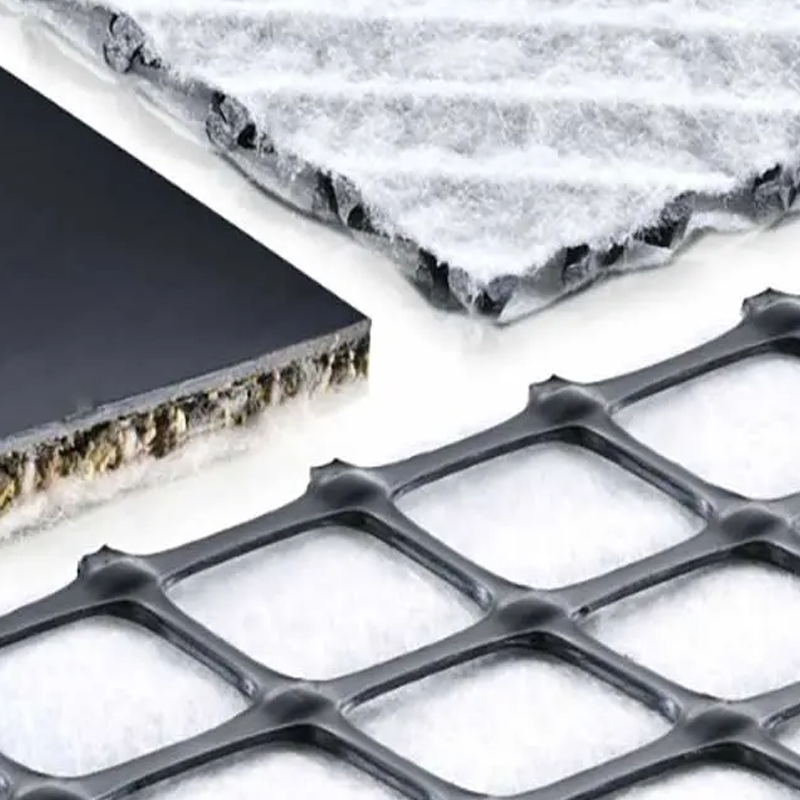
For concrete foundations, the surface should also be smooth and free of sharp edges. An HDPE pool liner and protective geotextile system can provide additional protection where direct contact with the substrate may damage the membrane.
Where Can HDPE Liners Be Used?
Applications extend beyond pools.
Typical uses include:
- Water reservoirs
- Landscape ponds
- Irrigation ponds
- Aquaculture ponds
- Water tanks
- Wastewater lagoons
- Canal lining
- Industrial containment
For reservoir projects, HDPE pool liner systems can help create a low-permeability barrier across large water-storage areas.
For landscape ponds, the same material can provide water containment while adapting to irregular project geometries. However, detailed corners, penetrations, and transitions require careful installation planning.
How Long Does an HDPE Pool Liner Last?
Service life depends on membrane formulation, thickness, installation quality, exposure conditions, chemical environment, and maintenance.
Covered systems generally experience less direct environmental exposure than fully exposed membranes. UV radiation, temperature cycling, mechanical stress, and poor anchoring can all affect long-term performance.
Correct substrate preparation and professional welding can significantly improve reliability. Regular inspections should focus on seams, penetrations, edges, and other high-stress areas.
A properly specified HDPE pool liner can provide long-term water containment when installed and maintained under suitable project conditions.
What Information Is Needed for a Quote?
To receive an accurate quotation, provide:
- Project length, width, and depth
- Total lining area
- Required membrane thickness
- Substrate condition
- Required geotextile protection
- Pipe penetration details
- Required quantity
- Destination country or port
- Project schedule
If the final thickness has not yet been determined, drawings and site information can help the supplier recommend suitable options.
Selecting the Right HDPE Liner System
Choosing an HDPE pool liner requires more than comparing thickness and unit price. Water depth, substrate condition, geometry, welding requirements, protective layers, and the installation environment all influence system performance.
For contractors, importers, and distributors, providing complete project information before ordering helps reduce specification errors and allows the supplier to prepare a more accurate technical and commercial proposal.
Get Free Sample
We’ll respond as soon as possible(within 12 hours)