


+86-159 9860 6917
info@geofantex.com
geofantex@gmail.com
+86-400-8266163-44899
Understanding geocell driveway pros and cons is essential before selecting a ground reinforcement system for residential driveways or commercial access roads. HDPE geocells stabilize gravel, improve load distribution, and help control erosion on weak or sloping ground. However, material costs, subgrade preparation, and installation requirements must also be considered. This guide explains the main advantages, limitations, and technical factors to help contractors and buyers select a suitable geocell solution.
What Is a Geocell Driveway?
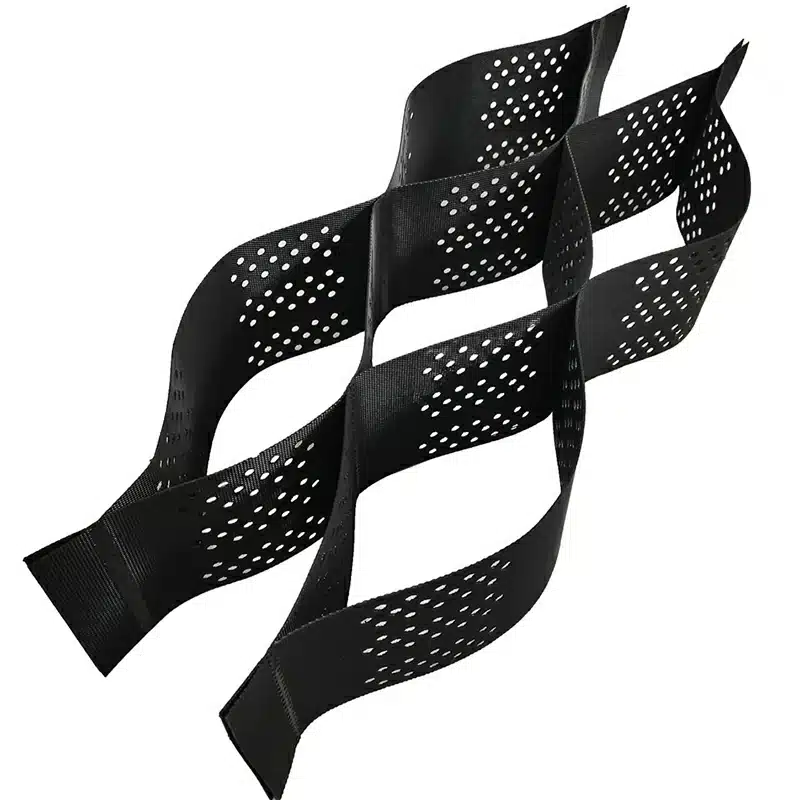
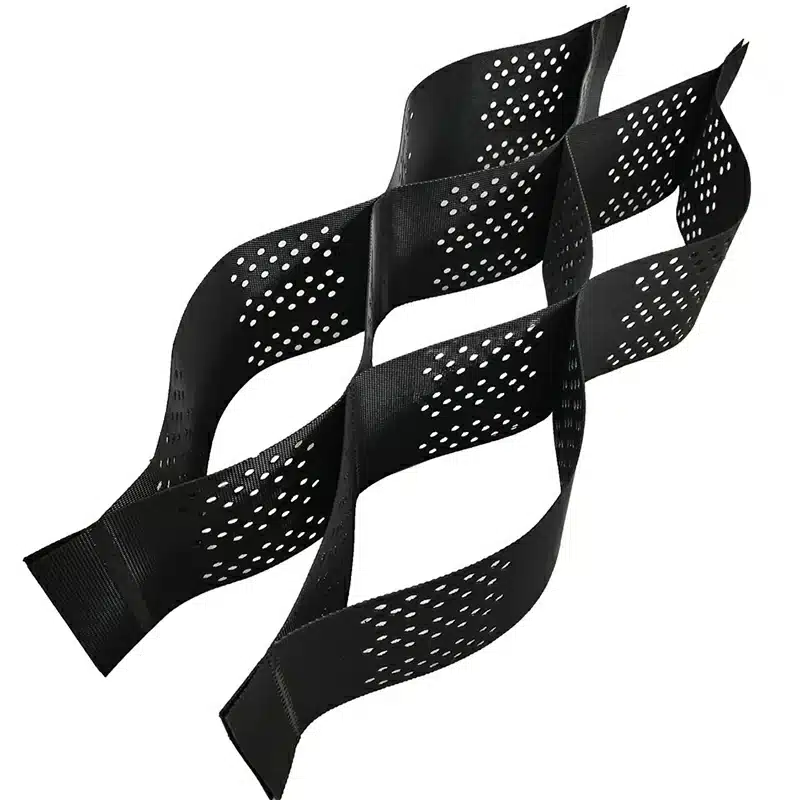
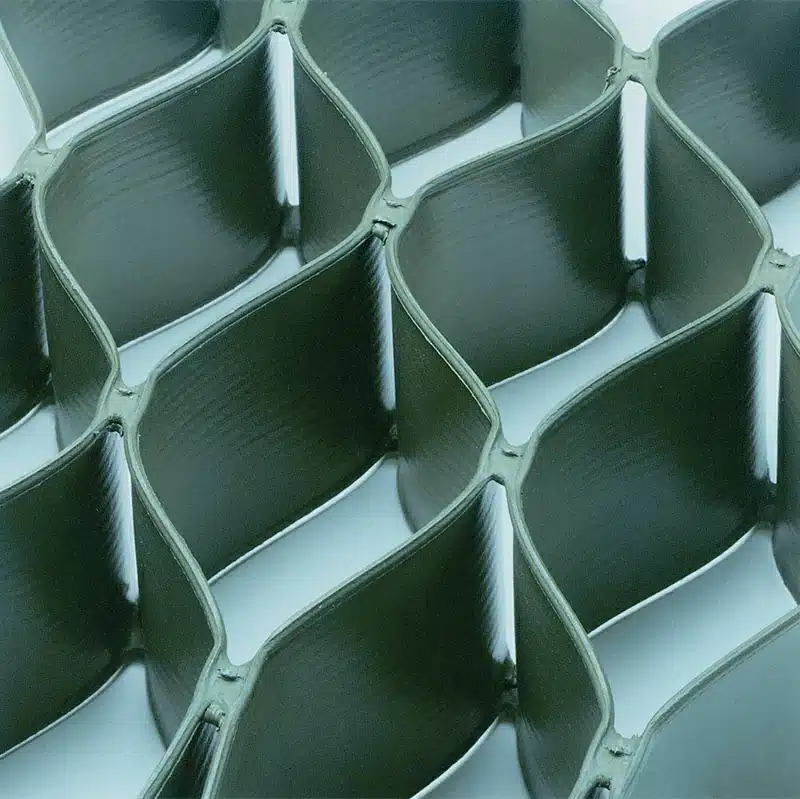
A geocell driveway uses three-dimensional HDPE honeycomb panels filled with gravel or crushed stone to reinforce the driving surface. The interconnected cells restrict lateral aggregate movement, creating a more stable layer under vehicle loads.
Unlike loose gravel, a cellular confinement system helps keep aggregate in place under repeated traffic. It is commonly considered for residential driveways, rural access roads, parking areas, and driveways constructed over weak soils.
Performance depends on cell height, aggregate quality, subgrade strength, and drainage design.
Geocell Driveway Pros and Cons: Main Advantages
The main advantages of geocell reinforcement are improved stability, aggregate confinement, and reduced maintenance requirements.
Improved Load Distribution
HDPE geocells confine aggregate within individual cells, reducing lateral displacement under vehicle loads. This helps distribute applied loads through the reinforced layer and can reduce rutting on weak subgrades.
Better Gravel Stability
Loose gravel often shifts under repeated braking, turning, and rainfall. Geocell panels hold aggregate in place, helping maintain a more consistent driveway surface.
For additional technical information, explore geocell driveway pros and cons for gravel reinforcement when comparing conventional gravel construction with cellular confinement systems.
Erosion and Drainage Benefits
Geocells help resist aggregate displacement caused by surface runoff, making them useful for sloping driveways.
When filled with permeable aggregate, the system can also support water infiltration. However, drainage performance depends on the underlying soil, aggregate gradation, and drainage infrastructure.
Lower Maintenance Requirements
By reducing gravel migration and surface deformation, properly installed geocells can decrease the frequency of grading and aggregate replacement.
Actual savings depend on traffic intensity, weather conditions, and construction quality.
Geocell Driveway Pros and Cons: Potential Limitations
Despite their structural advantages, geocell systems require careful planning and appropriate material selection.
Higher Initial Investment
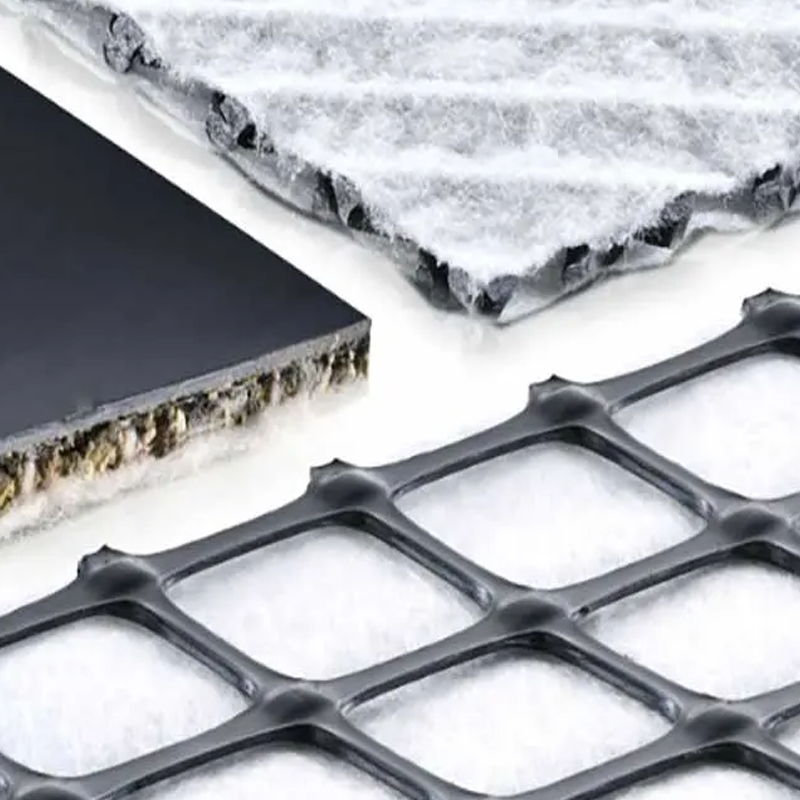
Compared with a basic gravel driveway, geocell construction involves additional material costs for HDPE panels, anchoring accessories, and potentially a geotextile separation layer.
However, reduced maintenance and improved surface stability may offset some upfront expenses over time.
Subgrade Preparation Requirements
Geocells cannot fully compensate for unsuitable ground conditions. Soft spots, organic material, and drainage problems should be addressed before installation.
Proper grading, subgrade preparation, and aggregate compaction remain essential.
Aggregate and Installation Considerations
Angular crushed stone generally provides better mechanical interlock than rounded gravel. Panels must also be expanded, secured, and filled according to the manufacturer’s recommendations.
Review geocell driveway pros and cons for installation planning to understand how ground conditions and construction methods influence performance.
Geocell Driveway vs. Traditional Gravel Driveway
| Feature | Geocell Driveway | Traditional Gravel Driveway |
|---|---|---|
| Load distribution | Improved through cellular confinement | Depends on aggregate and base properties |
| Gravel movement | Restricted by cell walls | More susceptible to displacement |
| Erosion resistance | Improved with proper design | Limited on exposed slopes |
| Initial cost | Higher | Lower |
| Maintenance | Potentially less frequent | May require regular grading |
| Installation | Requires panel placement | Simpler construction |
For stable ground with occasional passenger vehicle traffic, conventional gravel may be sufficient. Geocells become more attractive when weak soils, repeated loading, or aggregate movement create ongoing maintenance problems.
How to Choose the Right HDPE Geocell
Selecting suitable geocells requires evaluating several technical factors:
- Cell height: Select based on pavement design, subgrade conditions, and expected loading.
- Material properties: Verify HDPE quality, cell wall thickness, and connection strength.
- Aggregate infill: Use properly graded material compatible with the cell dimensions.
- Traffic requirements: Consider passenger cars, pickup trucks, delivery vehicles, and traffic frequency.
- Drainage conditions: Evaluate runoff, soil permeability, and any required drainage measures.
For projects involving heavier traffic or unstable ground, an engineering assessment is recommended.
Is a Geocell Driveway Worth It?
A geocell driveway can be a practical investment when gravel displacement, erosion, or weak subgrade conditions affect long-term performance.
The decision should consider installation costs, expected vehicle loads, drainage requirements, and maintenance expenses rather than product price alone.
For contractors, distributors, and project buyers, understanding geocell driveway pros and cons for HDPE product selection helps identify suitable specifications before procurement.
Contact Geofantex Geosynthetics with your project dimensions, soil conditions, expected traffic loads, and required cell specifications to request a technical recommendation and quotation.

Get Free Sample
We’ll respond as soon as possible(within 12 hours)