

+86-159 9860 6917
info@geofantex.com
geofantex@gmail.com
+86-400-8266163-44899
Choosing the right geocell for a gravel driveway helps contractors and project buyers improve aggregate stability, reduce rutting, and control erosion. HDPE cellular confinement systems reinforce gravel surfaces by restricting lateral aggregate movement under vehicle loads. For residential driveways, commercial entrances, and rural access roads, selecting appropriate cell dimensions, aggregate infill, and installation methods is essential for reliable performance.
What Is a Geocell for a Gravel Driveway?
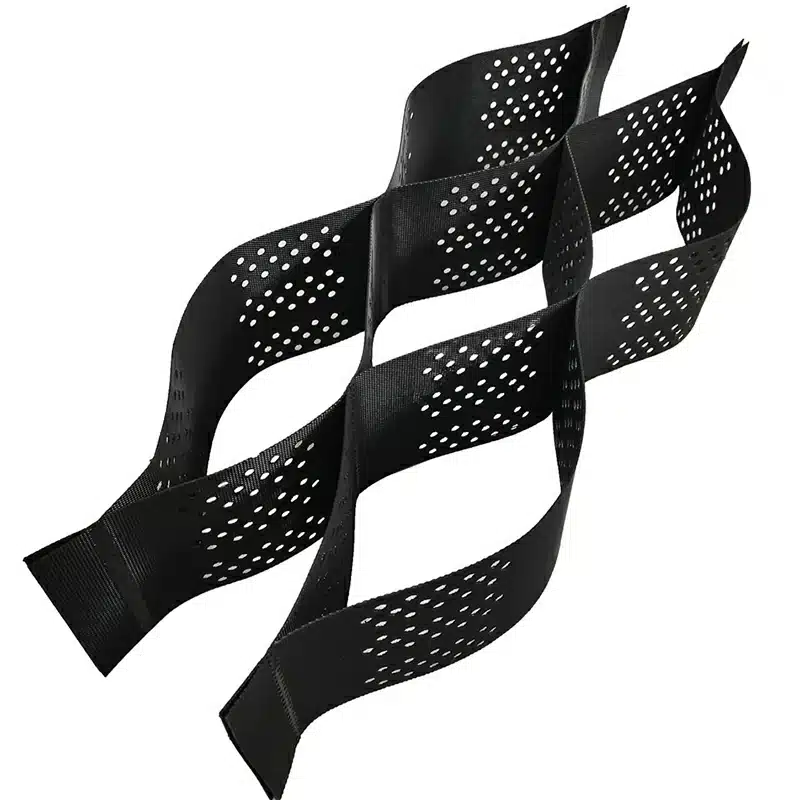
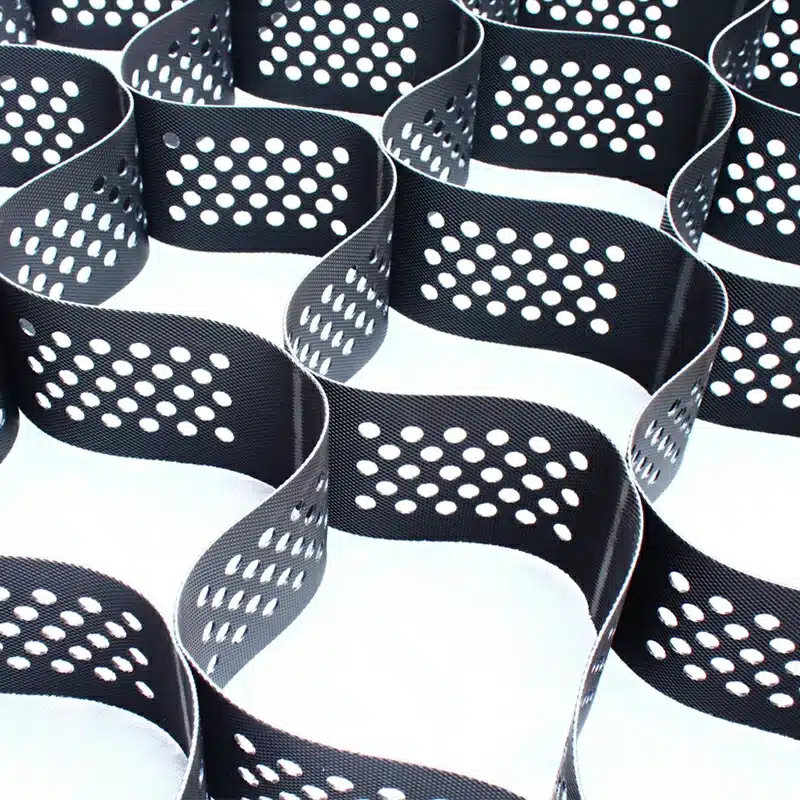
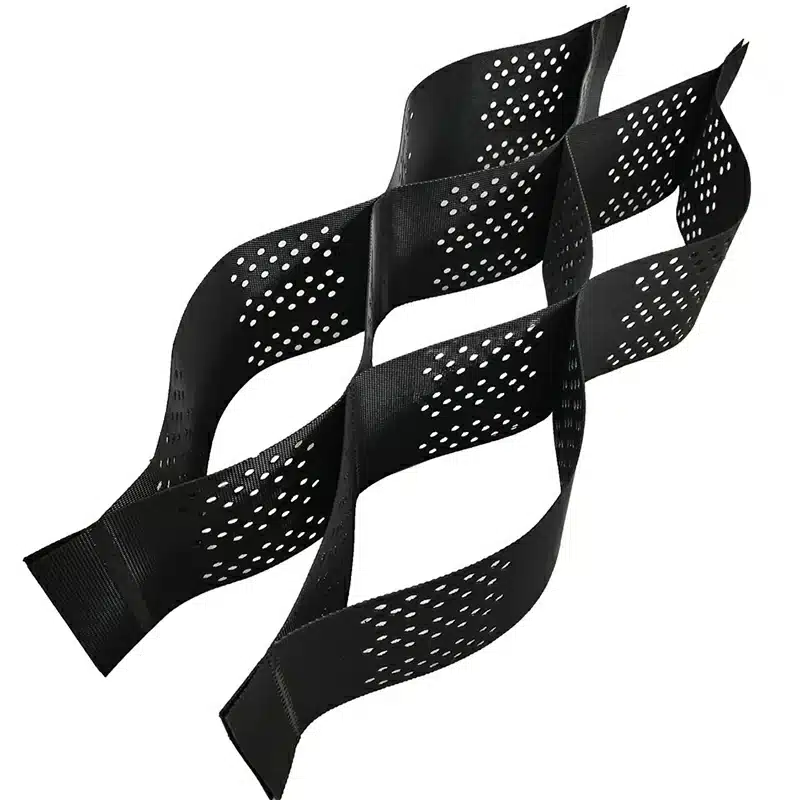
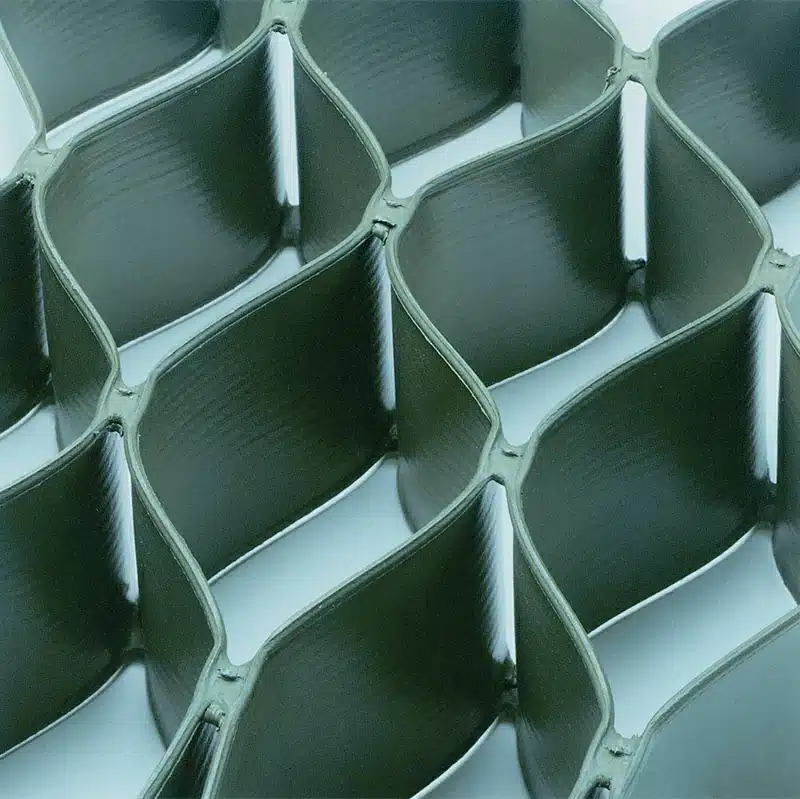
A geocell is a three-dimensional cellular confinement system typically manufactured from high-density polyethylene (HDPE). When expanded, interconnected polymer strips form a honeycomb structure that can be filled with gravel or crushed stone.
The cell walls restrict lateral aggregate movement, creating a more stable reinforced layer over the prepared subgrade.
Unlike conventional gravel construction, geocell reinforcement improves aggregate confinement and helps maintain surface stability under repeated traffic.
How Does Geocell Reinforcement Improve Gravel Stability?
Traditional gravel driveways rely primarily on aggregate interlock and compaction. Under repeated vehicle loads, loose aggregate can shift, causing rutting and uneven surfaces.
Geocell reinforcement addresses these problems through three mechanisms:
- Load Distribution: Cellular confinement helps distribute vehicle loads through the reinforced aggregate layer.
- Aggregate Retention: Cell walls restrict lateral movement caused by braking, turning, and repeated traffic.
- Surface Stability: Confined aggregate helps maintain a consistent driving surface and reduces maintenance requirements.
For additional technical details, explore geocell for a gravel driveway reinforcement solutions to understand how cellular confinement improves aggregate performance.
What Are the Benefits of Geocells Under Gravel?
HDPE geocell systems offer several advantages for gravel driveway construction.
- Improved Stability: Cellular confinement stabilizes aggregate layers over weak or variable subgrades.
- Reduced Rutting: Restricting lateral gravel movement helps minimize wheel-track deformation.
- Erosion Resistance: Confined aggregate is less susceptible to displacement caused by rainfall and surface runoff.
- Drainage Compatibility: Permeable aggregate can support water infiltration when combined with appropriate drainage design.
- Lower Maintenance: Reduced gravel migration may decrease the frequency of grading and aggregate replacement.
These advantages make geocells particularly useful for driveways experiencing repeated surface instability.
How to Install Geocell for a Gravel Driveway
Proper installation is essential for achieving the intended reinforcement performance.
Step 1: Prepare the Subgrade
Remove vegetation and unsuitable soil. Grade and compact the underlying ground according to project requirements. Soft areas may require additional treatment.
Step 2: Install a Geotextile Separator
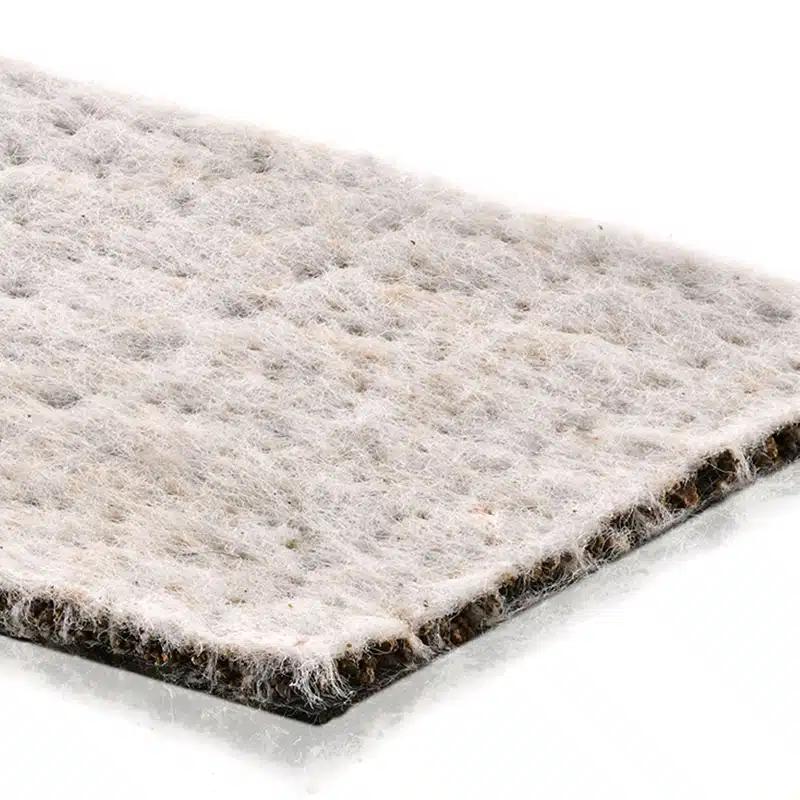
Where specified, place a suitable geotextile over the prepared subgrade to prevent aggregate from mixing with the underlying soil.
Step 3: Expand and Secure the Geocell Panels
Expand the HDPE panels to their specified dimensions. Secure them with appropriate anchors, connectors, or edge restraints to maintain cell geometry.
Step 4: Place the Aggregate Infill
Fill the cells with suitable crushed stone or gravel. Angular aggregate is generally preferred for load-bearing applications because it provides effective mechanical interlock.
Step 5: Compact the Surface
Compact the aggregate using appropriate equipment. Add a finishing layer where required and maintain the specified drainage profile.
For installation planning, review geocell for a gravel driveway installation requirements before selecting materials and construction methods.
What Geocell Specifications Should Buyers Compare?
Selecting the correct HDPE geocell requires evaluating technical properties and site conditions.
Important specifications include:
- Cell Height: Determines the depth of aggregate confinement.
- Cell Dimensions: Affect infill compatibility and confinement performance.
- Wall Thickness: Influences the mechanical properties of the cellular structure.
- Weld Strength: Indicates the strength of connections between polymer strips.
- HDPE Properties: Affect flexibility, durability, and environmental resistance.
- Panel Dimensions: Influence installation efficiency and material quantities.
Product selection should reflect subgrade bearing capacity, vehicle loads, aggregate properties, and drainage requirements.
Can Geocells Support Heavy Vehicles?
Geocell-reinforced gravel driveways can accommodate heavier vehicles when the pavement structure is properly designed.
Performance depends on subgrade strength, axle loads, traffic frequency, aggregate quality, and reinforced layer thickness.
For pickup trucks, delivery vehicles, and agricultural machinery, engineers should evaluate the entire pavement structure rather than relying on geocell specifications alone.
How Much Does Geocell Reinforcement Cost?
The cost of a driveway reinforced with geocells depends on cell specifications, project area, aggregate requirements, and installation conditions.
Major expenses include HDPE panels, crushed stone, subgrade preparation, geotextiles, anchoring materials, labor, and transportation.
Although geocells increase initial material costs compared with basic gravel construction, improved aggregate confinement may reduce long-term maintenance expenses.
How to Choose a Geocell Supplier
Contractors and procurement managers should evaluate product specifications, technical documentation, manufacturing consistency, available panel dimensions, and delivery capabilities.
When requesting a quotation, provide the driveway area, expected vehicle loads, subgrade conditions, required cell dimensions, order quantity, and shipping destination.
Explore geocell for a gravel driveway bulk supply options to identify suitable HDPE products for your project.
A properly selected geocell for a gravel driveway can improve aggregate stability, reduce rutting, and support long-term surface performance. Successful installation depends on suitable geocell specifications, adequate subgrade preparation, appropriate aggregate infill, and effective drainage design.
Geofantex Geosynthetics supplies HDPE geocell materials for driveway reinforcement, access roads, and ground stabilization projects. Contact Geofantex with your technical requirements and project dimensions to request product specifications and a customized quotation.
Get Free Sample
We’ll respond as soon as possible(within 12 hours)