

+86-159 9860 6917
info@geofantex.com
geofantex@gmail.com
+86-400-8266163-44899
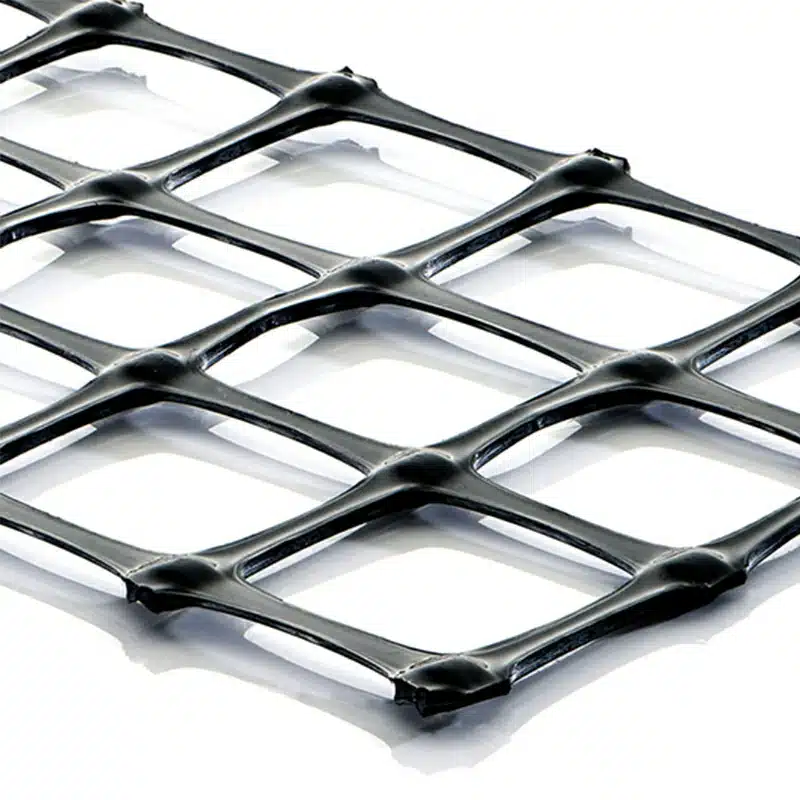
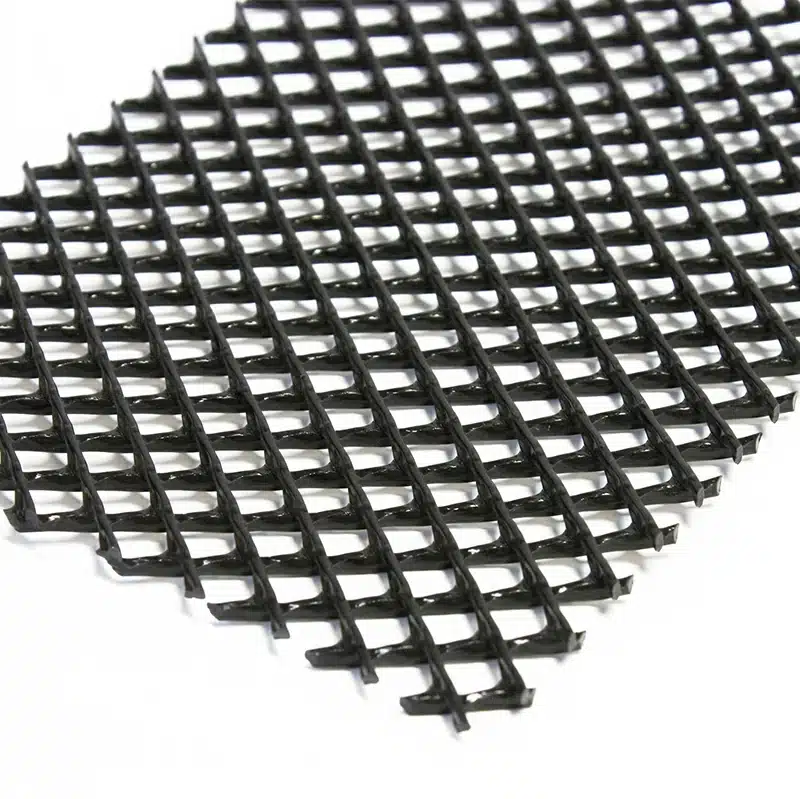
How thick is a geonet is a common question from engineers, contractors, and purchasing managers looking for reliable drainage solutions. The right thickness directly affects water flow capacity, compressive strength, and long-term performance. Understanding the appropriate specification helps buyers select the most cost-effective geonet for highway, retaining wall, landfill, mining, and civil engineering projects.
How Thick Is a Geonet for Highway Drainage Projects?
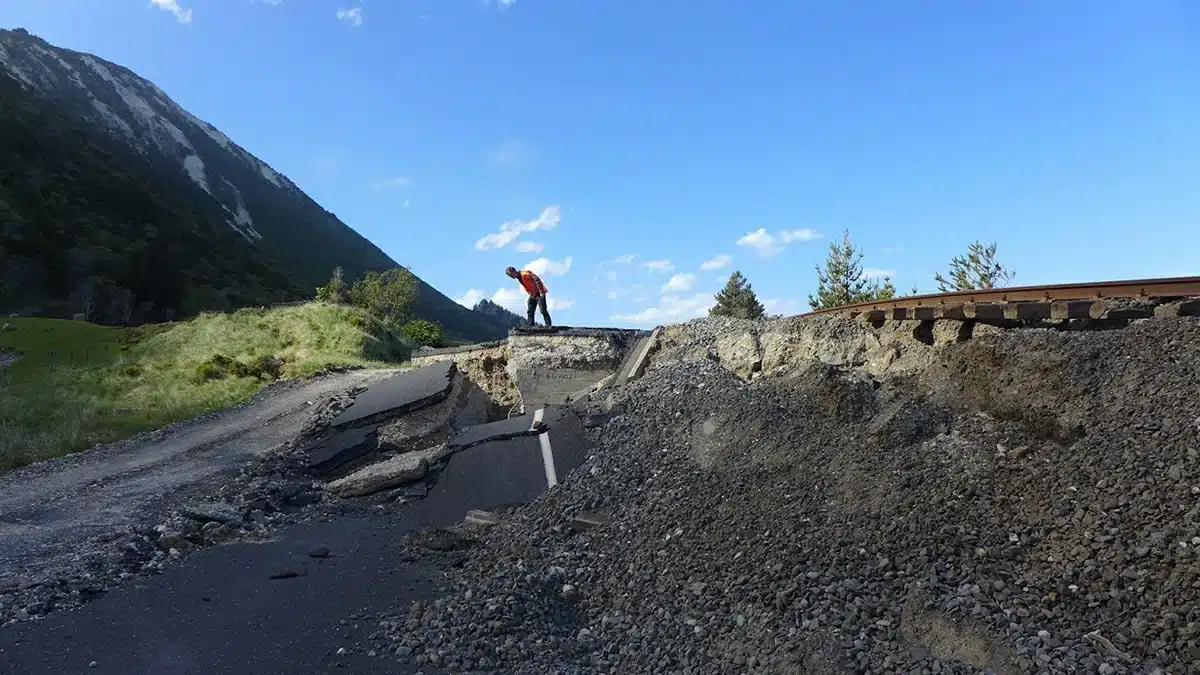
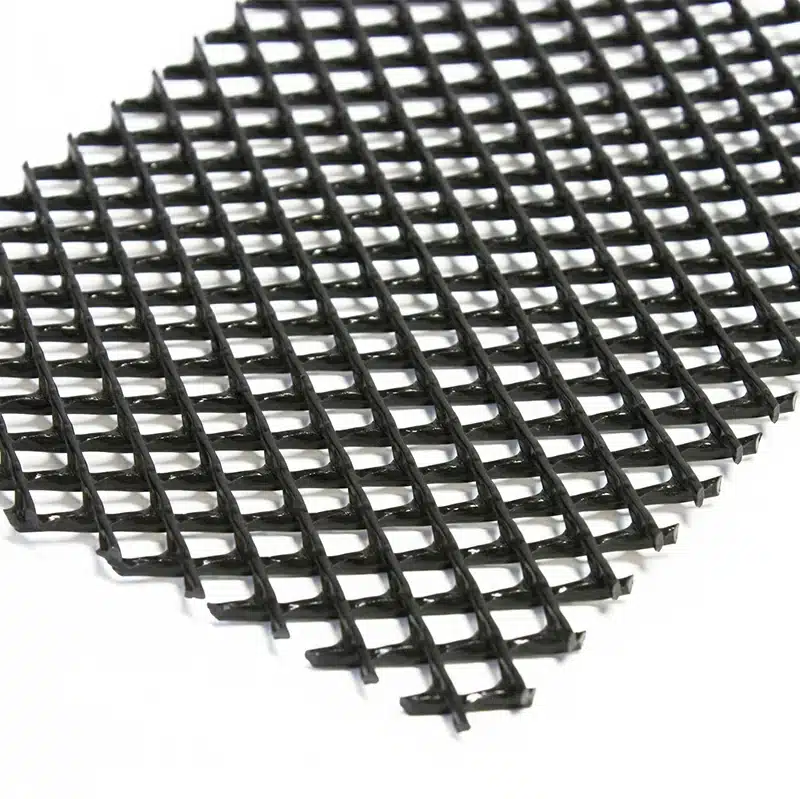
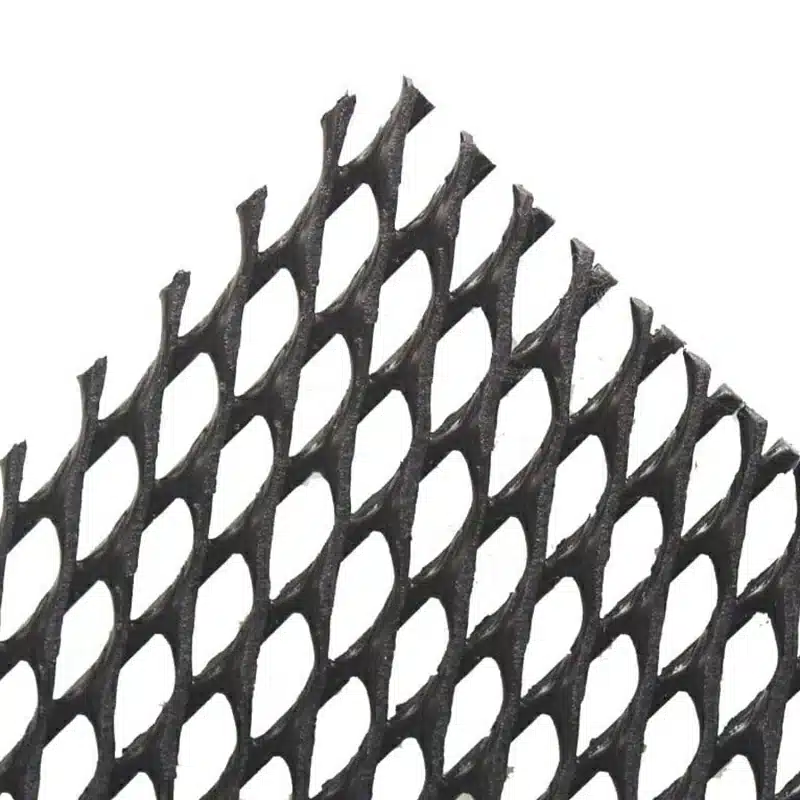
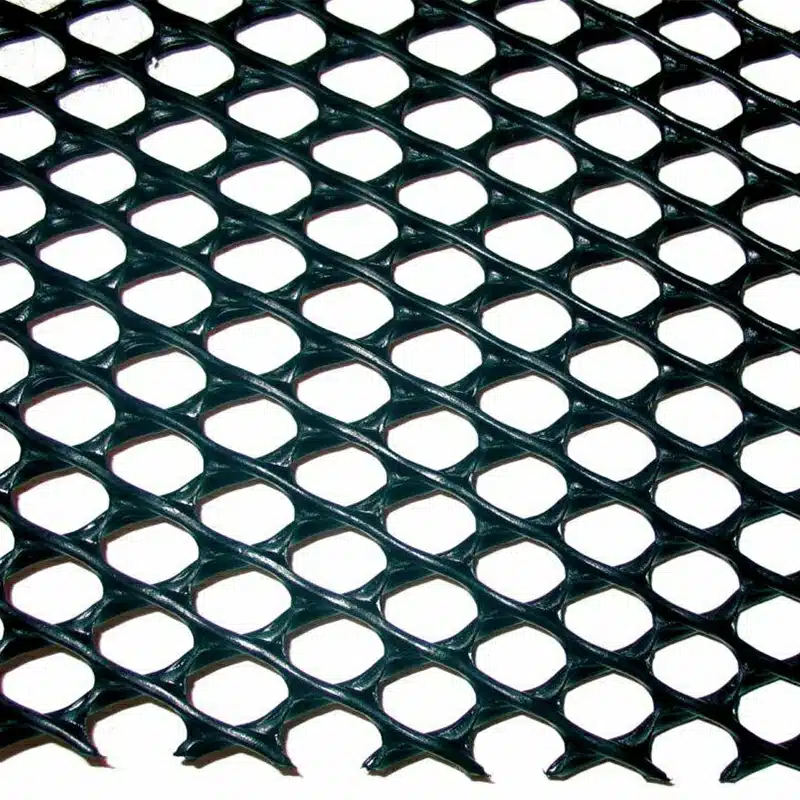
The appropriate product depends on the hydraulic requirements and loading conditions of each project. Standard HDPE geonets are commonly manufactured in thicknesses ranging from 4 mm to 10 mm. Heavy-duty drainage cores are also available for applications that require greater load-bearing capacity.
For highway construction, geonets are installed beneath road structures to quickly collect and discharge groundwater, reducing hydrostatic pressure and protecting pavement integrity. Engineers typically evaluate several factors before selecting the appropriate product:
- In-plane flow capacity
- Long-term compressive strength
- Soil loading
- Chemical resistance
- Expected service life
Choosing the correct thickness ensures stable drainage performance while avoiding unnecessary material costs.
How Thick Is a Geonet for Retaining Wall Drainage?
Retaining walls require efficient drainage to relieve water pressure behind the structure. Selecting the right drainage material helps maintain stability and extends the service life of the wall.
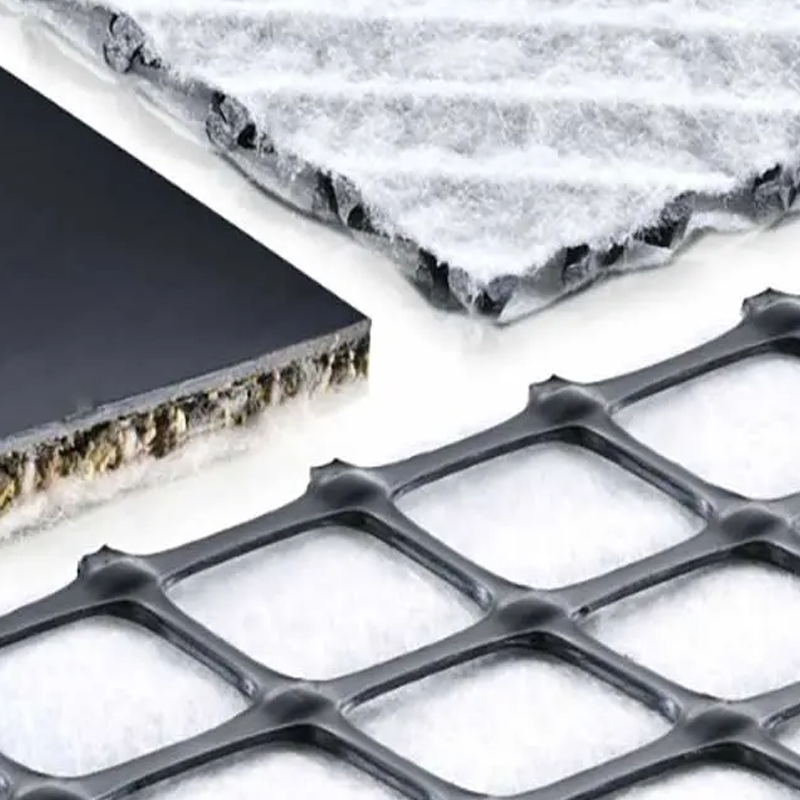
Geonet drainage composites are frequently combined with nonwoven geotextiles to create an integrated filtration and drainage system. This combination helps prevent soil clogging while maintaining continuous water flow over many years.
For retaining wall applications, product selection is typically based on:
- Wall height
- Backfill pressure
- Rainfall conditions
- Drainage discharge requirements
- Design safety factors
Properly selected geonet systems reduce maintenance costs and improve the long-term stability of retaining structures.
Factors That Influence Geonet Thickness Selection
Selecting the right geonet involves much more than choosing the thickest product available. Professional manufacturers recommend evaluating the complete project environment before making a purchasing decision.
Important considerations include:
- Required drainage transmissivity
- Vertical loading after installation
- Installation method
- Chemical exposure
- Service life expectations
- Applicable engineering standards
For large infrastructure projects, laboratory testing and engineering calculations are often used to verify hydraulic performance under actual loading conditions.
For buyers seeking additional technical information, our comprehensive guide on how thick is a geonet for drainage systems explains how hydraulic performance changes with different drainage core structures.
Why Manufacturing Quality Matters
Even when two products share the same nominal thickness, their field performance can vary depending on raw materials and manufacturing quality.
A professional geosynthetics manufacturer provides:
- 100% virgin HDPE raw materials
- Stable production quality
- ISO-certified manufacturing
- Custom sizes and specifications
- Factory-direct pricing
- Complete quality inspection reports
- Global export experience
These advantages help contractors minimize installation risks while ensuring long-term drainage performance.
If your project requires customized specifications, our engineering resource about how thick is a geonet in different applications provides additional selection guidance for highways, retaining walls, landfills, and mining projects.
How to Choose the Right Supplier
Beyond product specifications, selecting the right supplier plays an important role in project success.
An experienced manufacturer should offer:
- Technical consultation before purchasing
- Customized production based on project drawings
- Fast manufacturing schedules
- Professional export packaging
- Worldwide logistics support
- Responsive after-sales service
Working directly with a factory can improve product consistency, shorten delivery times, and reduce procurement costs for international buyers.
To compare specifications before purchasing, explore our professional advice on how thick is a geonet for your next project and discuss your project requirements with our technical team.
When evaluating how thick is a geonet, there is no single universal answer. The ideal thickness depends on drainage capacity, loading conditions, hydraulic performance, and project design requirements. Choosing products from an experienced geosynthetics manufacturer ensures reliable performance, consistent quality, and long service life across highway, retaining wall, landfill, mining, and environmental engineering applications.
Whether you require standard geonets or customized drainage composites, working with a trusted manufacturing partner helps maximize project performance while optimizing your investment.
Get Free Sample
We’ll respond as soon as possible(within 12 hours)