


+86-159 9860 6917
info@geofantex.com
geofantex@gmail.com
+86-400-8266163-44899
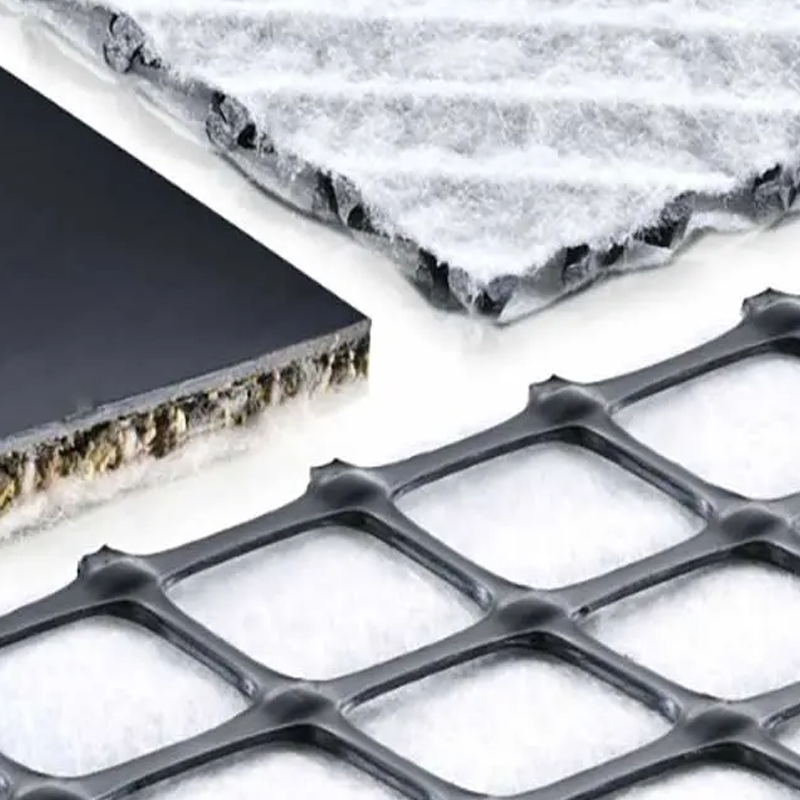
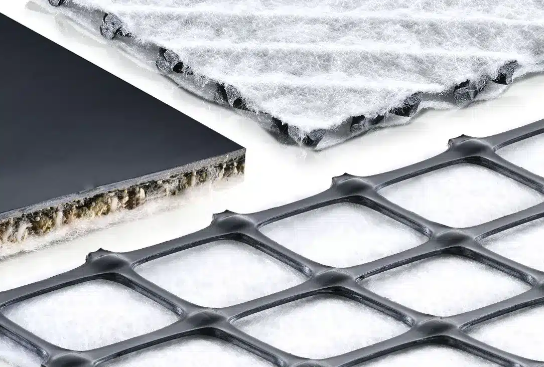
Geocomposite drainage system is a high-efficiency solution for retaining walls, landfills, and infrastructure projects requiring reliable subsurface water control. This guide helps buyers understand installation methods, application scenarios, and performance advantages to ensure long-term stability, durability, and cost-effective drainage performance.
What Is a Geocomposite Drainage System and Why Is It Essential in Civil Engineering?
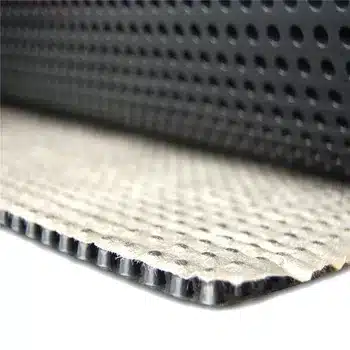
- Excavate: Excavate the trench behind the retaining wall to the required depth and width, ensuring the surface is smooth, stable, and free of sharp objects that could damage the geocomposite drain.
- Prepare the Base: Level and lightly compact the excavation surface to create uniform contact for the geocomposite drain panel and ensure consistent drainage performance.
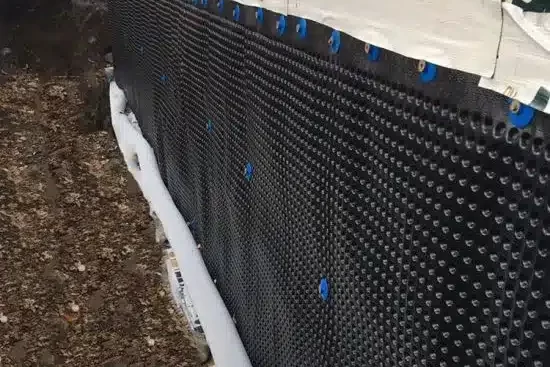
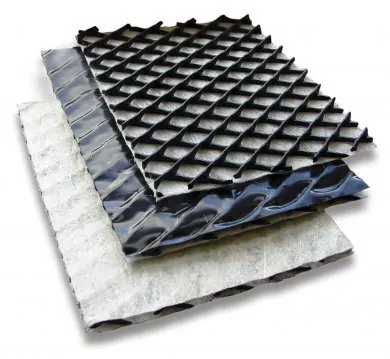
- Install the Geocomposite Drain: Place the geocomposite drain vertically against the back of the retaining wall, with the geotextile filter side facing the soil; ensure panels are installed continuously with proper overlaps or connections to maintain an uninterrupted drainage path.
- Connect to Drain Outlet: Direct the bottom of the geocomposite drain to a suitable outlet, such as a perforated drain pipe or weep hole system, allowing collected water to discharge freely away from the wall.
- Place Backfill: Backfill the retained soil in layers, taking care not to displace or damage the geocomposite drain; ensure soil is placed evenly to maintain close contact between the drain and the wall.
- Compact: Compact each backfill layer according to design requirements to improve soil stability while avoiding excessive pressure on the drainage panel.
- Finish the Wall: Continue constructing the retaining wall as designed, confirming that the geocomposite drain remains properly positioned and unobstructed throughout the process.
By providing integrated drainage and filtration in a single system, geocomposite drains efficiently relieve hydrostatic pressure, reduce construction time, and significantly improve the long-term performance and durability of retaining walls.
Singapore Changi Airport Runway Expansion
In another case, the expansion of the Singapore Changi Airport runway employed geocomposite drainage systems to ensure rapid removal of stormwater beneath pavements. This application reduced pore water pressures and enhanced the pavement’s load-bearing capacity, thus extending its service life and reducing maintenance costs.
Where Are Geocomposite Drainage Systems Used?
Geocomposite drainage systems have been successfully applied in large-scale infrastructure and environmental engineering projects worldwide. The following real-world cases highlight their performance, reliability, and long-term value:
- Singapore Changi Airport Runway Expansion
- Application: Subsurface pavement drainage
- Key Benefit: Rapid stormwater removal beneath runway structures
- Engineering Impact:
- Reduced pore water pressure
- Improved load-bearing capacity
- Extended pavement service life
- Lowered long-term maintenance costs
- Puente Hills Landfill, California
- Application: Landfill liner protection and leachate management
- Key Benefit: Controlled and efficient leachate drainage
- Engineering Impact:
- Protected geomembrane liners from mechanical damage
- Prevented environmental contamination
- Improved regulatory compliance and system longevity
- Retaining Walls and Slopes (Global Use)
- Application: Hydrostatic pressure relief behind structures
- Key Benefit: Integrated drainage and filtration in a single layer
- Engineering Impact:
- Enhanced slope stability
- Reduced risk of wall failure
- Faster installation compared to traditional gravel drains
These examples confirm that geocomposite drainage systems are a versatile and sustainable drainage solution. Their ability to combine filtration, drainage, and protection makes them ideal for complex civil engineering environments where performance, space efficiency, and durability are critical.
These cases demonstrate the versatility and reliability of geocomposite drainage systems as a sustainable solution in infrastructure projects worldwide, addressing complex drainage challenges with cost-effective and efficient geosynthetic technology.
Get Free Sample
We’ll respond as soon as possible(within 12 hours)