

+86-159 9860 6917
info@geofantex.com
geofantex@gmail.com
+86-400-8266163-44899
Is geotextile permeable is a key technical question for engineers and buyers selecting materials for drainage, filtration, and soil stabilization projects. In geosynthetics applications, permeability determines whether water can pass through efficiently while retaining soil particles, directly affecting project durability and hydraulic safety.
Is geotextile permeable and how does it work in soil systems?
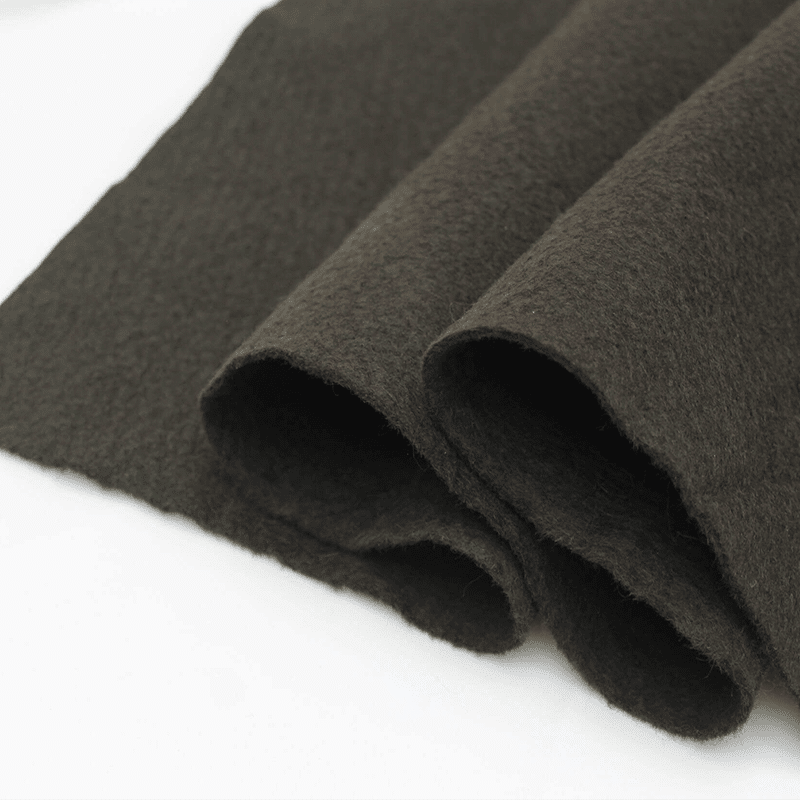
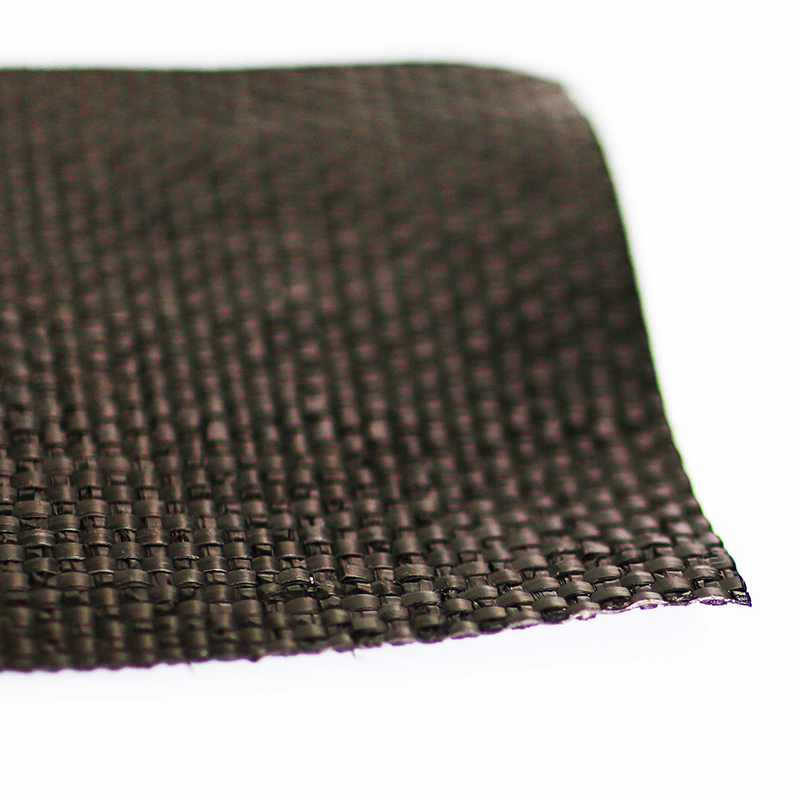
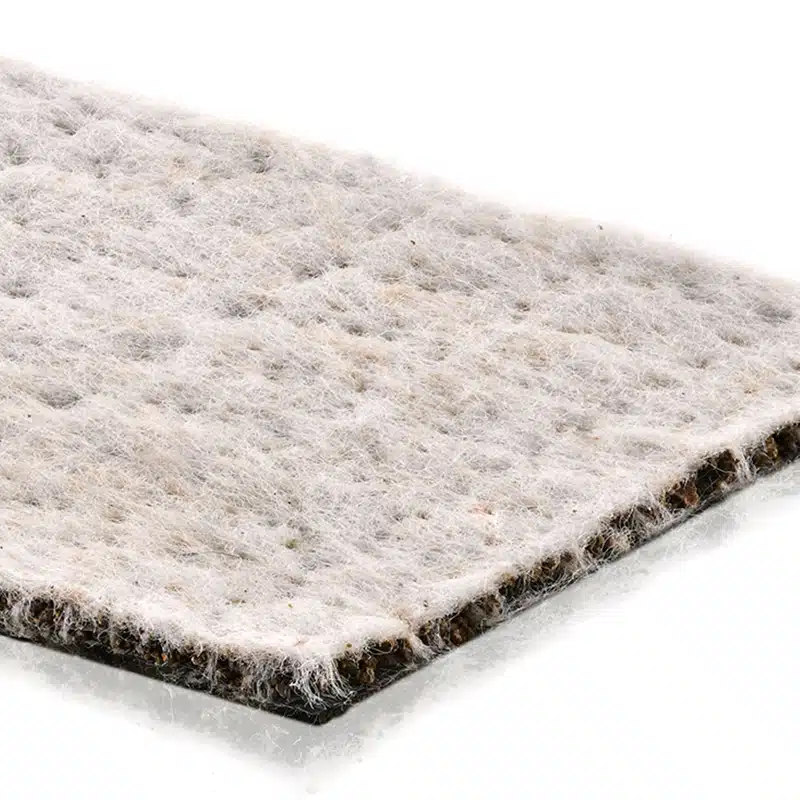
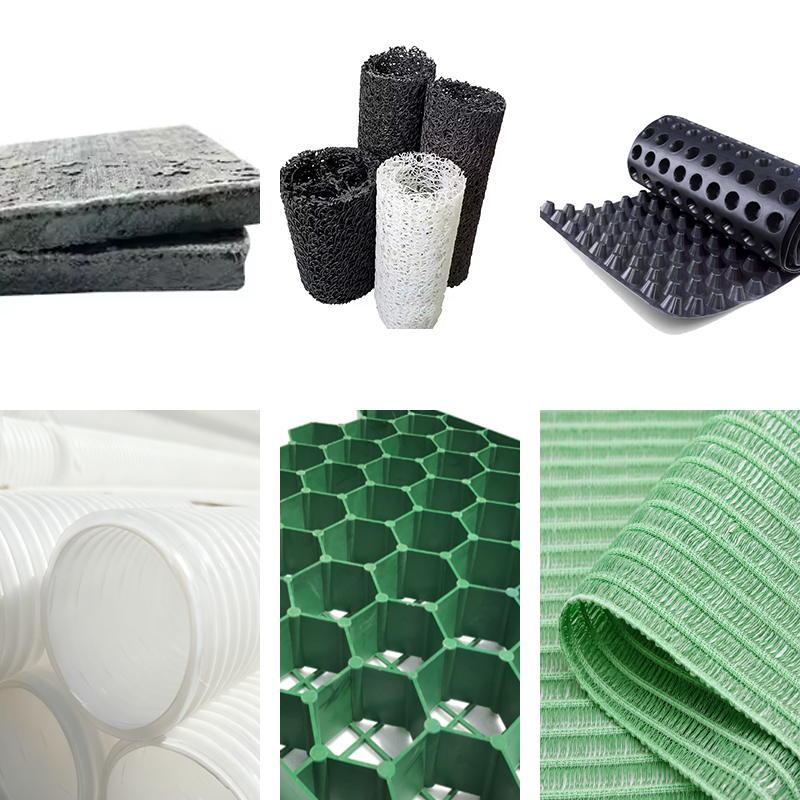
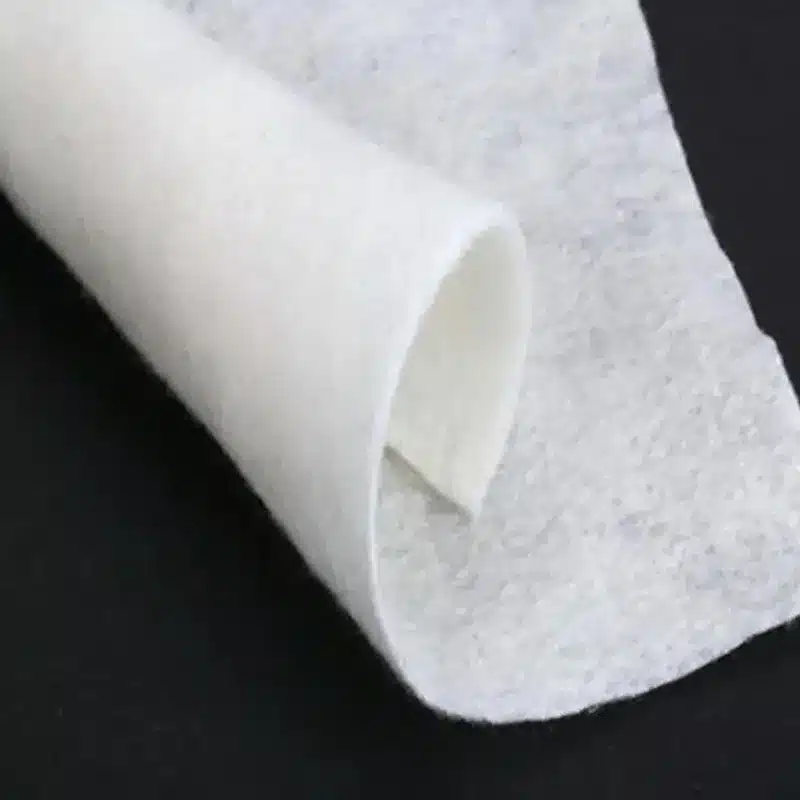
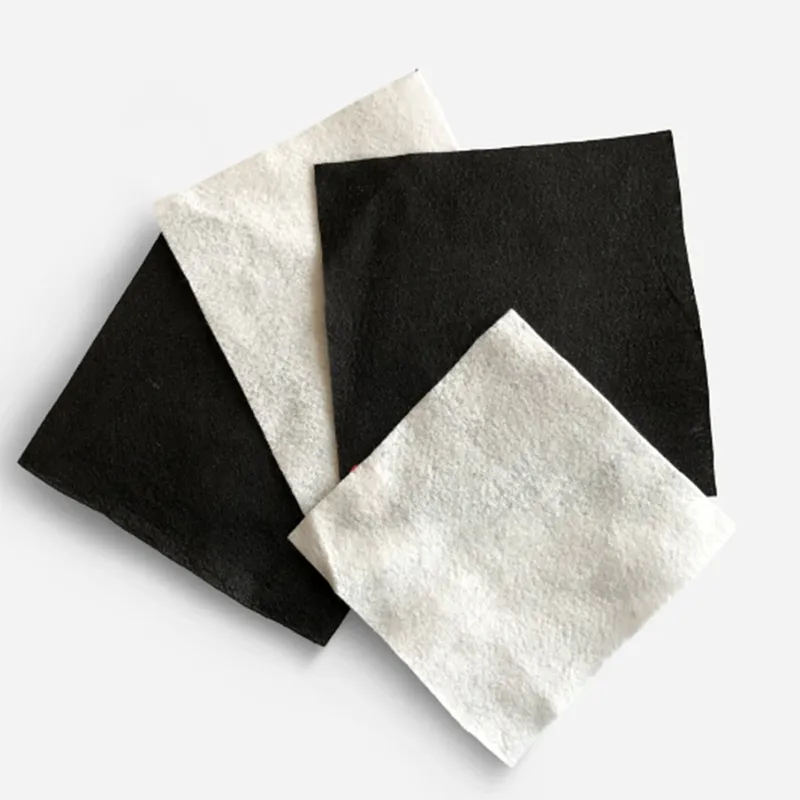
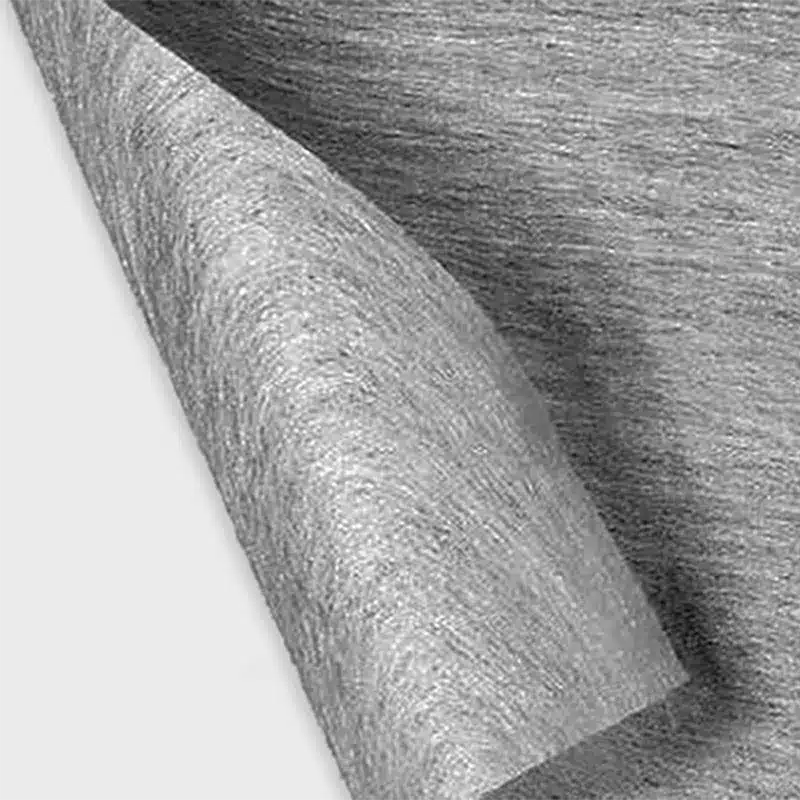
Geotextiles are engineered materials that allow controlled water flow while preventing soil migration. Manufacturers typically produce them using polypropylene or polyester fibers. Common structures include nonwoven needle-punched and woven fabrics.
Inside the material, a network of pores creates a filtration mechanism. Water flows through these openings, while fine soil particles remain in place. As a result, geotextiles are widely used in separation layers beneath roads, embankments, and drainage systems.
In engineering practice, performance is usually evaluated through permittivity, which measures vertical water flow rather than simple void ratio.
Why does is geotextile permeable matter in geosynthetics design?
Permeability plays a critical role in the long-term performance of infrastructure systems. It directly influences how water moves through soil structures and how pressure builds up underground.
Key functions influenced by permeability include:
- Road base drainage efficiency
- Subsurface water pressure reduction
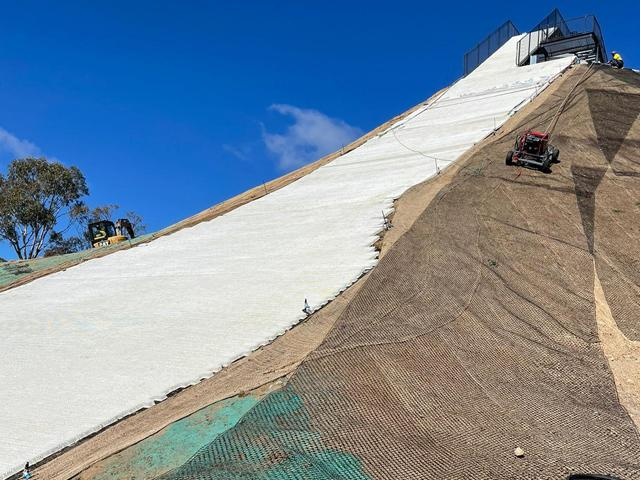
- Soil erosion control on slopes
- Filtration in retaining structures
Therefore, selecting the right material is essential to avoid clogging, drainage failure, or long-term structural damage.
What factors influence geotextile permeability performance in the field?
Several technical and environmental factors affect how well geotextiles perform under real conditions:
- Apparent Opening Size (AOS) and pore distribution
- Soil gradation and fine particle content
- Installation damage during construction
- Long-term clogging and biological growth
- Hydraulic gradient conditions
For example, nonwoven geotextiles generally maintain higher permeability under variable soil conditions compared to woven structures.
Where is geotextile permeability most important in engineering applications?
This property becomes especially important in environments where water management is critical and failure could lead to structural damage.
Typical applications include:
- Highway and railway subgrade drainage
- Retaining wall back drainage systems
- Landfill leachate filtration layers
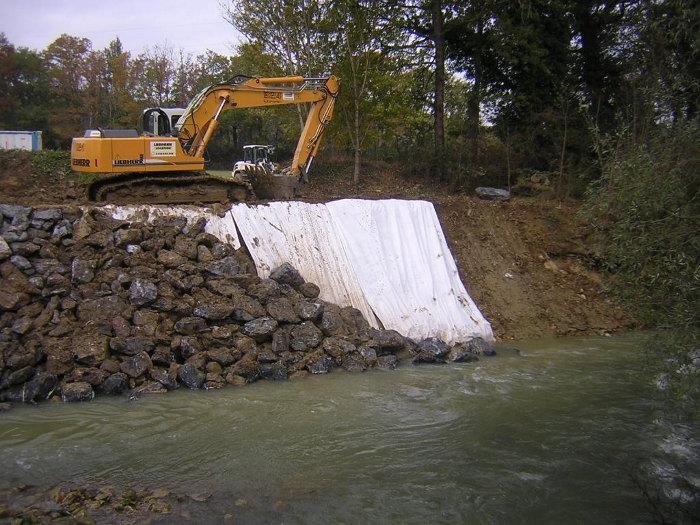
- Riverbank and coastal erosion protection
In slope engineering, permeability ensures that water does not accumulate behind soil structures, reducing landslide risk.
In river engineering, permeability plays a different but equally important role by allowing controlled seepage while preventing soil loss.
How should engineers evaluate geotextile permeability in real projects?
In engineering design, is geotextile permeable should not be treated as a simple yes/no property. Instead, it is a performance balance between:
- Water flow capacity
- Soil retention efficiency
- Anti-clogging performance
- Long-term hydraulic stability
Selecting the correct geotextile requires matching hydraulic conductivity with soil particle size distribution. When properly designed, geotextiles act as a stable filtration interface that improves the lifespan of civil infrastructure.
To optimize results, engineers often combine permeability data with field testing rather than relying solely on laboratory values.
A deeper understanding of geotextile permeability in drainage system design and soil filtration performance helps engineers prevent clogging and ensure long-term stability.
Engineers also rely on advanced geotextile hydraulic behavior analysis for is geotextile permeable applications in civil works to optimize performance under different soil conditions.
For infrastructure projects, optimized geotextile filtration and drainage design based on is geotextile permeable engineering principles ensures both safety and cost efficiency.
Get Free Sample
We’ll respond as soon as possible(within 12 hours)