

+86-159 9860 6917
info@geofantex.com
geofantex@gmail.com
+86-400-8266163-44899
How to choose landscape fabric is an important consideration for gardeners, landscaping contractors, and bulk buyers seeking reliable weed control and soil protection. The right material helps maintain water permeability, reduce weed growth, and simplify garden maintenance. Before purchasing, compare fabric structure, weight, durability, and roll dimensions to find a suitable solution for your landscaping project.
How to Choose Landscape Fabric Based on Material Type
Landscape fabric is commonly manufactured from polypropylene (PP) or polyester (PET). Different manufacturing methods produce materials with distinct mechanical and hydraulic properties.
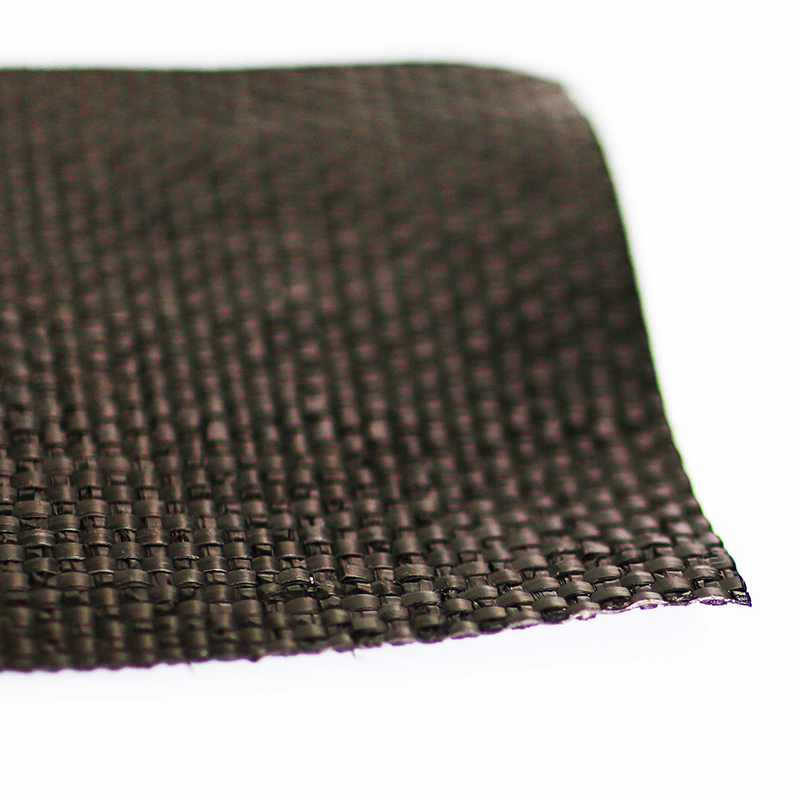
Woven landscape fabric features interlaced synthetic fibers or tapes. It provides good tensile strength and is commonly used beneath gravel pathways, in nurseries, and for weed suppression.
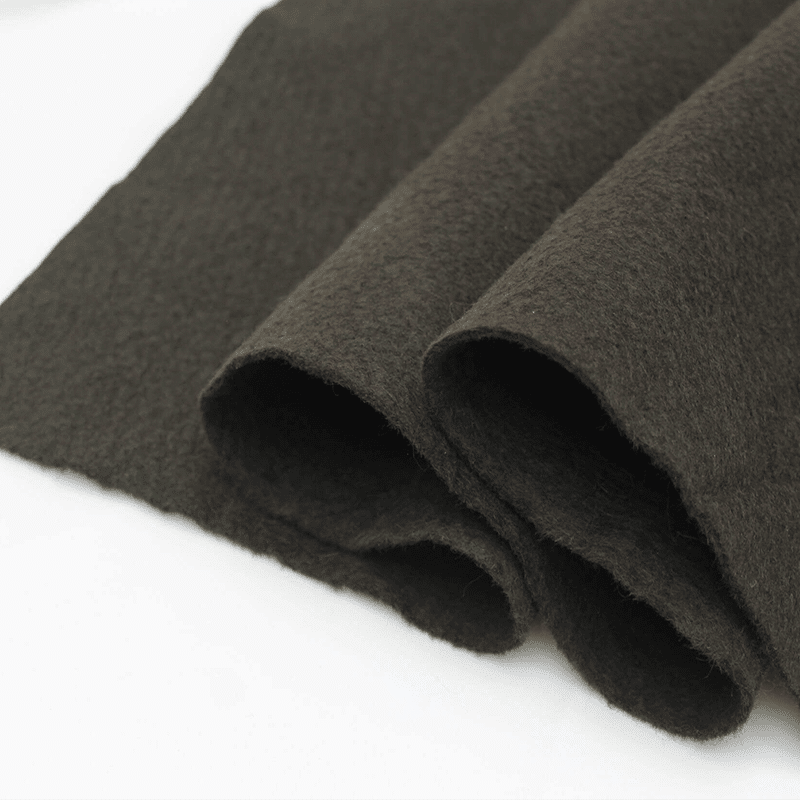
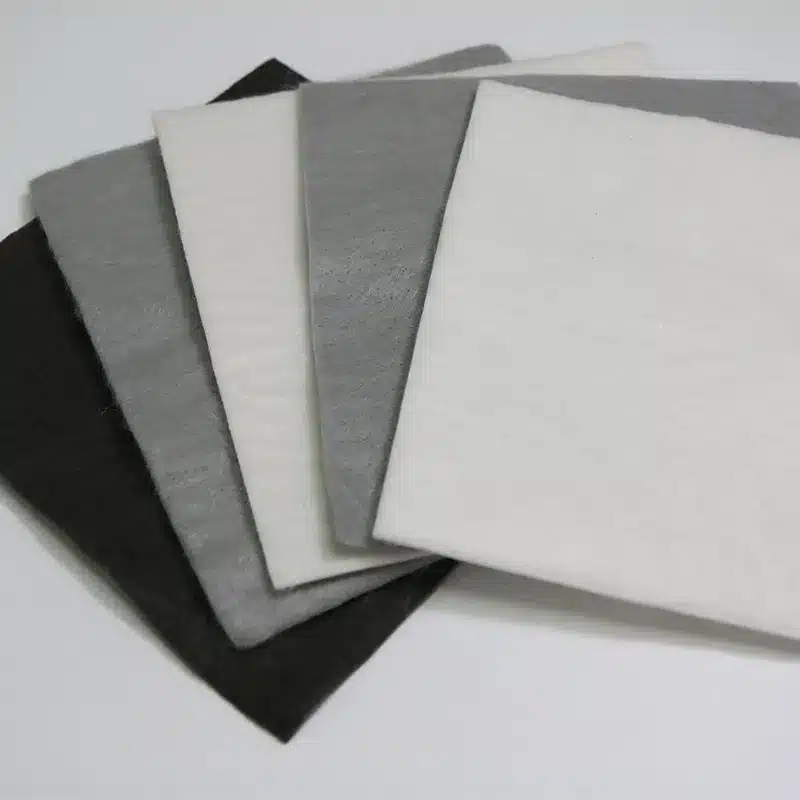
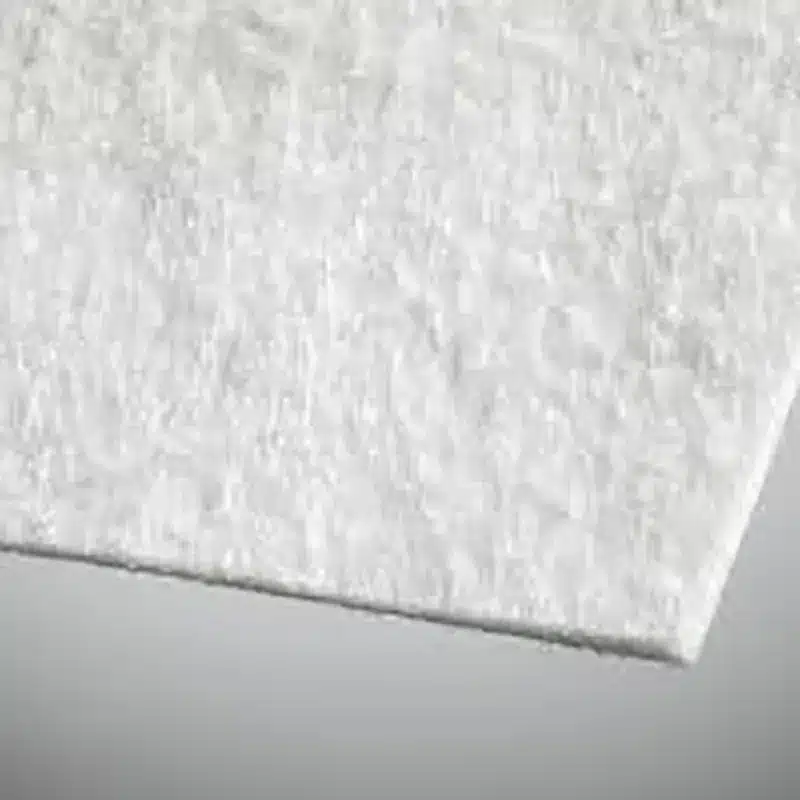
Nonwoven landscape fabric consists of bonded or mechanically entangled fibers. It is often selected for filtration, drainage, and soil separation.
For garden applications, the choice depends on the required balance between weed control, water movement, and mechanical resistance.
Buyers can explore how to choose landscape fabric for weed control and drainage when comparing materials for different ground conditions.
How to Choose Landscape Fabric for Different Garden Applications
Flower Beds and Planting Areas
Garden beds require materials that suppress weeds while allowing irrigation water to reach plant roots.
Permeable woven fabrics can help control weed growth around established shrubs and ornamental plants. However, frequently replanted beds may benefit from alternative weed management methods.
Gravel Pathways and Garden Walkways
Landscape fabric installed beneath decorative gravel helps separate the aggregate from the underlying soil.
Choose materials with sufficient puncture resistance to withstand installation and pedestrian traffic. Proper separation can reduce material mixing and maintain pathway performance.
Nurseries and Greenhouse Areas
Commercial nurseries often require durable ground covers that withstand frequent maintenance and equipment movement.
UV-stabilized woven polypropylene is commonly used in exposed nursery aisles. Its suitability depends on expected sunlight exposure, loading conditions, and maintenance practices.
For larger projects, review how to choose landscape fabric for commercial landscaping projects before determining roll quantities and specifications.
What Weight and Thickness Should You Select?
Fabric weight is commonly expressed in grams per square meter (g/m²). Different weights may suit different landscaping requirements.
Lightweight materials are generally suitable for temporary applications with limited mechanical stress.
Medium-weight fabrics may be appropriate for garden beds and pedestrian pathways.
Heavier products can provide additional resistance to installation damage, depending on their construction.
However, weight alone does not determine durability. Buyers should also compare tensile strength, puncture resistance, and water permeability.
Does Landscape Fabric Allow Water to Pass Through?
Most landscape fabrics are designed to allow water to pass through while limiting weed growth.
Nevertheless, permeability varies according to fiber structure, manufacturing method, and product specifications.
For garden drainage applications, choose a material that allows sufficient water flow while limiting the migration of soil particles.
Accumulated sediment and organic debris may reduce permeability over time. Therefore, proper soil preparation and maintenance remain important.
How to Choose Landscape Fabric for Long-Term Durability
Durability depends on polymer composition, UV stabilization, installation conditions, and environmental exposure.
Polypropylene fabrics can provide reliable performance when manufactured for the intended application.
However, prolonged sunlight exposure may weaken products without adequate UV protection.
Before ordering, review the manufacturer’s technical data sheet and confirm the recommended installation conditions.
Buyers should also consider how to choose landscape fabric based on UV resistance and roll dimensions to reduce material waste and unnecessary replacement.
What Should Buyers Check Before Ordering?
For landscaping contractors, distributors, and project buyers, product selection should consider both technical requirements and purchasing conditions.
Important factors include:
- Material composition and fabric structure.
- Fabric weight and mechanical resistance.
- Water permeability and drainage requirements.
- UV resistance and expected service conditions.
- Roll width, length, and total coverage.
- Packaging, order quantity, and delivery requirements.
Requesting technical specifications before purchasing helps ensure compatibility with the intended application.
Common Mistakes When Choosing Landscape Fabric
One common mistake is selecting fabric based only on weight or thickness. These characteristics do not fully indicate mechanical strength or water permeability.
Another mistake is assuming that all weed barriers are suitable for drainage applications.
Landscape fabrics and engineered geotextiles may look similar, but their specifications and intended functions can differ.
Buyers should also consider UV exposure. Products designed for covered applications may deteriorate faster when left exposed to sunlight.
Finally, choosing roll dimensions without considering the installation area can increase material waste and labor requirements.
Selecting Landscape Fabric for Your Project
Choosing suitable landscape fabric requires balancing weed suppression, drainage, strength, and durability.
For garden beds, pathways, and commercial landscaping, compare material properties rather than relying only on price or fabric weight.
Geofantex provides geotextile solutions for landscaping and civil engineering applications. Contact our team for product specifications, available roll dimensions, and a quotation based on your project requirements.

Get Free Sample
We’ll respond as soon as possible(within 12 hours)