

+86-159 9860 6917
info@geofantex.com
geofantex@gmail.com
+86-400-8266163-44899
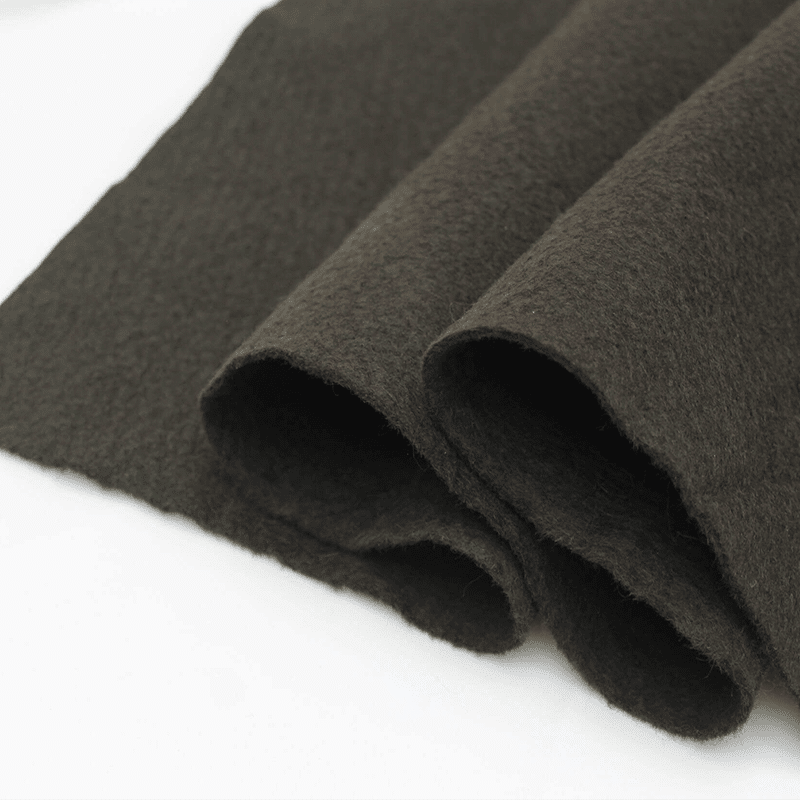
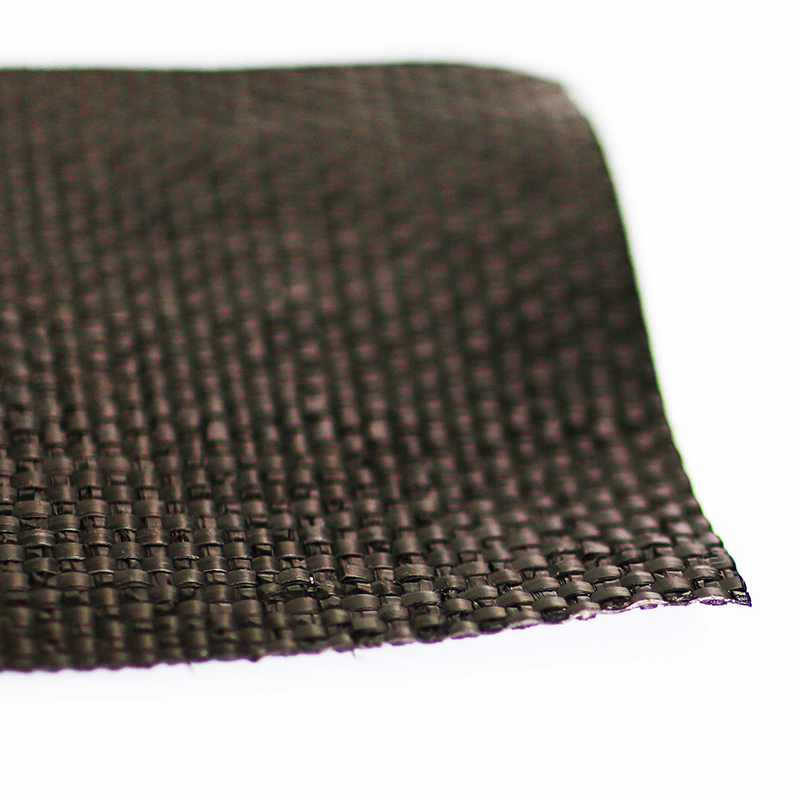
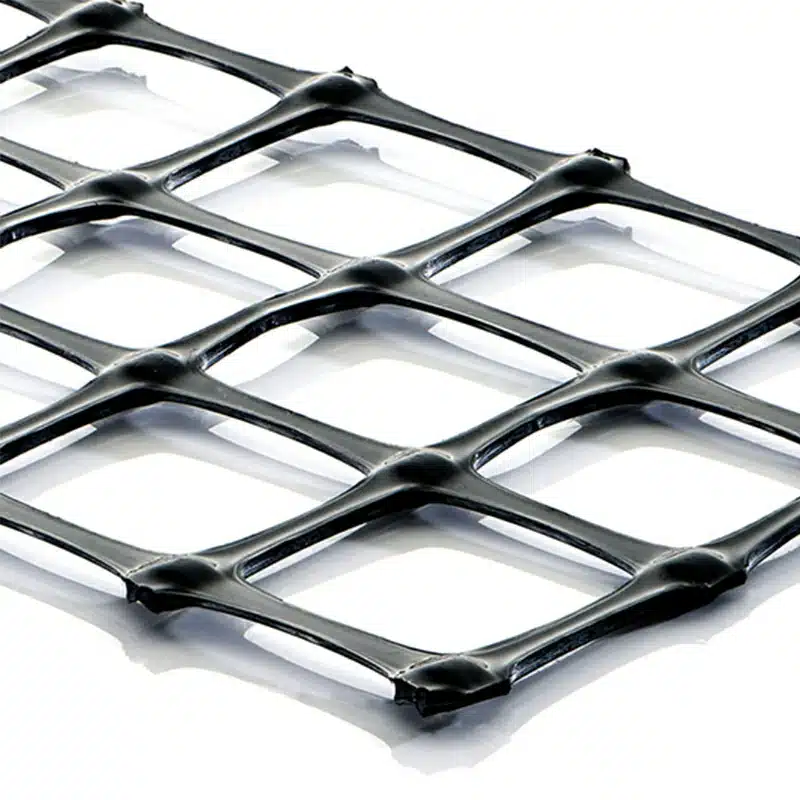
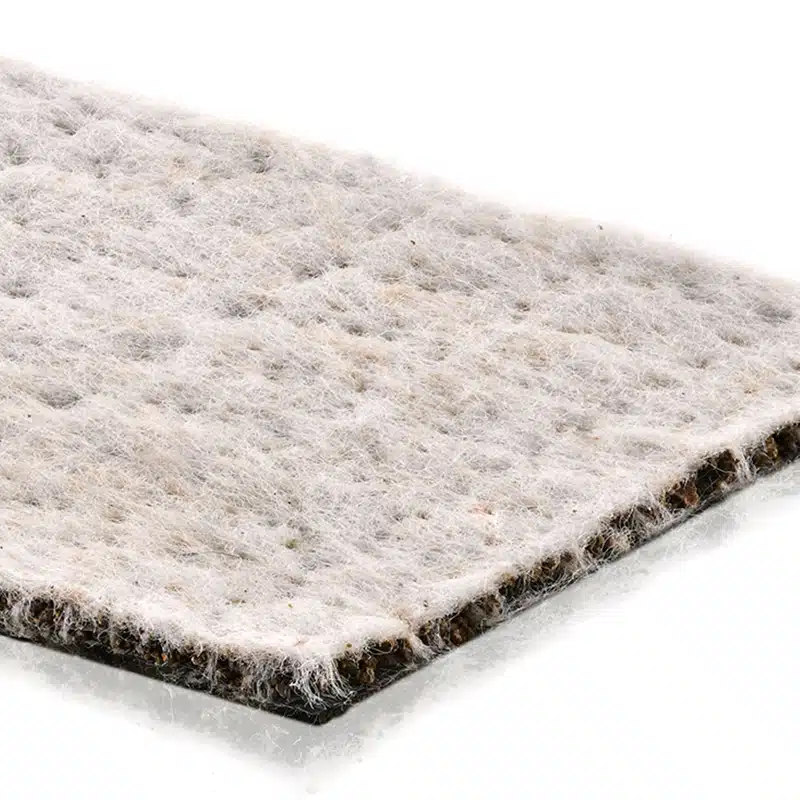
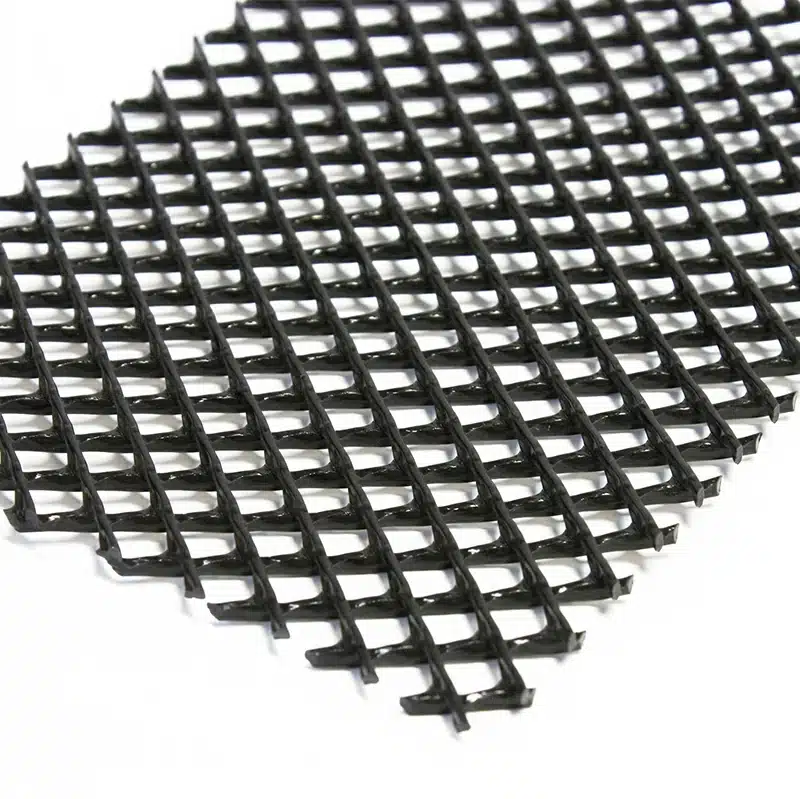
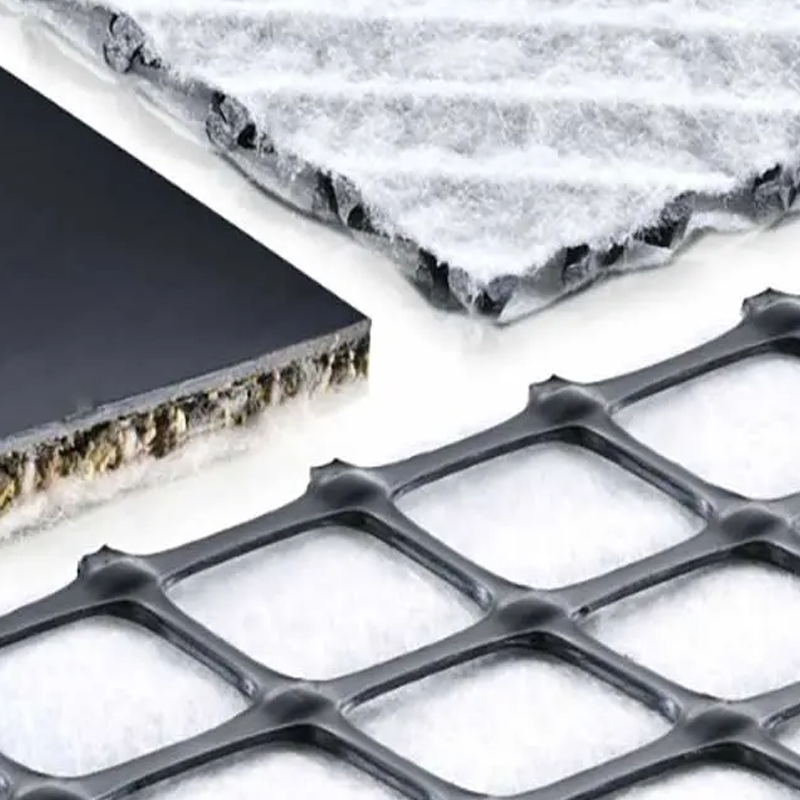
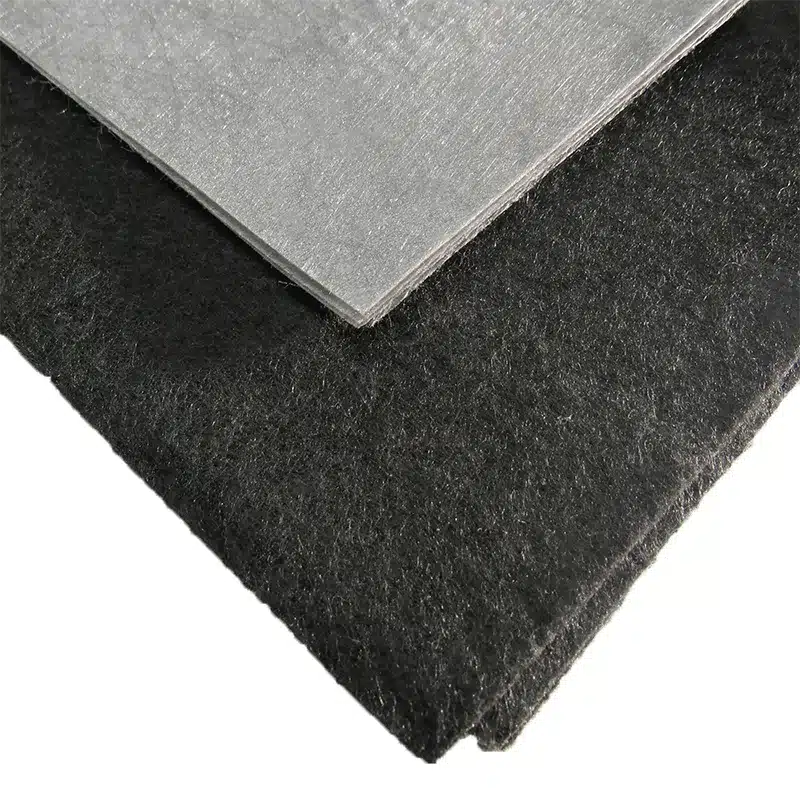
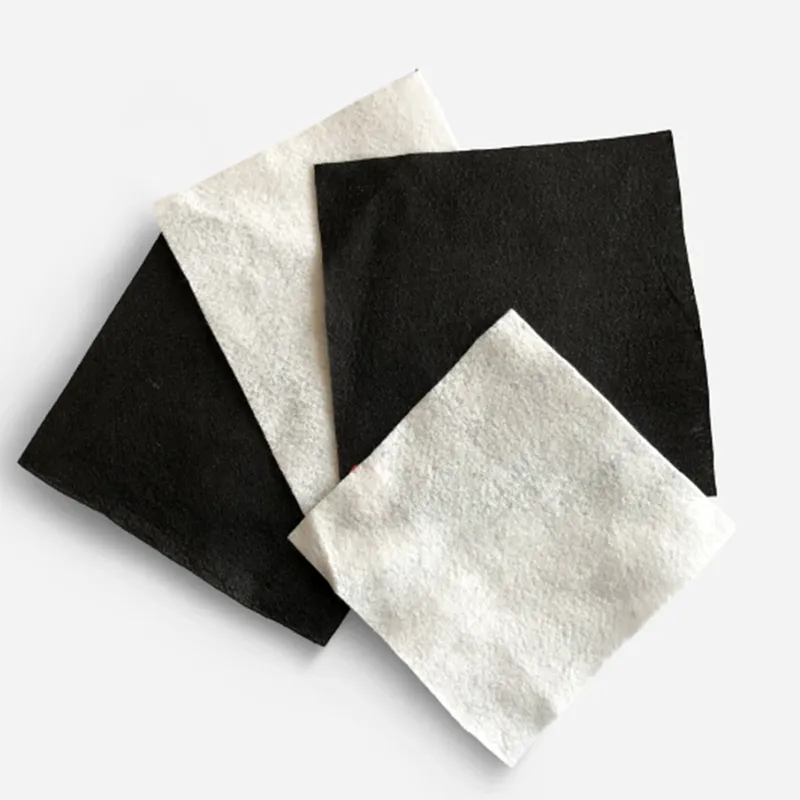
Non woven geotextile fabric plays a critical role in modern geotechnical engineering, offering filtration, separation, drainage, and protection functions across a wide range of civil construction projects. In this case analysis, we examine how non woven geotextile fabric has been successfully applied in road, coastal, and environmental engineering. In many projects, engineers combine this material with other geosynthetics such as woven geotextile, geogrid reinforcement, and geocomposite drainage systems to improve soil stability and hydraulic performance.
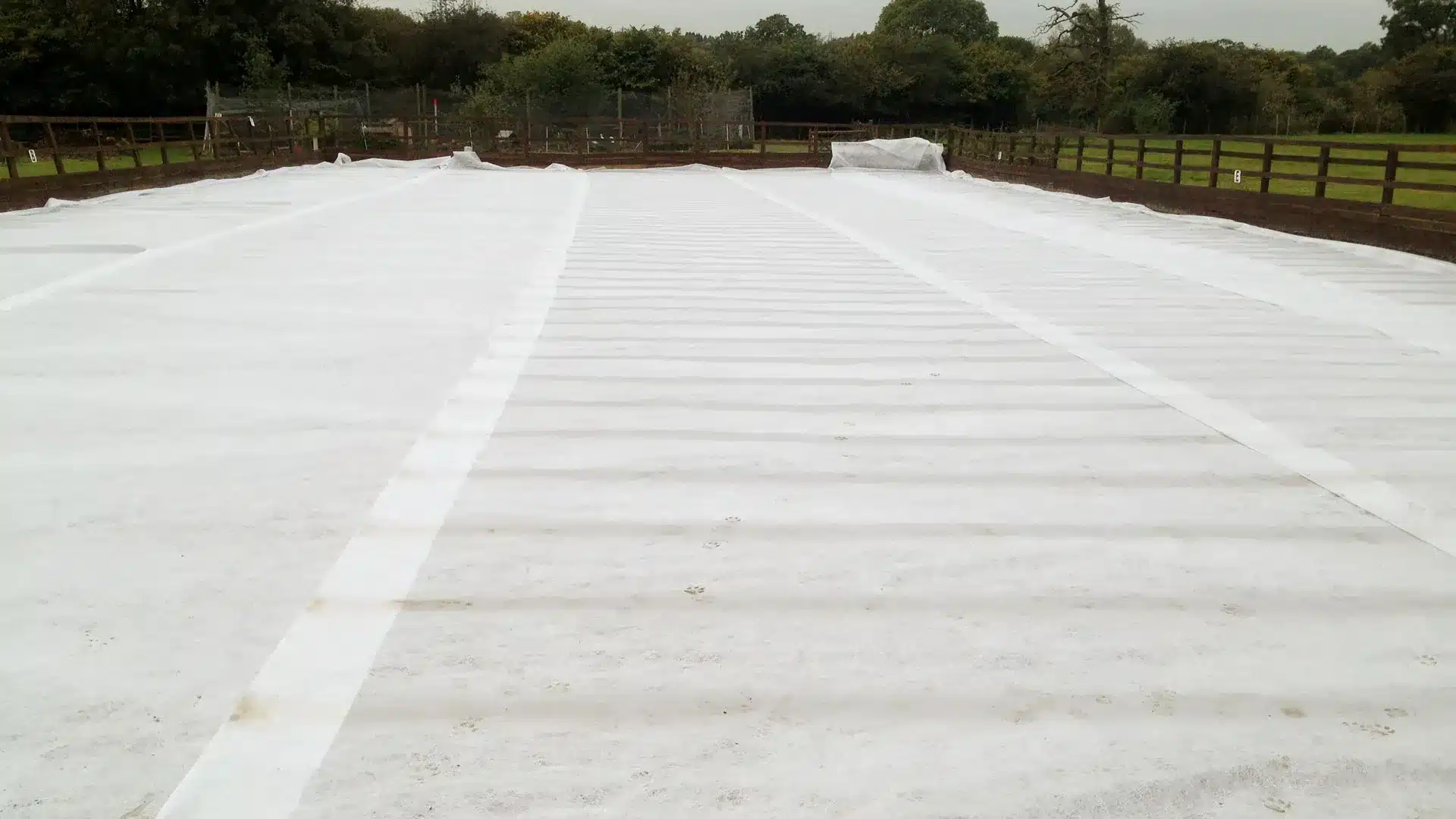
Road Construction Case: Subgrade Stabilization on the Delhi–Meerut Expressway
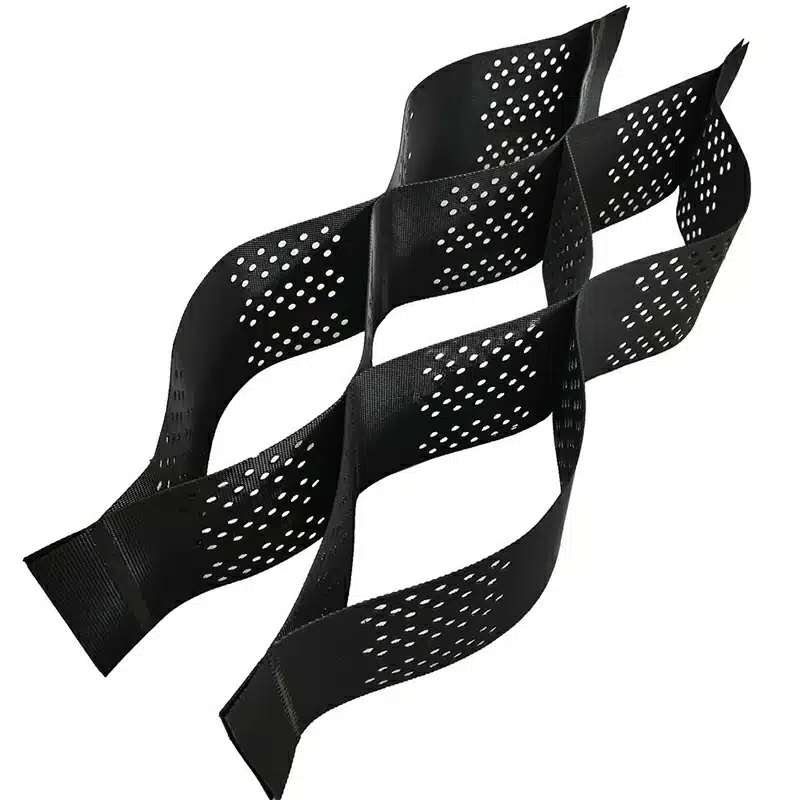
During the expansion of the Delhi–Meerut Expressway, engineers faced severe subgrade instability caused by weak alluvial soil and seasonal moisture. A layer of non woven geotextile fabric was installed between the soft subgrade and granular base to prevent soil–aggregate mixing and maintain drainage under heavy monsoon conditions. In some sections, the design also incorporated geocell stabilization solutions to handle problematic soil pockets. The result was reduced rutting, better load distribution, and a significant decrease in annual repair requirements.
Coastal Protection Case: Storm Surge Reinforcement in New Orleans, USA
After Hurricane Katrina, several shoreline reinforcement projects along the Gulf Coast required reliable filtration and erosion control. Engineers placed nonwoven geotextiles beneath rock armoring to allow controlled water movement while preventing soil loss behind levees. In high-energy marine zones, geotextiles are often paired with nonwoven geotextile and specialized drainage composites to ensure long-term levee stability. This approach helped reduce scouring damage and strengthened coastal defense systems through consecutive storm seasons.
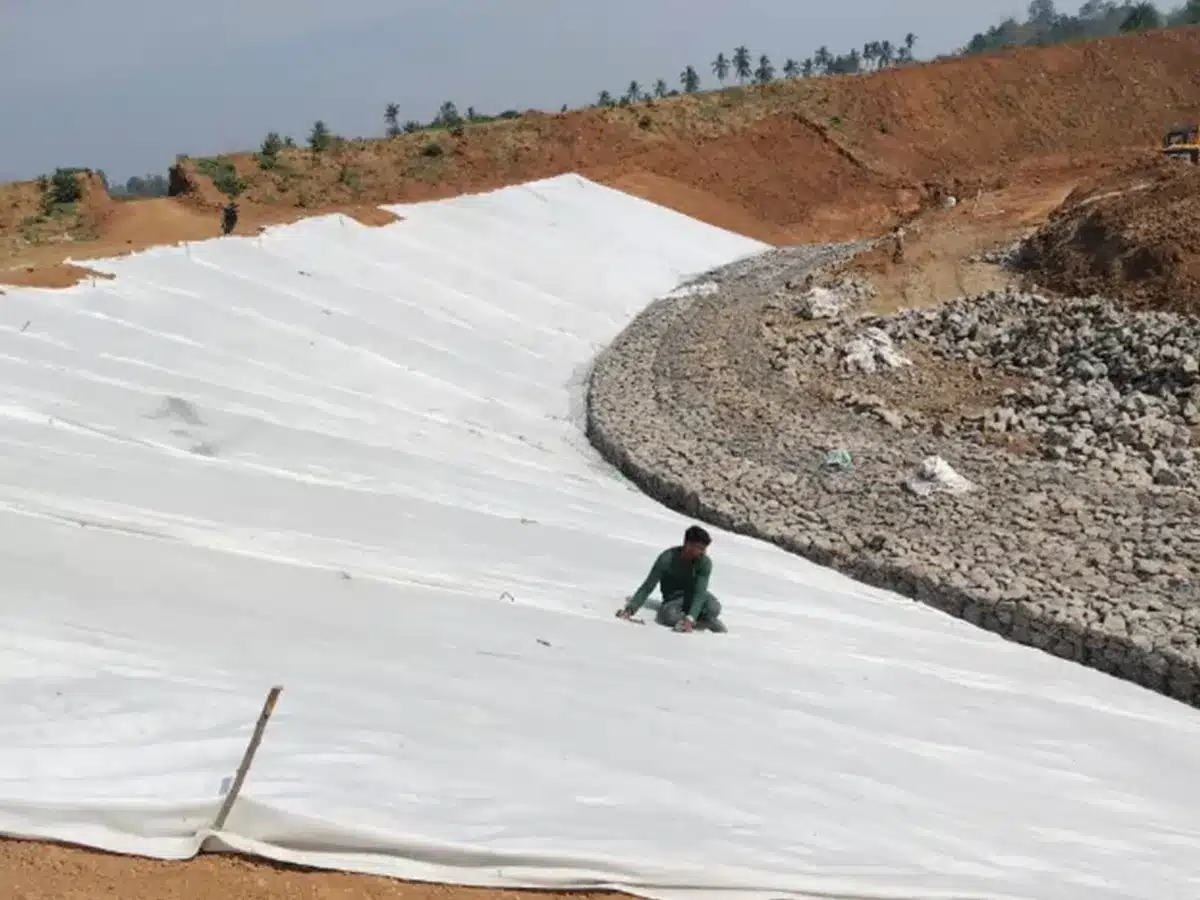
Environmental Engineering Case: Leachate Collection System in Christchurch, New Zealand
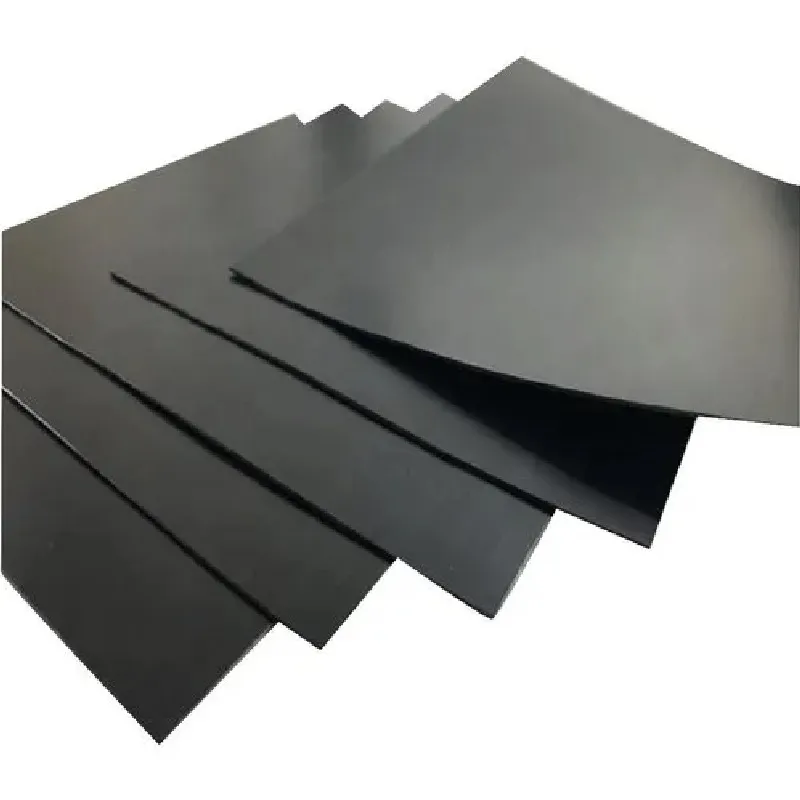
A municipal landfill in Christchurch needed an improved leachate collection system capable of managing heavy rainfall events. Engineers installed a nonwoven geotextile layer above an HDPE geomembrane liner to serve as both a filtration layer and a cushioning barrier protecting the membrane from gravel puncture. This configuration improved leachate flow, minimized clogging, and extended the long-term performance of the containment system, demonstrating the geotextile’s essential role in environmental engineering.
These real-world cases demonstrate how non woven geotextile fabric enhances filtration, drainage, and separation across road, coastal, and environmental projects. Its proven performance continues to support stronger, more durable, and more sustainable geotechnical infrastructure around the world.
Get Free Sample
We’ll respond as soon as possible(within 12 hours)