

+86-159 9860 6917
info@geofantex.com
geofantex@gmail.com
+86-400-8266163-44899
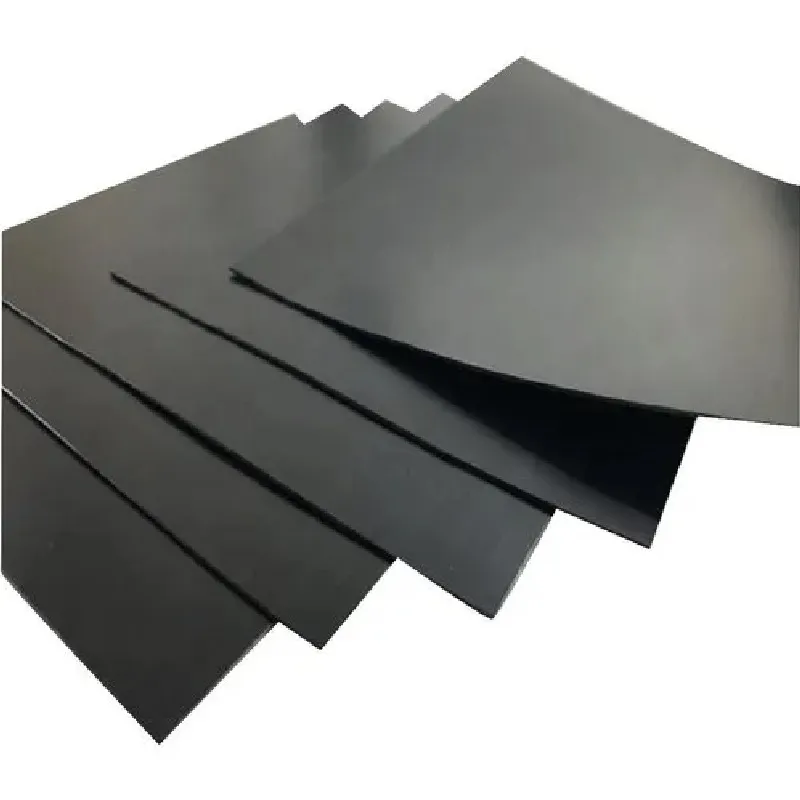
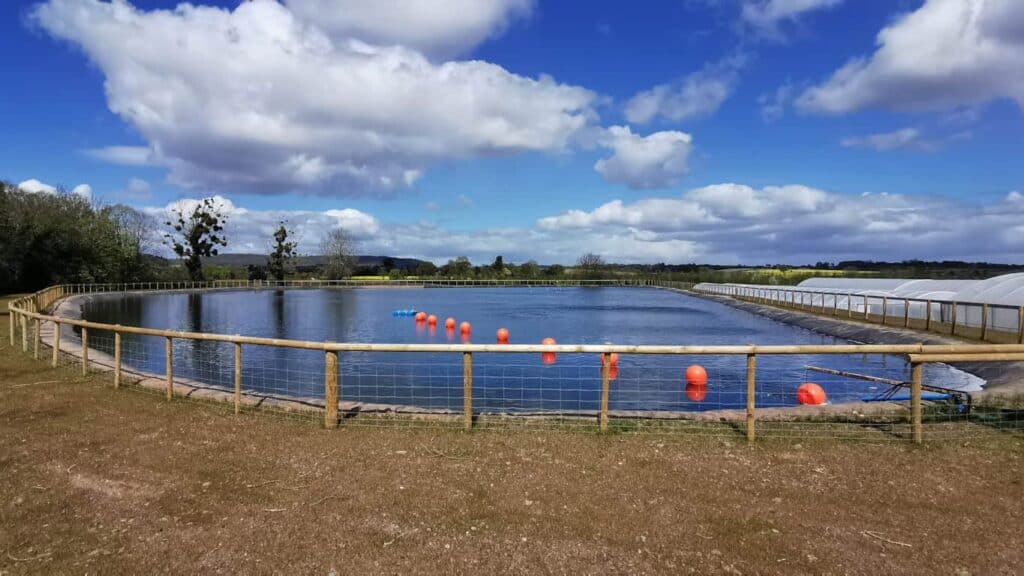
Reservoir geomembrane leak problems can cause water loss, liner instability, soil erosion, and increasing maintenance costs. For reservoir owners, contractors, and procurement teams sourcing HDPE or LLDPE liners, identifying the cause of leakage is essential before selecting replacement materials or repair solutions. Proper geomembrane selection, installation, protection, and quality control can significantly reduce future leakage risks.
What Causes a Reservoir Geomembrane Leak?
Damage can occur during installation or after the reservoir enters service. In many cases, the liner material itself is not the main cause. Contractors should also examine the subgrade, welded seams, construction conditions, and surrounding structures.
Common causes include sharp stones or construction debris puncturing the liner, insufficiently prepared subgrade, defective seams, improper welding parameters, differential settlement, and accidental damage from equipment.
Temperature changes and movement of the supporting soil can also generate localized stresses. In exposed applications, long-term environmental conditions should be considered when selecting the liner.
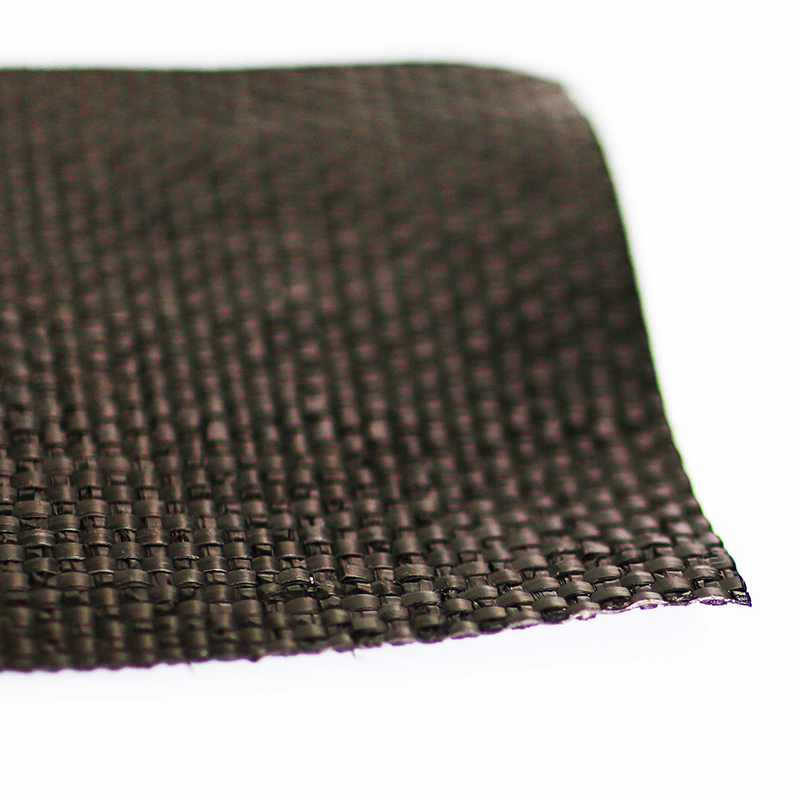
For procurement and engineering teams, geomembrane thickness should therefore not be the only selection criterion. Tensile properties, puncture resistance, environmental stress crack resistance, installation conditions, and compatibility with protective geotextiles should also be considered.
How Can a Reservoir Geomembrane Leak Be Detected?
Before inspecting the liner, engineers should confirm where the water loss originates. Evaporation can reduce the water level, while pipes, valves, and outlet structures may also cause unexpected losses.
For exposed geomembranes, visual inspection can identify punctures, tears, wrinkles, damaged seams, and other visible defects. Depending on the liner and seam configuration, vacuum box testing, air-pressure testing, spark testing, or other suitable quality-control methods may also be used.
Electrical leak location techniques can be useful for identifying defects that are difficult to locate visually, particularly across large lined areas.
The inspection method should be selected according to the geomembrane type, whether the liner is exposed or covered, reservoir configuration, accessibility, and project requirements.
For more information about evaluating liner defects and selecting appropriate materials, see our reservoir geomembrane leak detection and liner selection guide.
How Should a Damaged Reservoir Geomembrane Be Repaired?
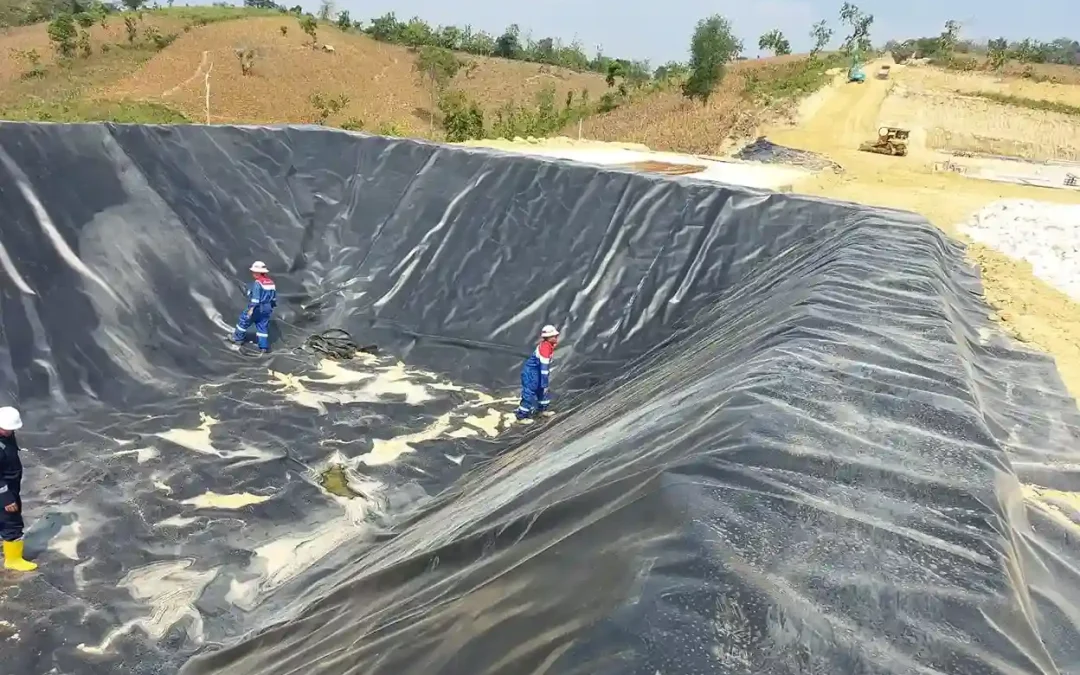
Once the defect has been located, the repair method should be selected according to its size, shape, position, and cause.
Small punctures and localized tears can often be repaired using a compatible geomembrane patch. The damaged surface should be cleaned and prepared before welding. Repair patches should extend beyond the affected area and generally use rounded corners to facilitate reliable welding.
Larger defects may require removal of the damaged section and installation of replacement geomembrane.
A typical repair process includes locating the defect, preparing the surface, cutting the repair material, welding the patch, and testing the completed weld. Field conditions such as moisture, temperature, surface contamination, and welding equipment settings should be controlled during the process.
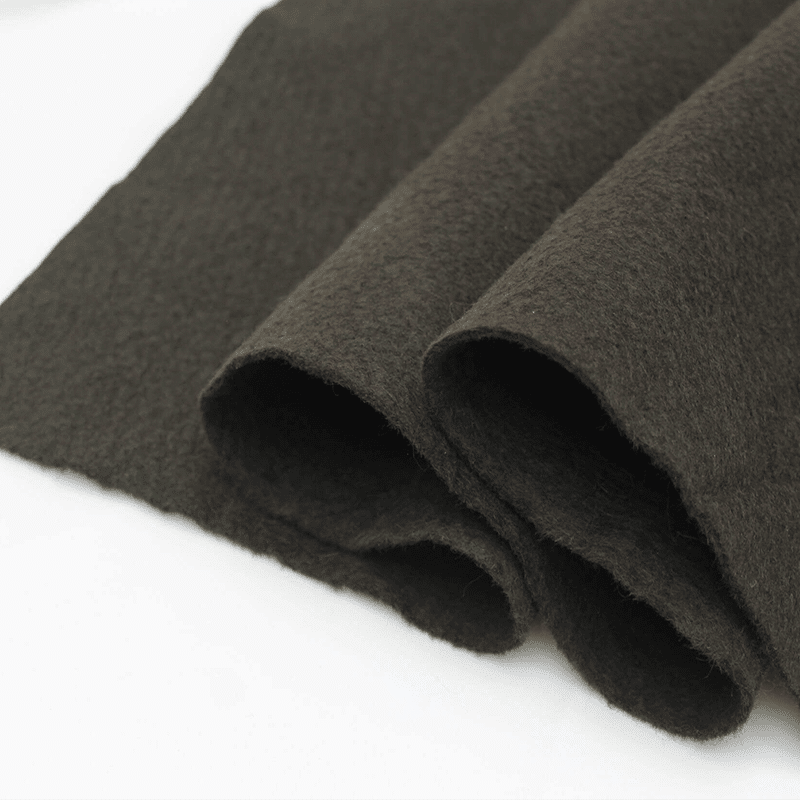
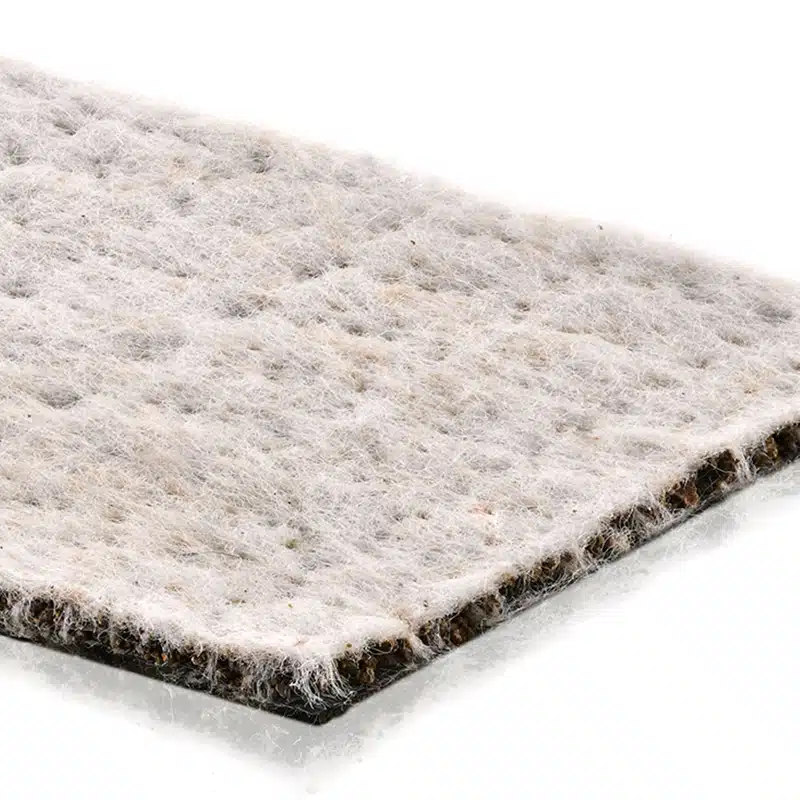
Where repeated damage results from rough subgrade or aggregate contact, repairing the liner alone may not address the root cause. A cushioning nonwoven geotextile or improved subgrade preparation may be necessary.
Project teams evaluating repair materials can review our HDPE reservoir geomembrane leak repair solutions to determine suitable liner thickness, protective layers, and installation requirements.
How Can Future Reservoir Liner Damage Be Prevented?
Preventing a reservoir geomembrane leak starts with correct system design and material selection rather than relying only on repairs after installation.
The subgrade should be smooth, stable, and free from sharp stones, roots, and construction debris. Where puncture risk exists, a suitable nonwoven geotextile can provide additional cushioning between the geomembrane and the supporting or covering materials.
Field welding is another critical factor. Welding parameters should match the geomembrane material, thickness, equipment, and site conditions. Seams and repaired areas should be inspected and tested according to the project’s quality-control requirements.
Construction traffic should also be carefully managed to avoid unnecessary equipment movement over exposed liners. After commissioning, periodic inspection can help identify abnormal water loss, liner displacement, exposed damage, or other early warning signs.
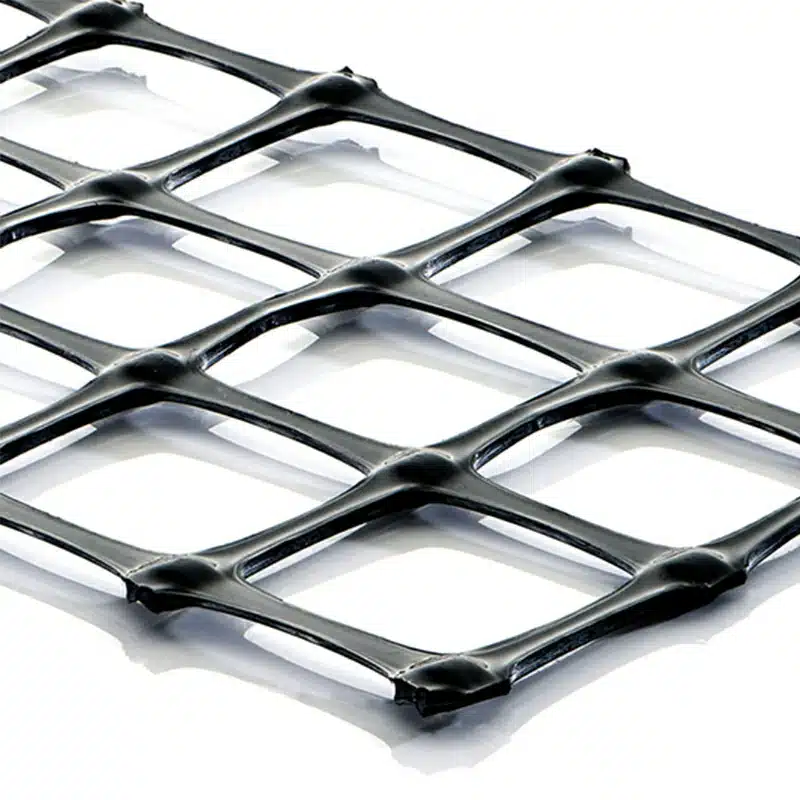
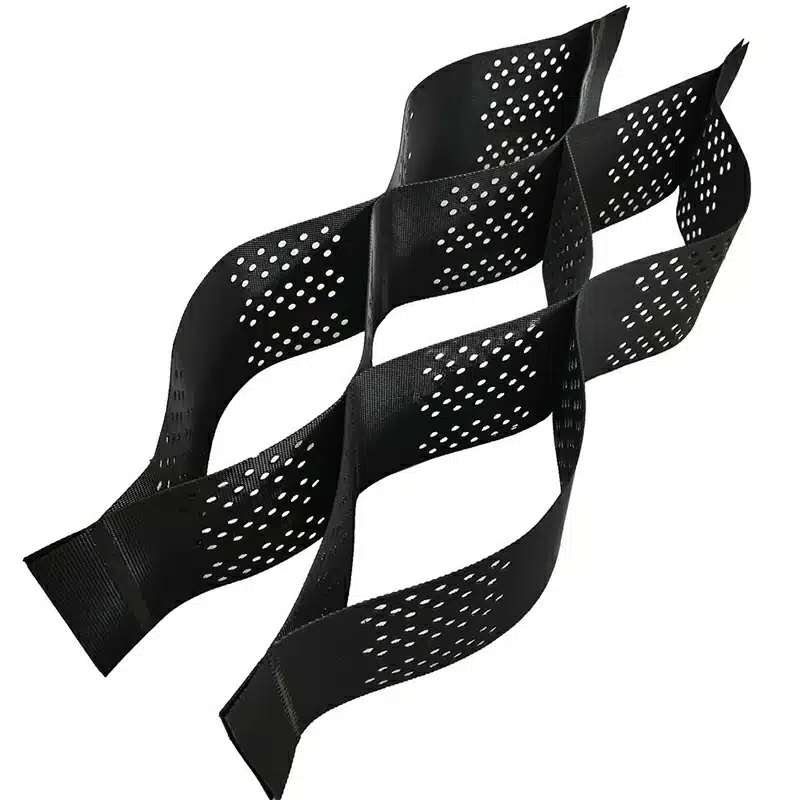
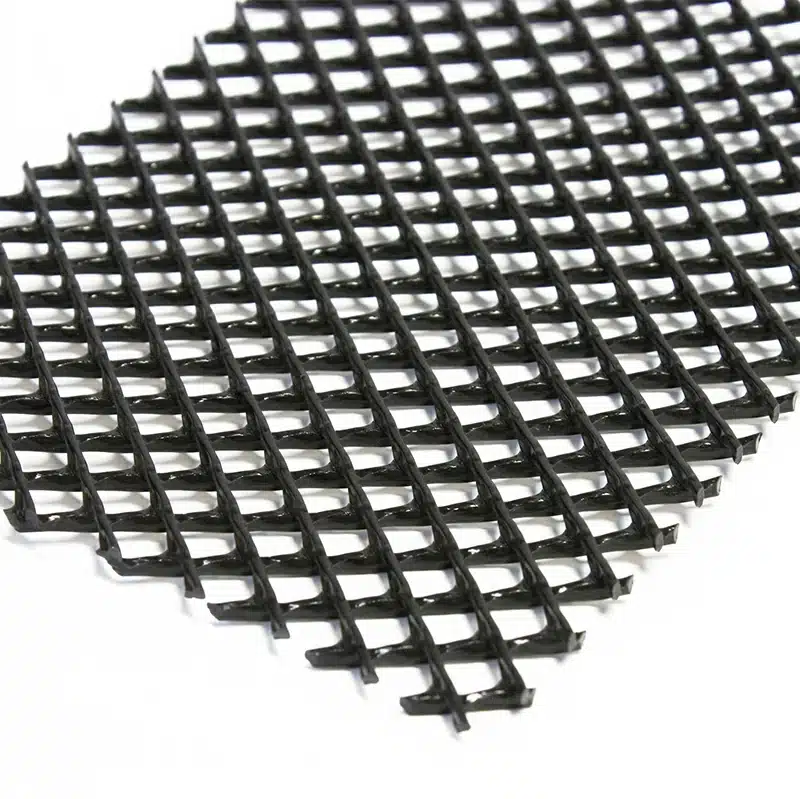
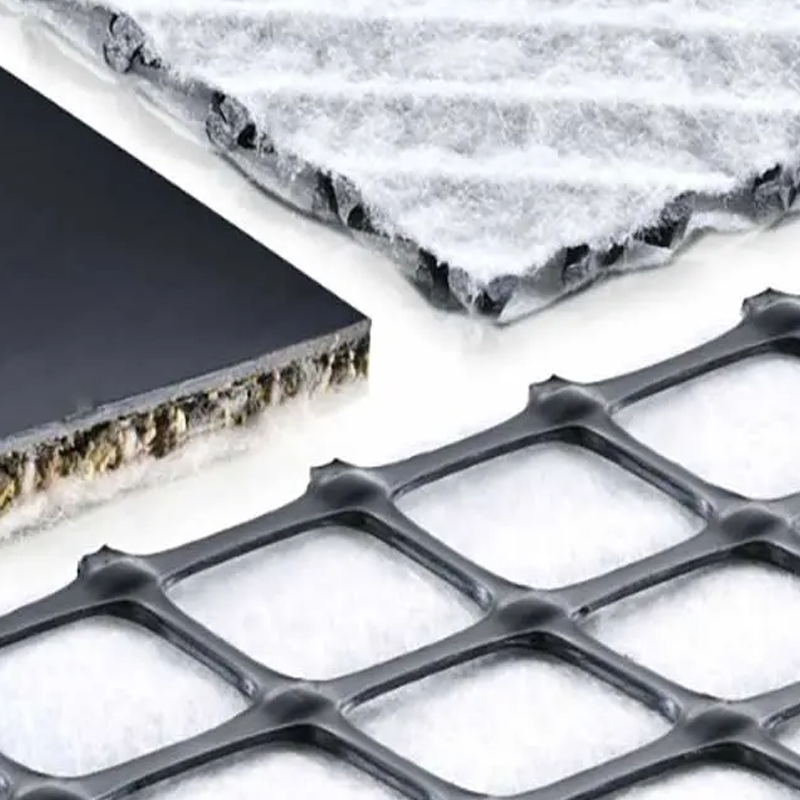
For new reservoir projects, specifying the complete lining system—including geomembrane, protective geotextile, anchoring details, drainage components, and installation procedures—can provide more reliable long-term containment than selecting the liner based solely on thickness or price.
Contractors, distributors, and project owners planning new installations can consult our reservoir geomembrane leak prevention and lining system solutions for material selection and project-specific specifications.
Get Free Sample
We’ll respond as soon as possible(within 12 hours)