

+86-159 9860 6917
info@geofantex.com
geofantex@gmail.com
+86-400-8266163-44899
Geo synthetics help contractors, engineers, distributors, and project owners solve reinforcement, separation, filtration, drainage, erosion-control, and containment challenges. When sourcing materials for roads, railways, coastal works, landfills, slopes, or hydraulic projects, selecting the correct product specification is essential for both engineering performance and procurement efficiency. Geofantex supplies multiple geosynthetic product categories with project-based specifications, technical support, and international delivery options.
How Geo Synthetics Support Engineering Projects
Geosynthetic materials are manufactured primarily from polymers such as polypropylene (PP), polyester (PET), and high-density polyethylene (HDPE). They are designed to interact with soil, aggregate, rock, and water while performing specific engineering functions.
The main functions include separation, reinforcement, filtration, drainage, protection, containment, and erosion control. This versatility allows engineers to use geosynthetics in transportation infrastructure, environmental engineering, coastal protection, hydraulic construction, and earth-retaining structures.
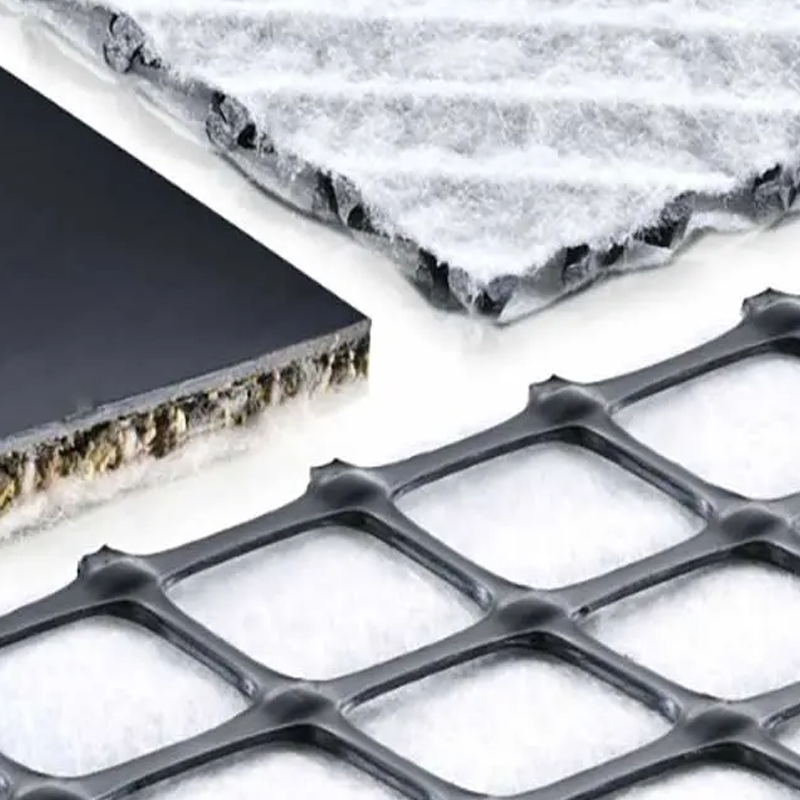
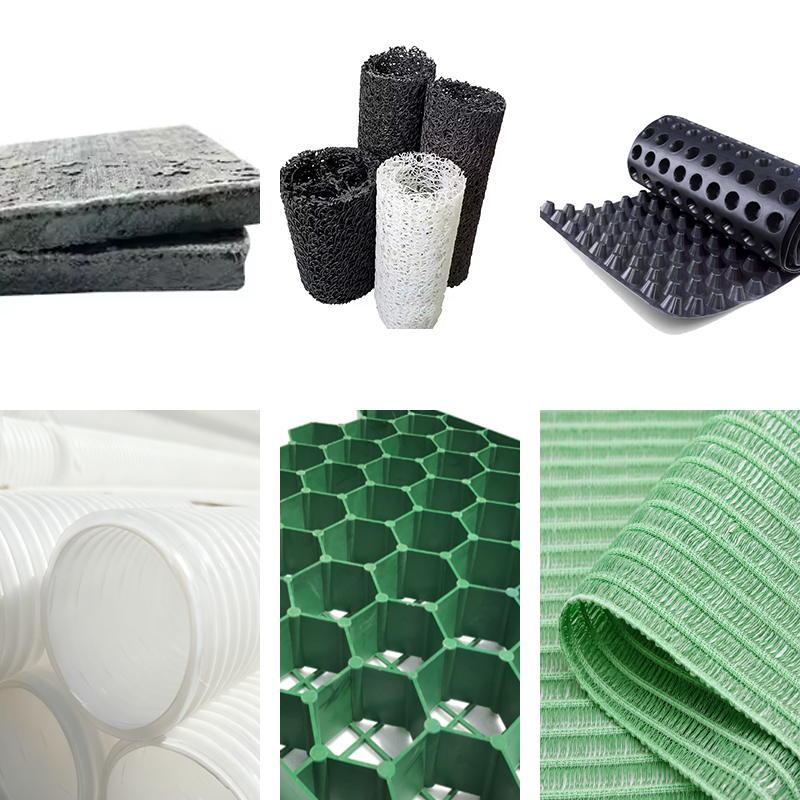
For example, geotextiles can separate aggregate from weak subgrade while allowing controlled water movement. Geogrids improve soil reinforcement and load distribution, while geomembranes provide low-permeability barriers for containment applications.
For projects involving unstable soil or demanding site conditions, selecting geo synthetics for soil stabilization projects according to tensile strength, permeability, puncture resistance, and site loading can improve long-term system performance.
Main Types of Geo Synthetics Available
Different applications require different materials. Geofantex supplies a broad product portfolio that allows buyers to select products according to engineering specifications rather than relying on a single material solution.
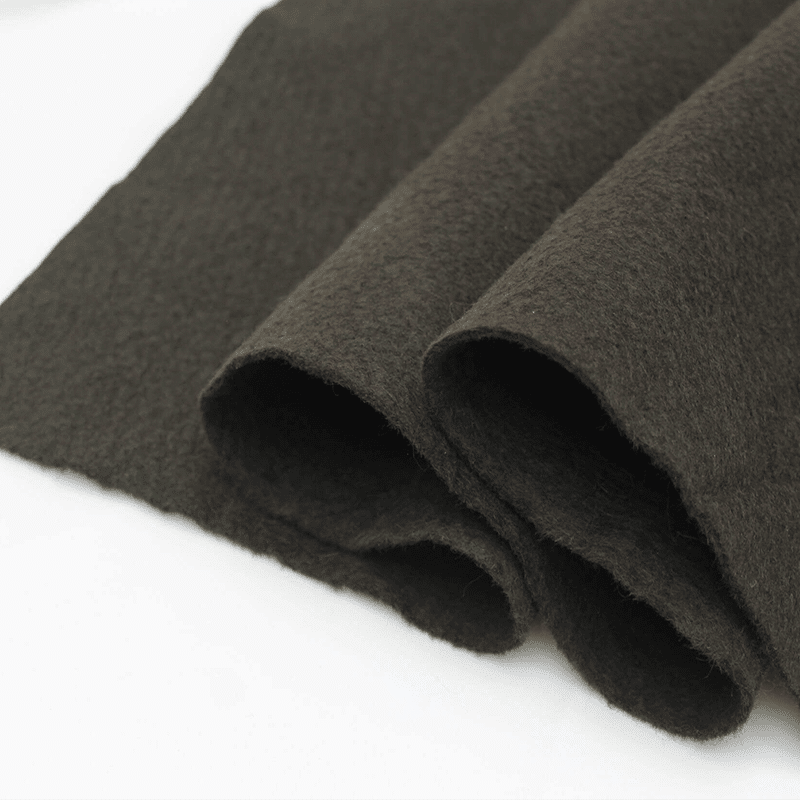
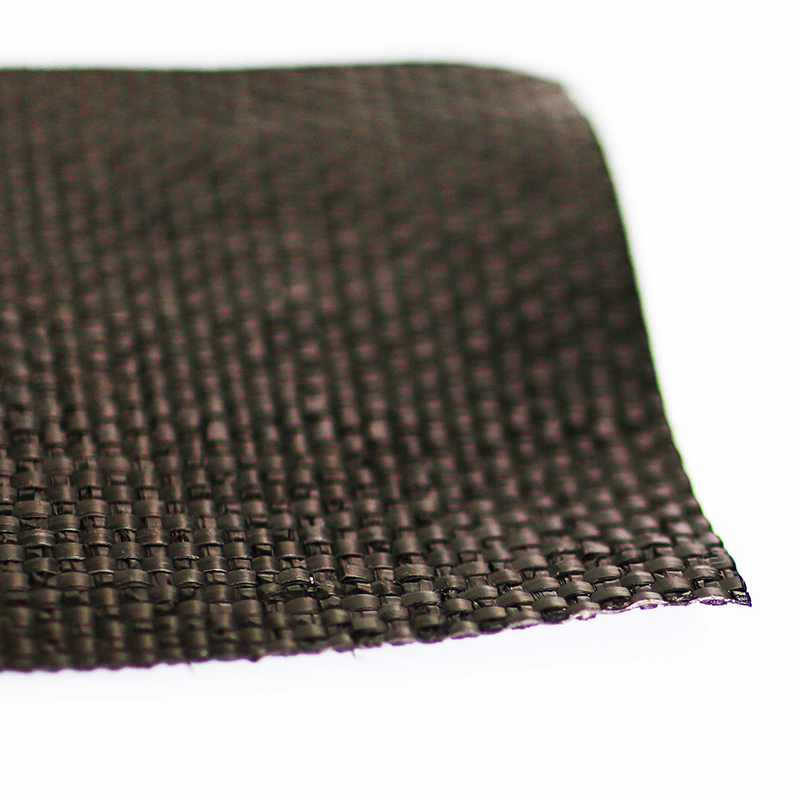
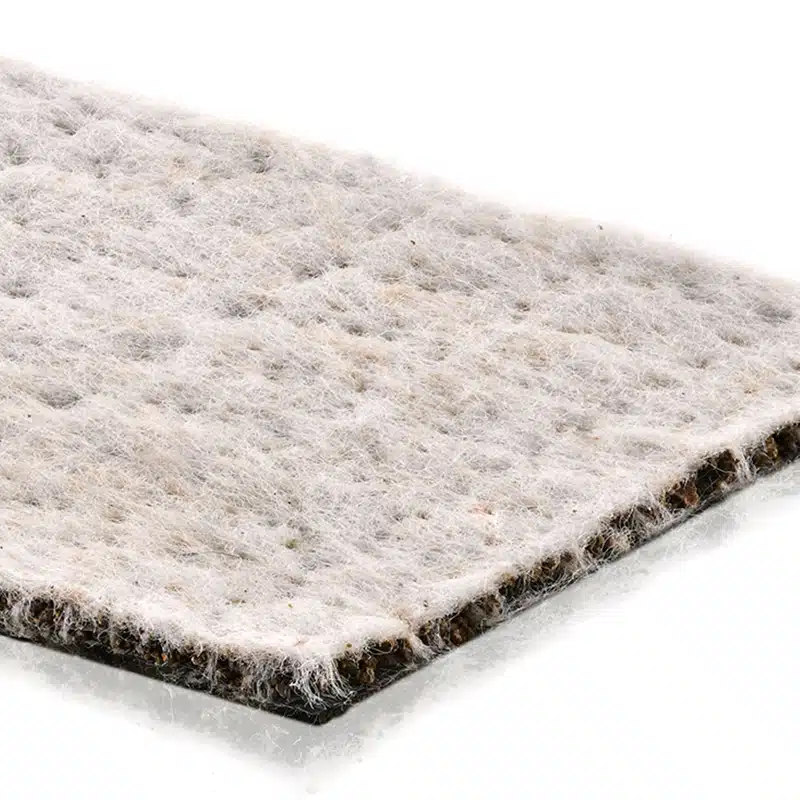
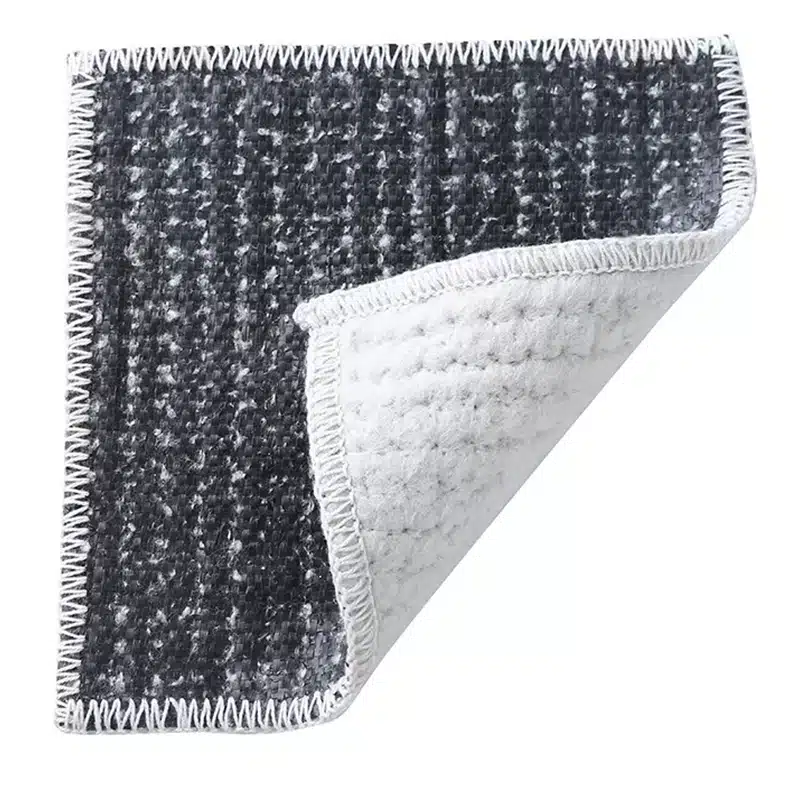
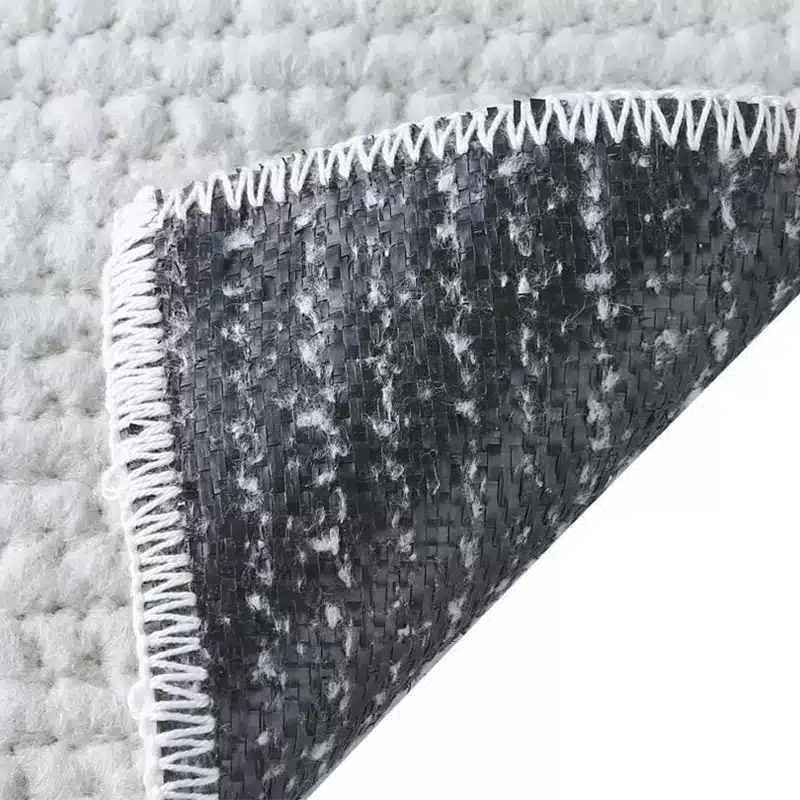
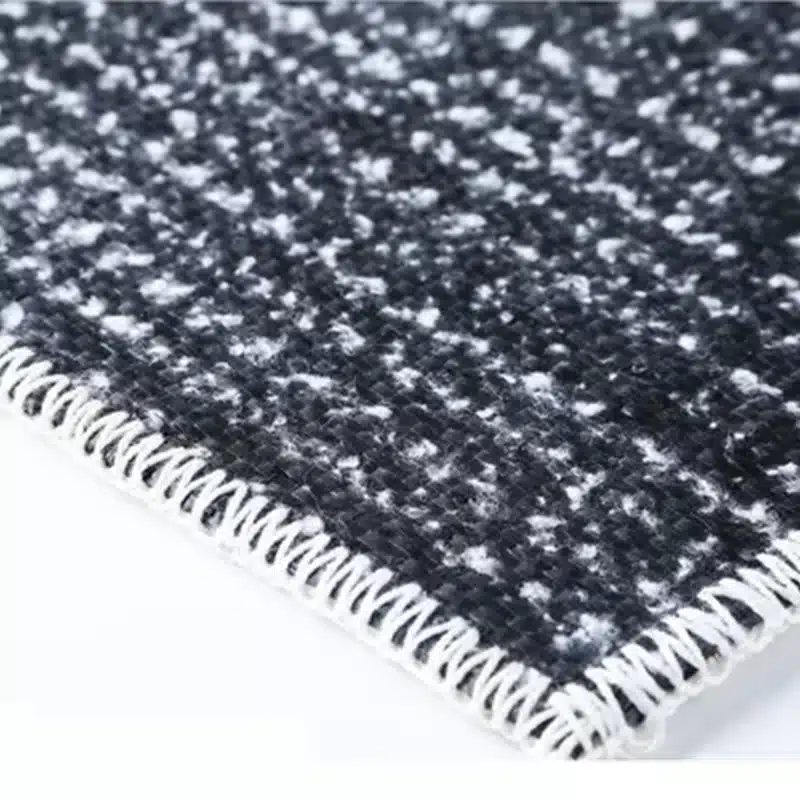
Geotextiles are available in woven and nonwoven structures for separation, filtration, drainage, reinforcement, and protection. Typical applications include roads, railways, coastal structures, drainage systems, and geomembrane protection.
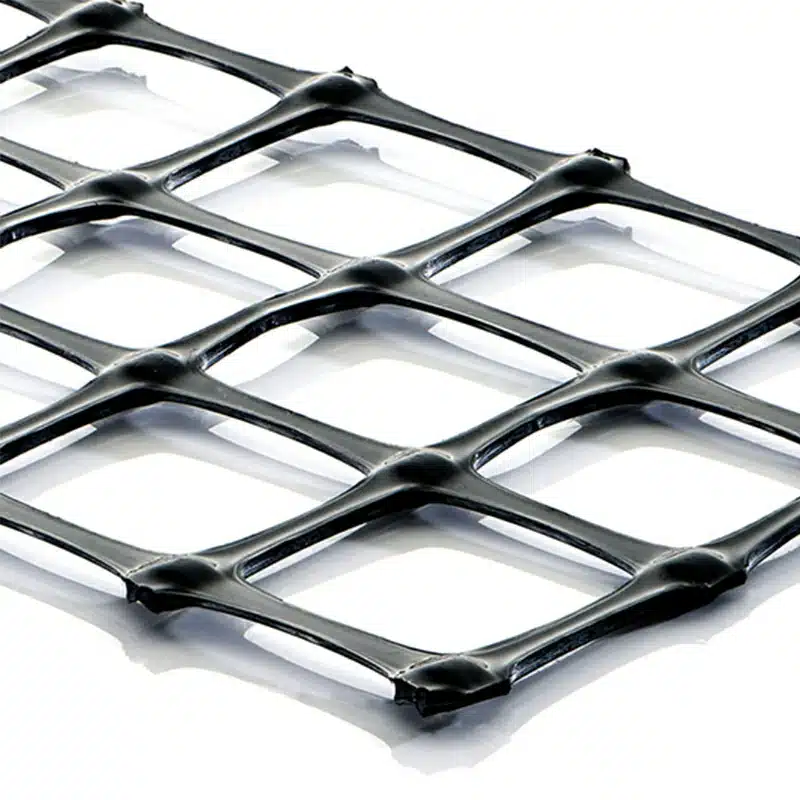
Geogrids provide tensile reinforcement for soil and aggregate. Uniaxial and biaxial products are commonly specified for retaining walls, reinforced slopes, embankments, railway foundations, and road bases.
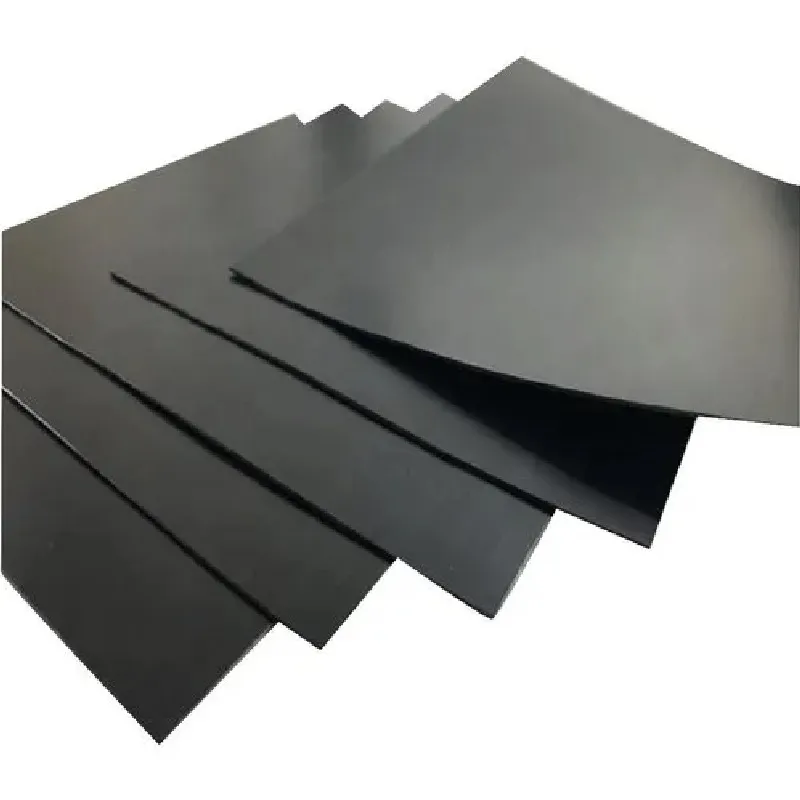
Geomembranes provide containment and waterproofing in landfills, reservoirs, wastewater facilities, mining projects, canals, and ponds.
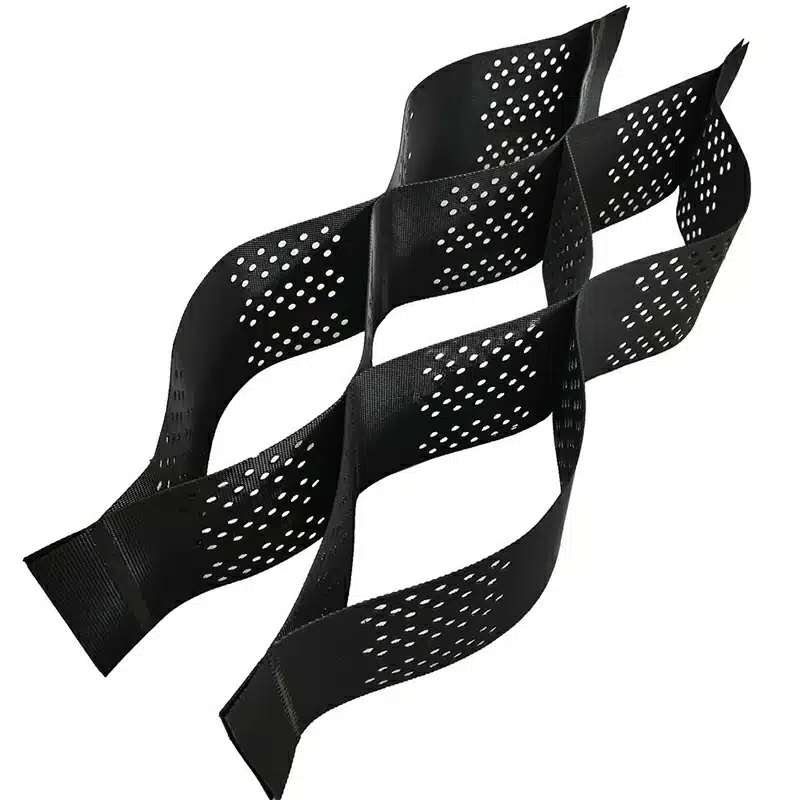
Geocells create three-dimensional cellular confinement systems that stabilize infill materials and are frequently used for slopes, channels, access roads, and erosion-control projects.
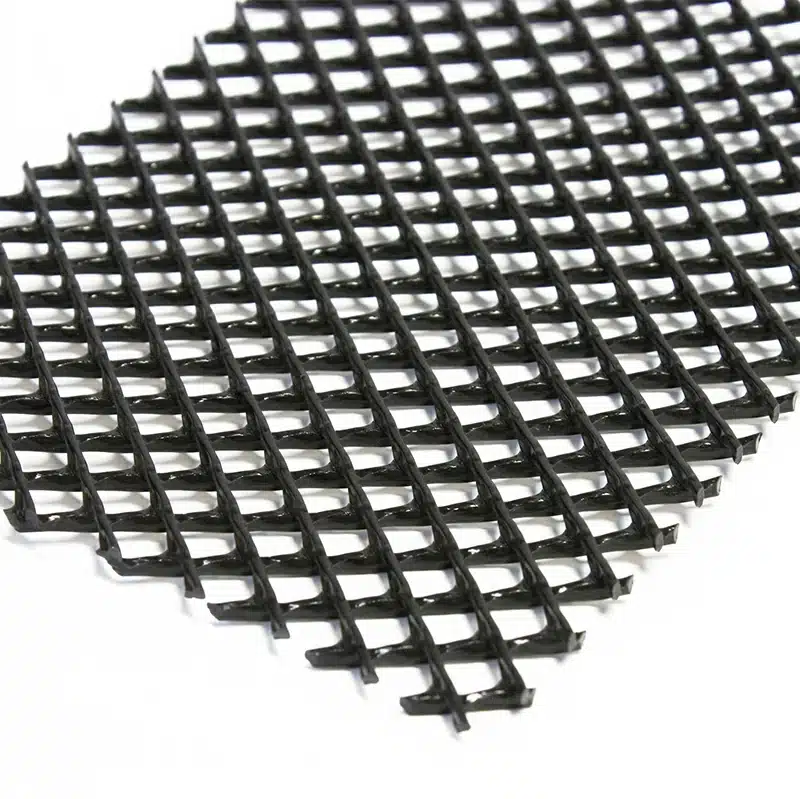
Geonets, drainage boards, and geocomposites can also provide drainage, filtration, and protection functions. Buyers requiring several product categories can discuss geo synthetics solutions for infrastructure construction with Geofantex to simplify specification matching and procurement.
Geo Synthetics for Coastal and Railway Applications
Coastal engineering exposes soil and structures to waves, water movement, erosion, and changing hydraulic conditions. Geotextiles, geogrids, geocells, and related materials can be incorporated into revetments, shoreline protection systems, embankments, and erosion-control structures.
Railway construction presents different requirements. Separation between subgrade and ballast, filtration, drainage, reinforcement, and stabilization can influence track foundation performance. Geotextiles and geogrids are therefore frequently considered for railway subgrades and embankments where soil conditions require additional engineering support.
Project engineers and purchasing teams can review geo synthetics for railway and coastal engineering according to required functions, site conditions, design parameters, and applicable technical standards.
What to Check Before Requesting a Quotation
A useful quotation requires more than a product name. Providing technical and commercial details helps the supplier recommend an appropriate specification and calculate the actual supply requirements.
Before requesting pricing, prepare the application, required function, tensile strength or material grade, dimensions, quantity, applicable standards, destination country, and delivery port. For geotextiles, specifications may also include mass per unit area, permeability, tensile strength, and puncture resistance. Geogrid inquiries may require tensile strength and aperture size, while geomembrane projects normally specify thickness and surface type.
Geofantex can support project-based product selection, specification matching, customized dimensions, technical documentation, bulk supply, and international shipment.
For contractors, importers, distributors, and project owners sourcing geo synthetics, send your application, specification, required quantity, and destination to Geofantex. Our team can evaluate the requirements and prepare a suitable product recommendation and quotation.
Get Free Sample
We’ll respond as soon as possible(within 12 hours)