Geosynthetics Types and Their Applications in Civil Engineering

Geosynthetics Types and Their Applications in Civil Engineering

In the realm of civil engineering and environmental applications, the terms ‘geomembrane’ and ‘geosynthetic’ are often used interchangeably, yet they hold distinct meanings and applications. This article aims to demystify these terms, offering a clear understanding of their differences, types, and classifications. By exploring the nuances between geomembranes, geosynthetics, and related materials like geotextiles, we can appreciate the innovative solutions they provide in contemporary engineering challenges.

Maximizing Geomembrane Lifespan: Understanding HDPE Textured Geomembranes

Maximizing Geomembrane Lifespan: Understanding HDPE Textured Geomembranes

Understanding the geomembrane lifespan involves a nuanced evaluation of installation precision, material quality, environmental factors, and the intended application’s demands. Rigorous testing has showcased instances where proper installation and maintenance have extended this duration, highlighting the potential for prolonged service life.

HDC8

HDC8

The composite geomembrane liner has the advantages of geomembrane and geotextile at the same time. Geomembranes provide excellent seepage, leak, moisture, tear, and puncture resistance. The geotextile layer increases the tensile strength, and the composite geomembrane lining plays a great role in the landfill.

HDC7

HDC7

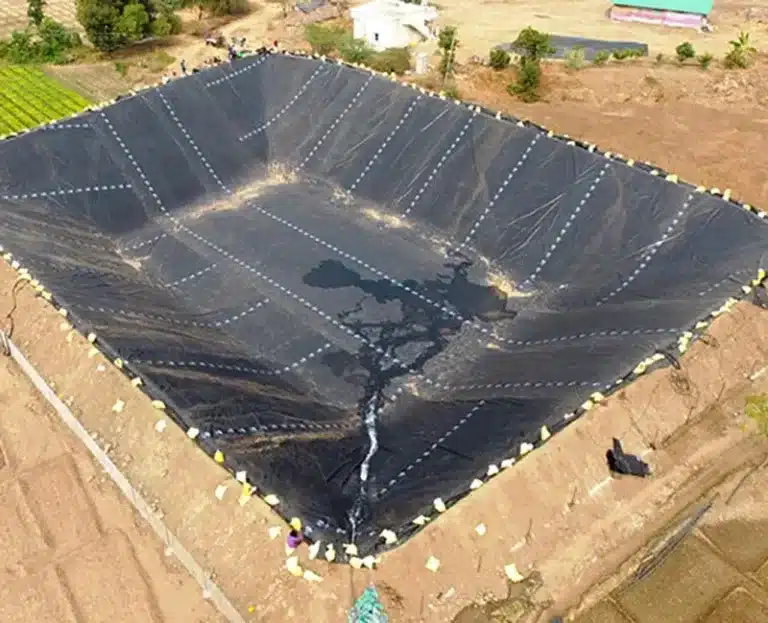
When laying, the geomembrane should not be pulled too. It is better to embed the soil at both ends into a corrugated shape, especially when it is anchored with rigid materials, there should be a certain amount of expansion and contraction.

End of content

End of content