

+86-159 9860 6917
info@geofantex.com
geofantex@gmail.com
+86-400-8266163-44899
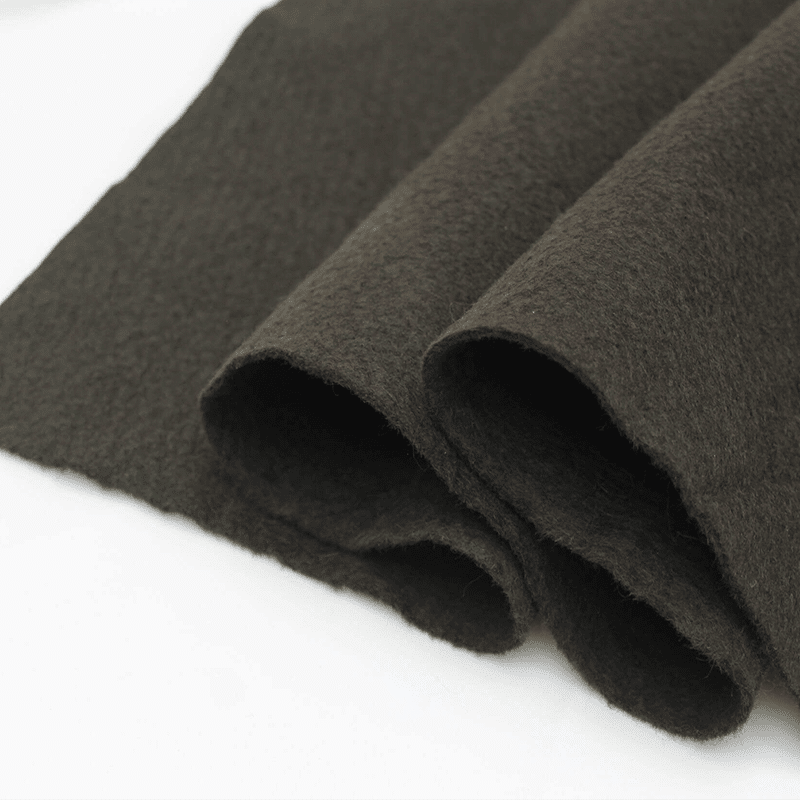
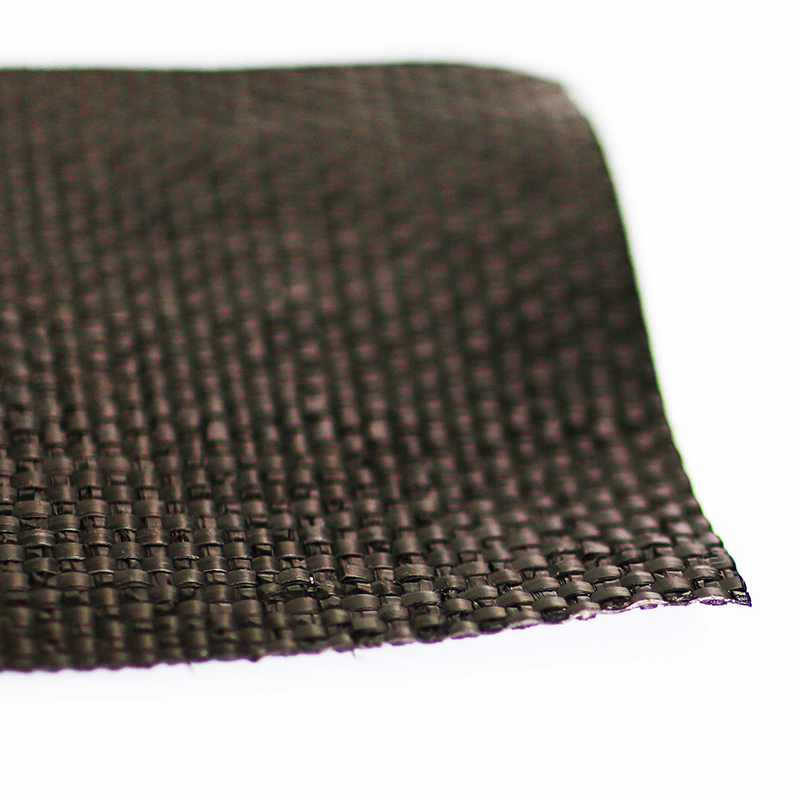
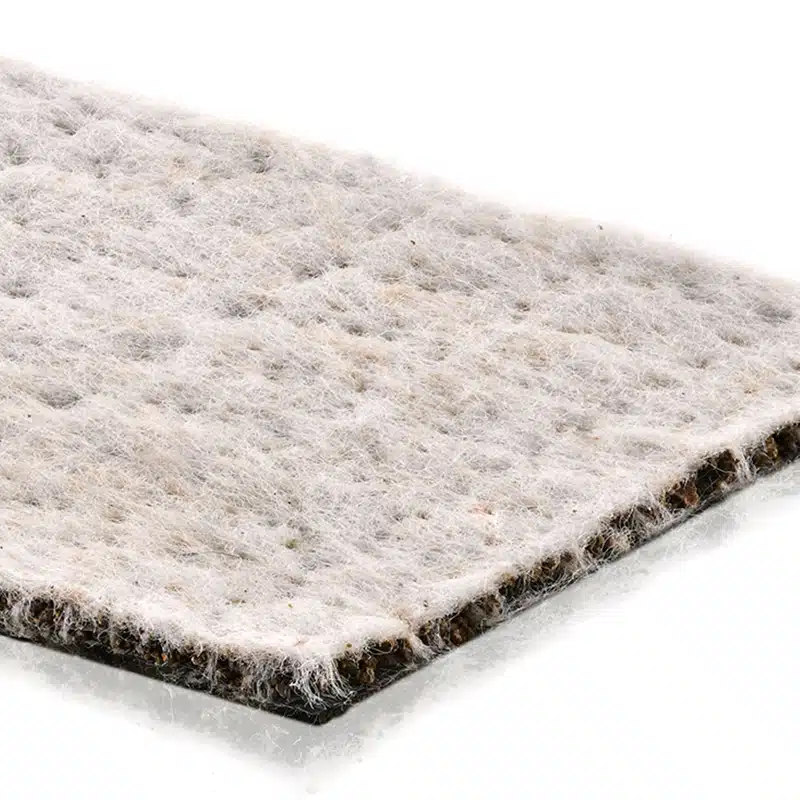
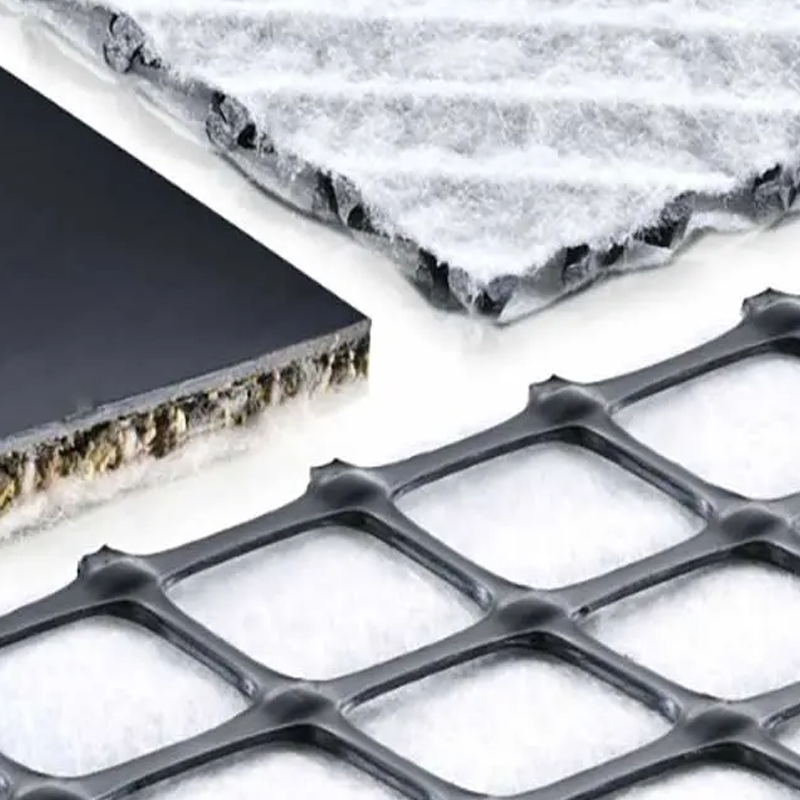
Geotextile landscape fabric provides an effective solution for weed control, drainage, soil separation, and ground stabilization in residential, commercial, and municipal landscaping projects. Available in woven and nonwoven options, it can be installed beneath gravel, mulch, decorative stone, pathways, and garden beds. Contractors and buyers can explore our geotextile landscape fabric for landscaping and ground separation when selecting the appropriate material based on permeability, tensile strength, fabric weight, soil conditions, and project requirements.
How Geotextile Landscape Fabric Prevents Grass and Weed Growth
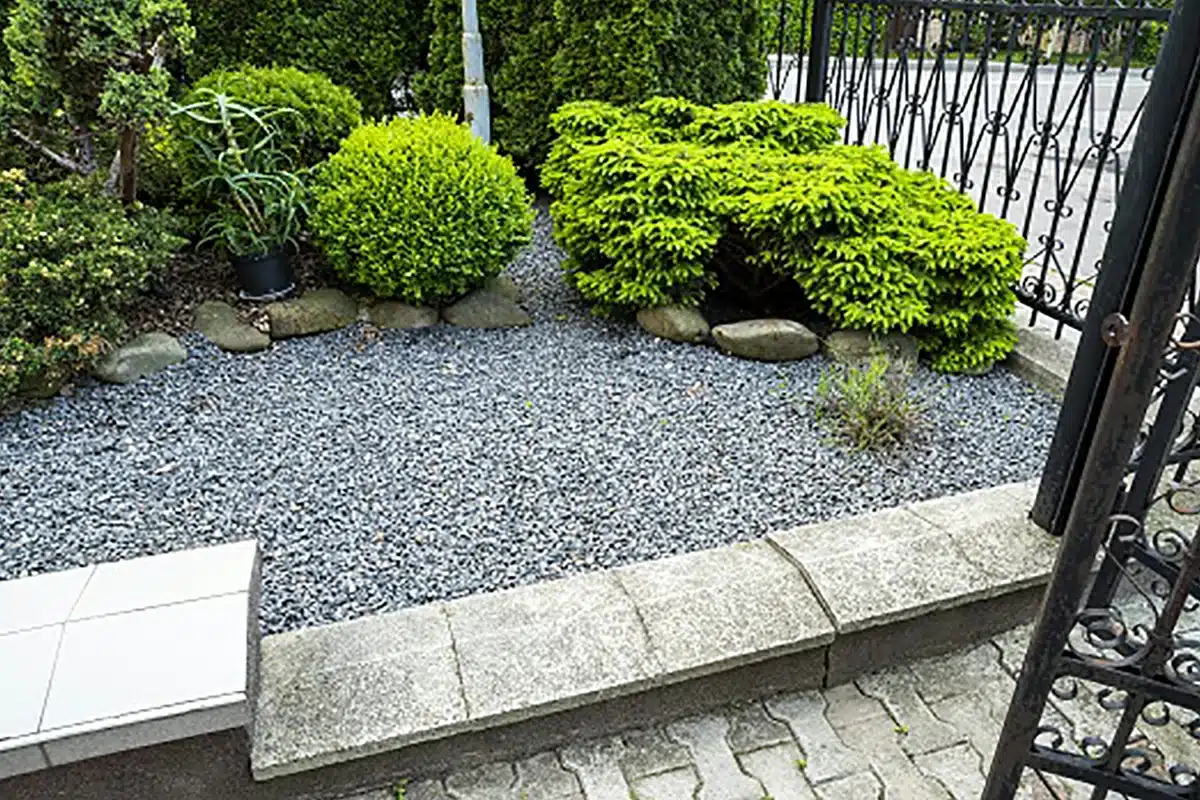
One of the primary functions of geotextile landscape fabric is to control unwanted vegetation without completely restricting the natural movement of water and air through the soil.
Once installed over prepared ground, the fabric creates a physical barrier that limits the sunlight available to weeds and restricts emerging vegetation. At the same time, its permeable structure allows rainfall and irrigation water to pass through, helping maintain normal drainage conditions.
This combination makes landscape geotextiles particularly useful beneath gravel, mulch, pathways, and decorative stone where weed control and long-term surface stability are both important.
How Geotextile Landscape Fabric Improves Drainage and Soil Stability
Unlike impermeable plastic barriers, geotextile landscape fabric allows water to infiltrate through the material instead of accumulating on the surface. This permeability can help reduce localized ponding while maintaining separation between the surface material and underlying soil.
The fabric also helps prevent gravel, stone, and other aggregates from gradually mixing with soft subgrade soils. Maintaining this separation can reduce settlement, limit soil migration, and preserve the integrity of the landscaped surface.
For applications where drainage is the main priority, contractors can compare geotextile landscape fabric for drainage and soil stabilization to determine whether woven or nonwoven materials are more suitable for the site conditions.
Will Grass Grow Through Landscape Fabric?
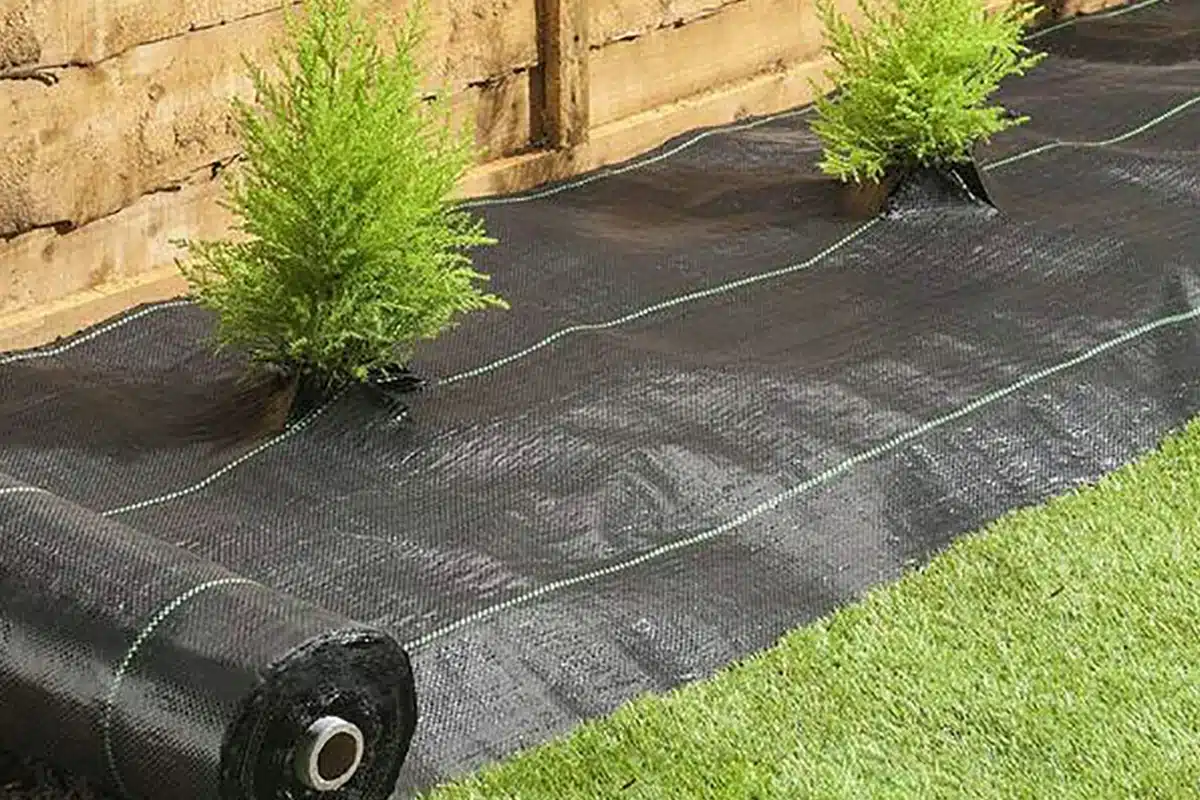
When properly selected and installed, geotextile landscape fabric provides an effective barrier against most grass and weed growth. However, no landscape weed barrier is completely maintenance-free.
Vegetation can still appear when installation or maintenance conditions create opportunities for growth. Common causes include:
- Installation gaps: Poorly overlapped seams can leave exposed areas where grass emerges.
- Organic debris: Soil, leaves, and decomposed mulch can accumulate above the fabric and create a new growing medium.
- Material damage: Punctures, prolonged UV exposure, or heavy traffic may create openings over time.
- Loose edges: Grass and roots can spread beneath sections that have not been properly anchored.
In many cases, weeds that appear to grow through the material are actually germinating in accumulated soil or organic matter above it.
Factors That Affect Long-Term Performance
The effectiveness of geotextile landscape fabric depends on material quality, installation practices, site conditions, and routine maintenance.
- Fabric quality: Select a woven or nonwoven geotextile with suitable tensile strength, puncture resistance, permeability, and fabric weight for the intended application.
- Installation: Prepare and level the ground before installation. Lay the material flat, provide adequate overlap between adjacent sections, and secure edges and seams with suitable landscape staples or pins.
- Surface maintenance: Periodically remove accumulated soil, leaves, and organic debris. This reduces the possibility of seeds germinating above the weed barrier.
- Environmental conditions: UV exposure, heavy rainfall, foot traffic, and site conditions can influence service life. Selecting the correct specification is therefore important for long-term performance.
Benefits Beyond Weed Control
Geotextile landscape fabric offers more than vegetation suppression. Depending on the product selected, it can contribute to soil separation, filtration, drainage, erosion control, and ground stabilization.
These characteristics make landscape geotextiles suitable for garden beds, gravel areas, walkways, decorative stone installations, retaining wall systems, and commercial landscaping projects.
For contractors and distributors, choosing between woven and nonwoven fabric should be based on the primary engineering requirement. Projects requiring greater strength and stabilization may benefit from woven products, while applications focused on filtration and water movement often use nonwoven materials.
Choosing the Right Landscape Geotextile
A reliable landscape fabric should balance weed suppression, permeability, durability, and installation efficiency. Before procurement, buyers can review geotextile landscape fabric specifications for landscaping projects based on fabric weight, tensile strength, water permeability, roll dimensions, expected traffic, soil conditions, and required service life.
When properly specified and installed, geotextile landscape fabric can provide long-term weed control while improving drainage and maintaining separation between aggregate and soil. Combined with correct installation and routine surface maintenance, it helps create cleaner, more stable, and lower-maintenance landscaped areas.


Get Free Sample
We’ll respond as soon as possible(within 12 hours)