

+86-159 9860 6917
info@geofantex.com
geofantex@gmail.com
+86-400-8266163-44899
How to calculate geotextile fabric quantity is an essential consideration for contractors, engineers, and bulk project buyers who need accurate material estimates before procurement. Correct calculations help control purchasing costs, minimize cutting waste, and prevent shortages during installation. For drainage, road construction, soil stabilization, and erosion control projects, buyers should consider total coverage area, roll dimensions, overlaps, anchor trenches, installation direction, and a reasonable safety allowance before confirming order quantities.
How to Measure Area for Geotextile Fabric Installation
The first step in material estimation is measuring the total coverage area. For simple rectangular spaces, multiply length by width to determine square footage or square meters. However, many construction sites contain curves, slopes, or irregular boundaries. In these cases, dividing the project into smaller sections provides more accurate results.
When planning a geotextile installation on embankments or uneven ground, contractors should also account for elevation changes and anchor trenches. These additional dimensions can significantly increase the amount of material required.
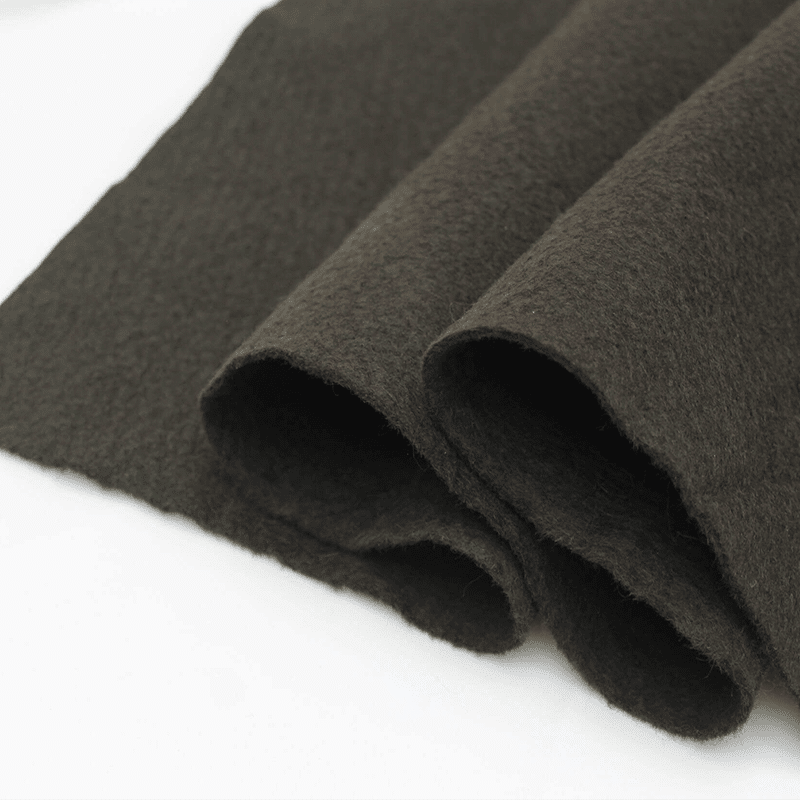
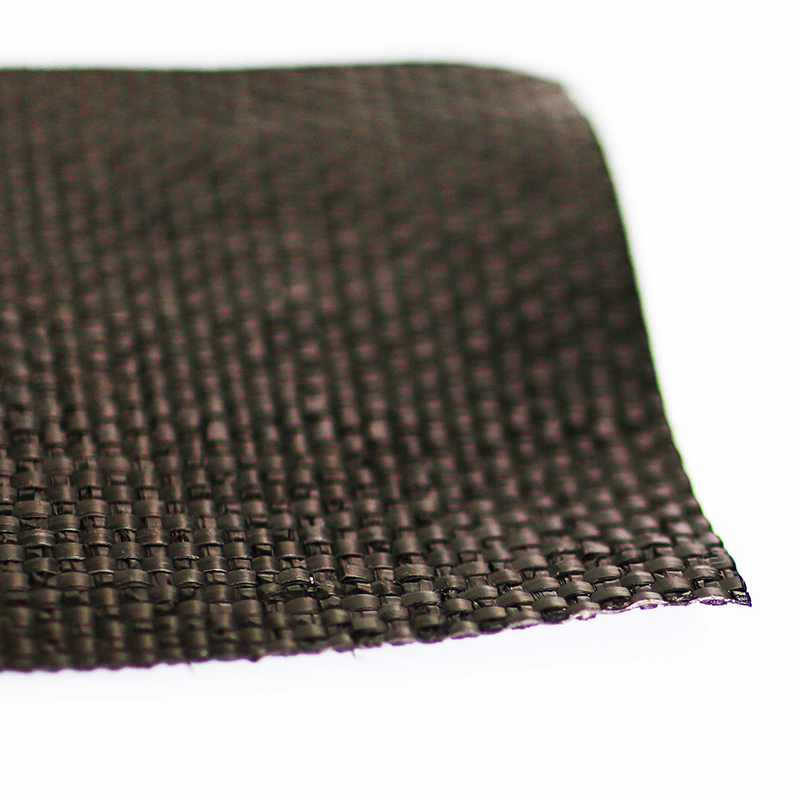
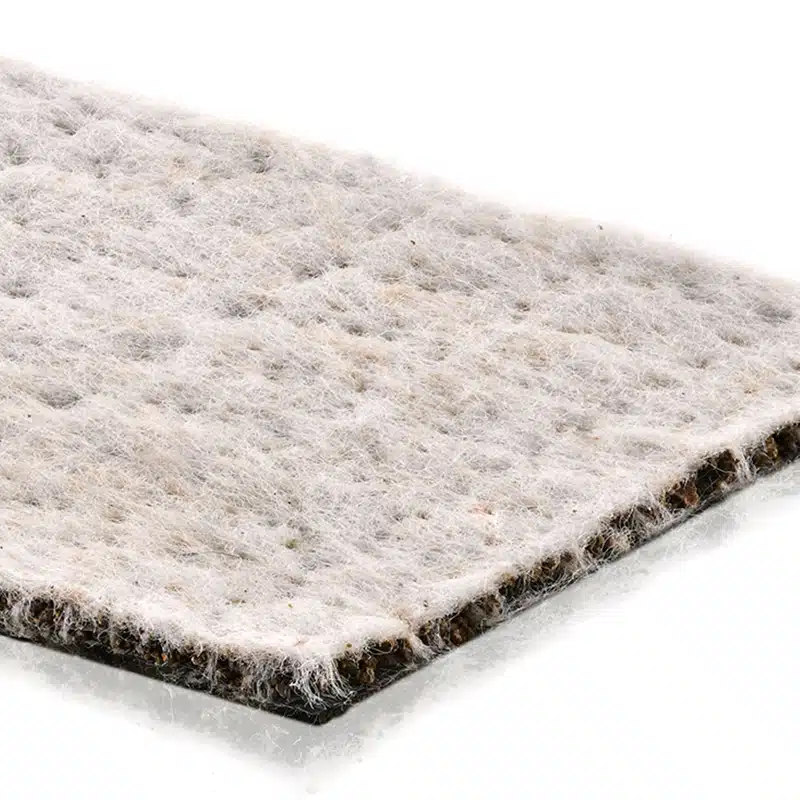
Nonwoven geotextile materials are commonly used in drainage and filtration applications because they allow water flow while retaining soil particles. Woven geotextiles, on the other hand, are preferred for reinforcement projects where higher tensile strength is necessary.
How Roll Width Impacts Geotextile Fabric Quantity Calculations
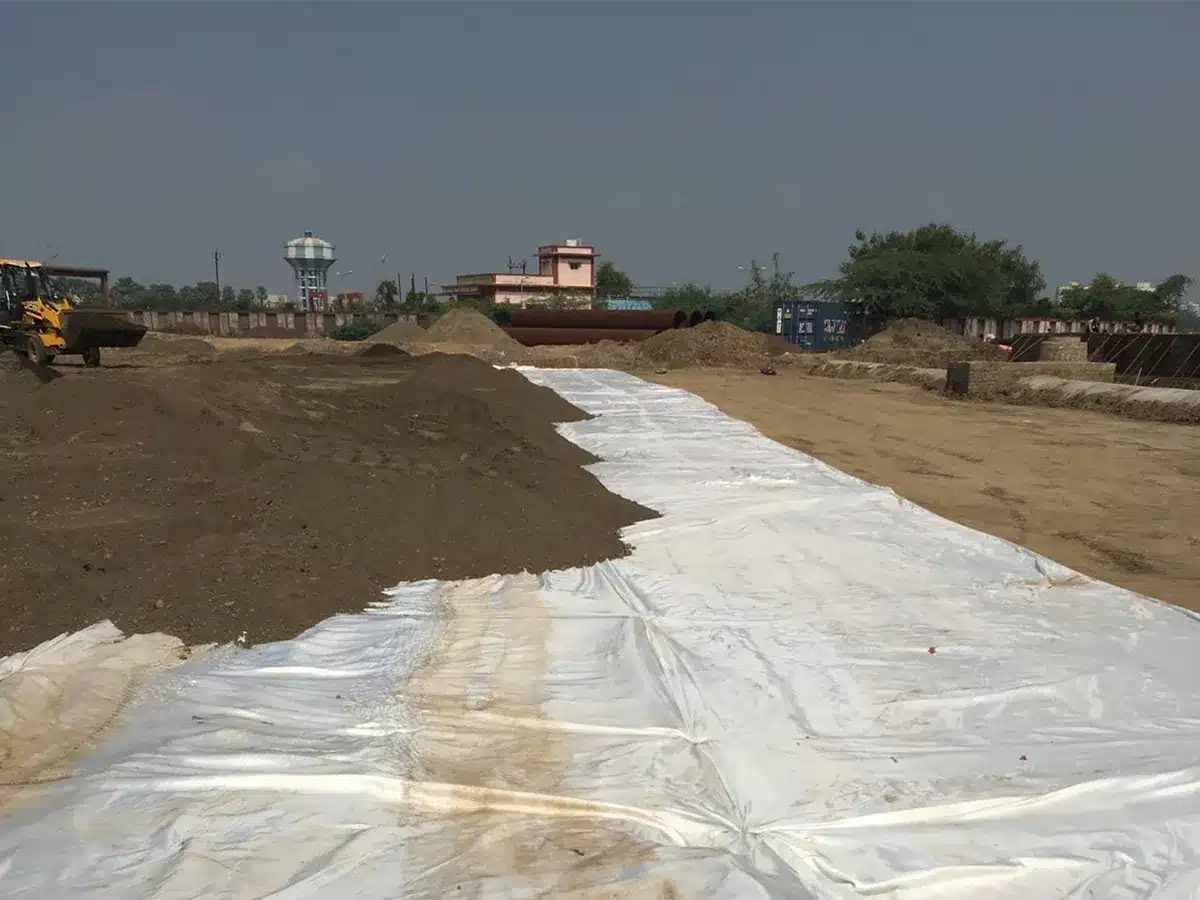
Roll dimensions play a major role in determining total material usage. Standard rolls are manufactured in different widths and lengths, and selecting the right size can reduce cutting waste and installation time.
A wider roll may reduce the number of seams needed across the site, improving efficiency and lowering labor costs. However, narrower rolls may be easier to handle in confined areas or projects with irregular layouts. Careful planning allows contractors to maximize material coverage while minimizing offcuts when using high-performance Geotextile Fabric solutions.
During installation, many teams use temporary drainage channels or pumps to keep the surface dry and stable. This is especially important in projects involving saturated soil or heavy rainfall conditions. Proper handling ensures the geotextile system remains aligned and functional throughout the installation process.
How to Plan Geotextile Fabric Layout and Overlaps
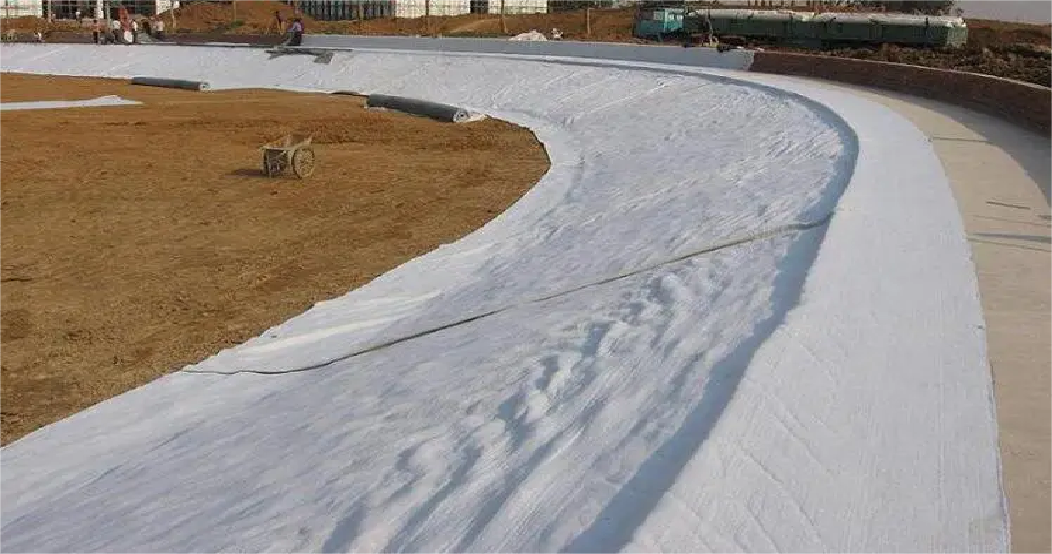
A proper layout design ensures complete surface coverage and prevents weak points in the system. The orientation of the material should follow the direction of water flow or structural loading whenever possible.
Overlap spacing is equally important. In most applications, installers recommend overlaps between 6 and 12 inches depending on soil conditions and load requirements. Areas exposed to heavy traffic, high moisture, or unstable ground may require wider overlaps for additional security.
When estimating materials, contractors should include extra fabric for seams, folds, anchoring, and trimming. Most professionals add an additional 5–10% safety margin to avoid shortages during installation.
Proper overlap planning also improves filtration efficiency and prevents soil migration beneath the material. This helps maintain long-term structural integrity in roads, retaining walls, and drainage systems.
How to Select the Right Geotextile Fabric
Choosing the correct material depends on environmental conditions and engineering requirements. For filtration and subsurface drainage, nonwoven products provide excellent permeability and water management. Reinforcement applications often require woven materials because of their higher tensile strength and load distribution capacity.
Project designers should evaluate several factors before selecting a product, including soil type, groundwater conditions, slope angle, and expected traffic loads. Manufacturer specifications are also critical because strength ratings, puncture resistance, and flow properties vary between products.
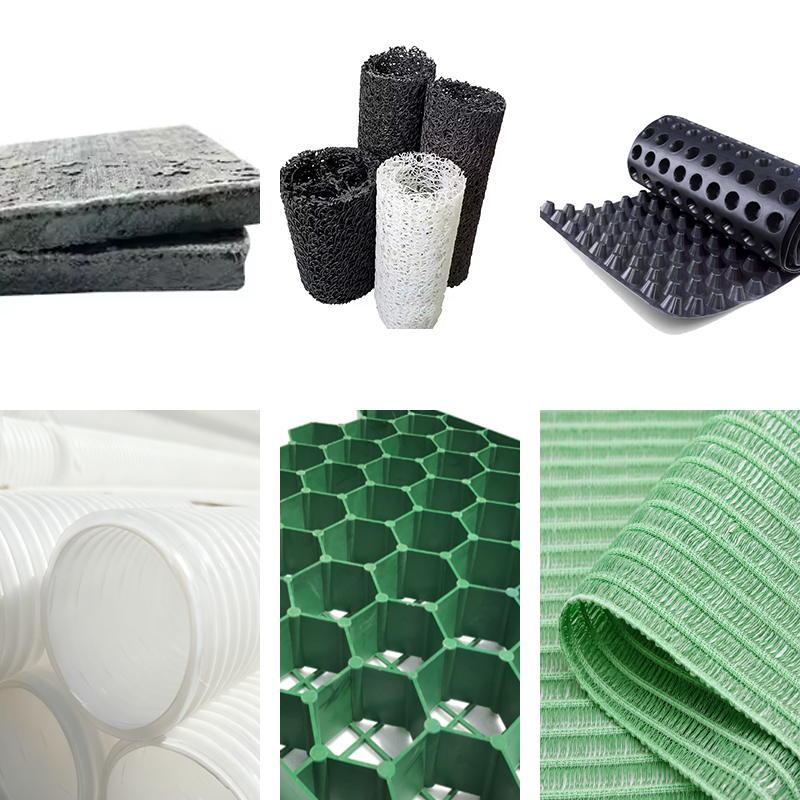
In large infrastructure projects, durable Geotextile Fabric for drainage and reinforcement is often combined with aggregate layers, drainage pipes, or erosion control methods to create a more durable solution. These integrated systems improve stability and extend the service life of the installation.
How to Calculate Extra Material for Geotextile Fabric Projects
Material estimation should never rely only on surface dimensions. Real-world installations involve trimming, overlap joints, curves, and unexpected adjustments on-site. Adding extra material helps prevent delays and ensures continuous coverage.
For example, if a project area requires 10,000 square feet of coverage, contractors typically order an additional 500 to 1,000 square feet to account for waste and overlap requirements. This small buffer often prevents costly interruptions during construction.
Accurate planning also improves budgeting and logistics, especially for large commercial or civil engineering projects where transportation and storage costs are significant.
Accurately estimating Geotextile Fabric requirements is essential for successful construction and stabilization projects. By carefully measuring the site, selecting the correct roll dimensions, planning overlaps, and including safety allowances, contractors can reduce waste while improving installation efficiency. A properly selected and installed geotextile system delivers long-term performance in drainage, filtration, reinforcement, and erosion control applications.
Get Free Sample
We’ll respond as soon as possible(within 12 hours)