

+86-159 9860 6917
info@geofantex.com
geofantex@gmail.com
+86-400-8266163-44899
Does Geotextile Fabric for Slope Erosion Control Prevent Soil Erosion?
Yes. Geotextile fabric for slope erosion control can help reduce soil loss caused by rainfall, surface runoff, and water movement. Depending on the product and installation method, the fabric creates a protective and filtering layer that limits soil particle migration while allowing controlled water movement.
Its main functions include:
- Surface protection: Reduces direct exposure of vulnerable soil to rainfall and flowing water.
- Soil stabilization: Helps limit movement and washout of soil particles.
- Filtration: Allows water to pass while retaining soil fines, reducing internal erosion.
- Drainage: Helps manage excess water that could otherwise contribute to instability.
Geotextiles can also be incorporated into systems that include vegetation, erosion-control mats, drainage layers, or other geosynthetics.
How Geotextile Fabric for Slope Erosion Control Improves Slope Stability
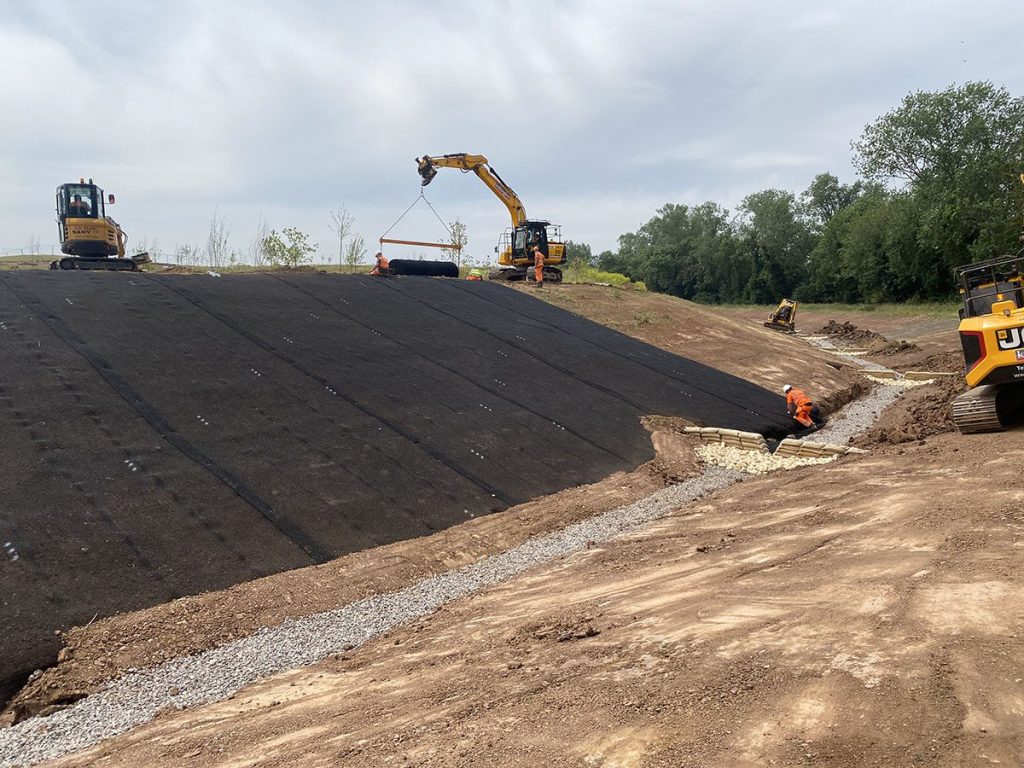
A properly designed geotextile fabric for slope erosion control system improves slope performance by managing both soil and water. Excess moisture and uncontrolled runoff are common contributors to erosion, so effective filtration and drainage are important parts of slope protection.
Geotextile Fabric Slope Stabilization Methods in Engineering
Geotextiles can be installed beneath aggregate, riprap, erosion-control systems, or other protective layers. The fabric separates the underlying soil from the covering material and helps prevent fine particles from being washed through voids.
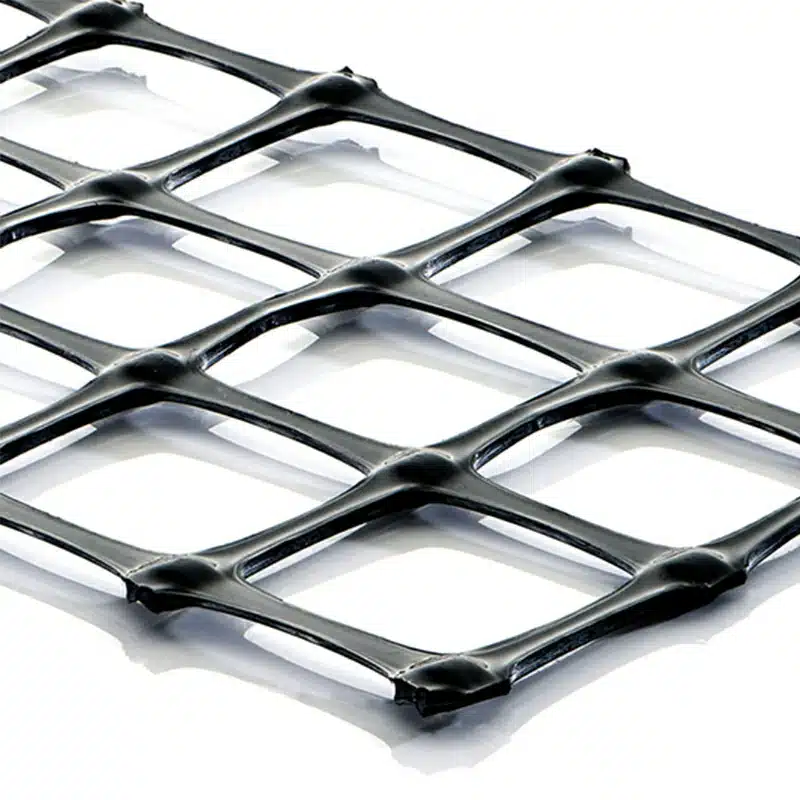
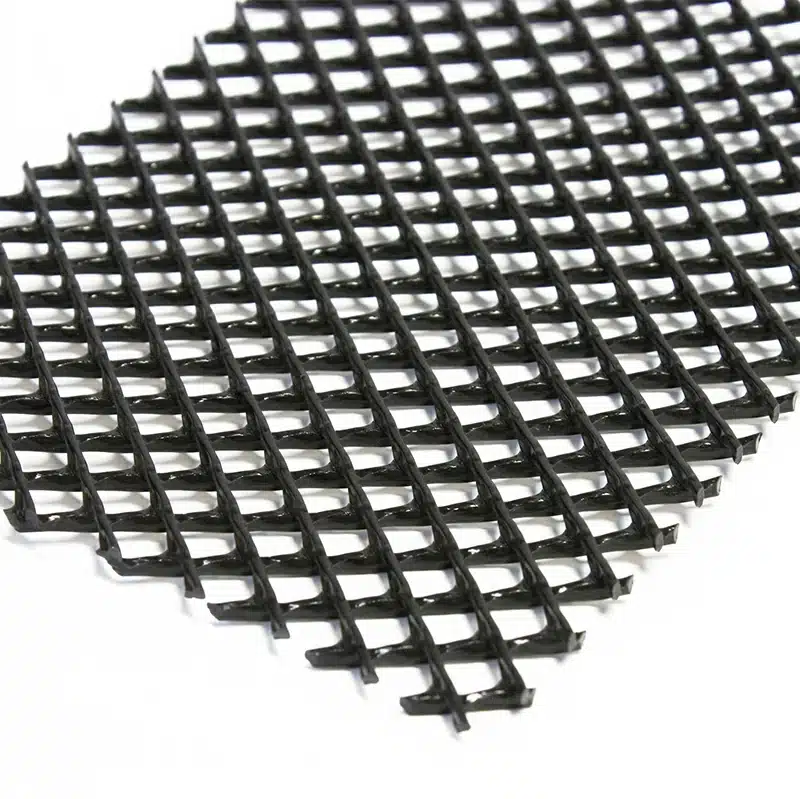
On road embankments and engineered slopes, geotextiles may also be combined with geogrids, geocells, or other reinforcement products when additional structural stabilization is required.
How Geotextile Fabric Controls Water Flow on Slopes
Permeable geotextiles allow water to pass through while retaining soil particles. This filtration mechanism helps reduce soil migration and supports effective drainage.
However, the geotextile itself should not be considered a complete drainage system in every application. Drainage pipes, granular layers, channels, or other water-management measures may be required depending on groundwater conditions, rainfall intensity, and slope geometry.
What Do You Put on a Slope to Prevent Erosion?
The appropriate erosion-control system depends on slope angle, soil characteristics, expected water flow, vegetation requirements, and the intended service life.
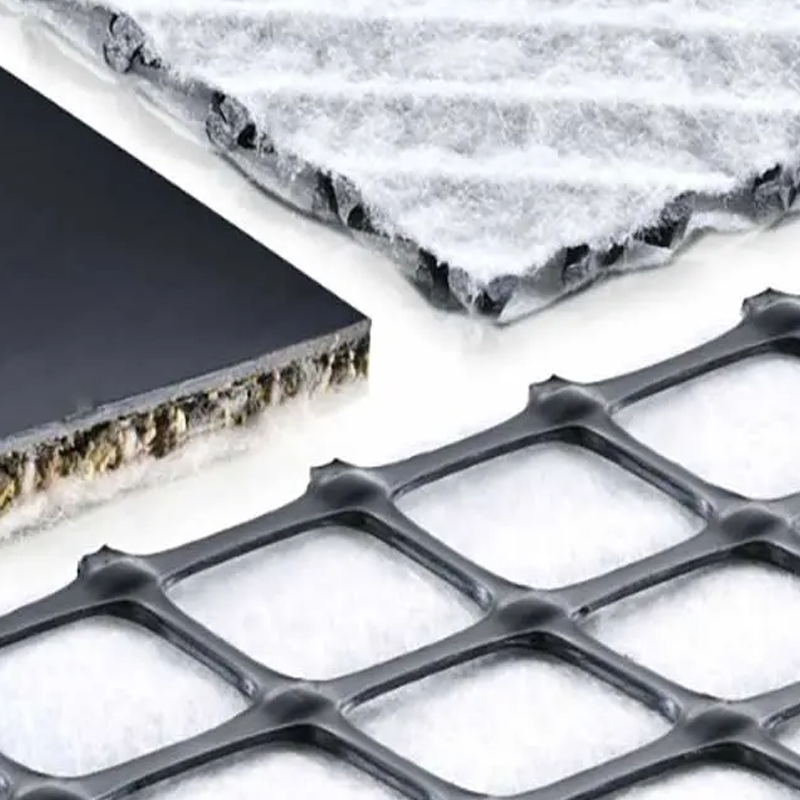
Geotextile fabric for slope erosion control can form part of a broader system incorporating several complementary methods:
- Geotextiles for filtration, separation, and soil retention
- Vegetation for long-term surface protection
- Erosion-control mats for protecting newly established soil
- Riprap or aggregate for areas exposed to stronger water flow
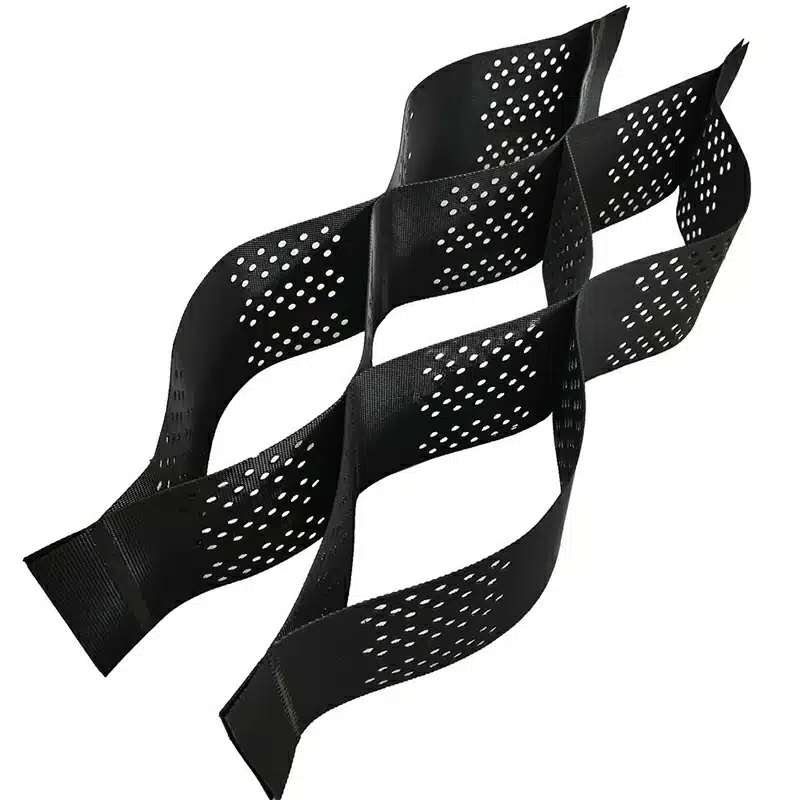
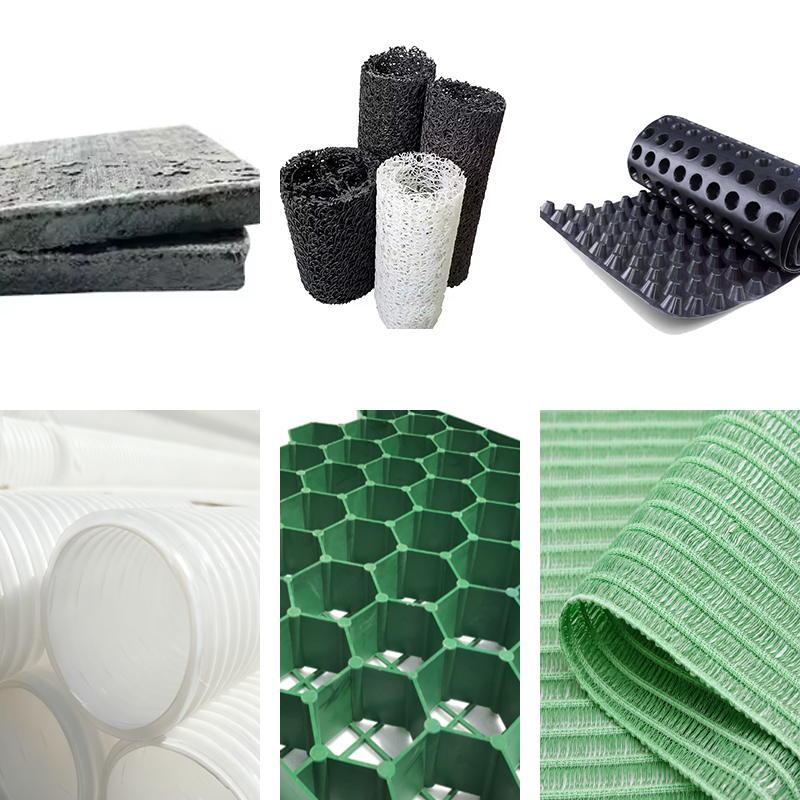
- Geocells for confinement of soil or aggregate
- Drainage systems for controlling groundwater and runoff
Selecting Geotextile Fabric for Erosion-Prone Slopes
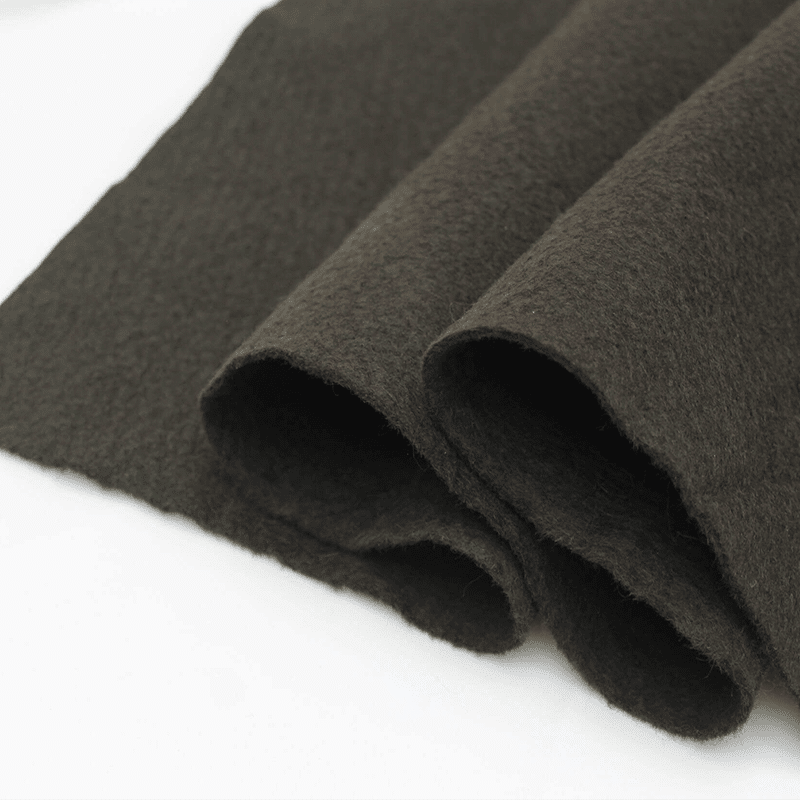
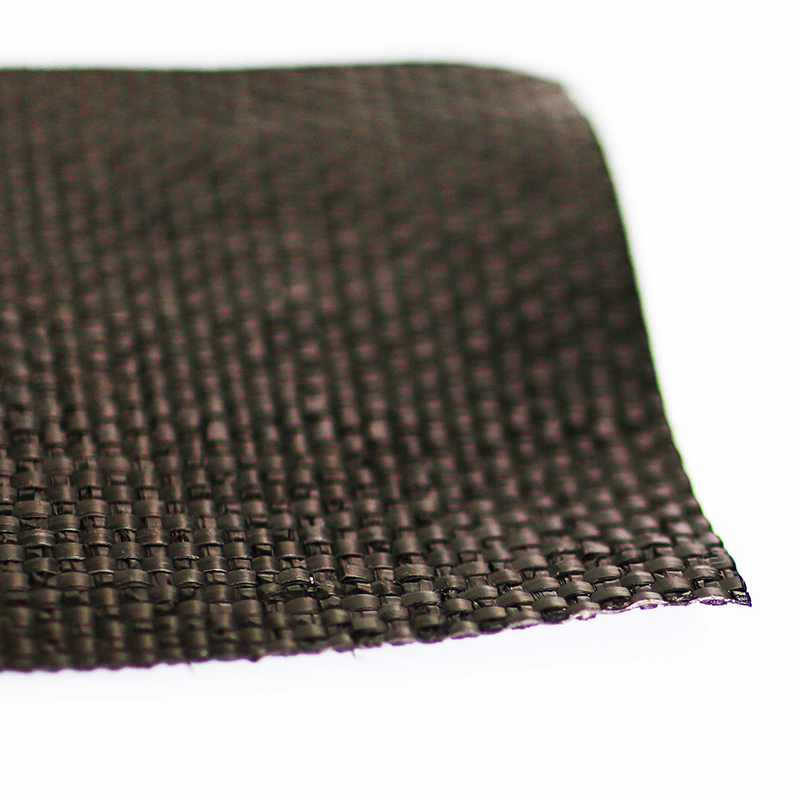
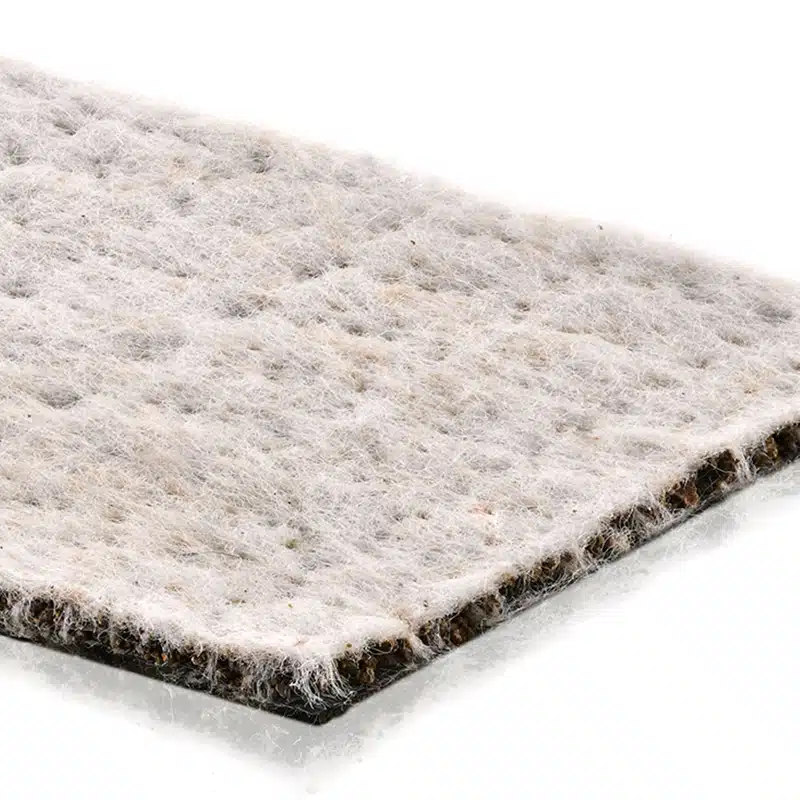
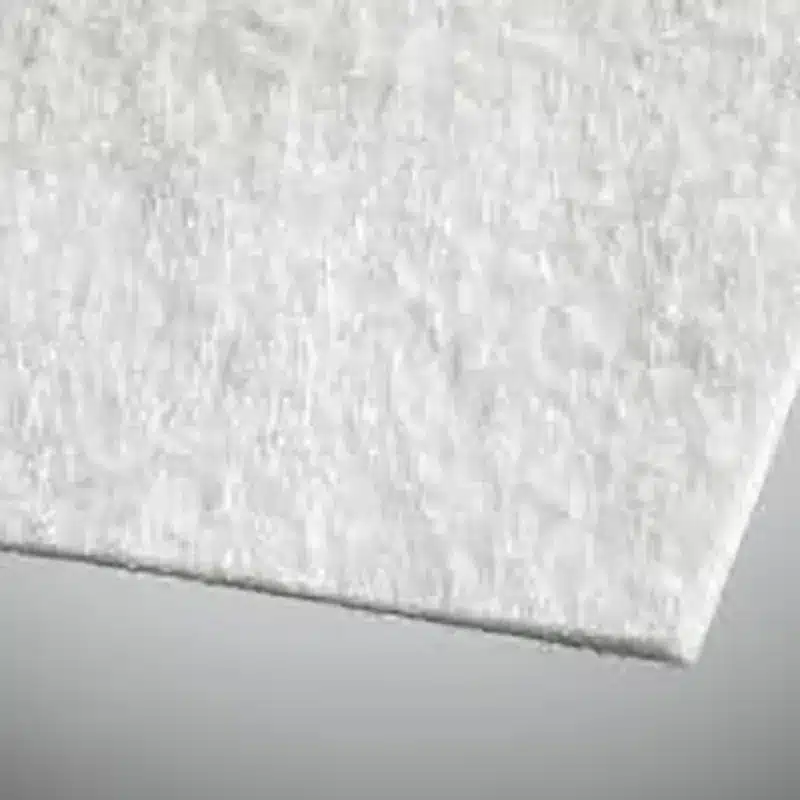
Nonwoven geotextiles are commonly specified where filtration and drainage are primary requirements. Woven products may be selected when higher tensile properties or separation performance are required.
Selection should consider permeability, apparent opening size, tensile strength, puncture resistance, soil gradation, and installation conditions rather than relying only on fabric weight.
Combining Geotextiles with Vegetation
Vegetation can complement geotextile erosion protection by developing root systems that help retain surface soil. On suitable slopes, combining geosynthetics with vegetation can provide both immediate protection and longer-term erosion resistance.
What Is the Best Solution for Slope Erosion Control?
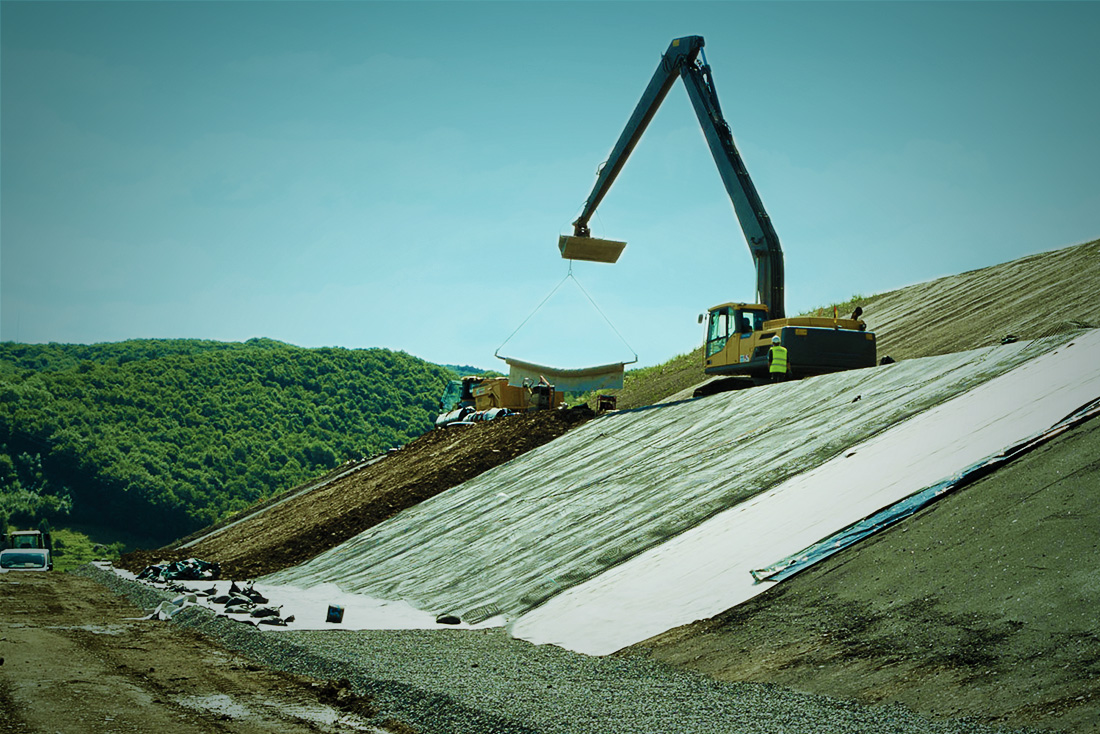
There is no single product suitable for every slope. In many projects, geotextile fabric for slope erosion control works most effectively as one component of an integrated erosion-management system.
Mild slopes with limited runoff may require geotextiles and vegetation, while steep slopes or areas exposed to concentrated water flow may need geocells, riprap, drainage structures, or engineered reinforcement.
The design should account for rainfall, runoff velocity, soil conditions, slope geometry, groundwater, and expected loads. Matching the geotextile properties to these conditions is essential for reliable performance.
Where Is Geotextile Fabric Best Used?
Typical applications include road embankments, landscaped slopes, riverbanks, drainage structures, retaining-wall systems, construction sites, and erosion-prone hillsides.
In these applications, geotextile fabric for slope erosion control helps retain soil, separate different materials, filter water, and protect vulnerable surfaces. Correct installation—including appropriate overlaps, anchoring, surface preparation, and drainage—is equally important to material selection.
Overall, geotextiles provide a versatile method of managing erosion and water movement on slopes. When properly specified and combined with suitable vegetation, drainage, aggregate, or reinforcement systems, they can improve slope stability and provide durable protection for civil engineering and landscaping projects.

Get Free Sample
We’ll respond as soon as possible(within 12 hours)