

+86-159 9860 6917
info@geofantex.com
geofantex@gmail.com
+86-400-8266163-44899
Geosynthetics for slope stabilization are engineered materials used to reinforce soil, manage drainage, and control erosion on natural and constructed slopes. For contractors, engineers, and project owners, selecting the right system requires evaluating soil conditions, slope geometry, groundwater, surface runoff, and design loads. Geogrids, geotextiles, geocells, and erosion control products can be combined according to specific project requirements.
What Are Geosynthetics for Slope Stabilization?
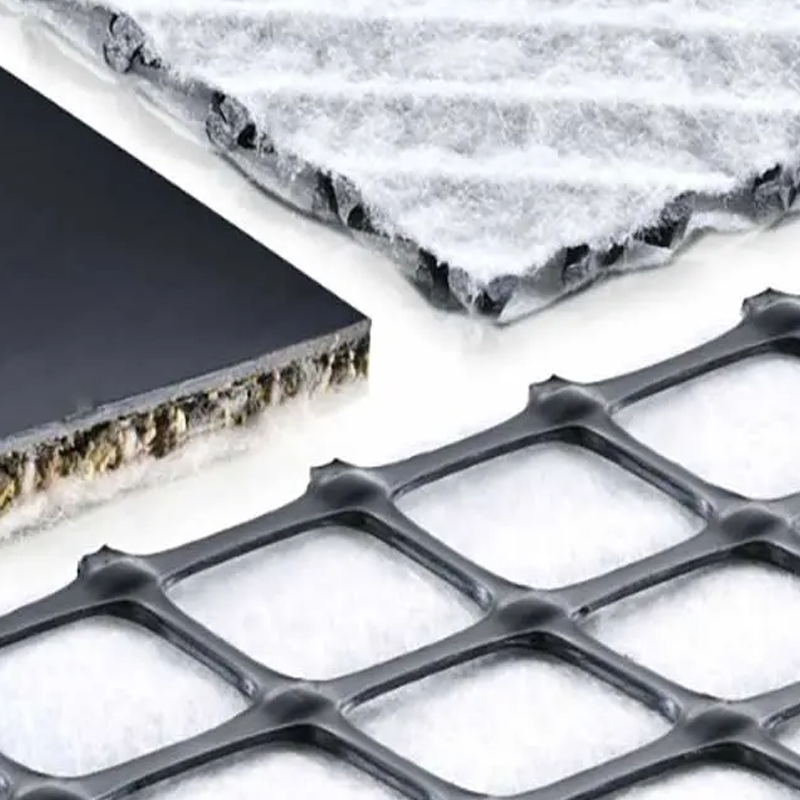
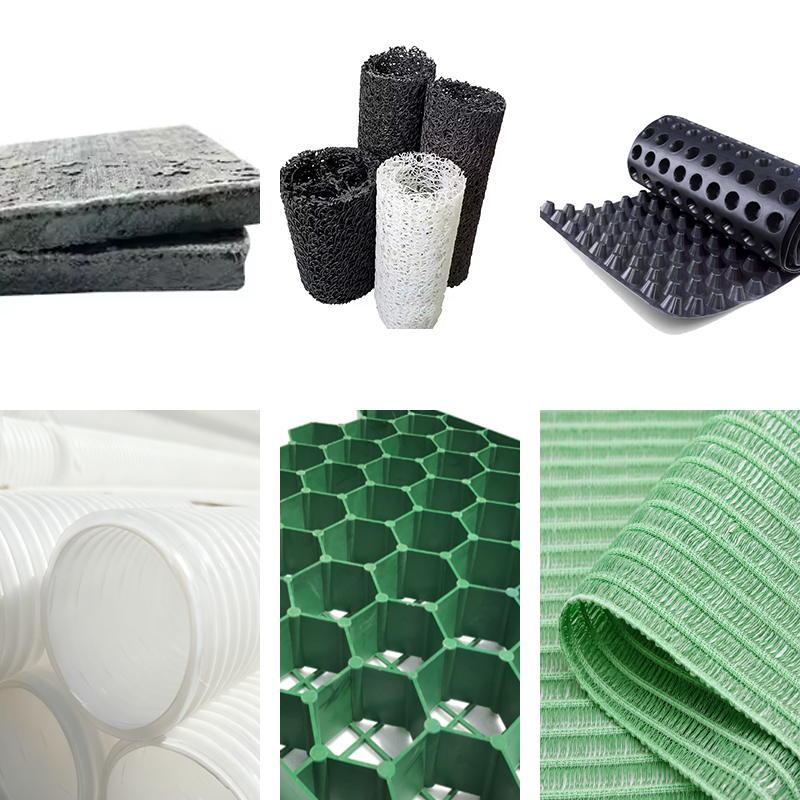
Slope stabilization systems use different geosynthetic products to address specific geotechnical and hydraulic problems. The main options include geogrids, woven and nonwoven geotextiles, geocells, geomats, drainage geocomposites, and erosion control systems.
Each product performs a different function:
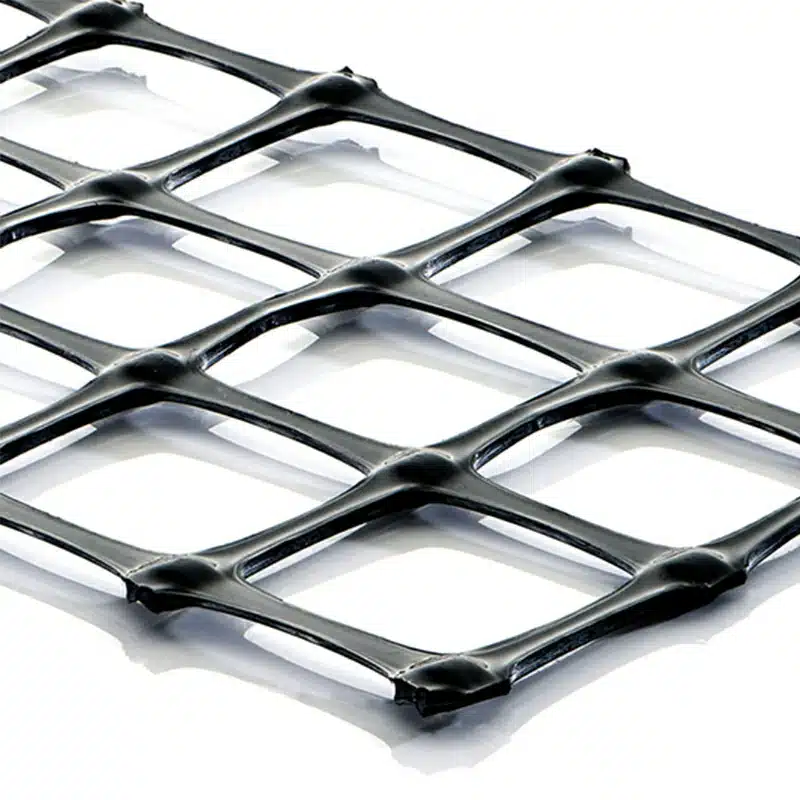
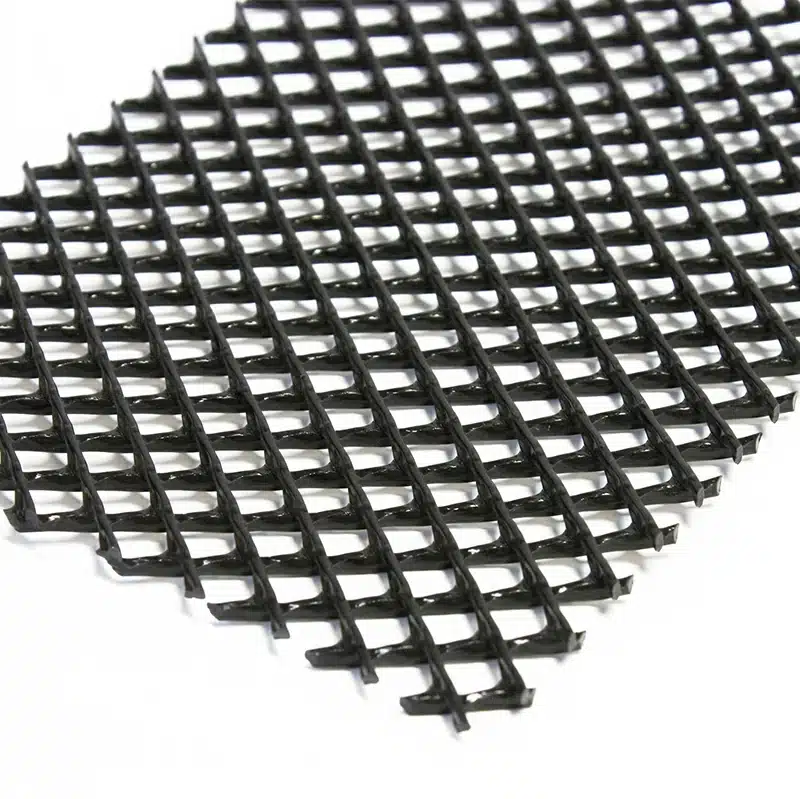
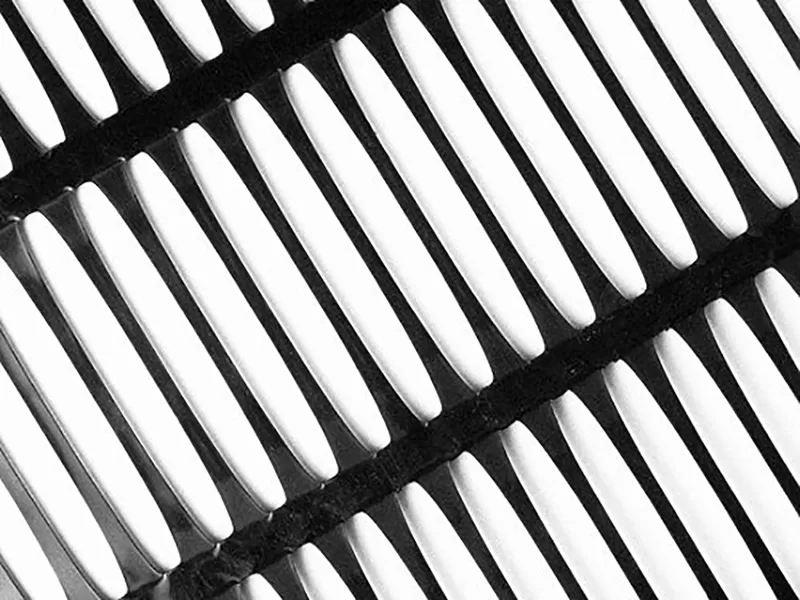
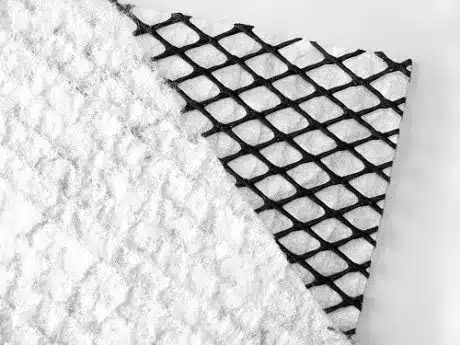
- Geogrids provide tensile reinforcement within soil layers.
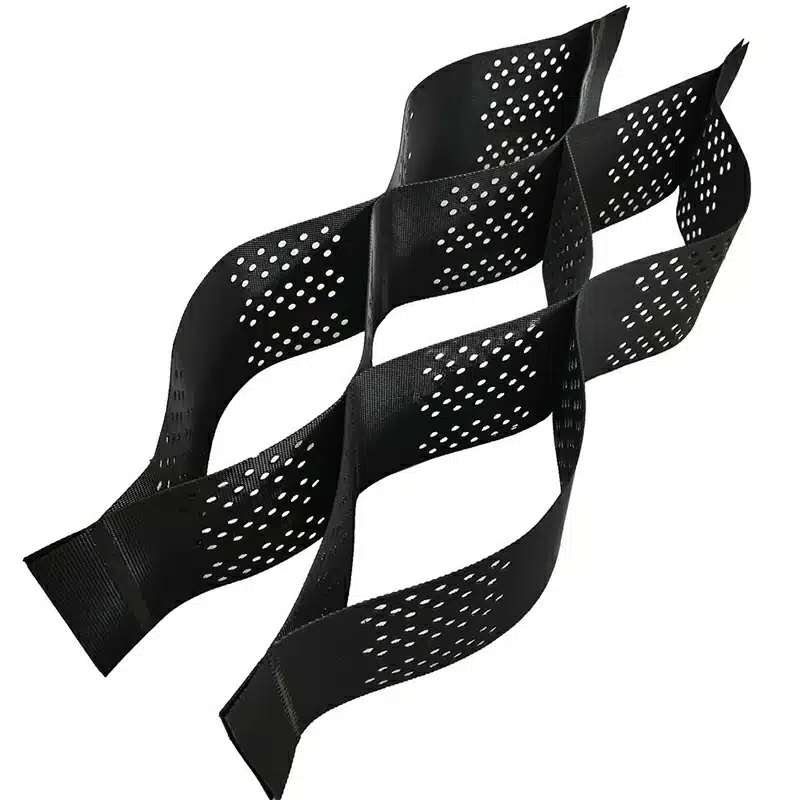
- Geocells confine soil or aggregate in a three-dimensional cellular structure.
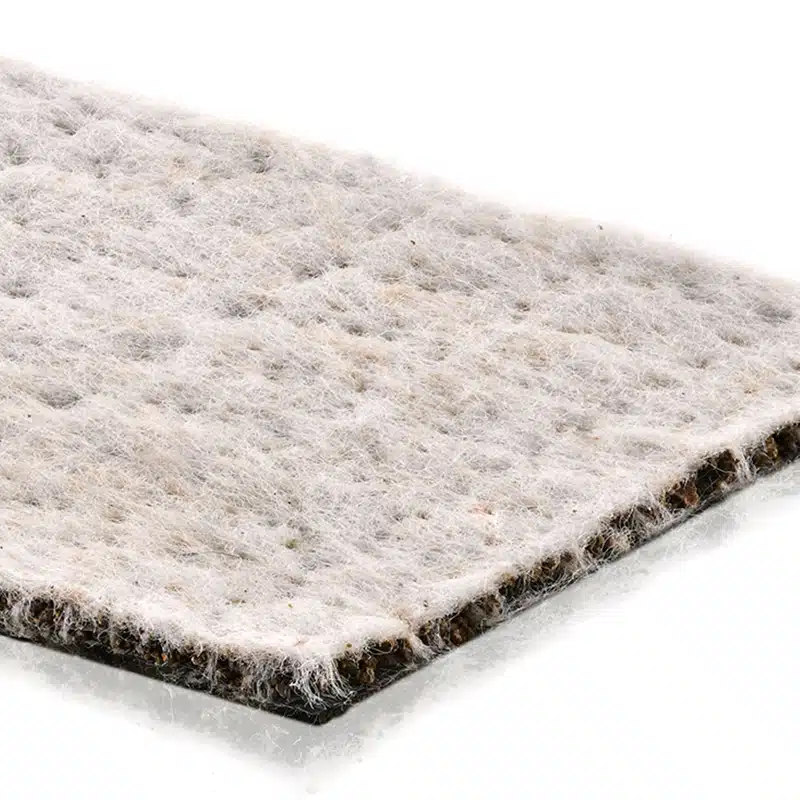
- Geotextiles provide separation, filtration, drainage, or protection.
- Geomats help protect exposed surfaces against erosion and can support vegetation.
- Drainage geocomposites help collect and convey water.
Therefore, geosynthetics for slope stabilization should be selected as components of an engineered system rather than as interchangeable products.
How Do Geosynthetics Reinforce a Slope?
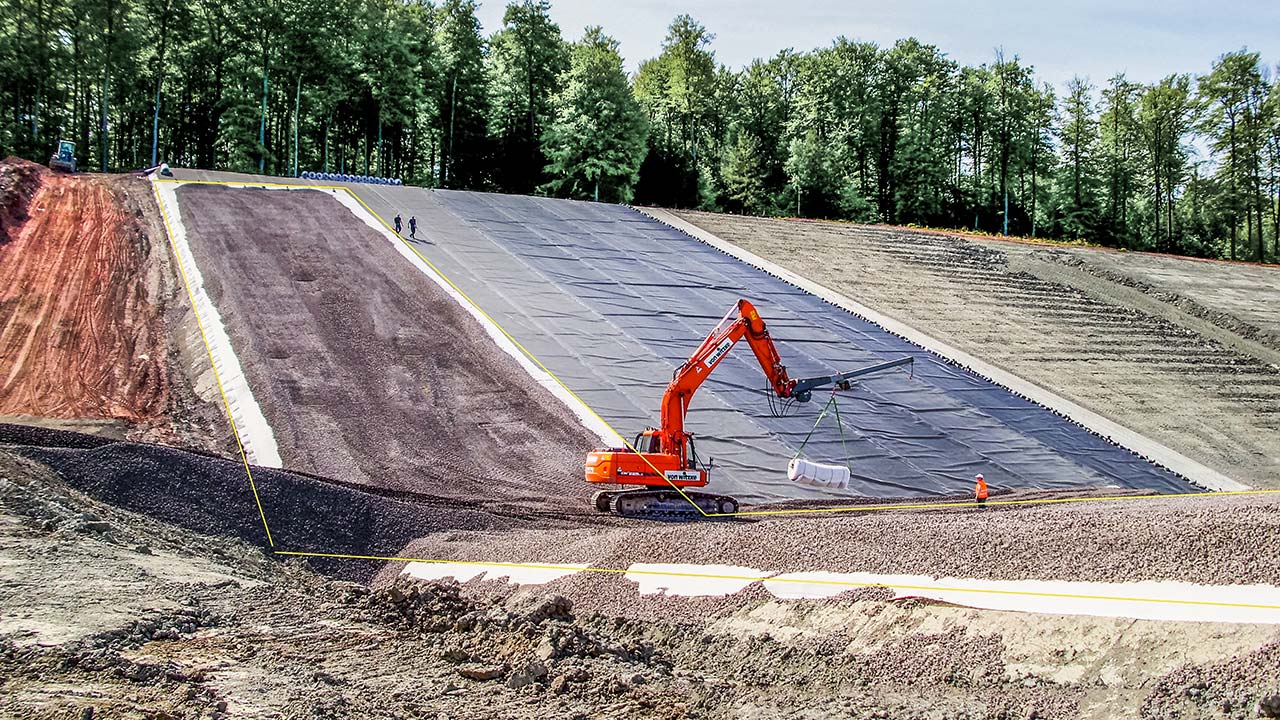
For reinforced soil slopes, geogrids are commonly installed in horizontal layers within compacted fill. Their tensile properties and interaction with the surrounding soil help restrict movement and improve the stability of the reinforced soil mass.
Geocells work differently. Their cellular structure provides lateral confinement to soil or aggregate, making them particularly useful for surface stabilization and erosion-prone slopes.
The design should consider slope height and angle, soil shear strength, reinforcement spacing, tensile properties, external loads, and required service life.
Using geosynthetics for slope stabilization does not eliminate the need for geotechnical analysis. Steep or high-risk slopes should be designed based on project-specific stability calculations.
How Are Geosynthetics Used for Erosion Control?
Surface erosion and deep-seated slope instability are different problems. A slope can be structurally stable while still experiencing soil loss caused by rainfall and runoff.
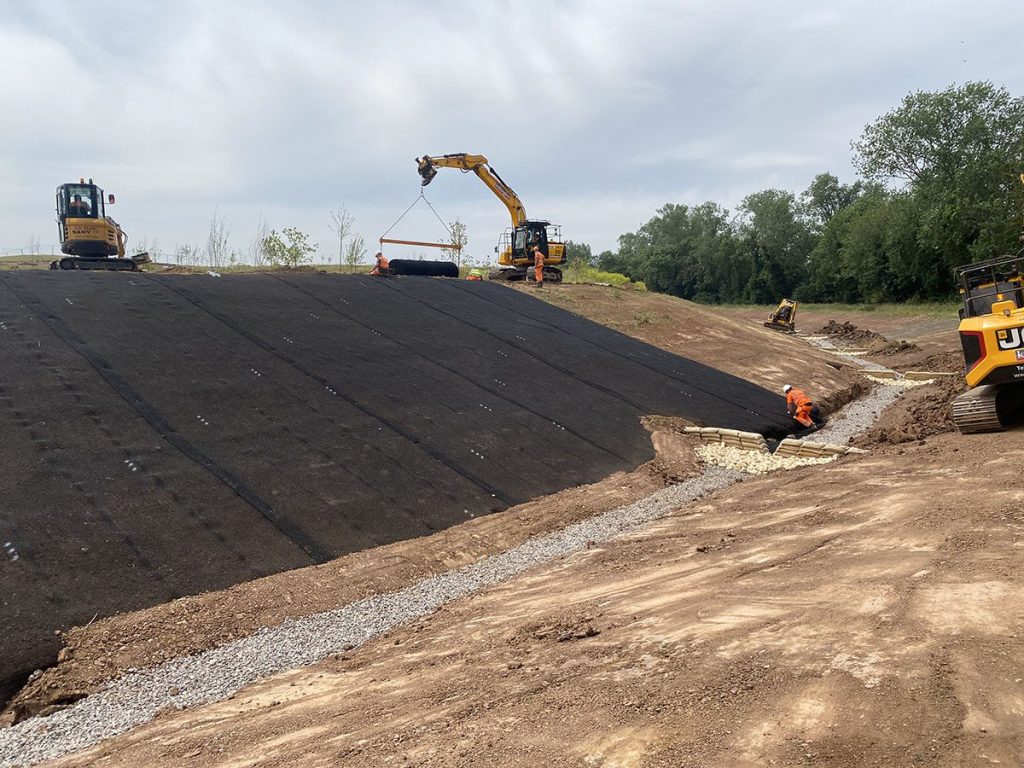
Geotextiles, geomats, geocells, and erosion control products can protect exposed soil and reduce particle movement. Some systems also support vegetation establishment, allowing roots to provide additional long-term surface protection.
For channels, embankments, road slopes, and riverbanks, geosynthetics for slope stabilization may be combined with vegetation, rock protection, or other erosion control measures.
The appropriate solution depends on runoff velocity, slope inclination, soil characteristics, vegetation requirements, and expected environmental exposure.
Why Is Drainage Important for Slope Stability?
Water is a critical factor in slope performance. Infiltration and groundwater can increase pore water pressure and reduce effective soil strength, while surface runoff can accelerate erosion.
A nonwoven geotextile can provide filtration by allowing water to pass while retaining soil particles. Drainage geocomposites can collect and convey water where dedicated subsurface drainage is required.
Surface drains, toe drains, drainage trenches, and other conventional measures may also form part of the system.
As a result, effective geosynthetics for slope stabilization often combine reinforcement with appropriate filtration and drainage rather than relying on reinforcement alone.
What Methods Can Be Combined on Steep Slopes?
Complex slopes often require several stabilization techniques working together. Depending on site conditions, these may include:
- Geogrid reinforcement: strengthens engineered fill and reinforced soil slopes.
- Geocell confinement: stabilizes surface materials and supports erosion protection.
- Erosion control mats: protect exposed soil against rainfall and runoff.
- Retaining structures: provide structural support where slope geometry or loading requires additional restraint.
- Soil nails or anchors: reinforce existing soil masses in suitable engineered applications.
- Vegetation: provides surface protection and root reinforcement where environmental conditions permit.
- Drainage systems: control surface water and groundwater.
Before purchasing materials, project teams should identify whether the primary problem is structural instability, erosion, drainage, or a combination of these factors.
What Is Geotextile for Slope Stabilization?
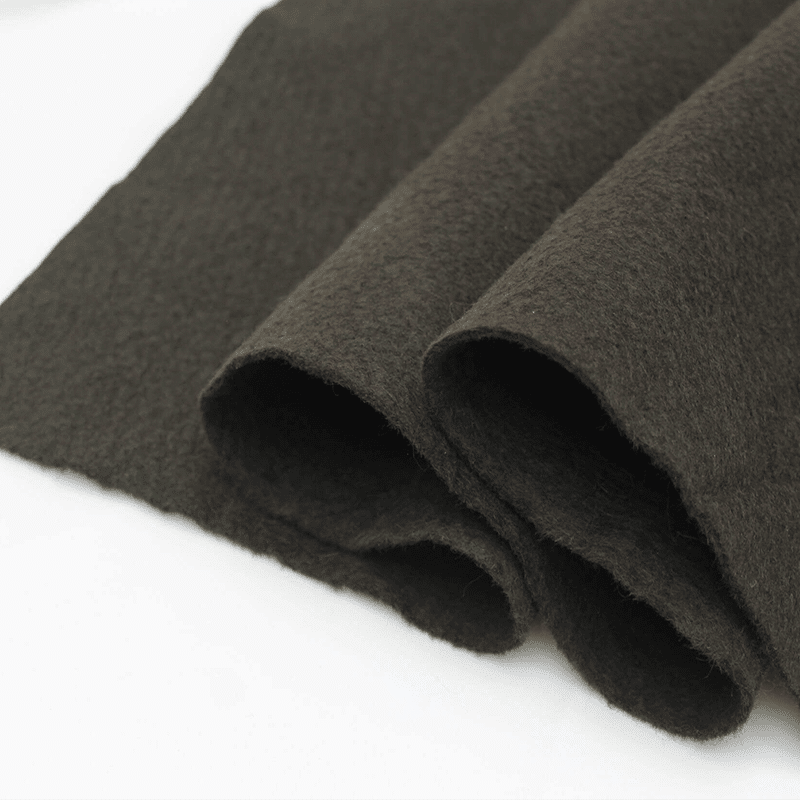
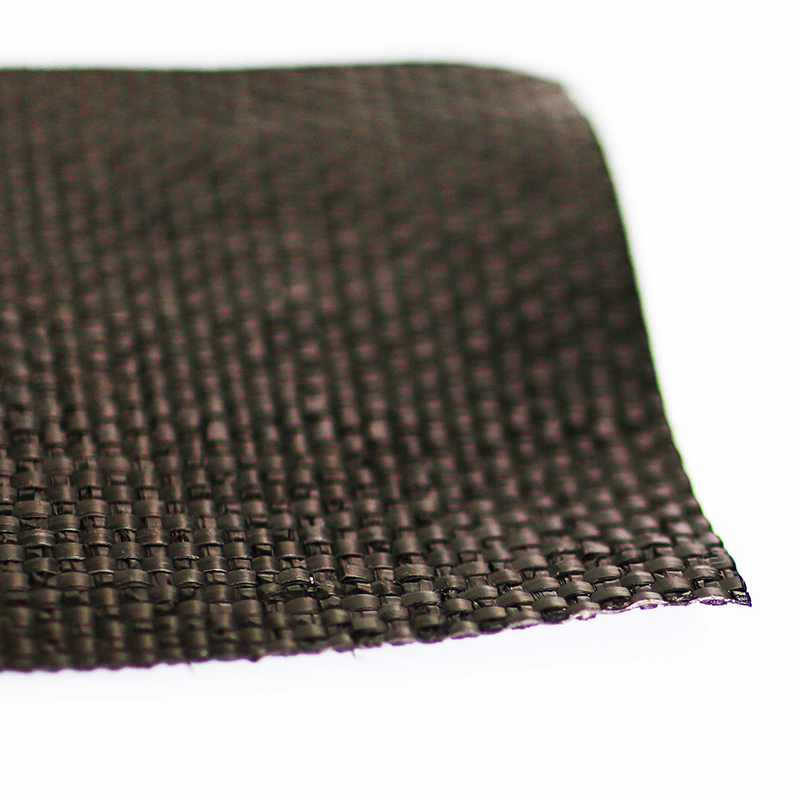
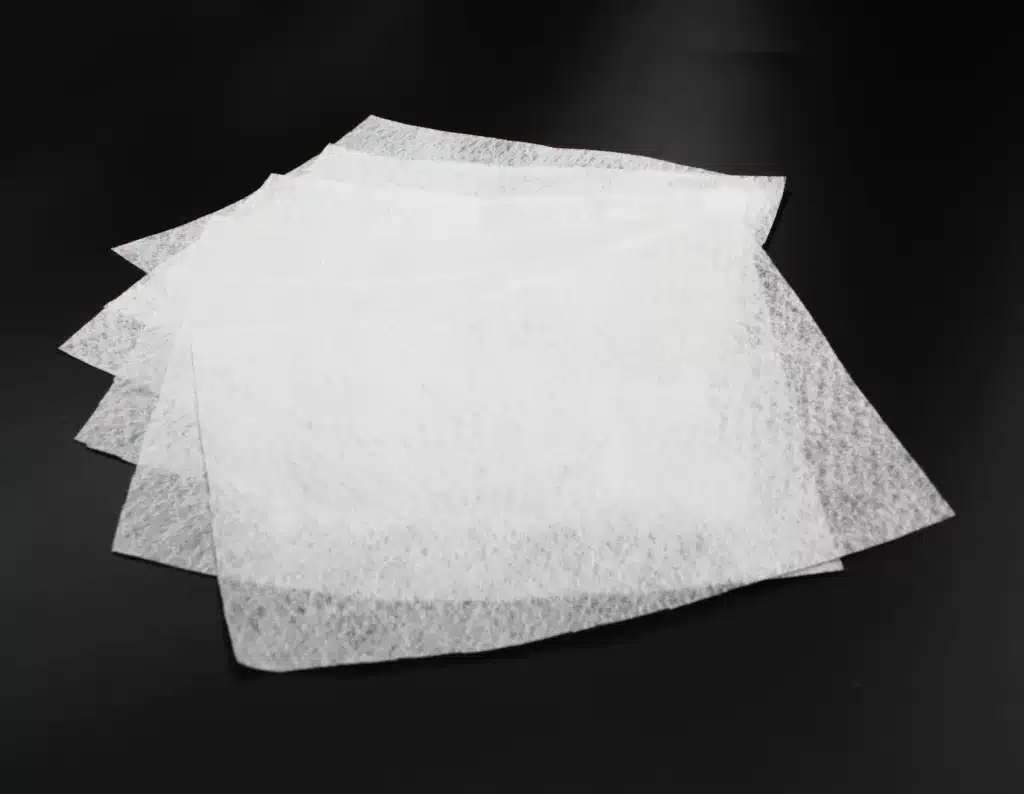
Geotextile is a permeable geosynthetic commonly used for filtration, separation, drainage, and protection. Its exact function depends on whether a woven or nonwoven product is specified.
For example, nonwoven geotextile can be placed beneath rock protection to retain fine soil while allowing water to pass. It may also be incorporated into drainage systems to prevent soil particles from clogging granular drainage layers.
Geotextile should not automatically be considered a substitute for structural reinforcement. Where significant tensile reinforcement is required, geogrid or another engineered reinforcement system may be more appropriate.
How to Select Geosynthetics for Slope Stabilization
Before selecting geosynthetics for slope stabilization, evaluate the slope geometry, soil properties, groundwater conditions, runoff, loads, erosion risk, and design life.
Buyers should also review tensile properties, hydraulic performance, polymer type, roll dimensions, installation requirements, and applicable project specifications. Selecting products solely by unit price can result in materials that do not perform the required engineering function.
For procurement, providing the supplier with slope height, angle, soil information, required function, technical specifications, quantity, and delivery destination helps identify suitable products and improves quotation accuracy.
A properly designed system can combine reinforcement, drainage, filtration, and erosion control to provide more reliable long-term slope performance.
Get Free Sample
We’ll respond as soon as possible(within 12 hours)