

+86-159 9860 6917
info@geofantex.com
geofantex@gmail.com
+86-400-8266163-44899
What is the role of geotextiles in landfills?
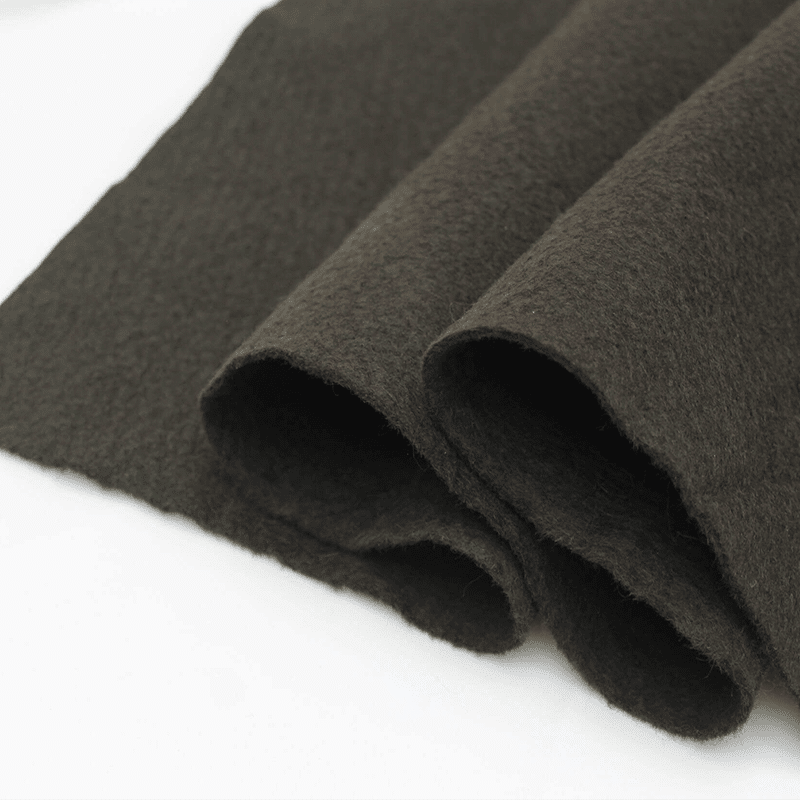
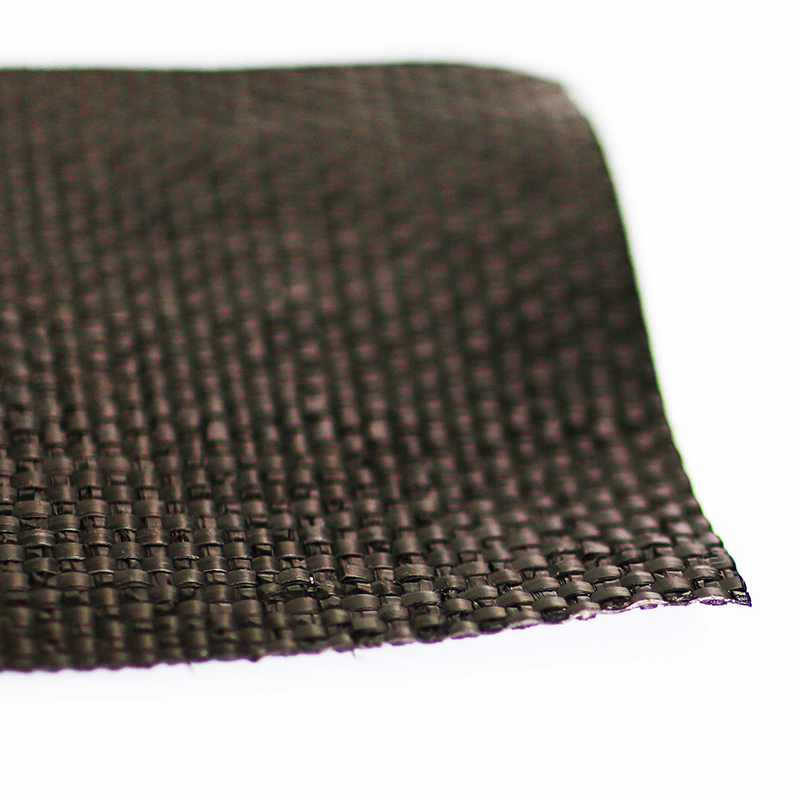
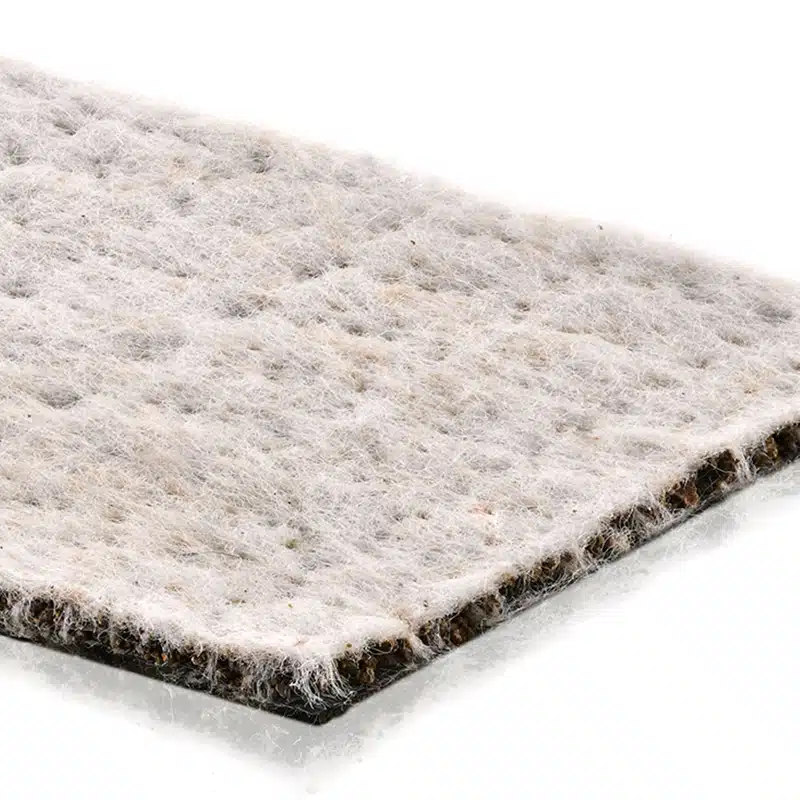
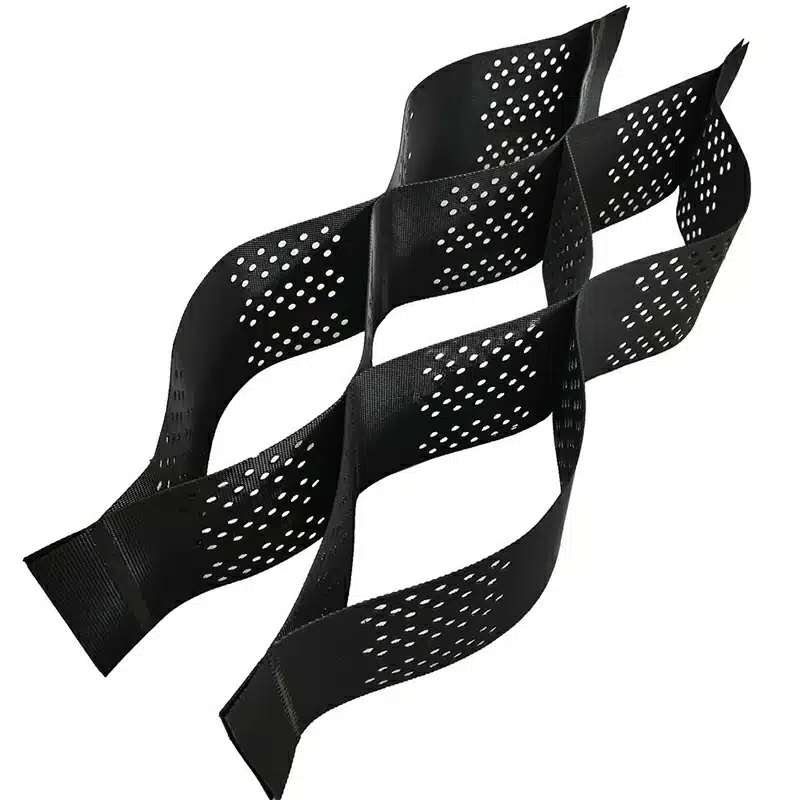
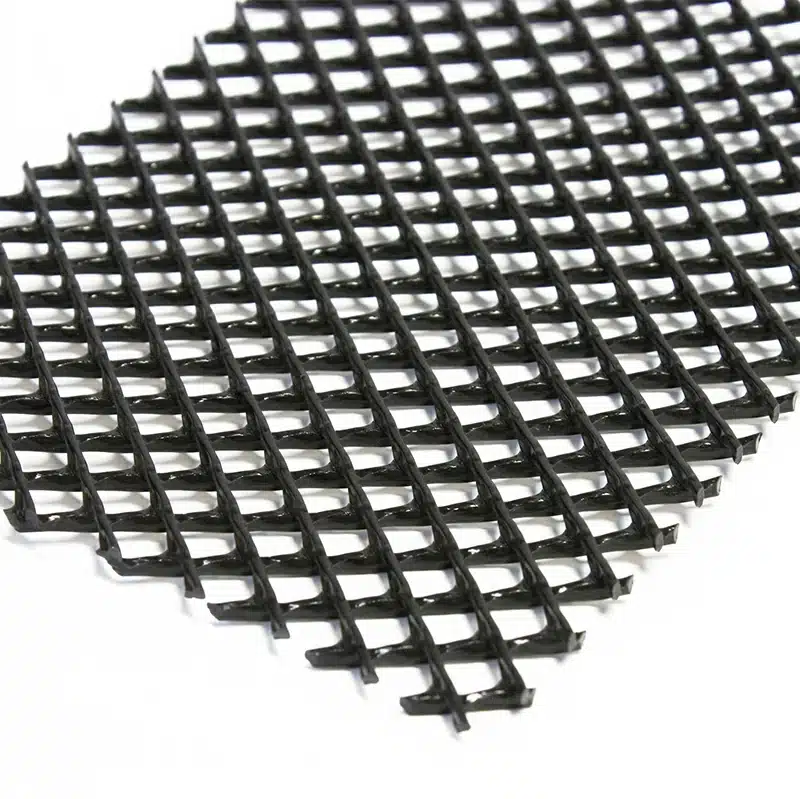
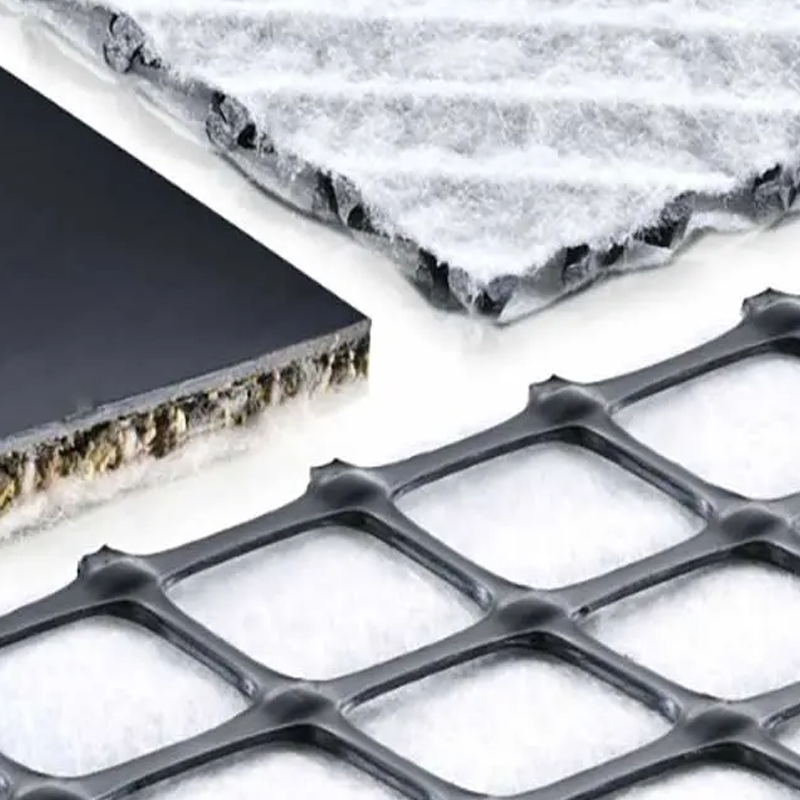
Geotextiles in Landfills perform several critical engineering functions that improve both landfill performance and environmental protection throughout the facility’s lifespan.
Their primary functions include:
- Separation: Prevent mixing between waste, soil, drainage aggregates, and protective layers.
- Reinforcement: Improve the bearing capacity of weak subgrades and minimize differential settlement.
- Drainage: Allow water and leachate to flow efficiently while preventing drainage media from clogging.
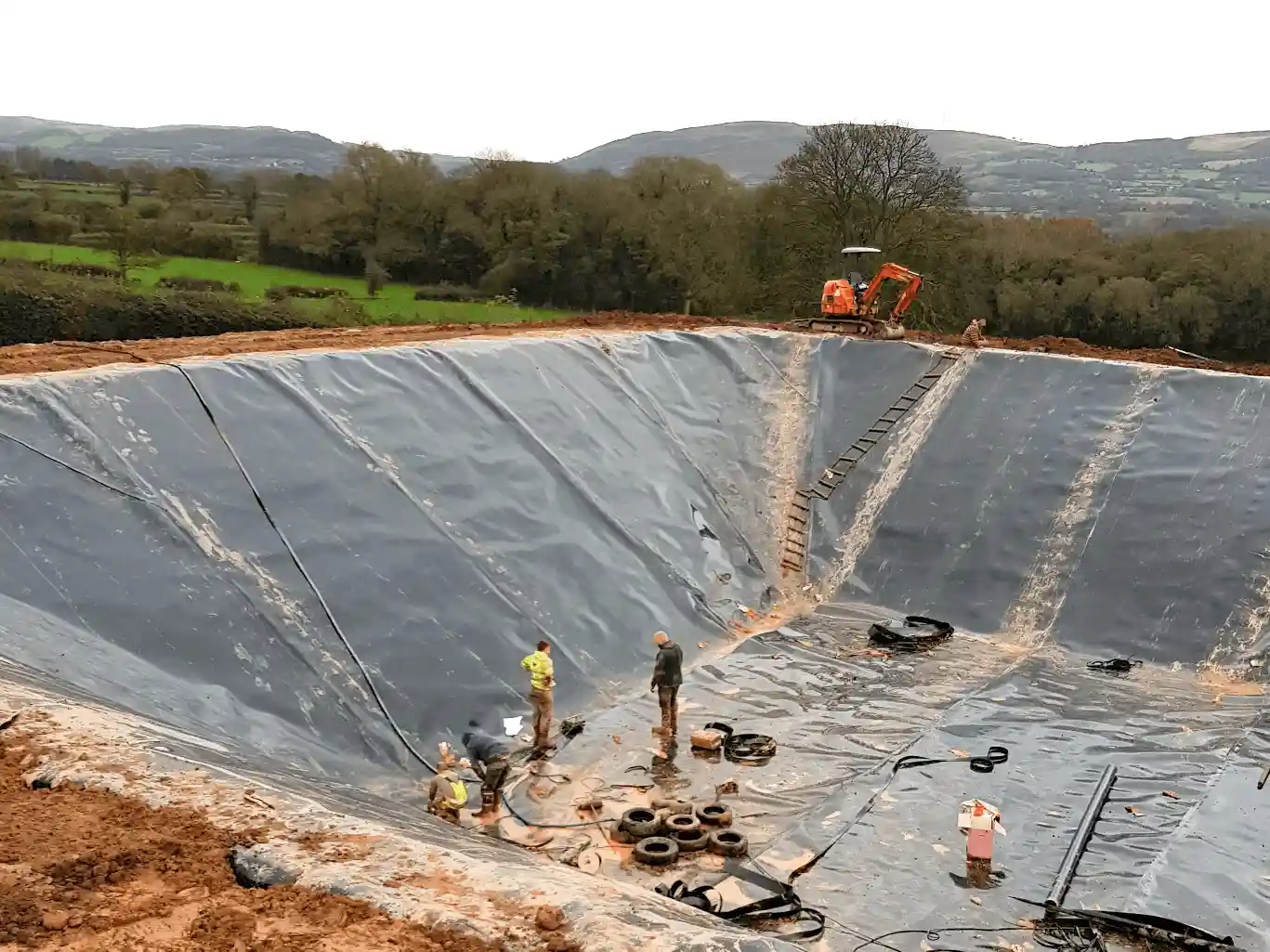
- Leachate Containment: Protect geomembranes and support containment systems that prevent groundwater contamination.
- Erosion Control: Stabilize landfill cover systems and side slopes against rainfall and surface runoff.
- Gas Management: Support landfill gas collection layers for the safe extraction of methane and other gases.
Together, these functions improve landfill safety, structural stability, and long-term environmental performance.
Are Geotextiles in Landfills Environmentally Friendly?
Geotextiles in Landfills are considered environmentally responsible engineering materials because they improve containment performance and reduce the environmental impact of landfill operations.
Although most landfill geotextiles are manufactured from polypropylene or polyester rather than biodegradable fibers, they provide several sustainability benefits:
- Reduce soil erosion around landfill structures.
- Improve leachate collection efficiency.
- Protect groundwater by supporting containment systems.
- Reduce the need for additional construction materials.
- Extend landfill service life through durable engineering design.
- Lower long-term maintenance and rehabilitation costs.
Their durability and recyclability make synthetic geotextiles a practical solution for long-term environmental infrastructure projects.
How Do Geotextiles in Landfills Help Protect Groundwater?
Geotextiles support engineered containment systems by protecting geomembrane liners and maintaining effective filtration and drainage. These functions help the overall liner system manage leachate and reduce the risk of contaminants reaching surrounding soil and groundwater.
Are Synthetic Geotextiles in Landfills Sustainable?
Synthetic geotextiles are designed for long service life in demanding environmental conditions. Their durability can reduce replacement requirements, material consumption, and maintenance over the operating life of a landfill.
Can Geotextiles Reduce the Environmental Impact of Landfills?
Yes. By supporting erosion control, leachate management, liner protection, and drainage, geotextiles can improve the environmental performance of engineered landfill systems. Their effectiveness depends on appropriate material selection, design, and installation.
Why are landfills designed in layers?
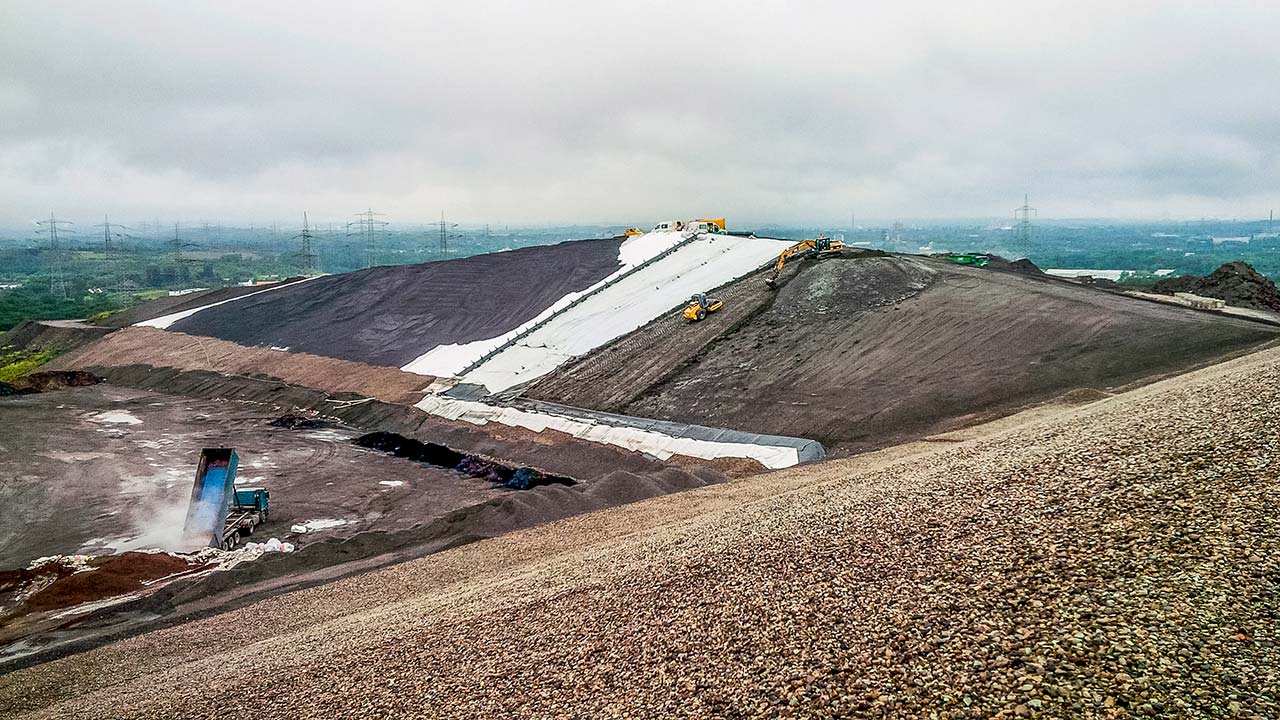
Modern landfills are constructed using multiple engineered layers to safely isolate waste from the surrounding environment and ensure long-term operational stability.
Each layer performs a specific function:
- Waste containment
- Geomembrane waterproofing
- Geotextile protection and filtration
- Leachate collection
- Drainage
- Gas collection
- Soil cover and vegetation support
Within this multilayer system, geotextiles separate different materials, reinforce weak soils, facilitate drainage, protect geomembranes, and maintain the integrity of both leachate and gas collection systems. Their integration into layered landfill design significantly improves operational safety while minimizing environmental risks.
Geotextiles play a vital role in modern landfill engineering by ensuring structural integrity, managing leachate, and minimizing environmental impact. While not biodegradable, their use in landfill construction contributes to sustainable waste management practices. Understanding their role helps in appreciating how engineering solutions can mitigate the environmental challenges posed by waste disposal.

Get Free Sample
We’ll respond as soon as possible(within 12 hours)