

+86-159 9860 6917
info@geofantex.com
geofantex@gmail.com
+86-400-8266163-44899
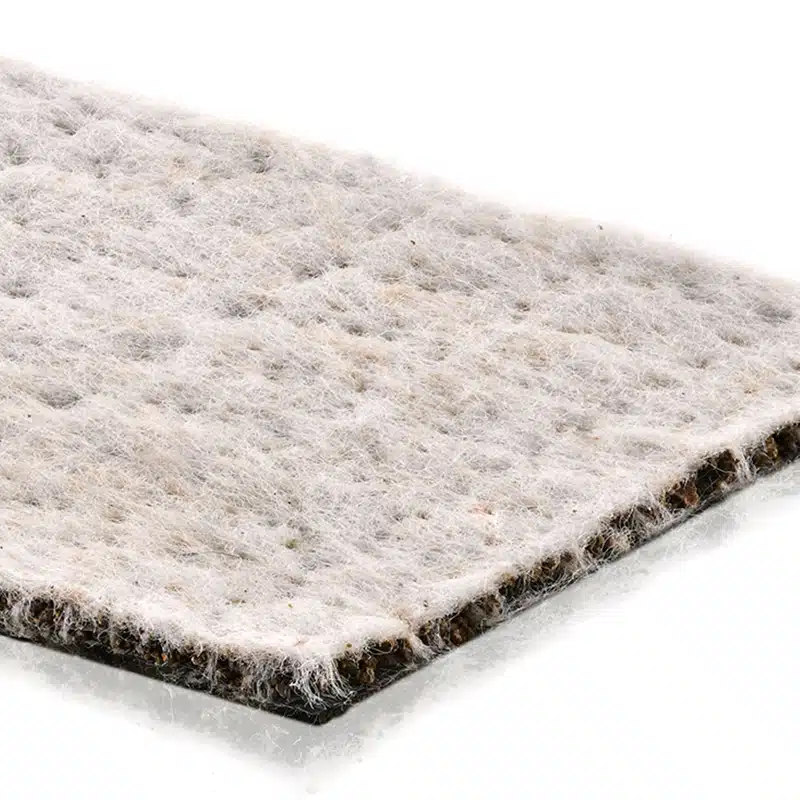
Slope stabilization is a critical aspect of civil engineering and environmental conservation. One of the most effective tools in this process is slope stabilization fabric, which plays a vital role in preventing soil erosion and maintaining the integrity of slopes. This article explores the significance of slope stabilization fabric, its applications, and how it fits into broader slope protection strategies.
What is the most effective way to stabilize a slope?
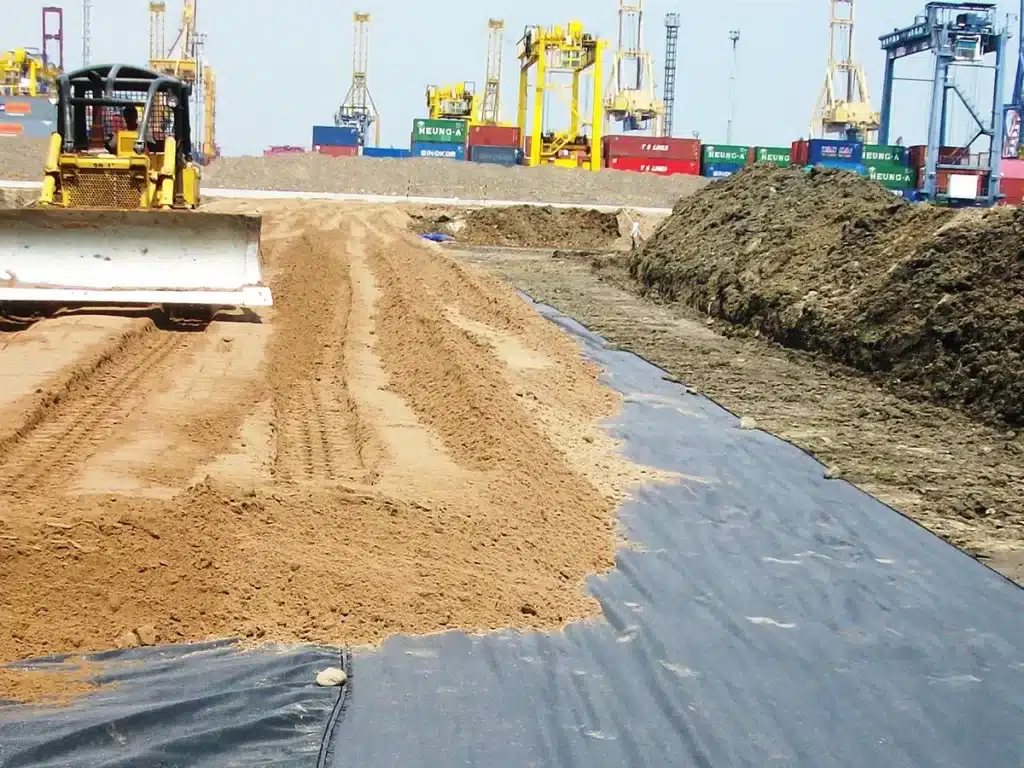
Slope stabilization fabric is an effective solution for preventing soil erosion and reinforcing unstable slopes. It is commonly used in road embankments, construction sites, and landscaping projects. Here’s how it helps:

What material is used for slope protection?
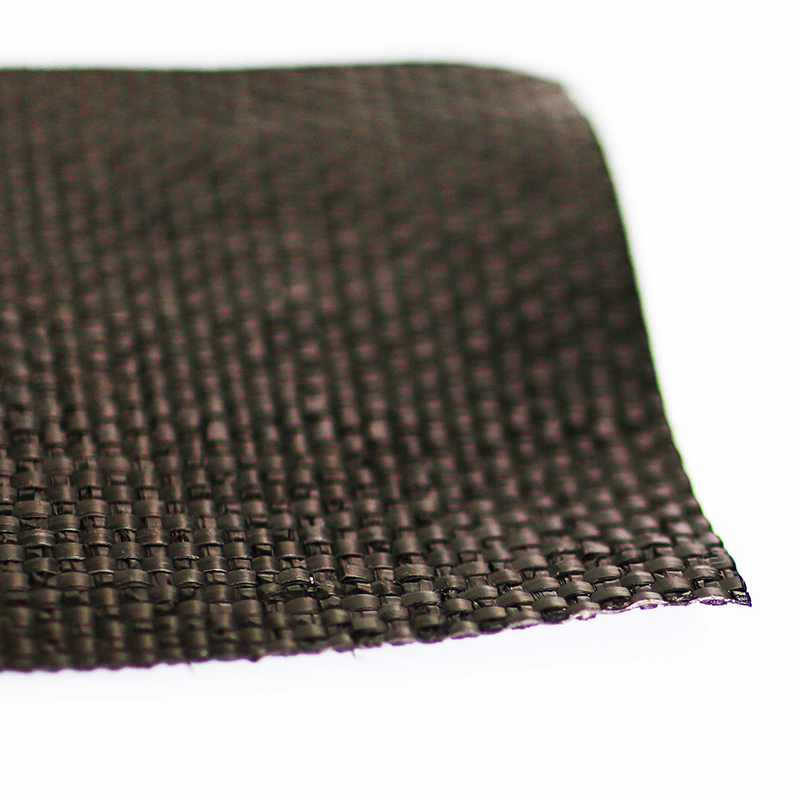
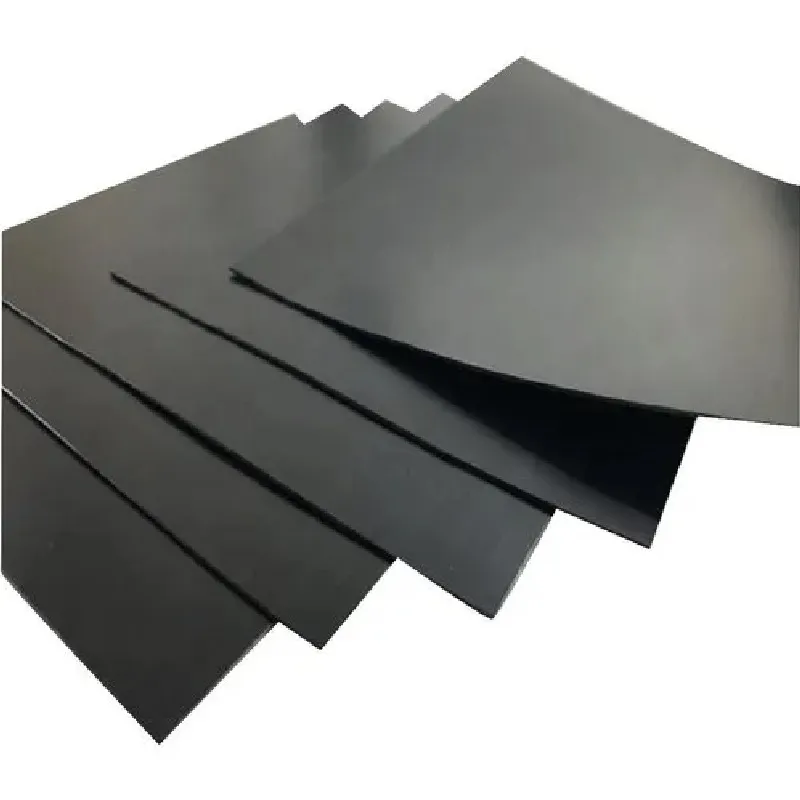
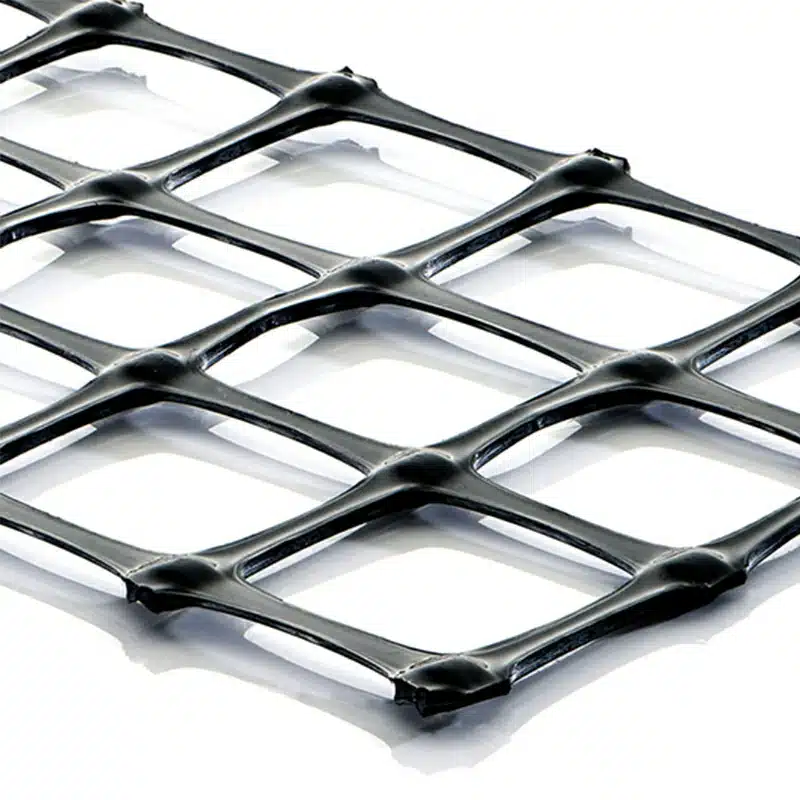
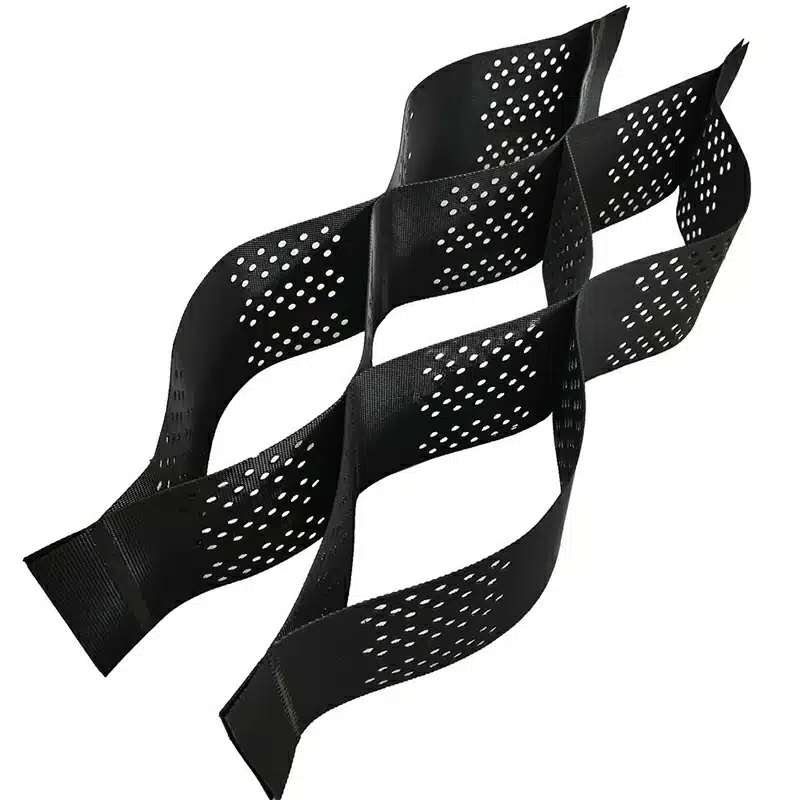
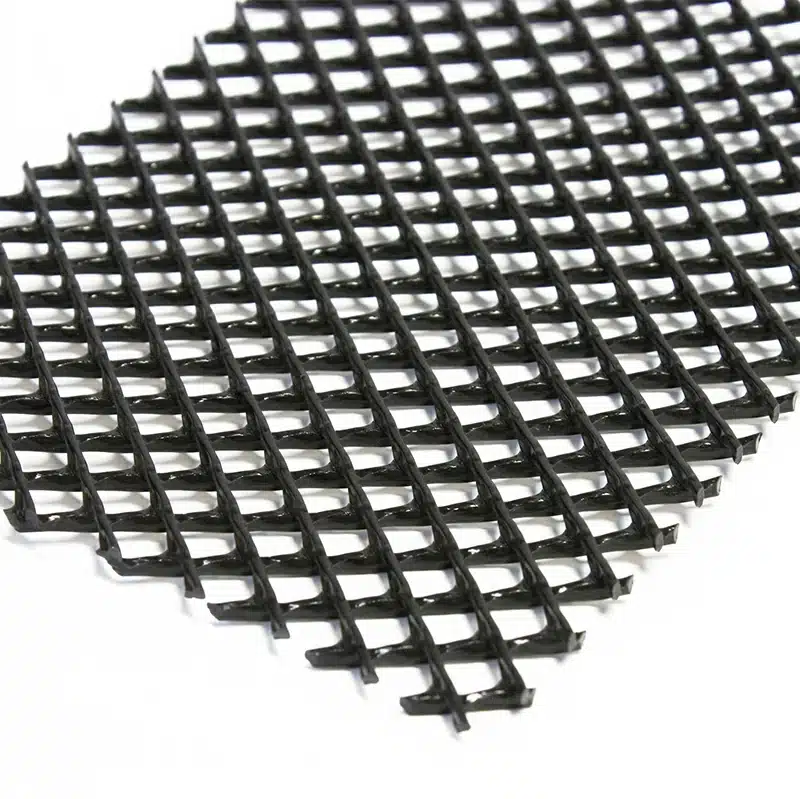
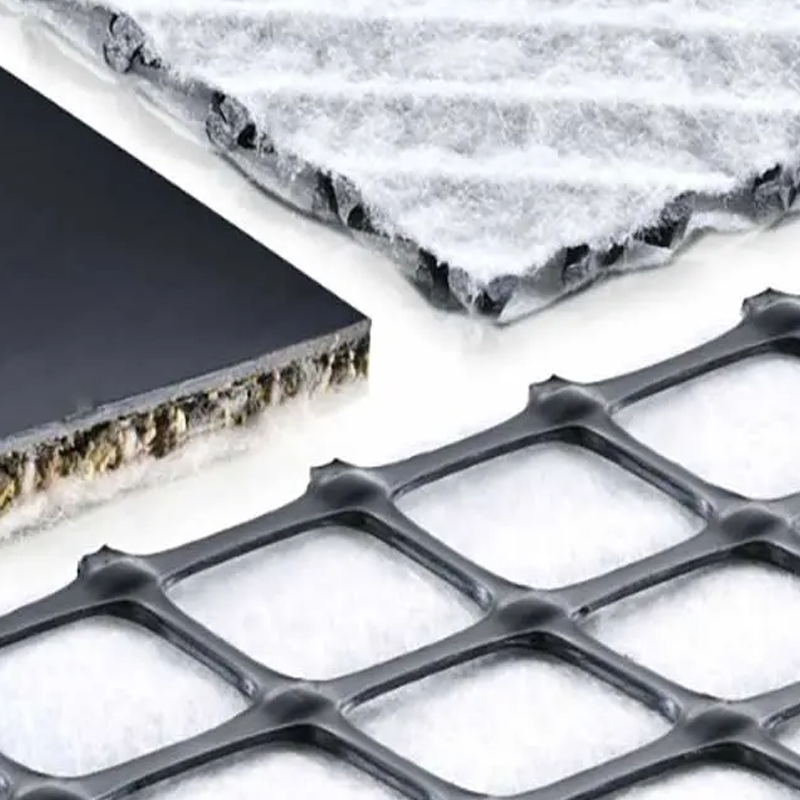
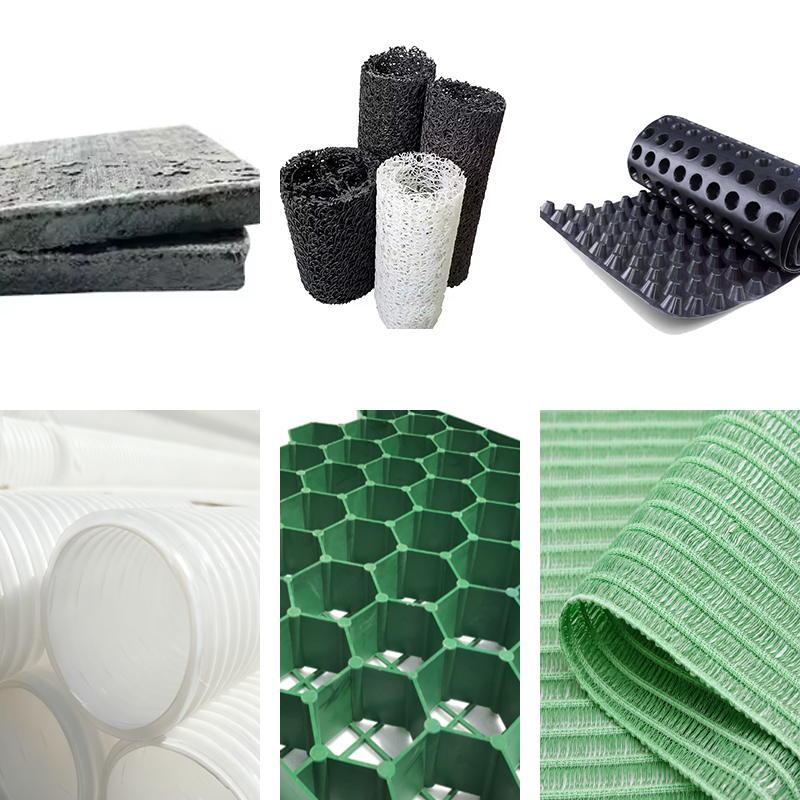
- Geosynthetics: Geosynthetics such as geotextiles, geogrids, geocells, and geomats provide soil reinforcement, filtration, and erosion control, enhancing the overall stability of slopes.
- Vegetation: Grass, ground cover plants, or hydroseeded areas naturally stabilize the soil by anchoring it with roots, reducing surface erosion and promoting long-term slope integrity.
- Hard Materials: Riprap, gabions, or concrete (shotcrete or blankets) offer strong, durable protection for steep or high-risk slopes, preventing large-scale soil movement.
- Soil Nailing and Anchoring: Steel rods or anchors reinforce unstable slopes, improving shear resistance and reducing the risk of landslides.
- Erosion Control Blankets: Made from biodegradable fibers like straw or coconut, these blankets protect seeded areas during establishment, preventing soil loss while vegetation grows.
Using these slope protection materials in combination—geosynthetics, vegetation, hard materials, and anchoring techniques—ensures both immediate stabilization and long-term erosion control, making slopes safer, more resilient, and environmentally sustainable.
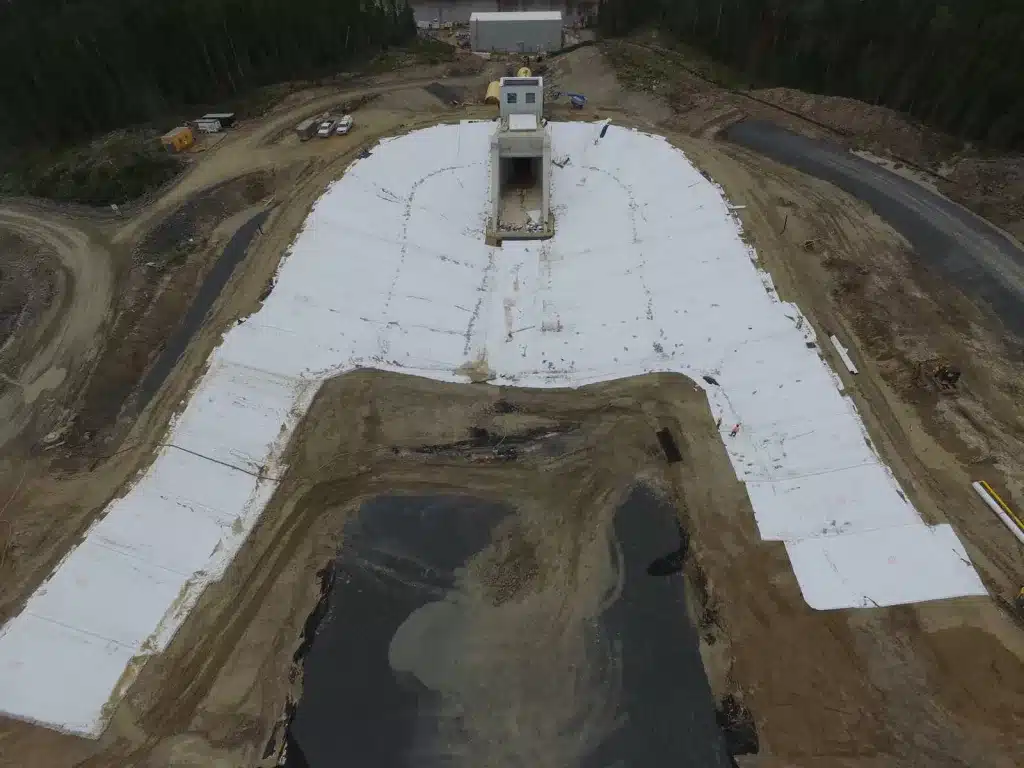
What is erosion control fabric for slopes?
Erosion control fabric for slopes is a geosynthetic or natural material designed to stabilize soil on inclined surfaces and prevent erosion. Its primary functions include:
- Soil Stabilization: Prevents soil from being washed away by rainwater or surface runoff.
- Vegetation Support: Protects seeds and young plants, promoting root growth that further anchors the soil.
- Water Management: Slows down runoff and allows controlled infiltration, reducing erosion risk.
- Slope Integrity: Maintains the overall structure of the slope, helping prevent landslides and surface failures.
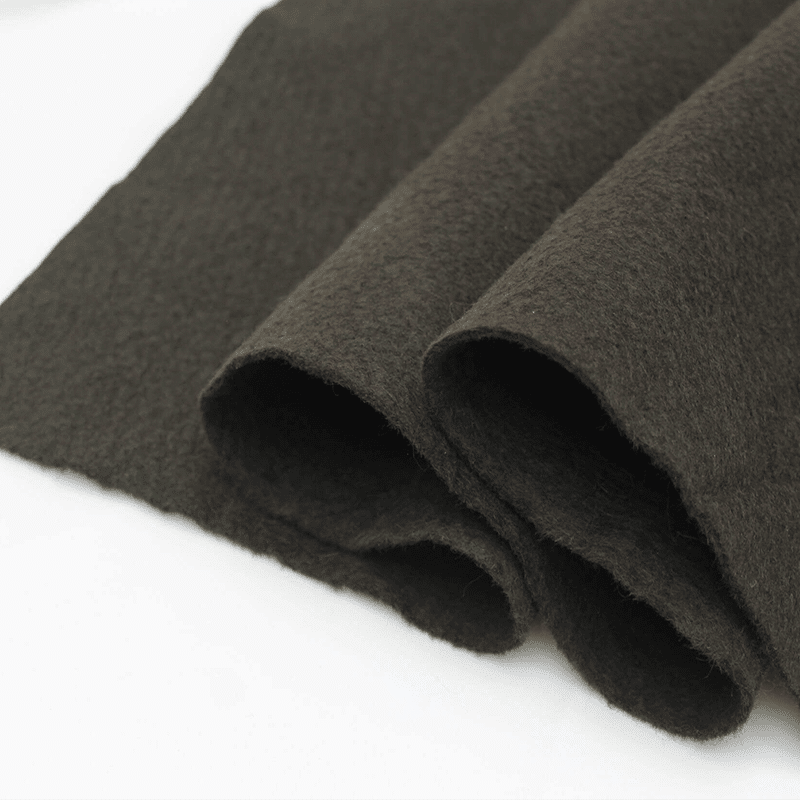
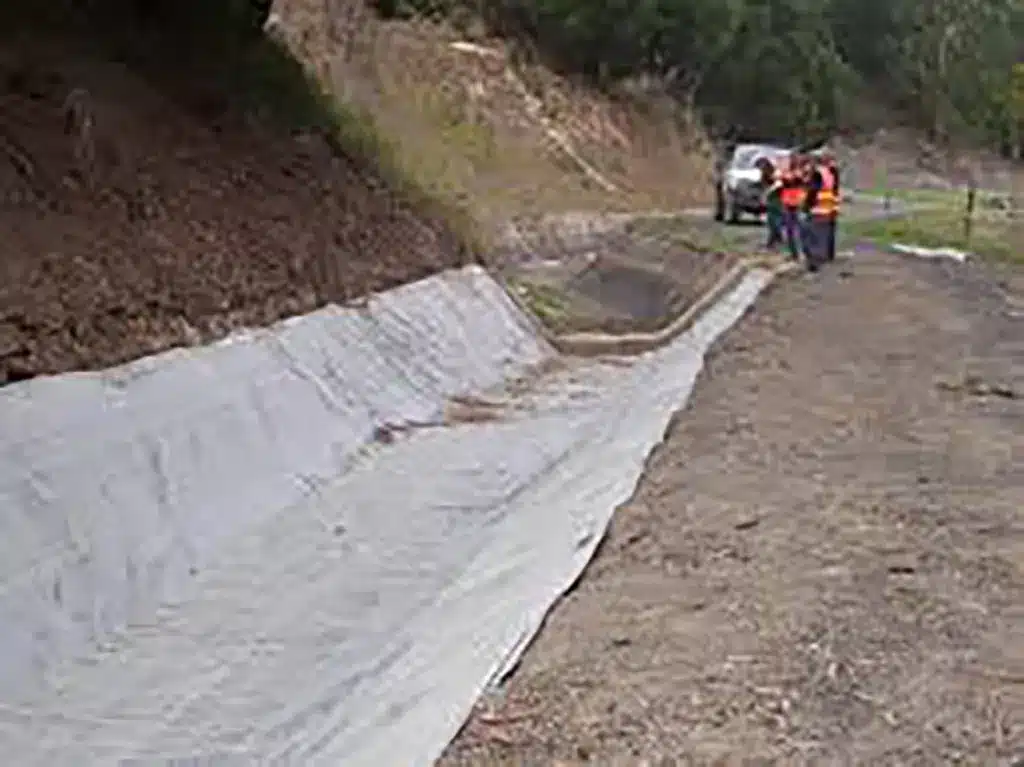
These fabrics can be made from natural fibers like coir or jute, which biodegrade over time, or synthetic materials such as polypropylene or polyester for longer-lasting protection. They are widely used in landscaping, road embankments, riverbanks, and construction sites, providing both immediate soil protection and long-term slope reinforcement.
What is the most common method of slope stabilization?
The most widely used method combines engineered retaining structures with vegetative cover, leveraging both structural support and natural reinforcement:
- Engineered support: Retaining walls, geogrids, soil nails, or geocells provide immediate physical stability, preventing large-scale soil movement or collapse.
- Vegetative reinforcement: Plants and grasses bind the soil with their roots, reduce rainwater impact, and promote long-term slope stability.
- Effectiveness: This combination stabilizes various slope types, reduces surface erosion, and enhances resilience against weathering.
- Applications: Commonly used on roadside slopes, residential and commercial developments, natural landscapes, and waterway banks.
- Advantages: Provides immediate stabilization, long-term erosion control, environmental benefits, and improved aesthetics.
- Considerations: High initial costs, ongoing vegetation maintenance, and proper drainage design are essential for success.
This method remains the standard for slope stabilization because it integrates structural safety with sustainable, environmentally friendly erosion control.
Slope stabilization fabric is a crucial component in the battle against soil erosion and slope failure. By providing a stable foundation that prevents soil from washing away, it plays an essential role in maintaining the integrity of slopes. Whether used alone or in combination with other stabilization methods, this fabric ensures long-term protection for slopes, making it a vital tool in both civil engineering and environmental conservation.
Get Free Sample
We’ll respond as soon as possible(within 12 hours)