

+86-159 9860 6917
info@geofantex.com
geofantex@gmail.com
+86-400-8266163-44899
Composite liners are engineered barrier systems used in landfills, mining facilities, and environmental containment projects to control liquid migration and protect surrounding soil and groundwater. By combining materials such as geomembranes, compacted clay, geosynthetic clay liners (GCLs), and protective geotextiles, these systems provide multiple layers of protection. Understanding their structure, applications, and material requirements helps engineers and project buyers select suitable containment solutions.
What Are Composite Liners?
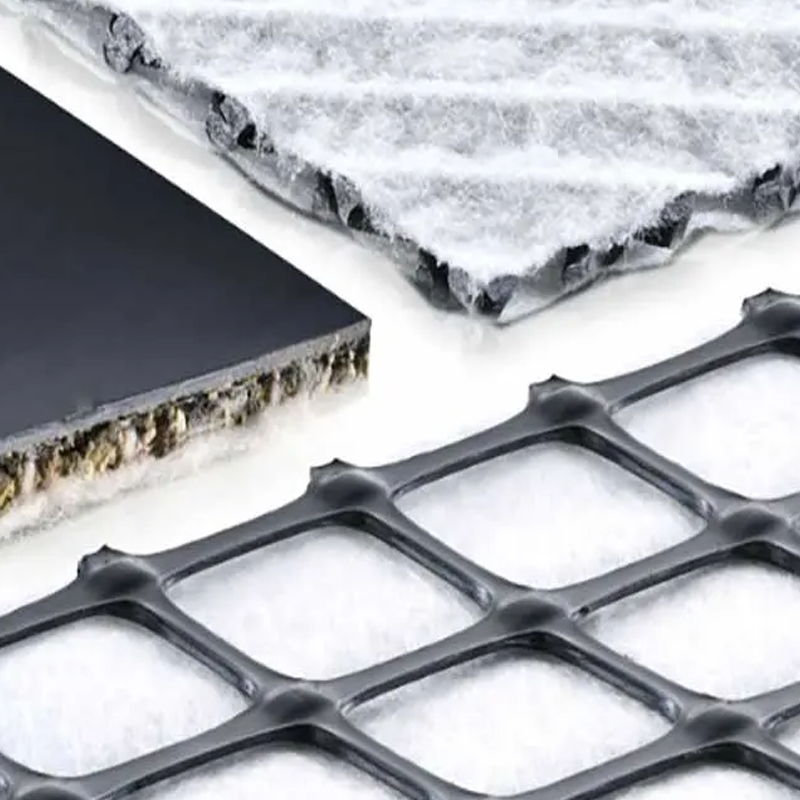
Composite liners are containment systems that combine a low-permeability geomembrane with an underlying low-permeability layer, typically compacted clay or a geosynthetic clay liner. When properly designed and installed, these components work together to minimize liquid leakage.
Unlike a single geomembrane barrier, a composite system relies on close contact between the geomembrane and the underlying layer to restrict lateral liquid migration if a defect occurs.
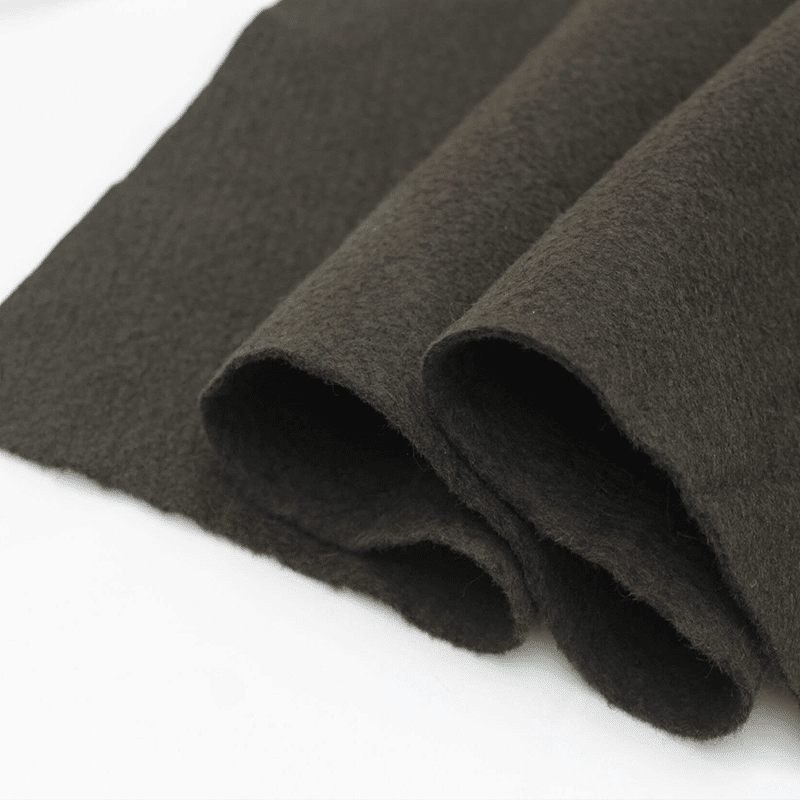
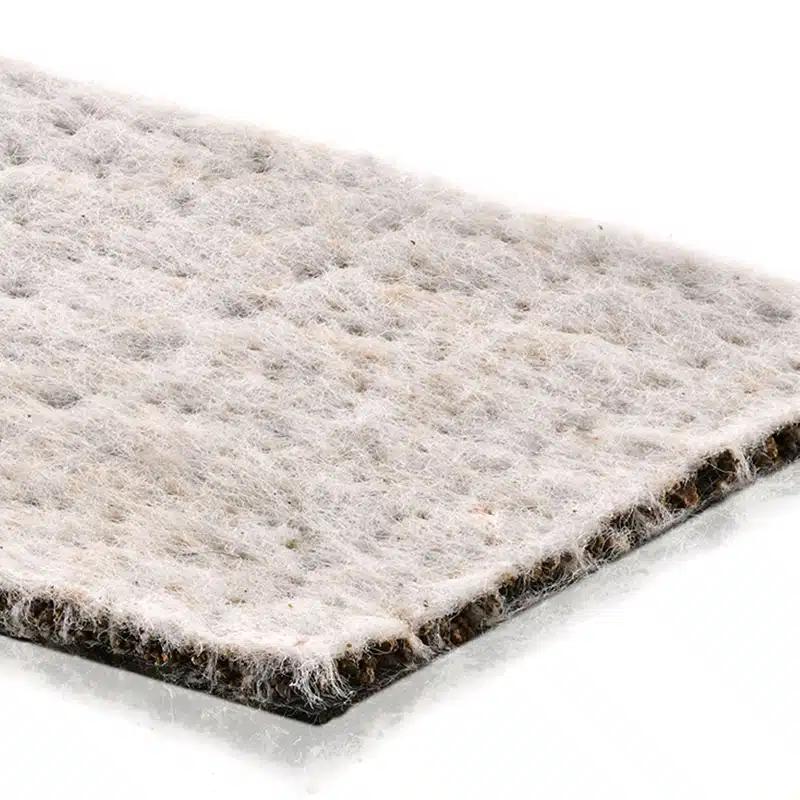
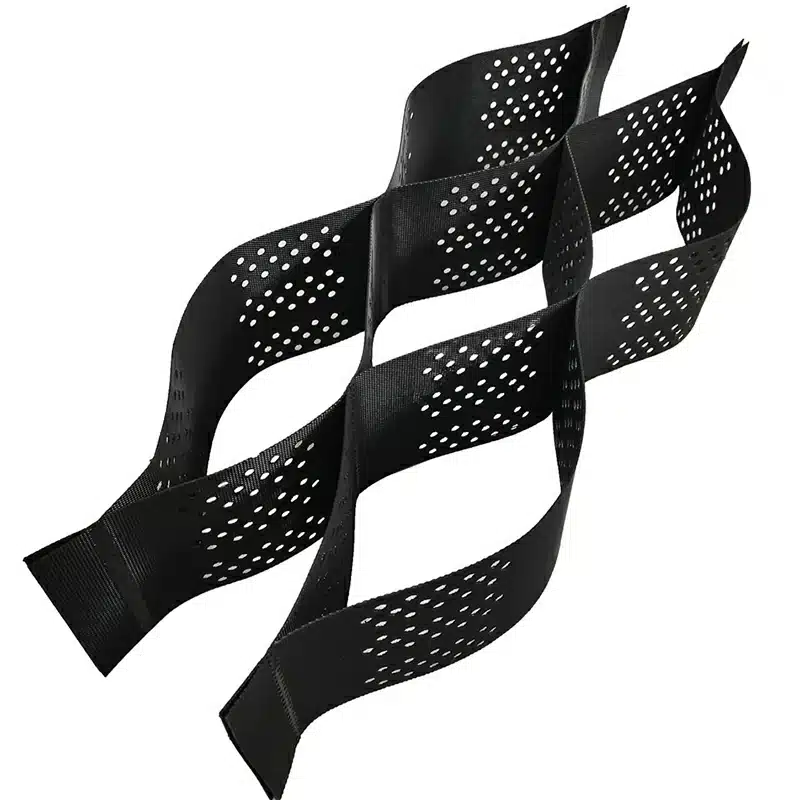
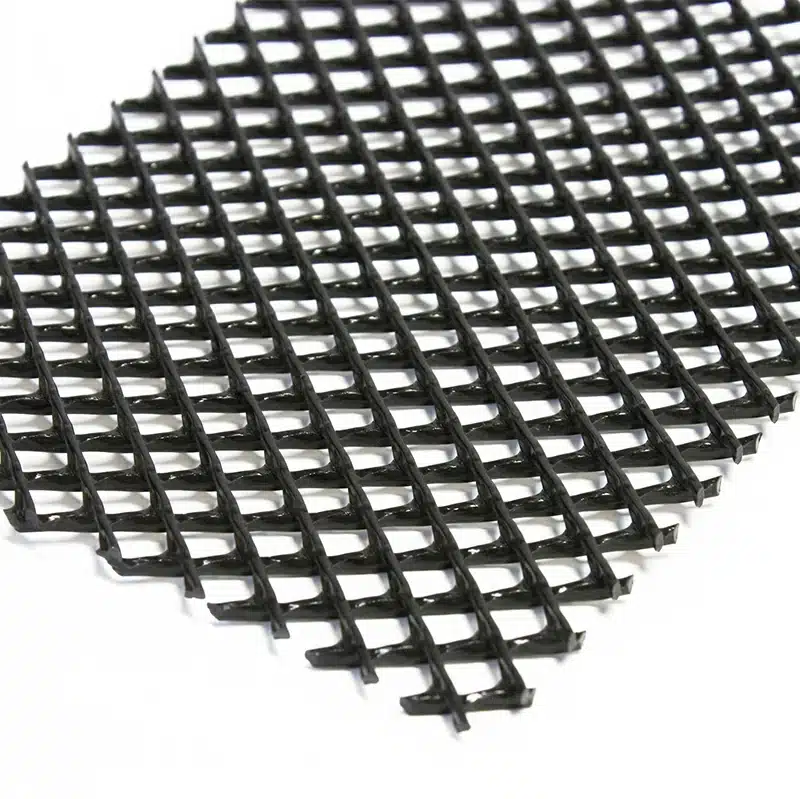
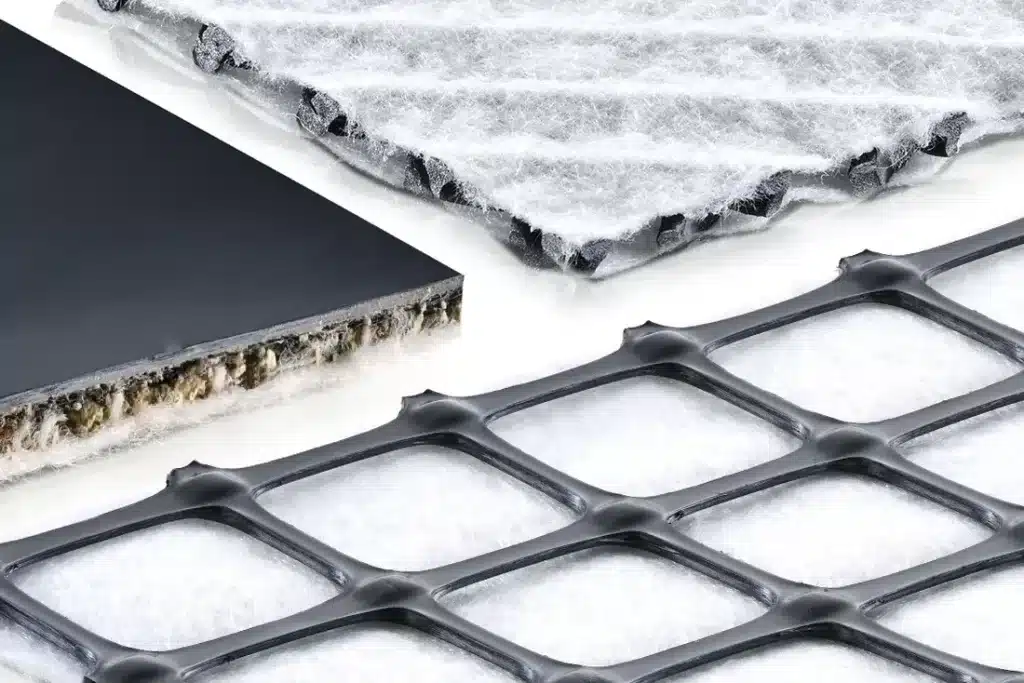
Additional geosynthetic materials, including nonwoven geotextiles and drainage geocomposites, may be incorporated to provide protection, filtration, and drainage.
What Are the Main Types of Composite Liners?
Different containment projects require different material configurations.
Geomembrane and Compacted Clay Systems
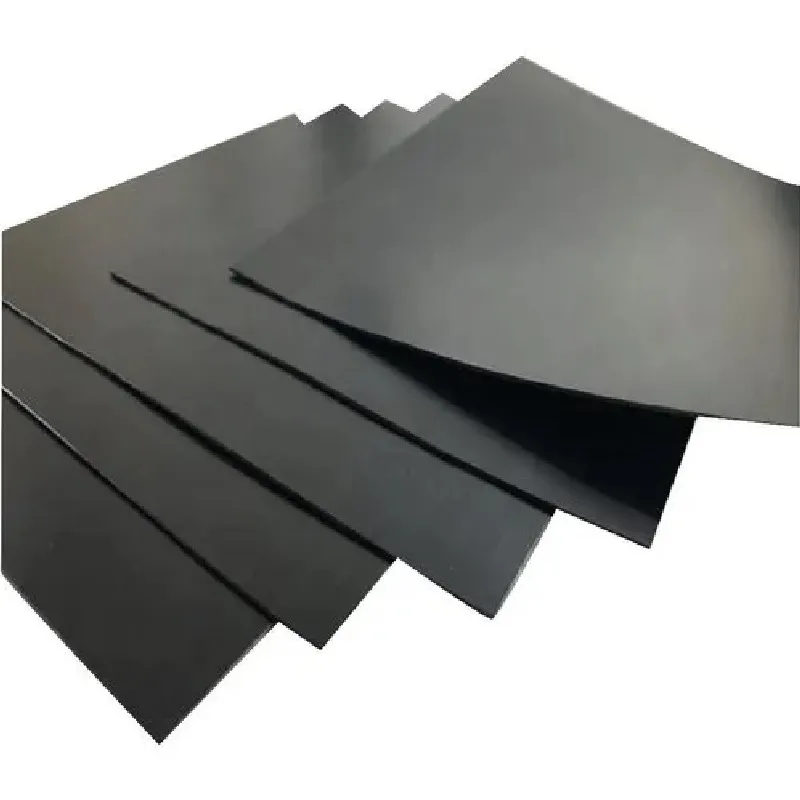
This configuration combines a polymeric geomembrane with a compacted clay layer. The geomembrane provides the primary hydraulic barrier, while the clay offers additional resistance to liquid migration.
It is commonly specified for municipal solid waste landfills and other regulated containment facilities.
Geomembrane and GCL Systems
A geosynthetic clay liner contains bentonite, typically supported by geotextiles or bonded to a geomembrane. When properly hydrated and confined, the bentonite provides low hydraulic conductivity.
Combining a geomembrane with a GCL can reduce the need for thick compacted clay layers, subject to project specifications and regulatory approval.
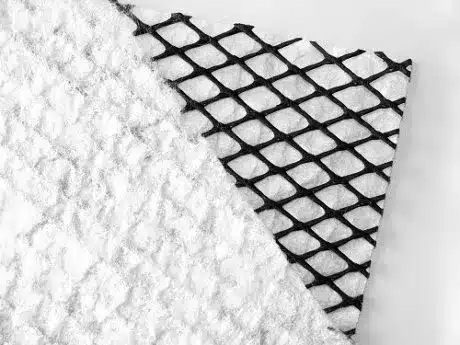
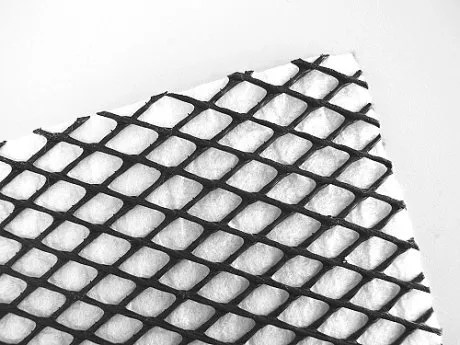
Geomembrane and Geotextile Composites
Geomembranes can also be bonded to or installed alongside geotextiles to provide cushioning, protection, or improved interface performance.
However, a geomembrane–geotextile composite is not automatically equivalent to a conventional composite barrier liner. Its containment performance depends on the complete system design and the presence of an appropriate underlying barrier.
How Do Composite Liners Prevent Leakage?
Composite liners reduce leakage through the combined performance of their barrier components.
The geomembrane limits liquid penetration, while the underlying low-permeability layer restricts flow beneath potential defects.
Important performance factors include:
- Hydraulic conductivity: Determines the ability of the underlying barrier to resist liquid movement.
- Geomembrane integrity: Proper welding, seam testing, and installation help reduce leakage risks.
- Interface contact: Close contact between barrier layers helps limit lateral liquid migration.
- Chemical compatibility: Materials must withstand exposure to the expected liquids and contaminants.
- Puncture resistance: Protective geotextiles can help prevent damage during installation and service.
Effective containment also depends on subgrade preparation, drainage design, construction quality assurance, and long-term monitoring.
Composite Liners for Landfill Containment
Landfill facilities require engineered barriers to control leachate migration and protect groundwater.
A typical landfill bottom liner system may incorporate a geomembrane, compacted clay or a GCL, protective geotextiles, and a leachate collection layer.
Each component performs a specific function. The barrier system limits leakage, while the drainage layer collects leachate and helps reduce hydraulic head above the liner.
For landfill projects, composite liners must be selected according to applicable regulations, site conditions, chemical exposure, and expected operating loads.
Properly specified geosynthetic clay liners for landfill containment can complement geomembrane barriers where permitted by the project design.
Composite Liners for Mining Applications
Mining facilities use engineered lining systems in applications such as heap leach pads, process ponds, and tailings management facilities.
These projects may involve chemical exposure, high loads, uneven subgrades, and demanding installation conditions.
Material selection should consider:
- Chemical resistance to process solutions
- Long-term geomembrane durability
- Puncture protection under operating loads
- Interface shear strength on slopes
- Drainage capacity and leak detection requirements
In mining applications, composite liners can provide additional containment protection when the barrier configuration is compatible with site-specific geotechnical and environmental requirements.
For projects requiring reliable impermeable barriers, HDPE geomembranes for mining containment are frequently considered because of their chemical resistance and mechanical performance.
Composite Liners vs. Single-Layer Geomembranes
Although both systems are used for containment, their configurations and performance characteristics differ.
| Feature | Composite Liner System | Single-Layer Geomembrane |
|---|---|---|
| Structure | Geomembrane with an underlying low-permeability barrier | A single geomembrane barrier |
| Leakage control | Multiple interacting barrier components | Primarily dependent on membrane integrity |
| Installation | Requires careful preparation and close contact between layers | Generally simpler configuration |
| Material requirements | Multiple materials and interface considerations | Primarily focused on geomembrane properties |
| Typical applications | Regulated landfills and demanding containment projects | Ponds, reservoirs, and selected containment applications |
The appropriate solution depends on regulatory requirements, site conditions, environmental risks, and project specifications.
How to Select Composite Liner Materials
Selecting composite liners requires evaluating the complete containment system rather than individual product specifications alone.
1. Evaluate Site Conditions
Consider soil characteristics, groundwater conditions, slope geometry, settlement potential, and expected loading.
2. Confirm Material Compatibility
Evaluate the geomembrane resin, thickness, chemical resistance, and hydraulic properties of the underlying clay or GCL.
3. Specify Protective and Drainage Layers
Nonwoven geotextiles can provide cushioning and filtration, while drainage geocomposites may support liquid collection or gas management.
4. Review Quality Standards
Depending on the material and project, relevant specifications may include GRI-GM13 for HDPE geomembranes and GRI-GCL3 for geosynthetic clay liners, together with applicable ASTM test methods.
5. Consider Installation and Lifecycle Performance
Material selection should account for welding, handling, interface stability, quality assurance, maintenance, and long-term exposure conditions.
For procurement planning, geotextile and geomembrane material solutions should be evaluated against the engineering specifications of the complete system.
Composite liners are important components of modern environmental containment systems, particularly in landfill and mining projects. Their performance depends on the interaction between geomembranes, underlying low-permeability barriers, protective materials, and drainage components.
Geofantex supplies geosynthetic materials, including geomembranes, geotextiles, and geocomposites, for a wide range of civil engineering and environmental applications.
For material specifications, available dimensions, or project-specific quotations, contact Geofantex to discuss suitable geosynthetic products for your containment system.
Get Free Sample
We’ll respond as soon as possible(within 12 hours)