

+86-159 9860 6917
info@geofantex.com
geofantex@gmail.com
+86-400-8266163-44899
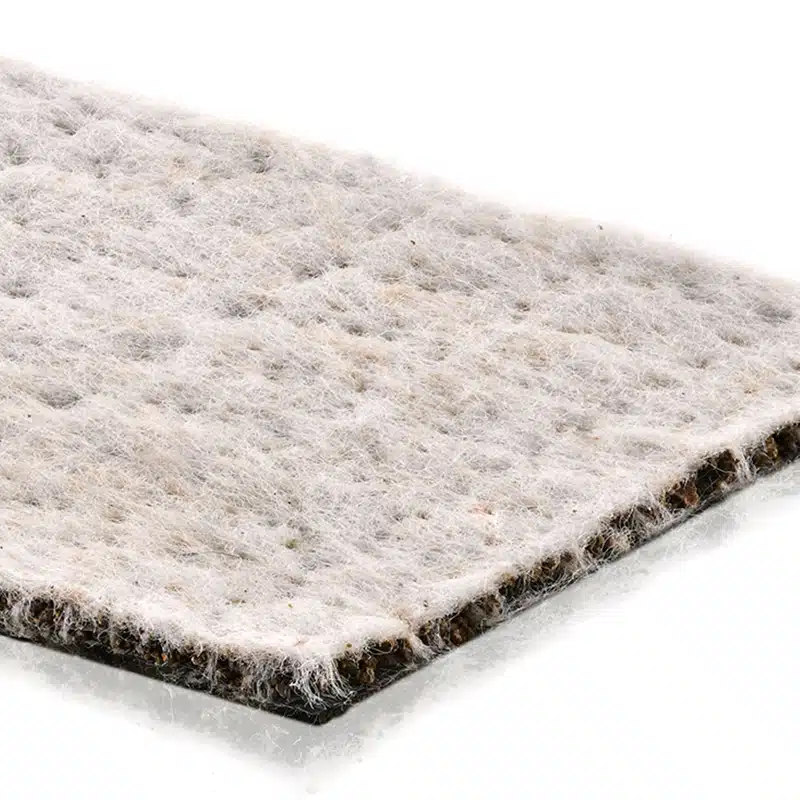
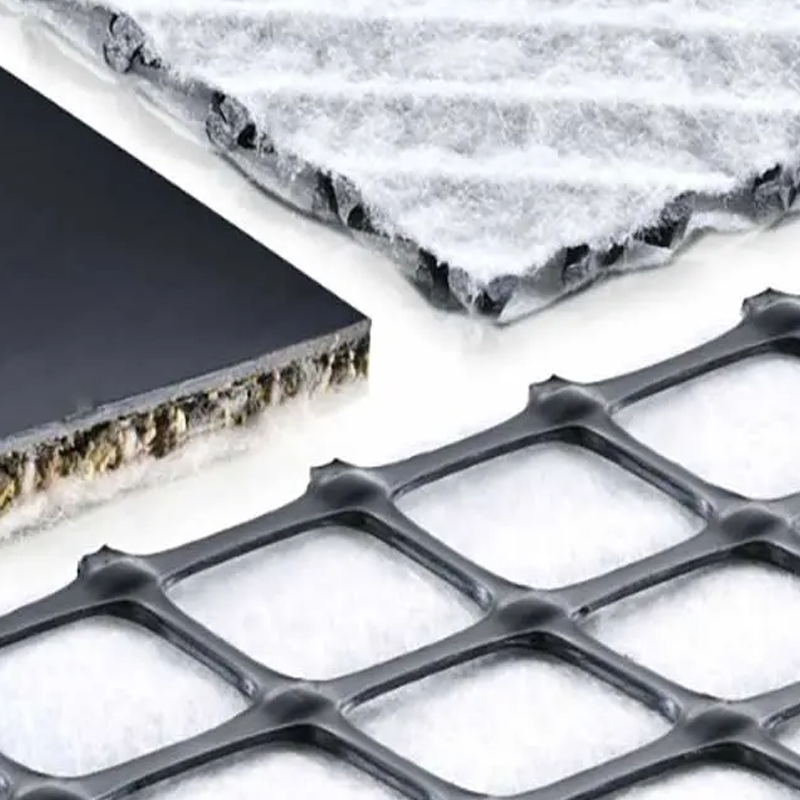
Geotextiles for Erosion Control provide contractors, engineers, distributors, and project buyers with a practical solution for protecting soil and managing water in civil engineering and landscaping projects. Depending on their structure, these geosynthetics can perform separation, filtration, drainage, reinforcement, and surface protection functions. Selecting the correct material helps limit soil loss, improve ground performance, and reduce long-term maintenance.
Which Type of Geotextile Is Preferred for Soil Stabilization?
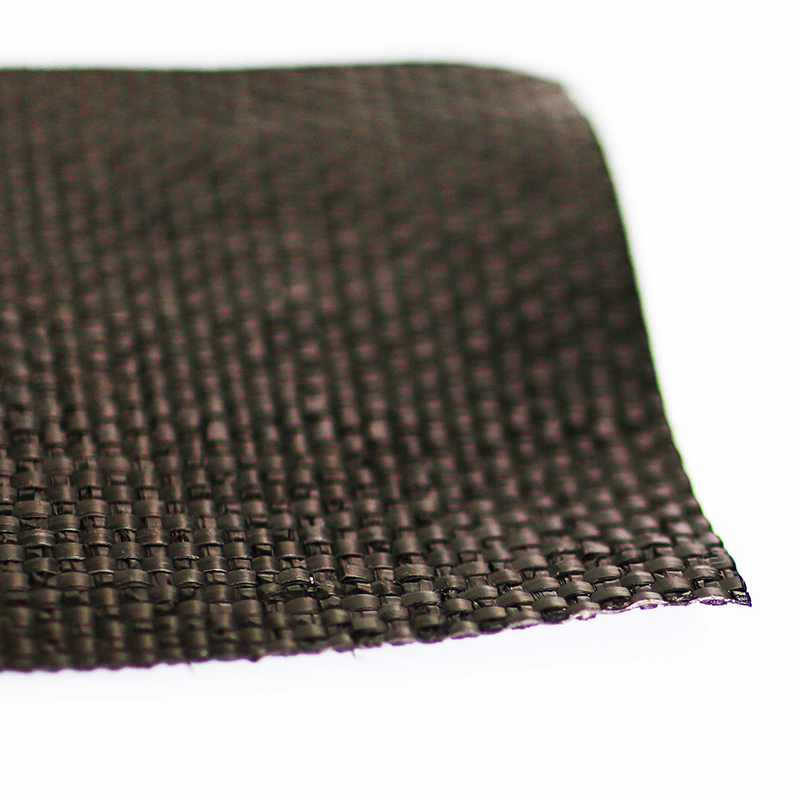
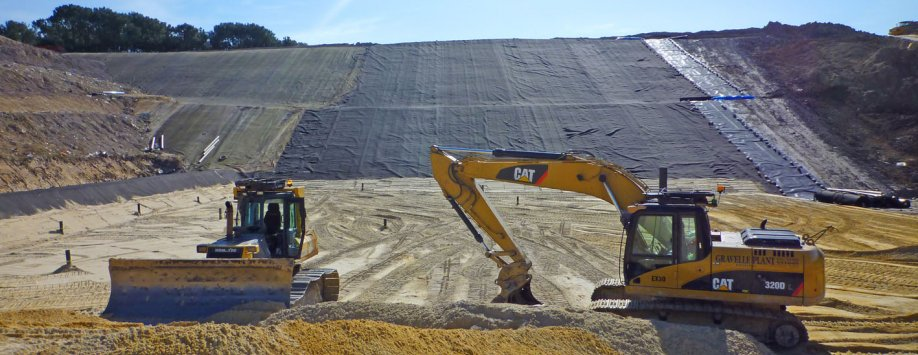
Woven geotextiles are commonly selected when soil stabilization requires high tensile strength and relatively low elongation. Their structure helps separate weak subgrade soil from aggregate while providing mechanical support under applied loads.
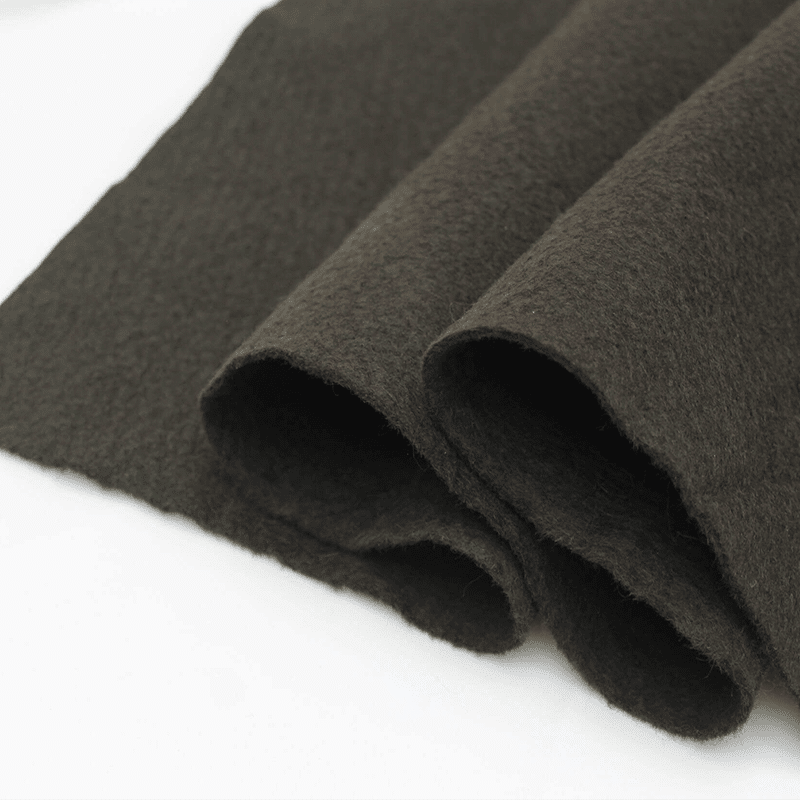
For Geotextiles for Erosion Control, however, product selection should consider both mechanical and hydraulic requirements. Woven products may suit applications where reinforcement is important, while nonwoven materials are often selected when filtration and drainage are the primary functions.
Important properties include:
- Tensile strength and elongation
- Puncture resistance
- Apparent opening size
- Water permeability
- UV resistance
- Polymer type
- Installation conditions
Polypropylene and polyester are commonly used because they provide suitable durability for many geotechnical applications.
How Do Geotextiles for Erosion Control Prevent Soil Loss?
Geotextiles for Erosion Control help manage the interaction between soil and water. The material can protect exposed soil while allowing controlled water movement through the system.
During rainfall, surface runoff can detach and transport fine particles. A correctly specified geotextile helps retain these particles and reduces uncontrolled soil migration.
Geotextiles on Slopes and Embankments
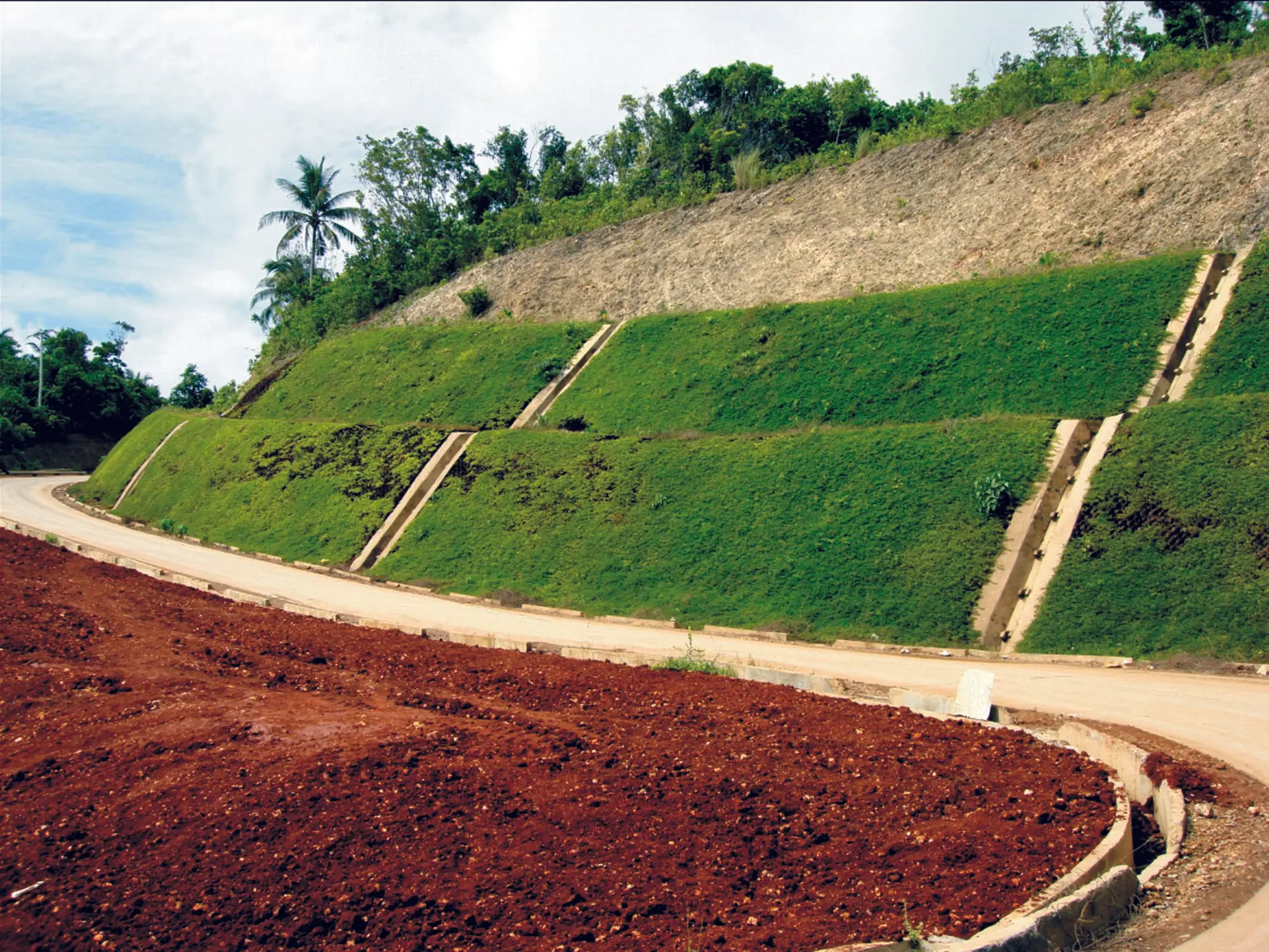
On slopes, erosion control geotextiles can form part of a surface protection system. They help reduce soil displacement caused by rainfall impact and runoff.
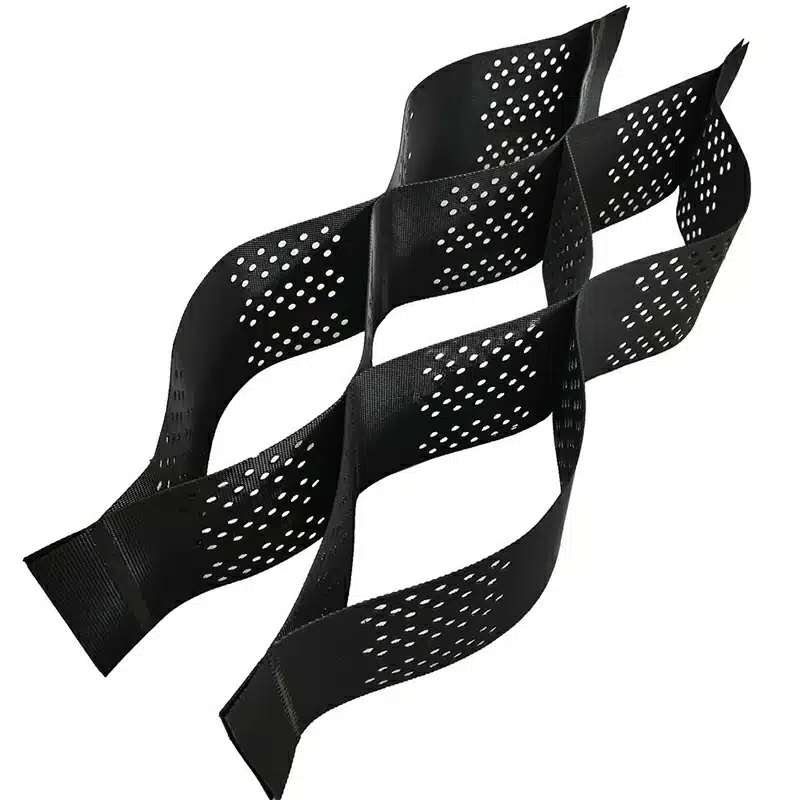
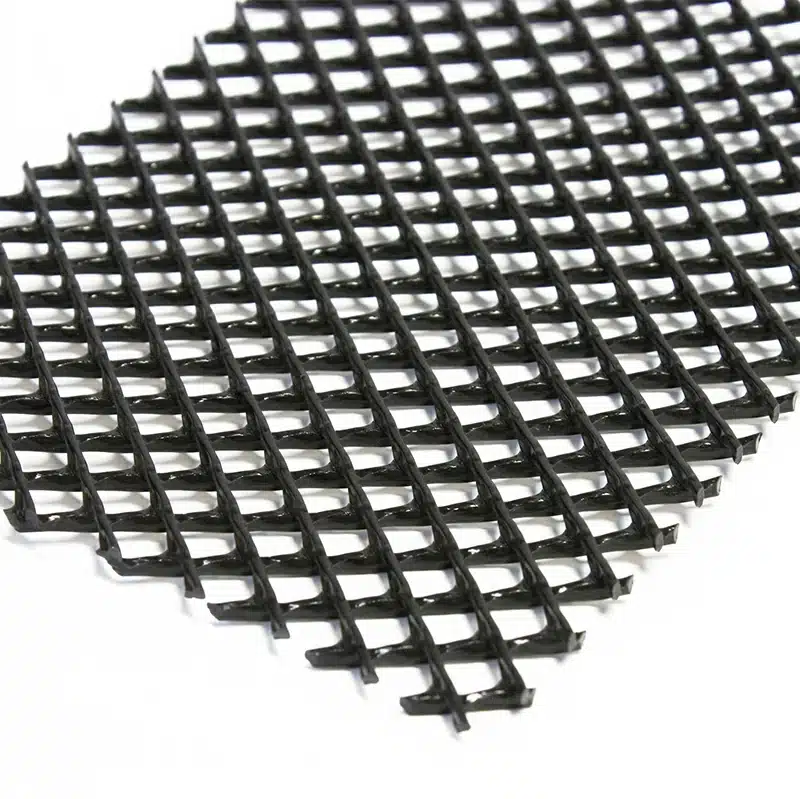
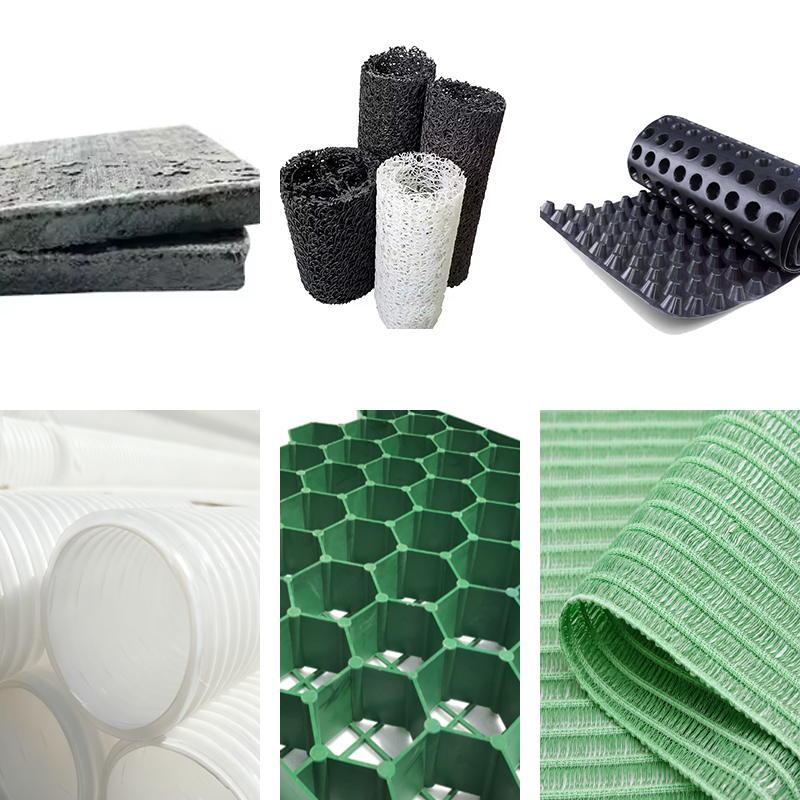
Depending on the project, they may work together with vegetation, erosion control mats, geocells, or other slope protection materials. The final configuration should reflect slope angle, soil properties, rainfall intensity, and expected water flow.
Filtration and Drainage for Erosion Protection
Filtration is another important function of Geotextiles for Erosion Control. A suitable pore structure allows water to pass while helping retain soil particles.
This function is particularly valuable around drainage layers, embankments, channels, and other areas where water must move without carrying significant amounts of soil into the drainage system.
What Is Slope Erosion Control Fabric?
Slope protection fabric is a geosynthetic material used on inclined surfaces exposed to rainfall, runoff, or other erosion processes. Products may have woven or nonwoven structures depending on the required engineering function.
Typical functions include:
- Protecting exposed surface soil
- Limiting particle migration
- Supporting filtration and drainage
- Separating different soil or aggregate layers
- Working with vegetation systems
- Supporting other erosion protection measures
When Geotextiles for Erosion Control are used on slopes, engineers should avoid selecting products based only on GSM. Hydraulic properties, tensile performance, soil characteristics, slope geometry, and installation conditions should also be evaluated.
This approach helps ensure that the material matches the actual erosion mechanism at the site.
Where Are Erosion Control Geotextiles Used?
These materials are suitable for a wide range of civil and environmental projects. Common applications include road embankments, landscaped slopes, drainage systems, riverbanks, channels, construction sites, and areas with exposed soil.
For road projects, geotextiles may separate aggregate from the subgrade while supporting drainage. On embankments, they can help manage water and limit soil migration.
In landscaping applications, Geotextiles for Erosion Control can also work with vegetation. The geosynthetic provides temporary or long-term soil protection while plant roots become established, depending on the system design.
How Should You Select the Right Geotextile?
Start by identifying the primary function required by the project. A product intended mainly for reinforcement may require different properties from one used for filtration or drainage.
Buyers should provide information about soil type, slope angle, water conditions, required strength, dimensions, quantity, and installation environment. This allows suppliers to recommend a more appropriate specification.
The correct Geotextiles for Erosion Control should balance mechanical performance, hydraulic properties, durability, and installation requirements. When properly selected and installed, these materials can provide an effective component of an integrated system for soil protection, drainage management, and long-term site stability.
Get Free Sample
We’ll respond as soon as possible(within 12 hours)