

+86-159 9860 6917
info@geofantex.com
geofantex@gmail.com
+86-400-8266163-44899
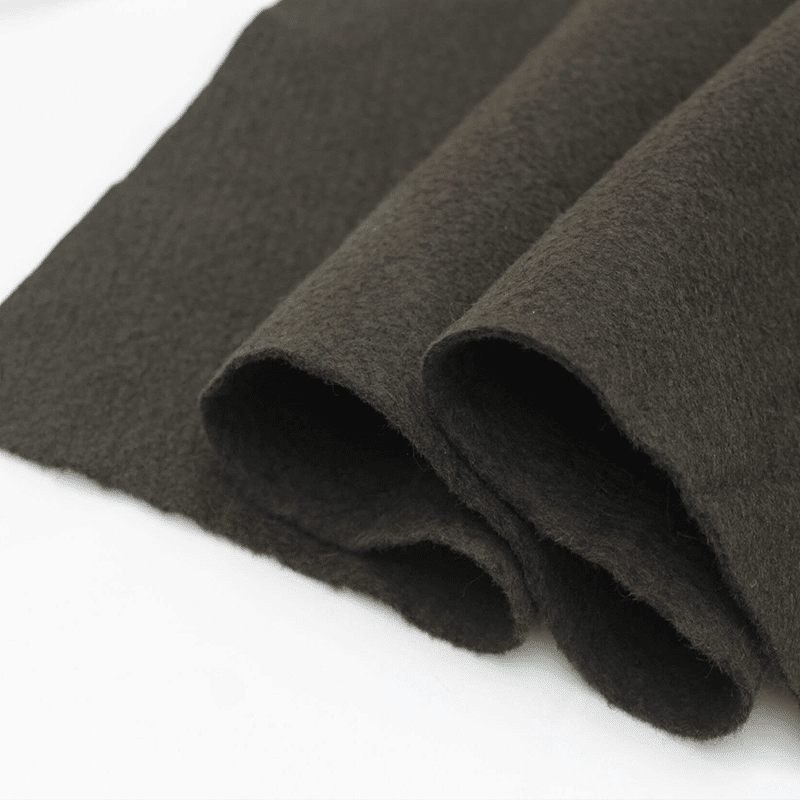
Woven geotextile fabric for driveways helps contractors and property owners improve soil separation, aggregate stability, and long-term driveway performance. For gravel driveways, rural access roads, and commercial entrances, selecting the right geotextile is essential to reducing rutting and preventing aggregate contamination. Geofantex supplies geosynthetic materials for driveway construction, with specifications selected according to soil conditions, traffic loads, and project requirements.
What Is Woven Geotextile Fabric for Driveway Construction?
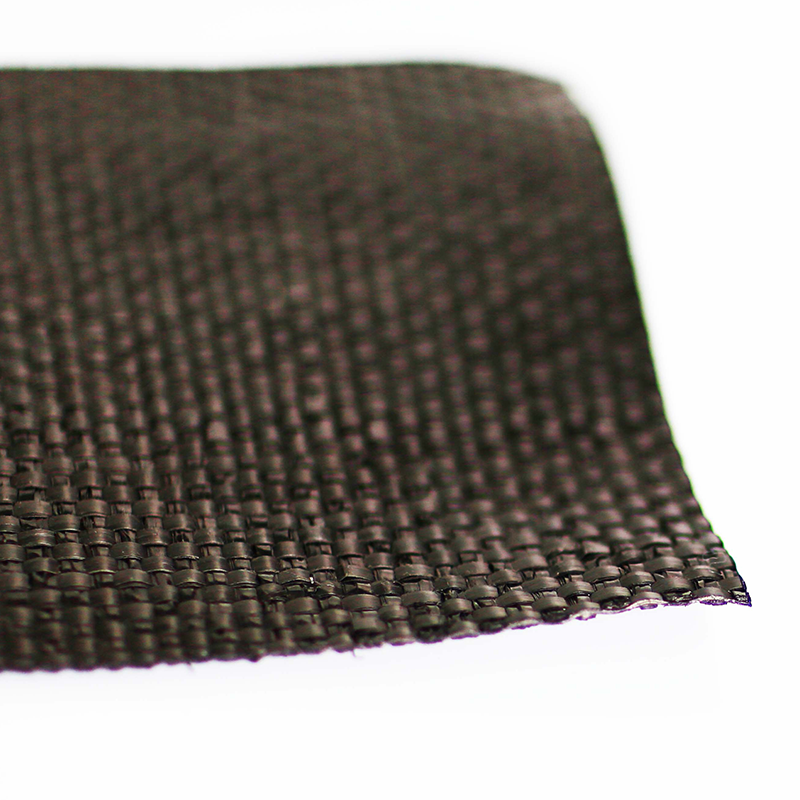
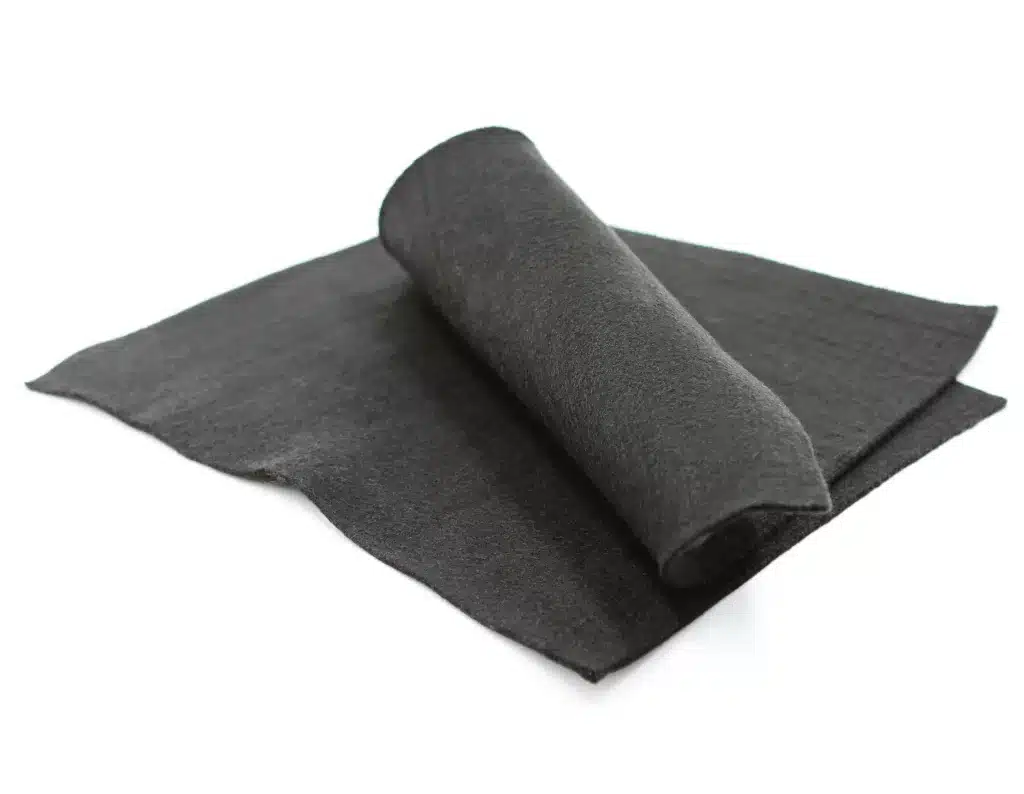
Woven geotextile is a synthetic fabric manufactured by interlacing polypropylene (PP) or polyester (PET) yarns or tapes. It is installed between the natural soil subgrade and the aggregate base to maintain separation and support ground stabilization.
Its primary functions include:
- Soil Separation: Prevents fine soil particles from mixing with gravel.
- Ground Stabilization: Helps maintain the integrity of the aggregate layer under vehicle loads.
- Load Support: Provides tensile resistance that can contribute to improved foundation performance.
- Filtration: Allows water to pass through while retaining soil particles when properly specified.
For material selection, explore woven geotextile fabric for driveway soil stabilization to understand how tensile properties and soil conditions influence performance.
What Are the Benefits of Woven Geotextile Fabric for Driveways?
Installing woven geotextiles beneath gravel driveways can improve foundation performance, especially over soft or moisture-sensitive soils.
Improved Soil Stability
Geotextiles help prevent aggregate from sinking into weak subgrades, preserving the driveway’s structural base. This is particularly useful for clay soils and areas subjected to repeated vehicle loading.
Reduced Rutting and Maintenance
By limiting soil contamination and aggregate displacement, woven fabrics help reduce surface deformation and the need for frequent gravel replacement.
Long-Term Durability
Polypropylene and polyester geotextiles resist biological degradation and many common soil chemicals. When correctly installed and protected from sunlight, they can provide long-term separation performance.
Contractors can review woven geotextile fabric for driveway reinforcement and separation when comparing materials for residential and commercial projects.
Woven vs. Nonwoven Geotextile: Which Is Better for Driveways?
Both woven and nonwoven geotextiles serve important functions, but their typical applications differ.
| Property | Woven Geotextile | Nonwoven Geotextile |
|---|---|---|
| Primary Function | Separation and stabilization | Filtration and drainage |
| Tensile Properties | Often high strength with low elongation | Vary by manufacturing method |
| Permeability | Depends on fabric structure | Often suitable for drainage |
| Typical Application | Gravel driveway foundations | Drainage and filtration layers |
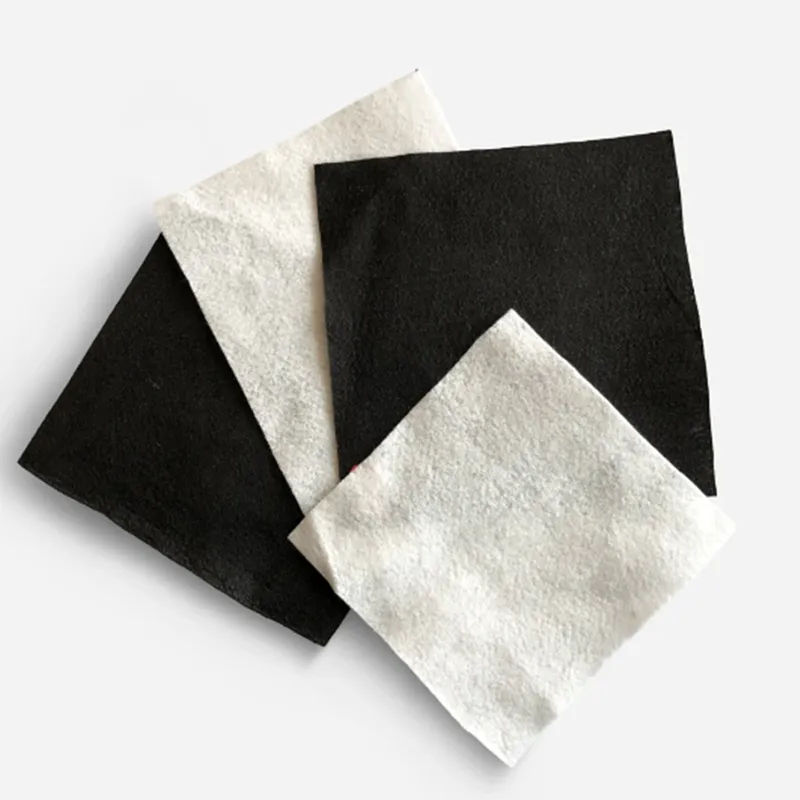
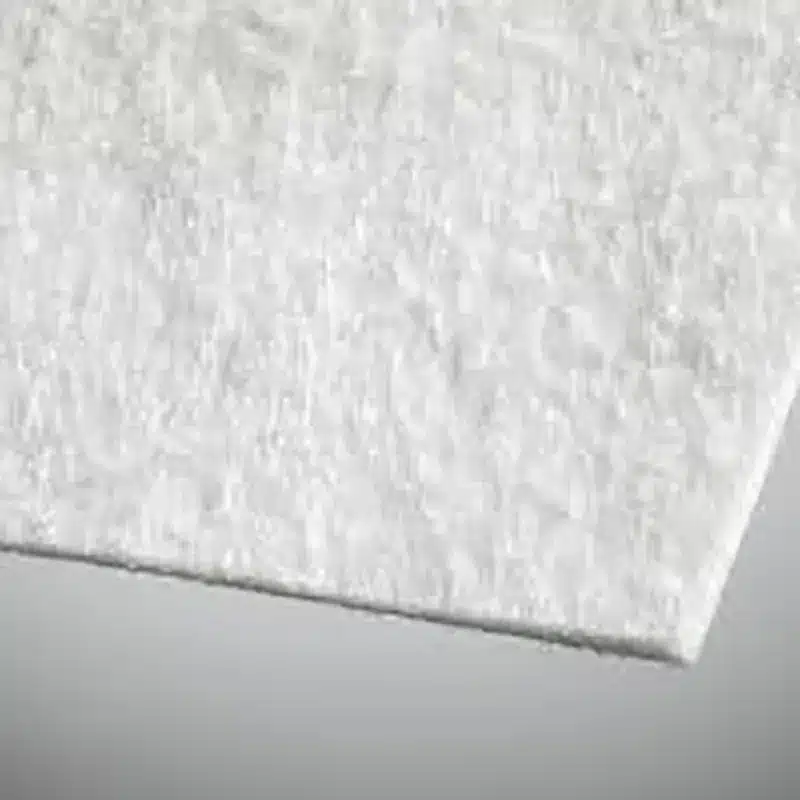
Woven geotextiles are commonly selected for weak subgrades where separation and stabilization are priorities. Nonwoven materials are often preferred for drainage systems, although final selection should depend on tested mechanical and hydraulic properties.
How to Choose the Right Geotextile Fabric for Gravel Driveways
Selecting suitable driveway fabric requires evaluating the ground conditions and expected traffic loads.
Important specifications include:
- Tensile Strength: Indicates resistance to tensile loading and deformation.
- Fabric Weight: Expressed in GSM, but should not be the sole selection criterion.
- Water Permeability: Helps determine whether the fabric meets drainage requirements.
- Apparent Opening Size: Influences soil retention and filtration performance.
- Puncture Resistance: Helps the fabric withstand aggregate placement and installation stresses.
Relevant testing standards include ASTM D4595 for wide-width tensile properties and ASTM D6241 for static puncture strength.
For purchasing decisions, consider woven geotextile fabric specifications for driveway construction alongside project requirements and available technical data sheets.
How to Install Geotextile Fabric Under a Gravel Driveway
Proper installation helps maintain separation between the soil subgrade and aggregate base.
- Step 1: Prepare the Subgrade
- Remove vegetation, debris, and unsuitable soil. Grade the surface and address unstable areas before installation.
- Step 2: Lay the Geotextile
- Roll the fabric over the prepared ground, keeping it flat and minimizing wrinkles.
- Step 3: Overlap Adjacent Sections
- Overlap adjoining fabric sections according to project specifications. Typical overlaps may range from 300 to 600 mm, with larger overlaps required for weaker soils.
- Step 4: Place Aggregate
- Spread suitable gravel or crushed stone over the fabric. Avoid driving construction equipment directly on exposed geotextile.
- Step 5: Compact the Surface
- Compact the aggregate in appropriate layers and establish proper surface drainage.
The required aggregate thickness depends on subgrade bearing capacity, vehicle loading, and driveway design.
Where Can Driveway Geotextiles Be Used?
Woven geotextiles are suitable for several construction applications:
- Residential Gravel Driveways: Help prevent aggregate contamination and rutting.
- Agricultural Access Roads: Support gravel foundations under repeated agricultural vehicle traffic.
- Commercial Entrances: Improve separation and stability where ground conditions require reinforcement.
- Temporary Construction Roads: Help maintain aggregate platforms over soft ground.
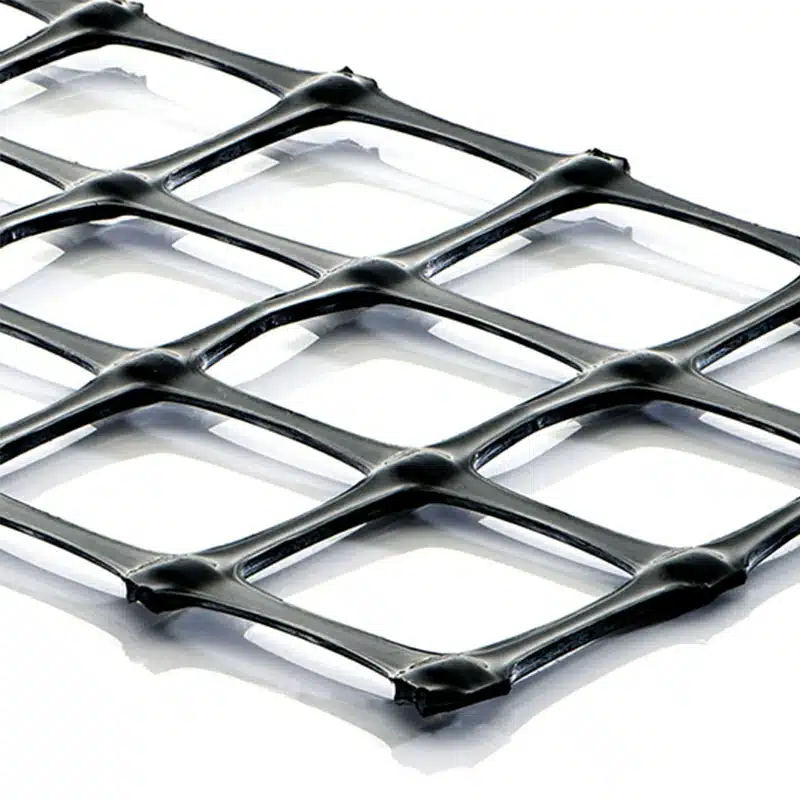
For heavily loaded applications, geogrids or additional stabilization measures may also be necessary.
Woven geotextiles provide effective soil separation and stabilization for gravel driveways and access roads. Their performance depends on appropriate material specifications, subgrade preparation, aggregate design, and installation quality.
Geofantex supplies geosynthetic materials for civil engineering and ground stabilization applications. Contact our team to discuss your driveway project requirements, technical specifications, roll dimensions, and quotation options.
Get Free Sample
We’ll respond as soon as possible(within 12 hours)