

+86-159 9860 6917
info@geofantex.com
geofantex@gmail.com
+86-400-8266163-44899
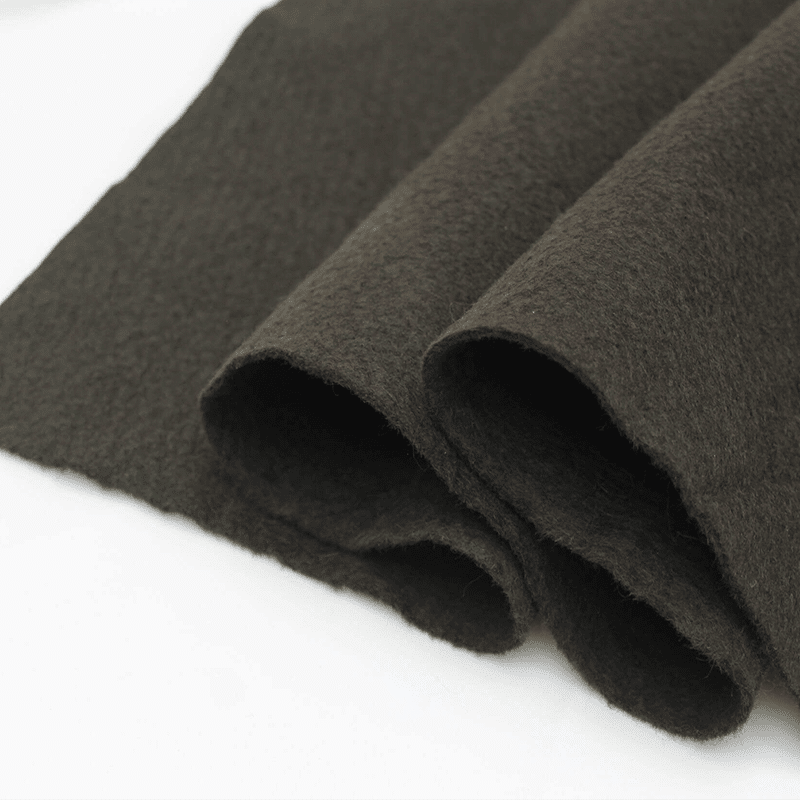
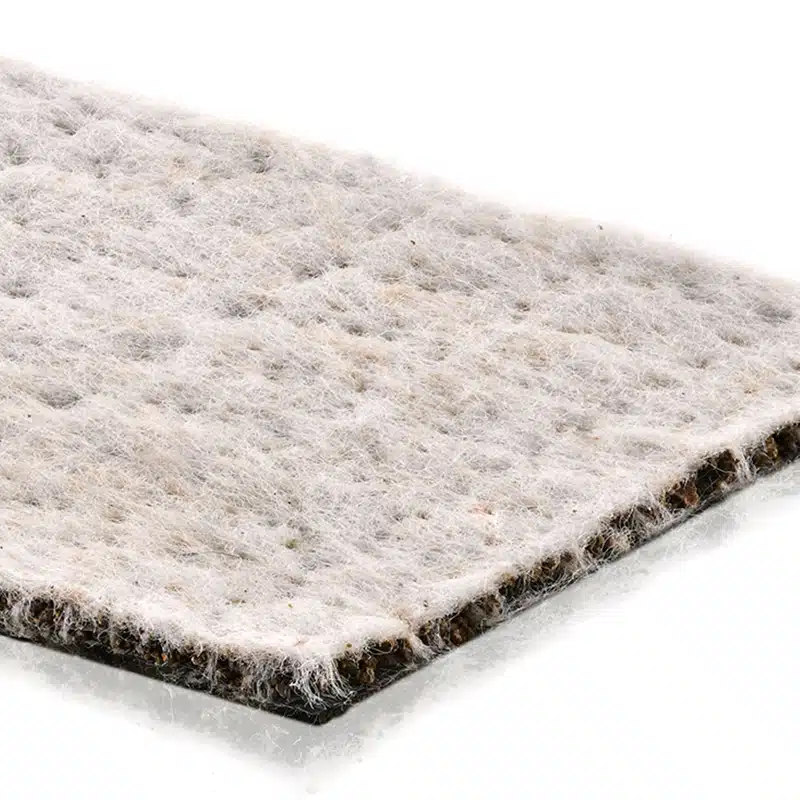
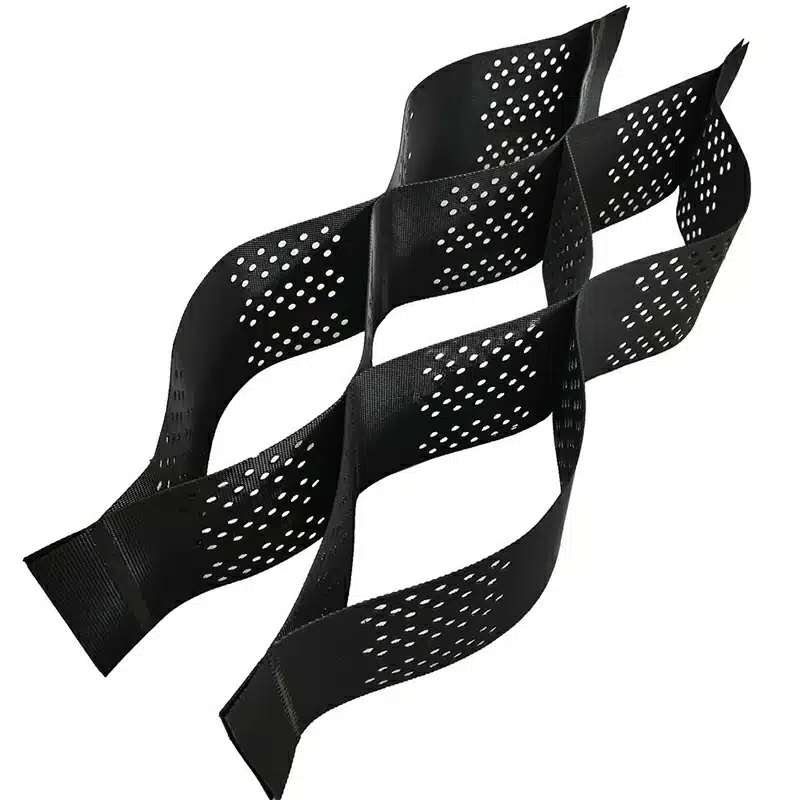
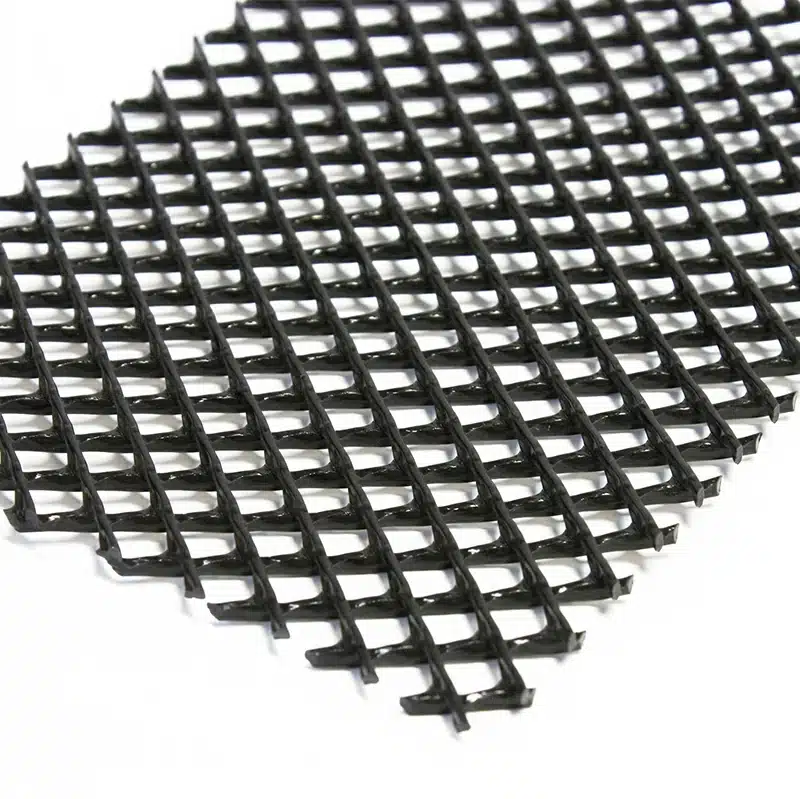
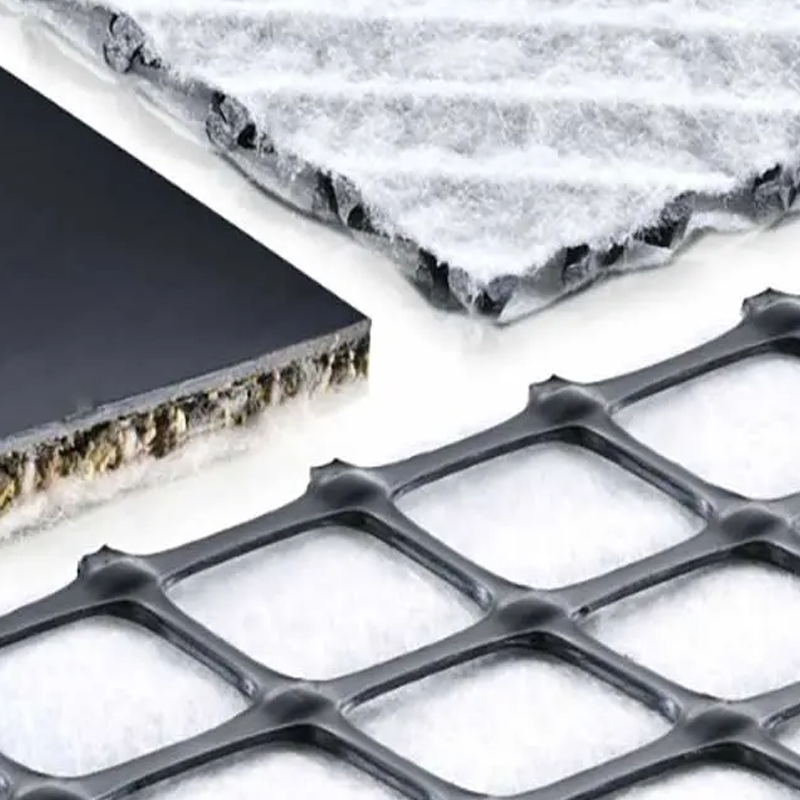
In many civil engineering and landscaping projects, geotextile gravier is a proven geosynthetic solution used beneath gravel layers to improve load distribution, prevent soil contamination, and extend the service life of unpaved and paved structures. Solutions such as nonwoven geotextile fabrics for separation and filtration are widely adopted in these applications.
What is the role of a geotextile beneath a gravel layer?
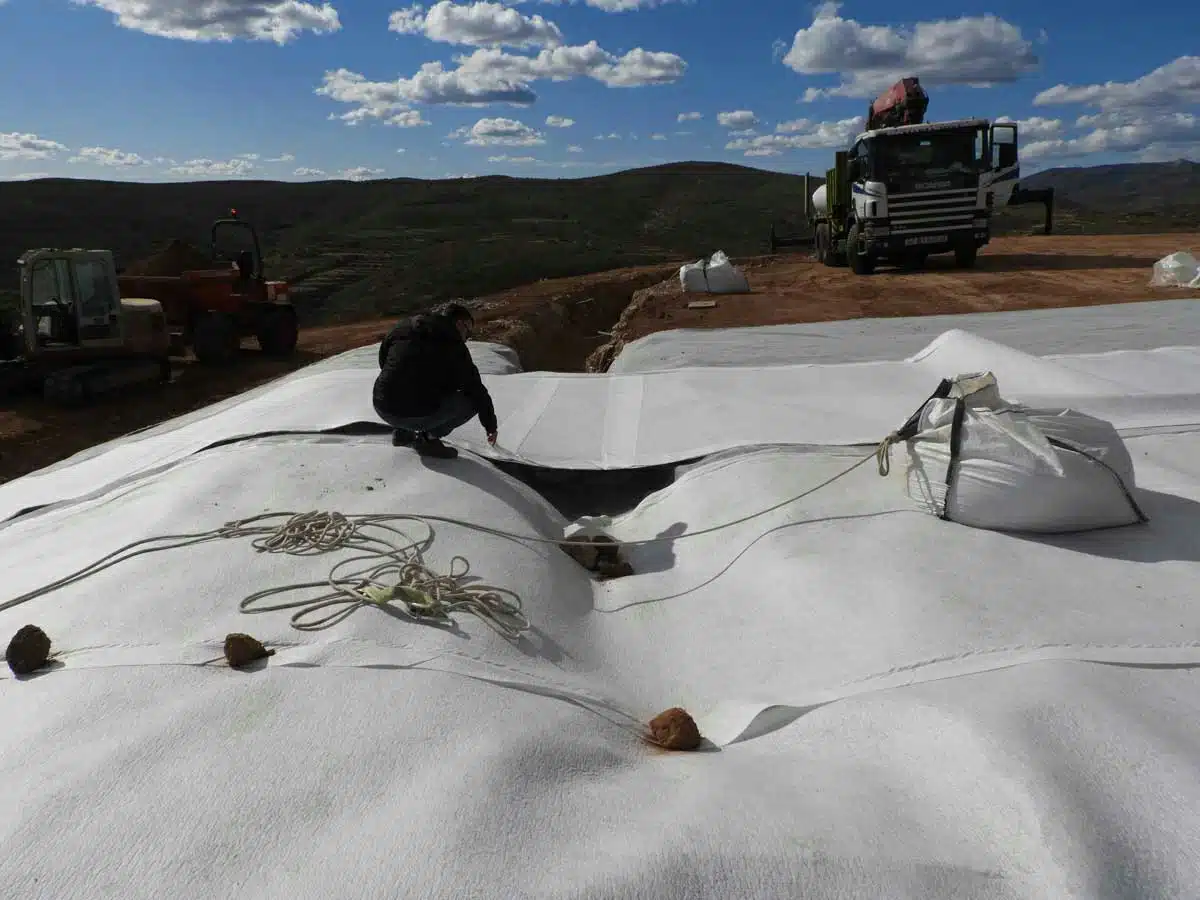
A geotextile installed under gravel primarily performs a separation function. It prevents fine soil particles from migrating upward into the gravel while stopping the gravel from penetrating into weak subgrade soils. This function is essential in applications like gravel driveways and access roads, where long-term performance depends on maintaining aggregate integrity.
In addition, geotextiles provide filtration and drainage, allowing water to pass through while retaining soil particles, which reduces deformation caused by saturated subgrades.
What industry data supports the use of geotextiles under gravel?
Industry research clearly demonstrates the benefits of geotextile separation beneath gravel layers. Field studies have shown up to 50% reduction in rutting when geotextiles are used under aggregate bases (Source: Virginia Transportation Research Council).
Other transportation studies indicate up to 26.9% reduction in base course thickness while maintaining structural performance (Source: Montana Department of Transportation / Cuelho et al.).
These performance improvements translate directly into cost savings and extended pavement life, particularly when combined with high-performance geosynthetics for road construction.
What industry data supports the use of geotextiles under gravel?
Selection depends on soil conditions, traffic loads, and hydraulic requirements.
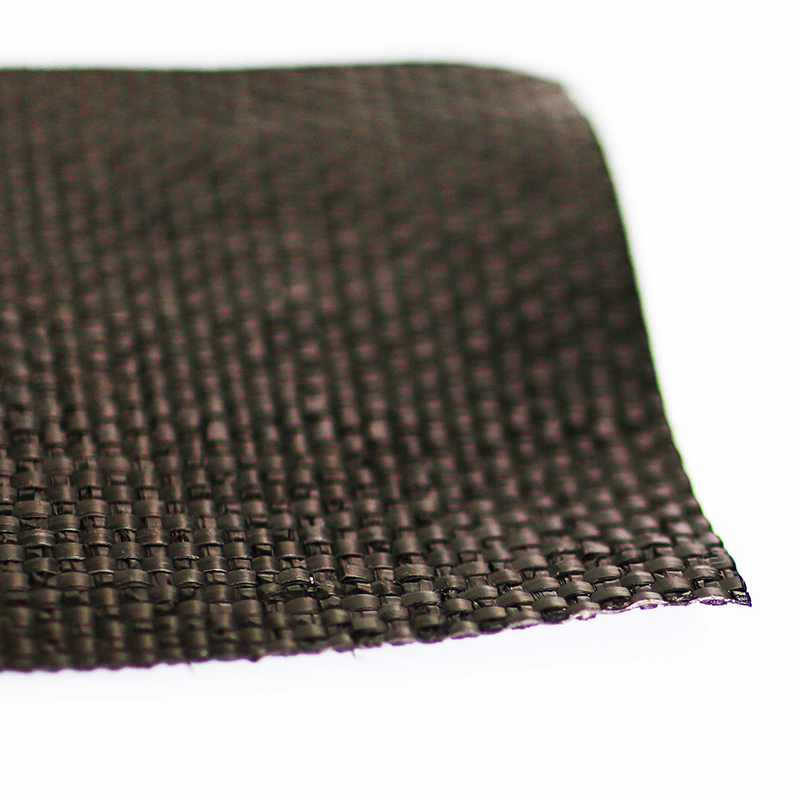
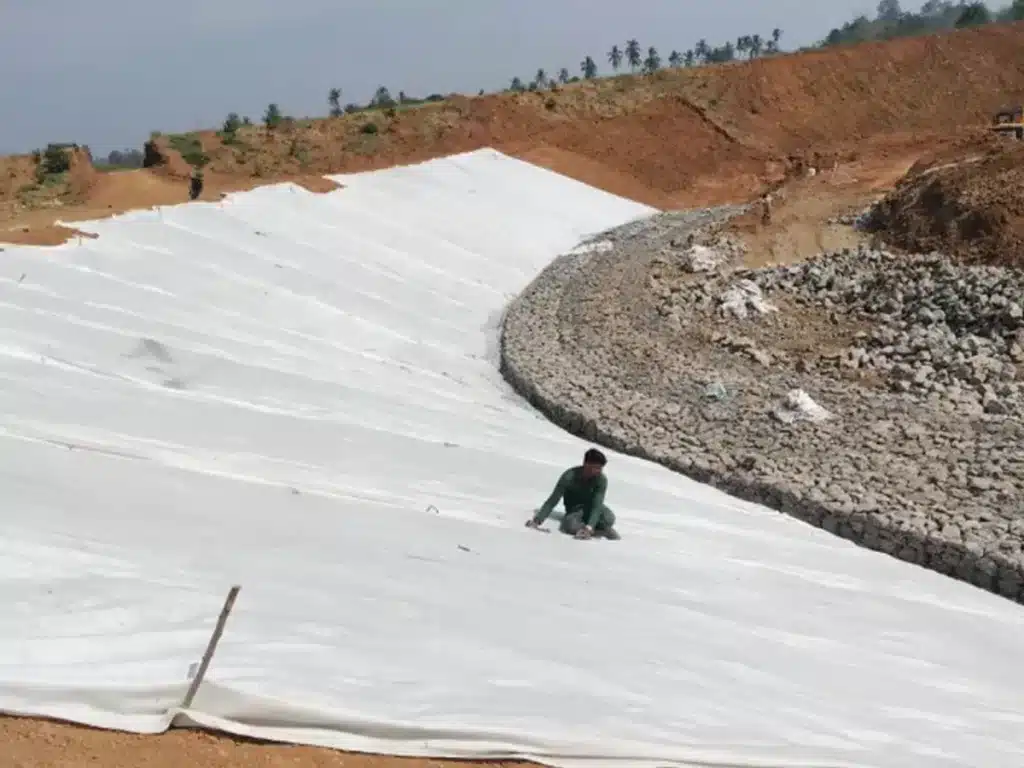
For most gravel applications, needle-punched nonwoven geotextiles are preferred due to their superior filtration and drainage capacity. In higher-load scenarios, woven options may be considered for enhanced tensile performance.
Key parameters include apparent opening size (AOS), permittivity, puncture resistance, and tensile strength. These criteria are consistent with internationally recognized guidance used in geotechnical and infrastructure projects.
What industry data supports the use of geotextiles under gravel?
The subgrade must be cleared of sharp objects and leveled before placement. The geotextile should be laid flat without wrinkles and overlapped adequately, especially on weak soils. Gravel should be placed immediately to protect the material from UV exposure and construction traffic.
Maintaining sufficient gravel thickness prior to compaction is critical to avoid puncture and ensure effective load transfer—an approach aligned with best practices for ground stabilization using geotextiles.
When properly selected and installed, geotextile gravier significantly enhances gravel layer performance by improving separation, reducing rutting, and lowering long-term maintenance costs. Supported by industry data showing up to 50% rut reduction and nearly 27% base thickness savings, geotextiles remain a cost-effective and technically reliable solution for modern civil engineering and infrastructure projects.


Get Free Sample
We’ll respond as soon as possible(within 12 hours)