

+86-159 9860 6917
info@geofantex.com
geofantex@gmail.com
+86-400-8266163-44899
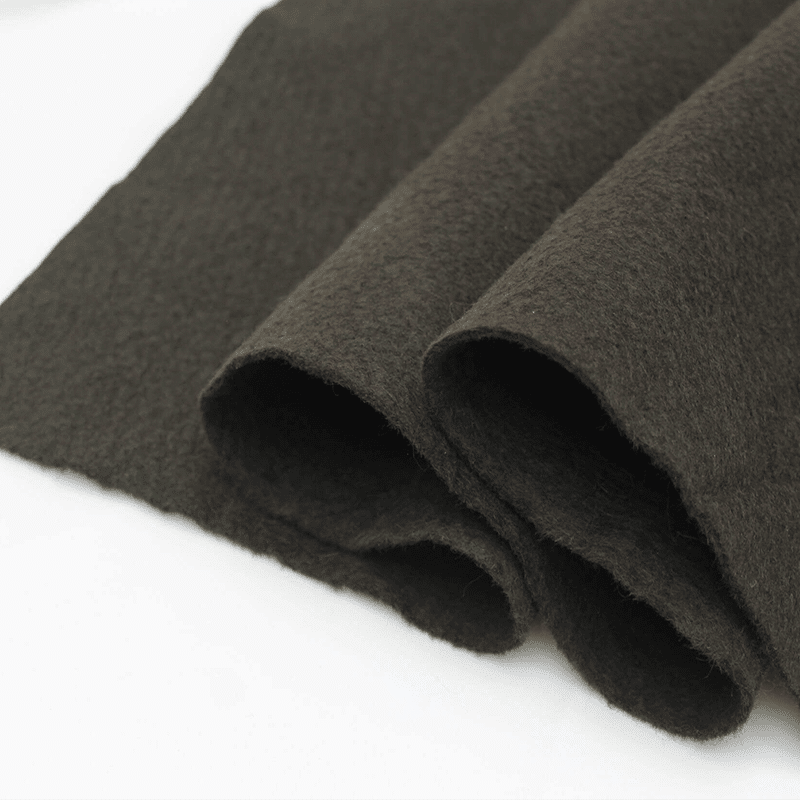
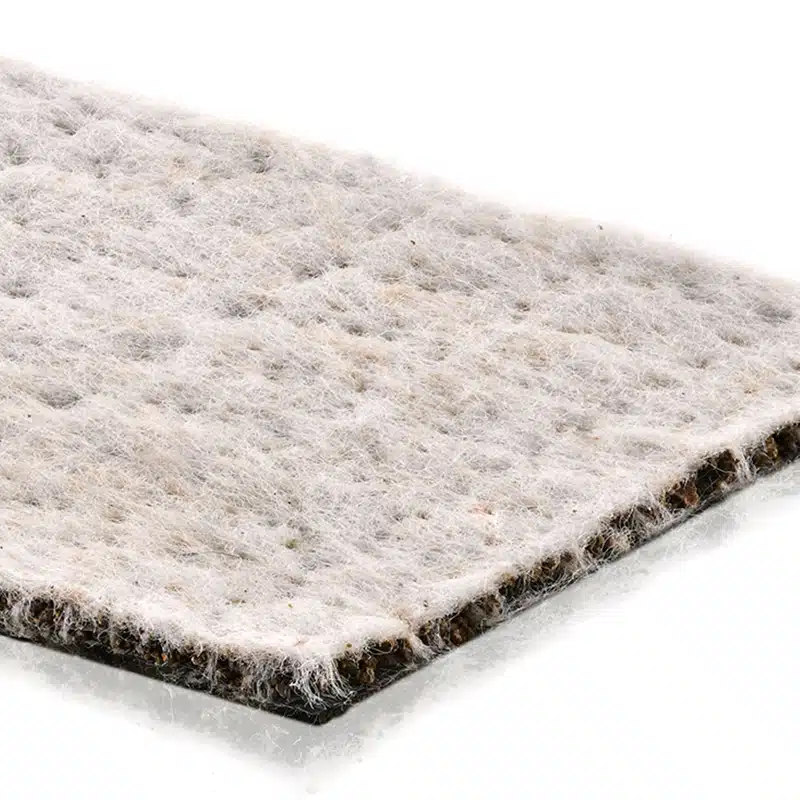
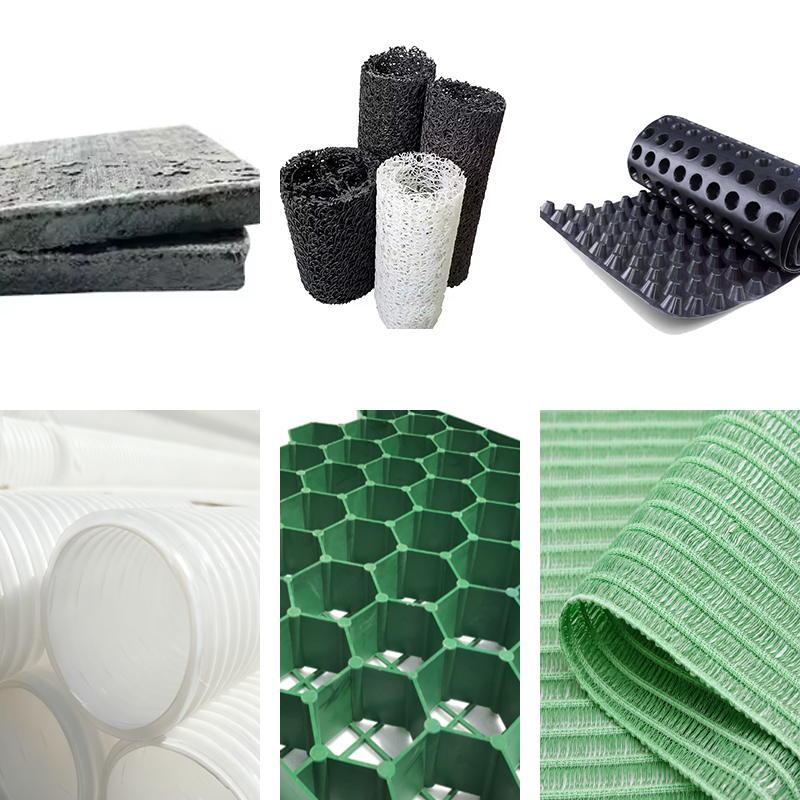
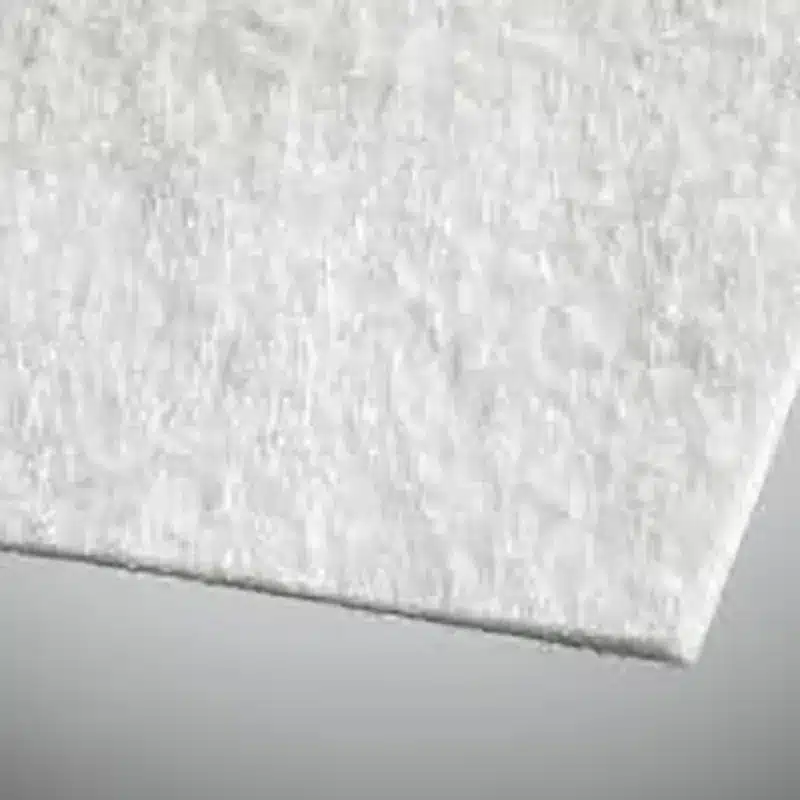
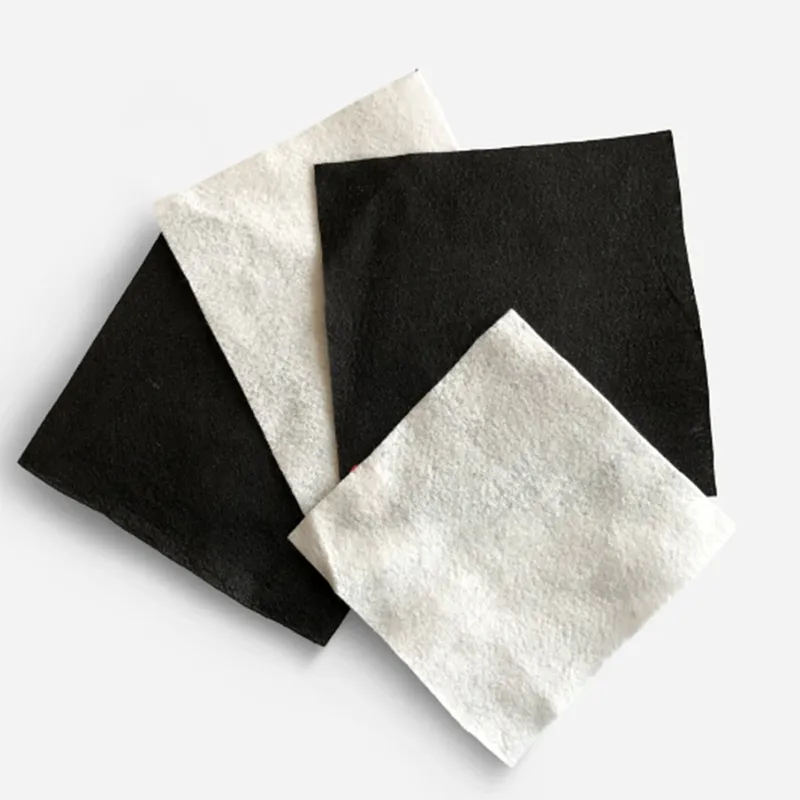
Geotextil is an essential geosynthetic material widely used to improve soil stability, enhance drainage, and extend the service life of infrastructure. Engineers frequently reference materials such as nonwoven geotextile to compare performance in separation and filtration systems.
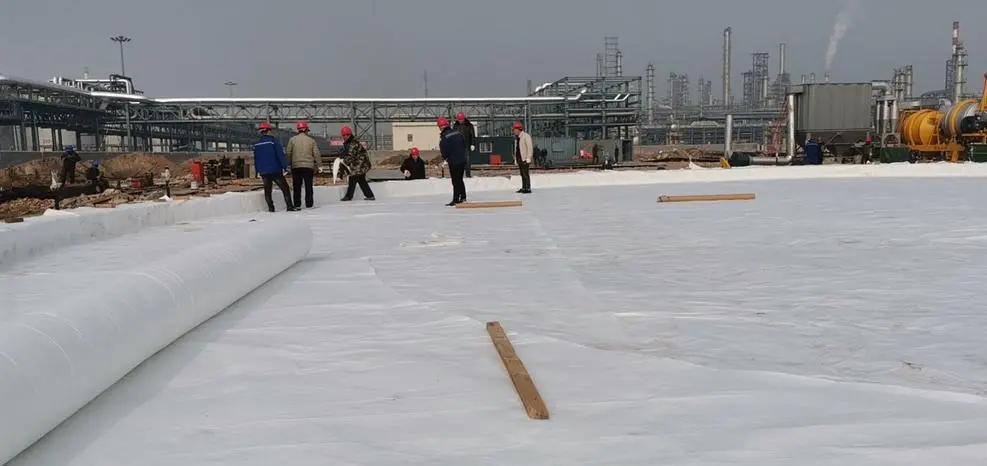
What is a geotextil and where is it commonly used?
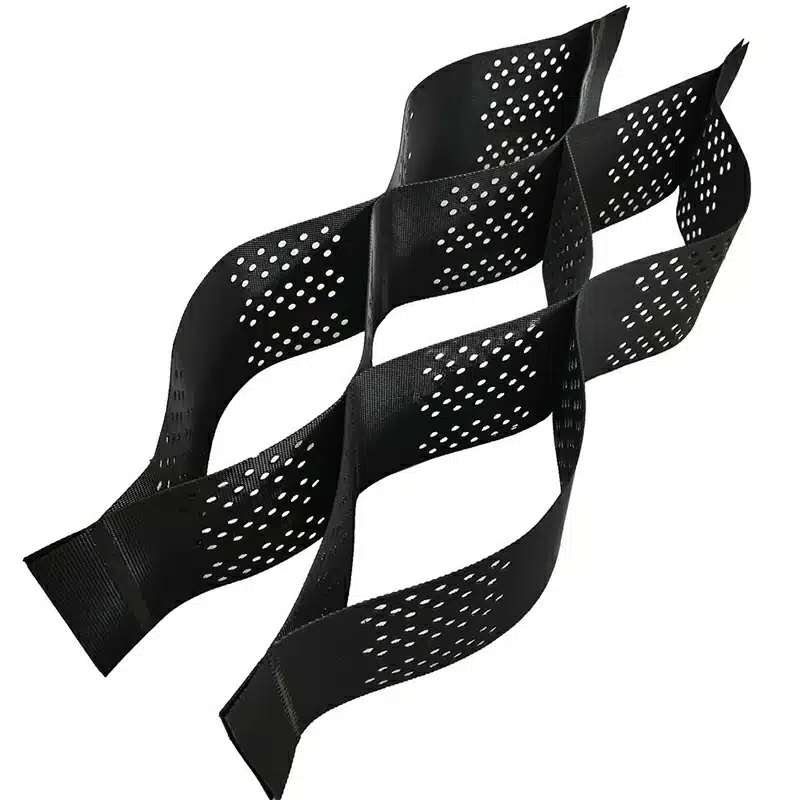
A geotextil is a synthetic fabric made from polymers such as polypropylene or polyester, designed to perform separation, filtration, drainage, reinforcement, and protection functions in civil engineering projects. It is commonly used in roadbed construction to prevent soil mixing, in subsurface drainage systems to allow water flow while retaining fine particles, and in erosion-control applications for slopes, riverbanks, and coastlines. For enhanced protection, engineers also use erosion control mats in hydraulic and slope-stabilization projects.
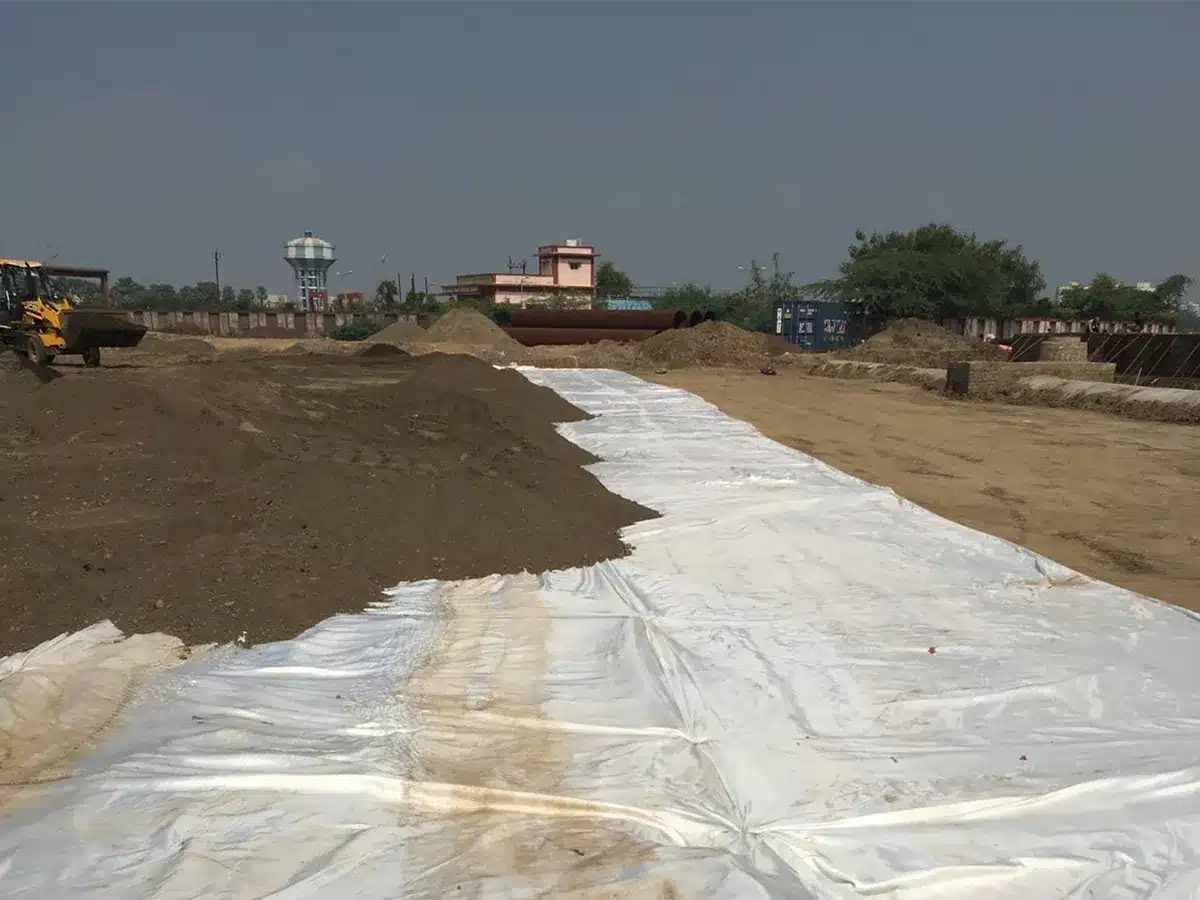
What types of geotextiles exist and how should they be selected?
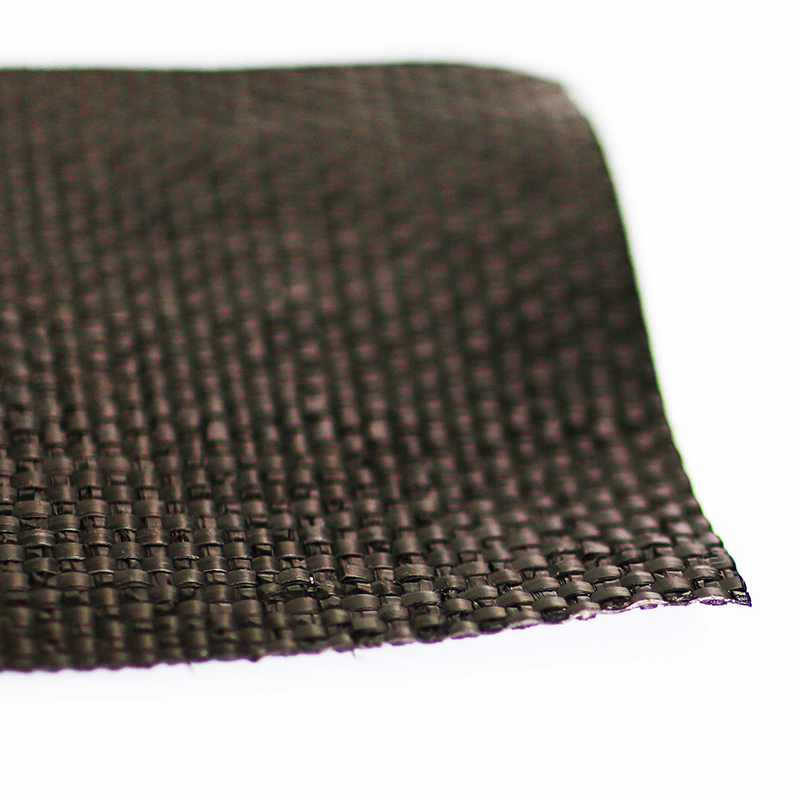
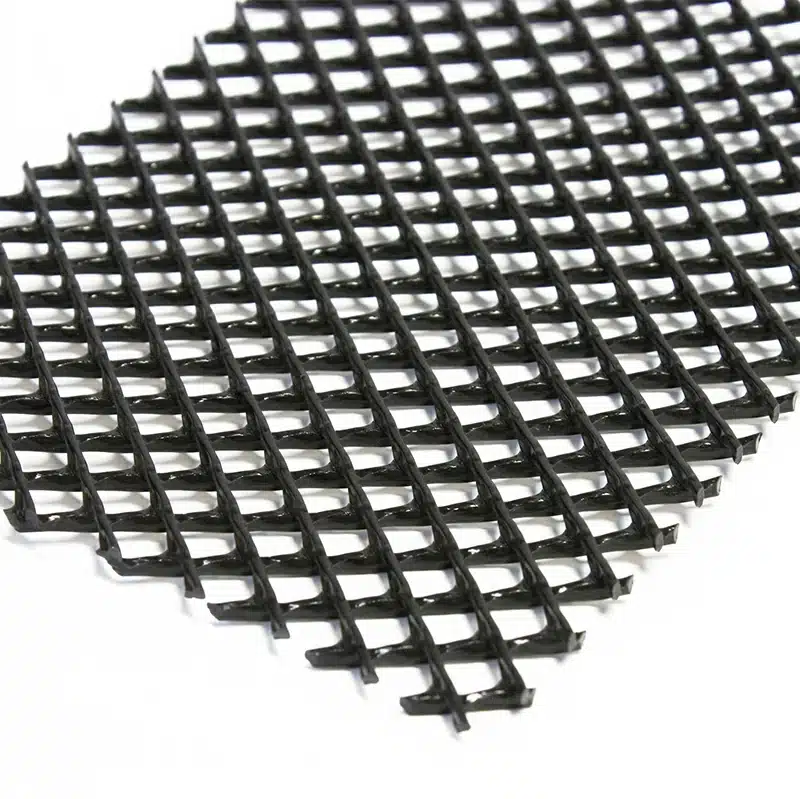
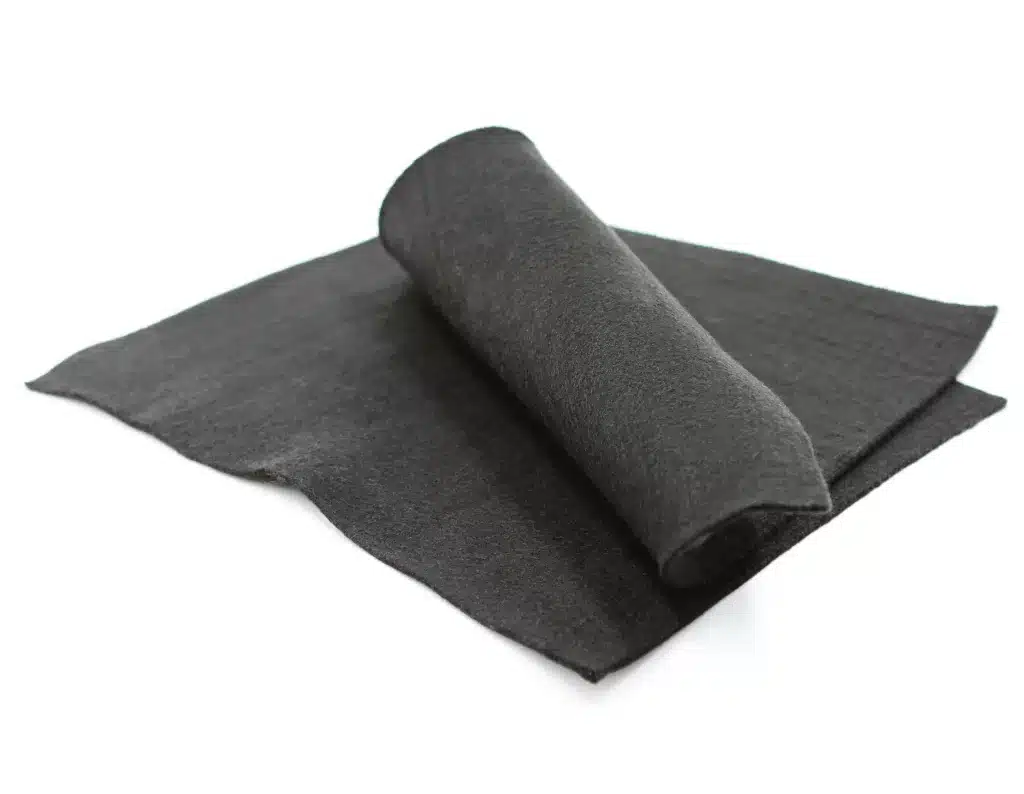
Geotextiles are typically classified into woven and nonwoven types. Woven geotextiles provide high tensile strength suitable for reinforcement and stabilization, while nonwoven geotextiles offer high permeability for drainage and filtration. Engineers often compare structural characteristics using woven geotextile technical specifications.
How can engineers quantify the technical and economic value of geotextil in a project?
Engineers evaluate benefits by calculating reduced aggregate thickness, improved load distribution, extended service life, and lifecycle cost savings. A well-designed system incorporating a geotextil can deliver measurable material savings and structural resilience. For more product comparisons, see geosynthetics.
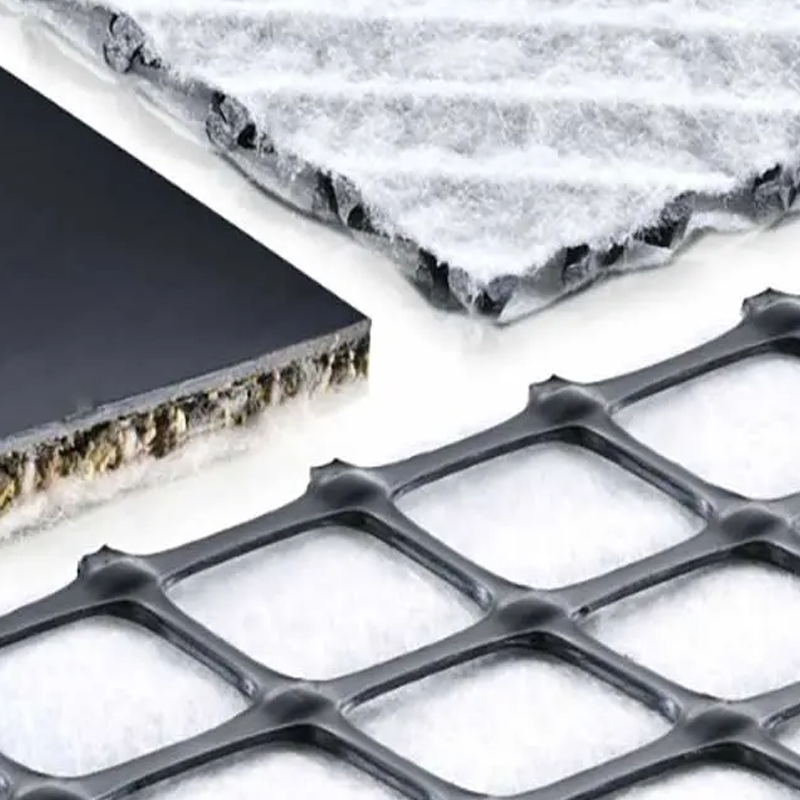
The global use of geotextil continues to grow as infrastructure projects demand higher durability, improved soil behavior, and long-term drainage performance. By integrating solutions such as nonwoven geotextile for filtration, woven geotextile for reinforcement, and erosion control mats for surface protection, engineers can significantly enhance structural reliability while reducing lifecycle costs. With the geotextile market surpassing multi-billion-dollar growth worldwide, its role in modern civil engineering is more essential than ever.
Get Free Sample
We’ll respond as soon as possible(within 12 hours)