


+86-159 9860 6917
info@geofantex.com
geofantex@gmail.com
+86-400-8266163-44899
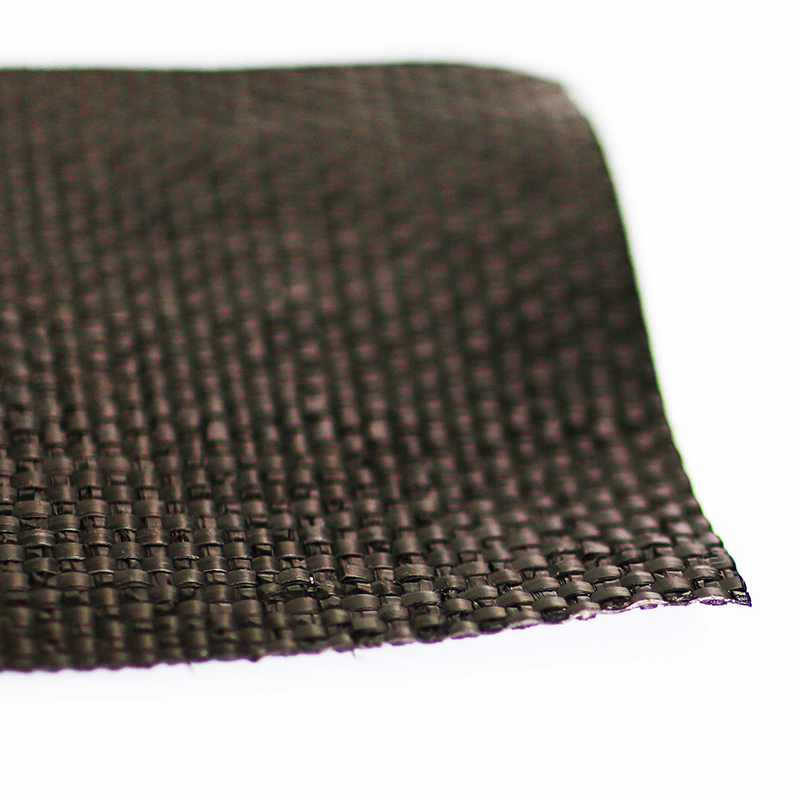
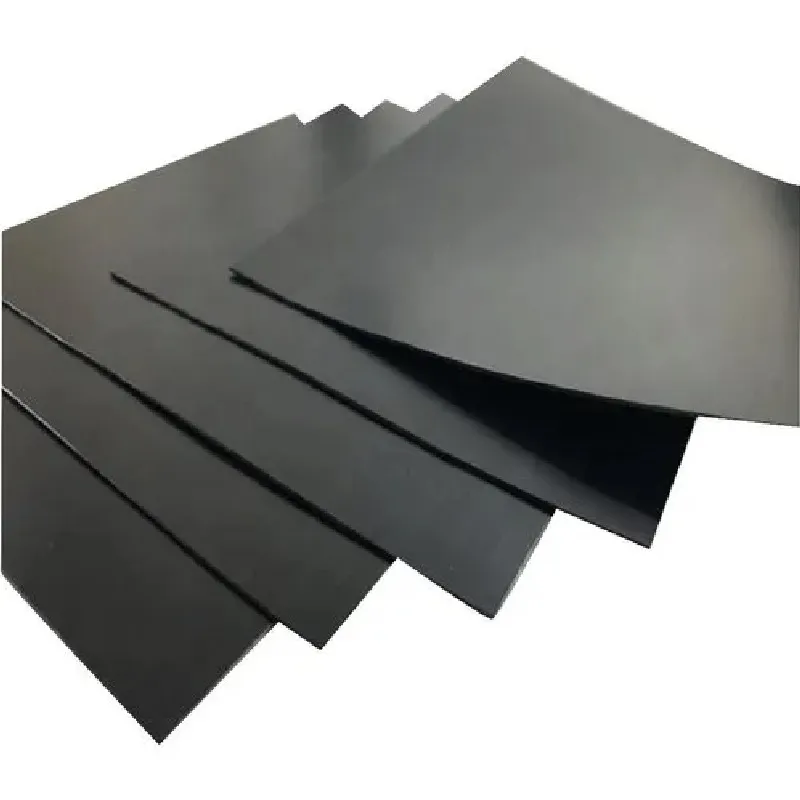
A geocomposite wall drain plays a crucial role in moisture management by directing water away from the soil-structure interface. When water accumulates behind retaining or basement walls, it increases hydrostatic pressure that can deform or fracture concrete and masonry. By integrating drainage and filtration functions into one composite layer, a geocomposite wall drain helps safeguard structural integrity and minimize long-term maintenance costs. This improvement in performance aligns well with evolving design philosophies that prioritize longevity and reduced environmental disturbance. Readers interested in filtration and separation functions may refer to geotextile filtration materials, which complement drainage systems in many retaining applications.
What is a geocomposite wall drain?
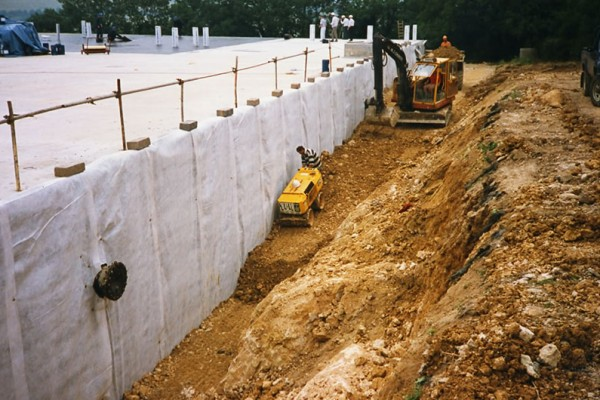
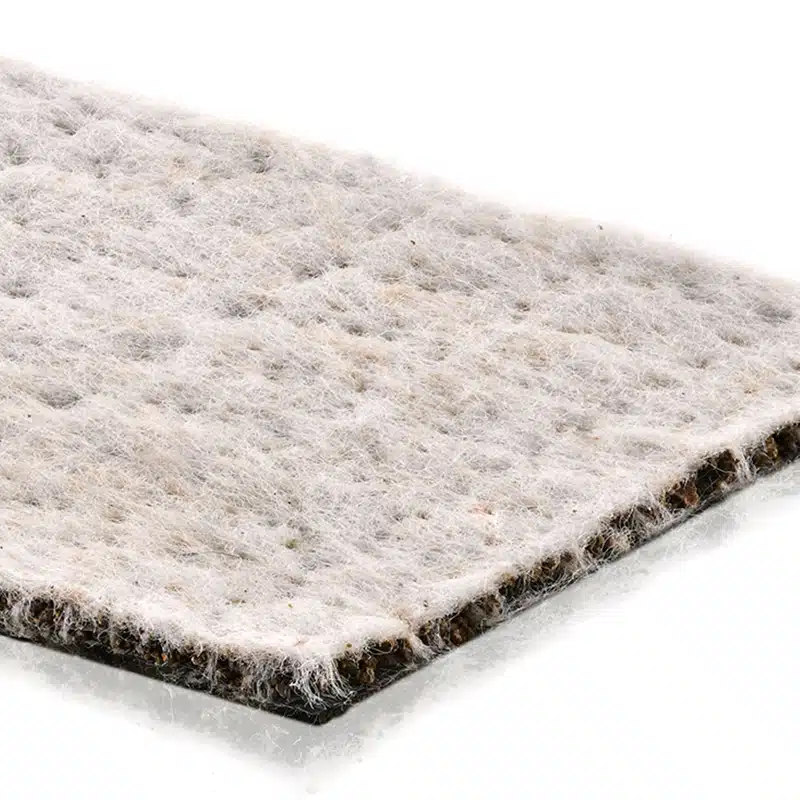
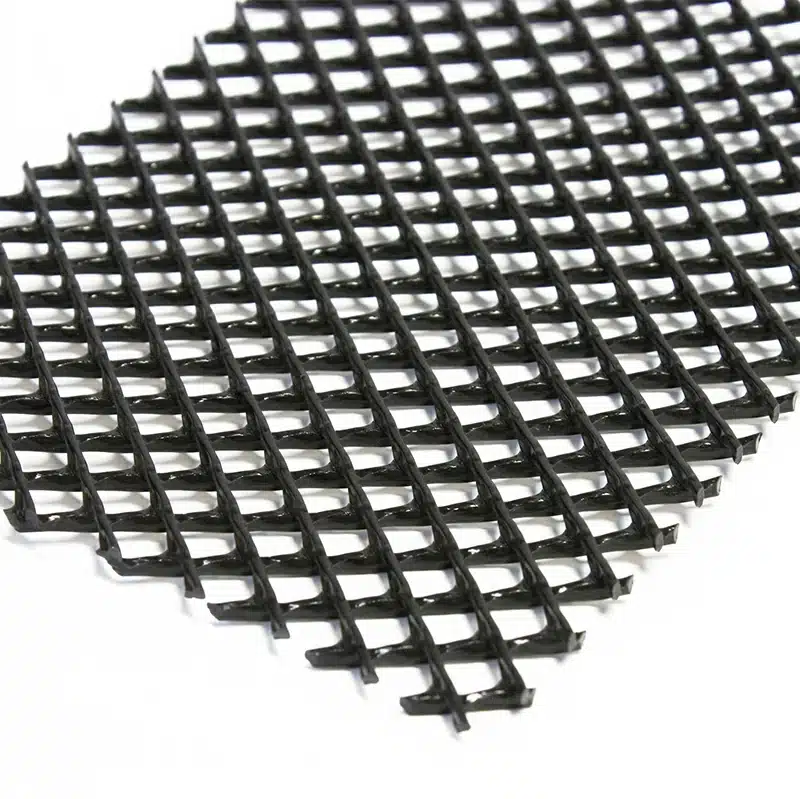
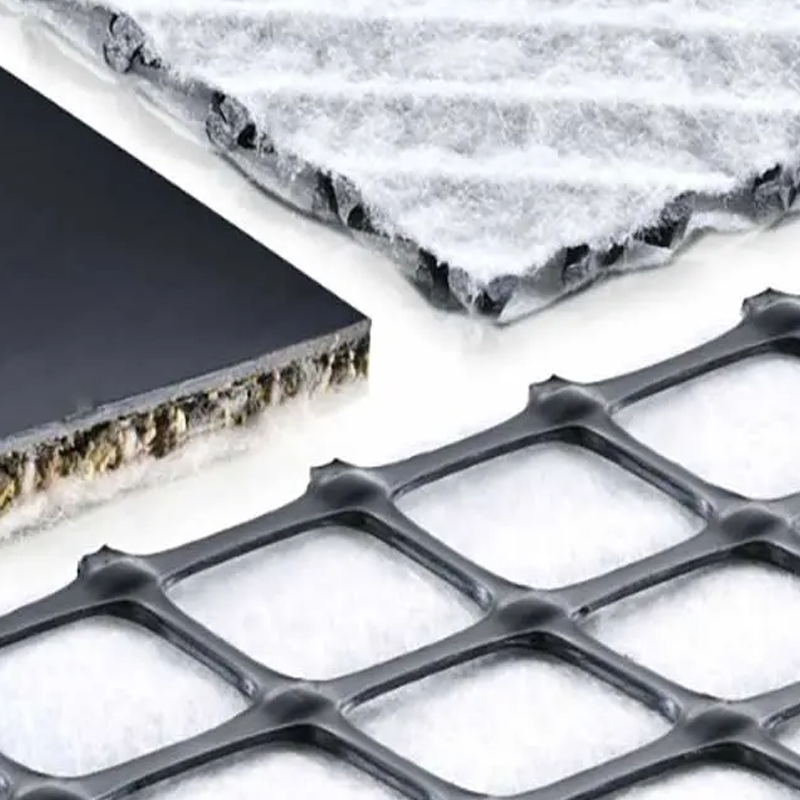
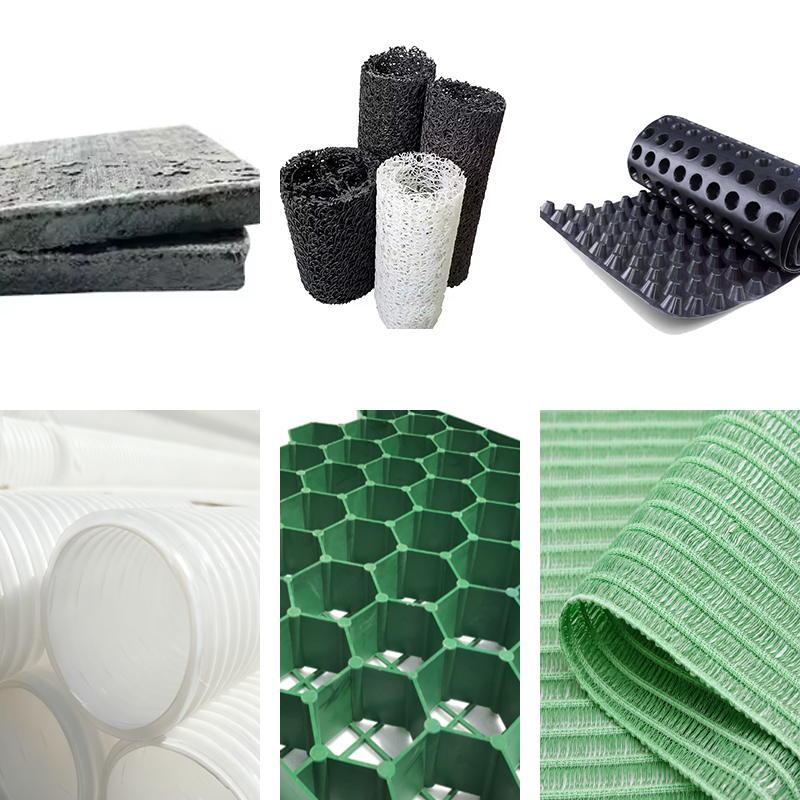
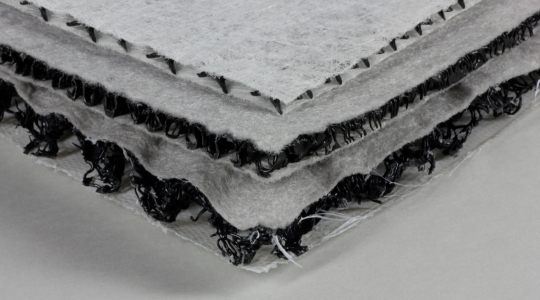
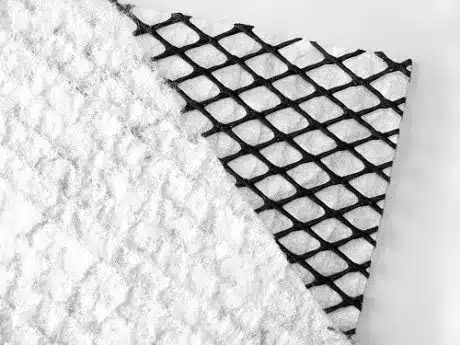
A geocomposite wall drain is constructed using a polymeric drainage core laminated to one or more geotextile filters. The geotextile allows free water flow while preventing soil fines from entering and clogging the drainage core. Unlike conventional granular drains, this engineered system provides consistent hydraulic discharge and more predictable filtering behavior over time. The controlled interface between filter and core ensures water moves downward toward collection pipes or weep holes, maintaining static equilibrium behind the wall structure. Professionals seeking more insight into these engineered assemblies may review geocomposite drainage products, which illustrate common form factors and performance variations.
Why is drainage behind walls necessary?
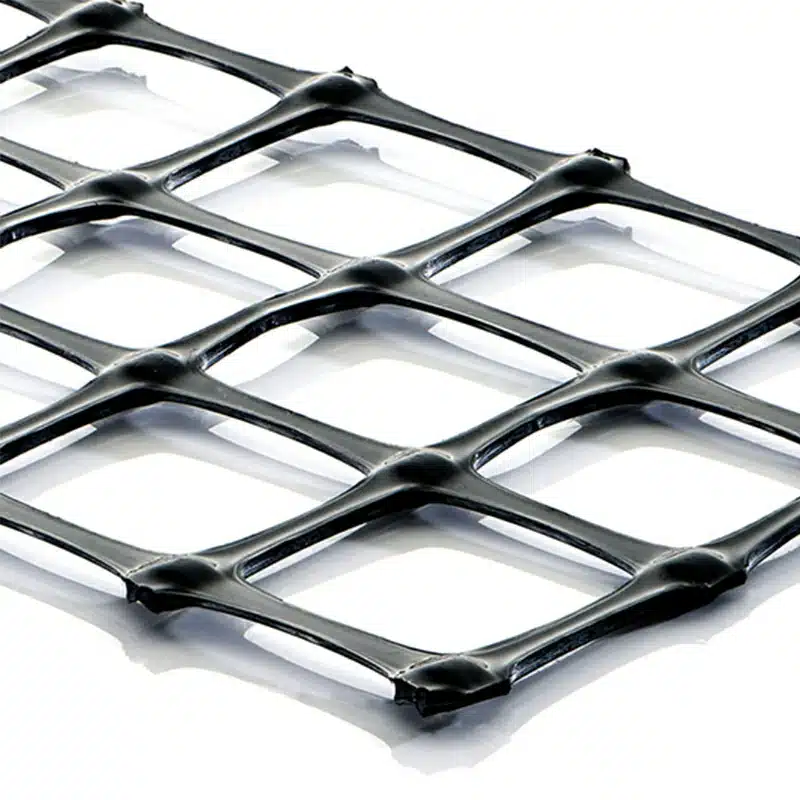
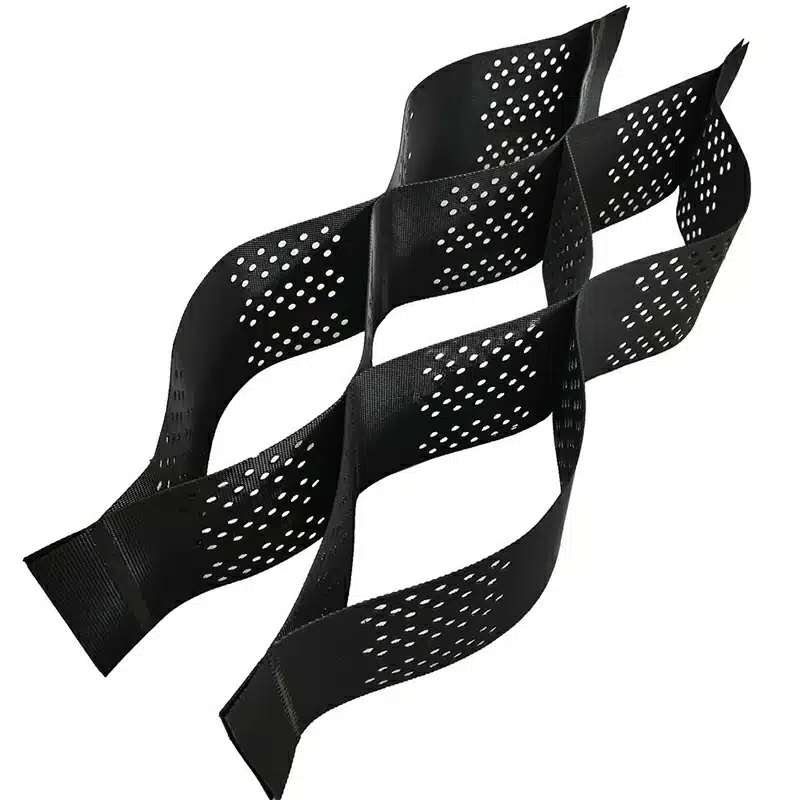
Drainage is essential because water migration in soils is constant, particularly in climates with seasonal rainfall or freeze-thaw cycles. Without a functional drainage layer, hydrostatic pressure can rise to levels capable of shifting wall geometry or compromising the backfill zone. Over time, this leads to safety hazards, expensive corrective repairs, and accelerated deterioration. In performance-driven retaining walls, contractors may combine drainage systems with high-strength geogrid reinforcement to stabilize soils and prevent erosion, ensuring that both mechanical and hydraulic stresses are addressed jointly. This synergy between reinforcement and drainage has become a common theme in earth retention design.
What is the difference between geocomposite drains and traditional gravel drains?
Traditional gravel drains rely on labor-intensive installation involving excavation, compaction, transport, and precise material placement. While effective, these systems consume considerable space and increase project logistics. Geocomposites offer a lightweight solution with lower installation time, predictable hydraulic flow, and reduced backfill requirements. Additionally, they eliminate concerns related to aggregate quality variability or site access restrictions for heavy machinery. The space savings gained when using geocomposites make them ideal for urban projects, basement retrofits, and reinforced soils where working room is limited. Their hydraulic consistency also simplifies design calculations, contributing to more efficient engineering workflows.
Where are geocomposite wall drains most commonly used?
The most frequent applications include retaining walls, soil-nail walls, basement walls, bridge abutments, landscaped structures, tunnels, and barrier systems. In these environments, drainage supports both geotechnical stability and building envelope protection. Public infrastructure projects have been adopting drainage composites to improve lifecycle performance and reduce maintenance budgets, while private residential developers appreciate the reduced excavation footprint and improved moisture protection. As environmental standards evolve, specifying engineered drainage solutions is becoming more common due to the reduced material consumption and higher functional efficiency compared to granular alternatives.
In summary, geocomposite wall drains have become an important component in contemporary civil works, mainly because they manage the persistent problem of water buildup behind structural walls. By integrating drainage, filtration, and collection functions into a single engineered layer, they eliminate the need for bulky granular materials and streamline installation. This not only reduces hydrostatic pressure and prevents cracking, but also supports construction efficiency in dense job sites or where backfill tolerances are strict. As infrastructure owners and contractors increasingly favor solutions that balance performance, durability, and cost control, the relevance of geocomposite wall drains continues to rise across geotechnical, transportation, and residential projects.

Get Free Sample
We’ll respond as soon as possible(within 12 hours)