

+86-159 9860 6917
info@geofantex.com
geofantex@gmail.com
+86-400-8266163-44899
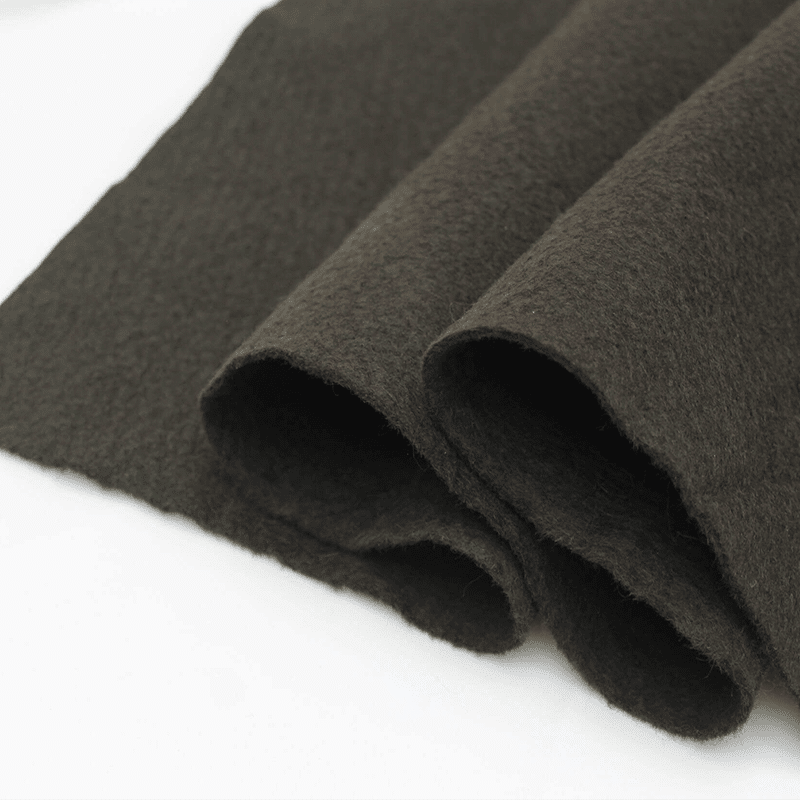
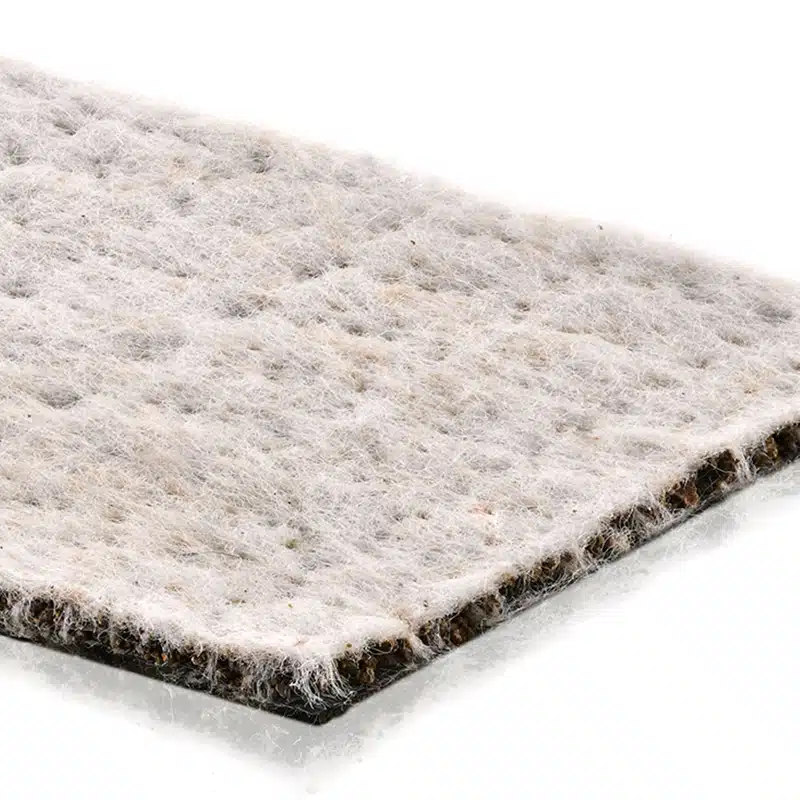
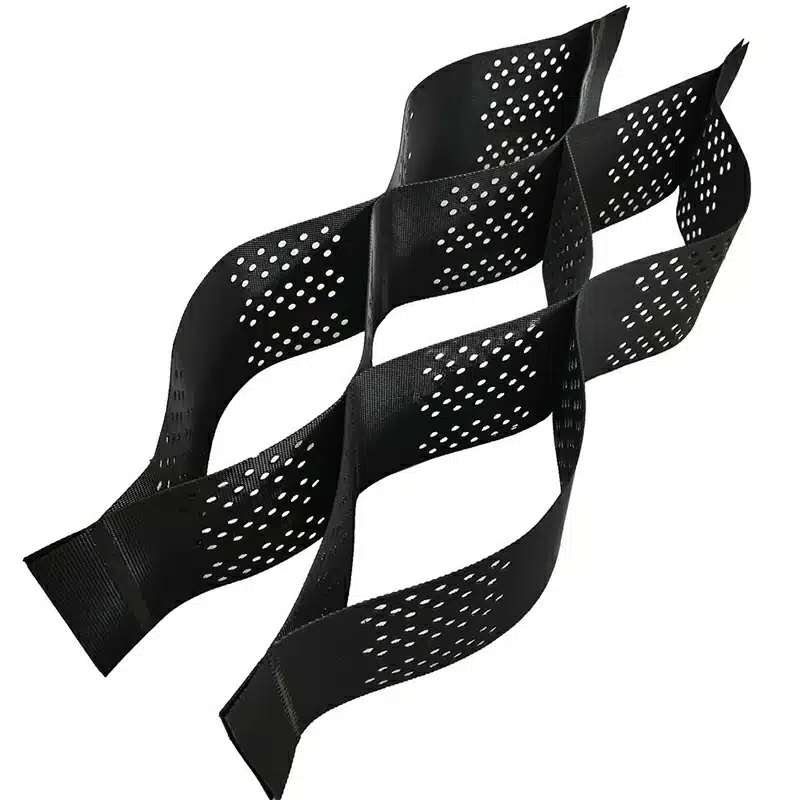
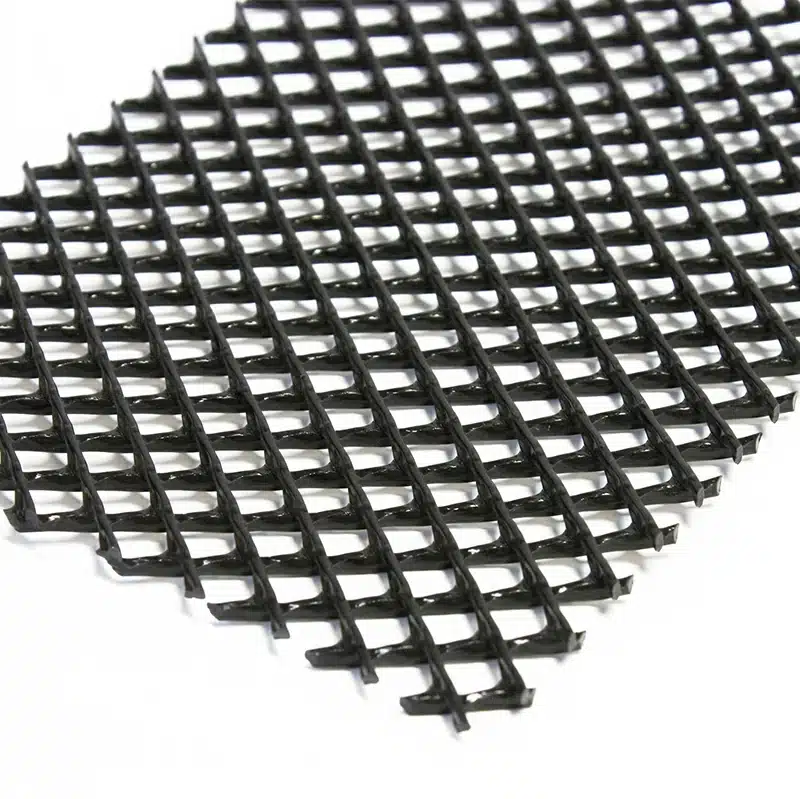
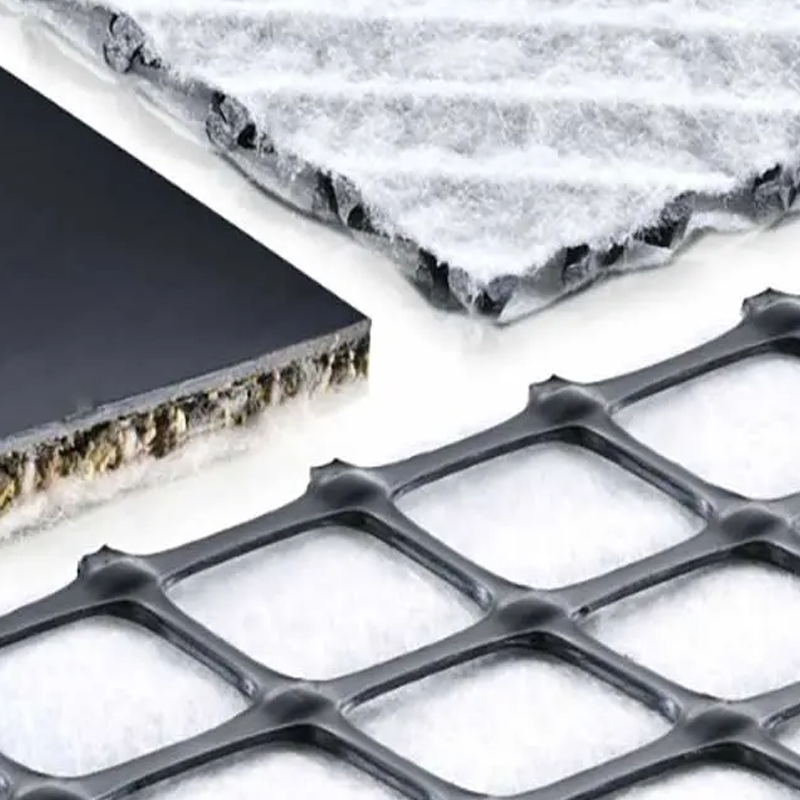
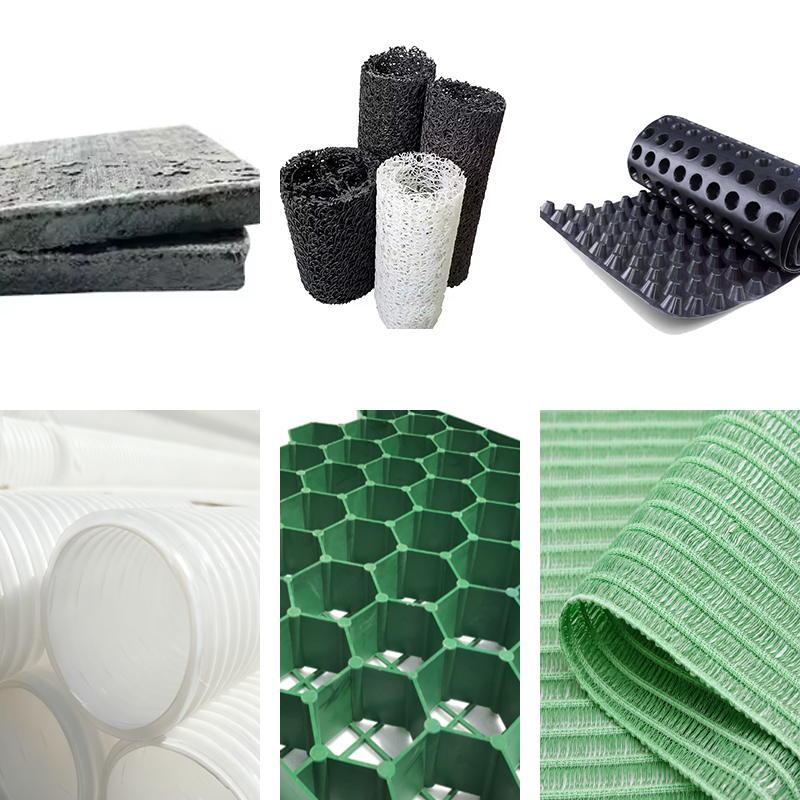
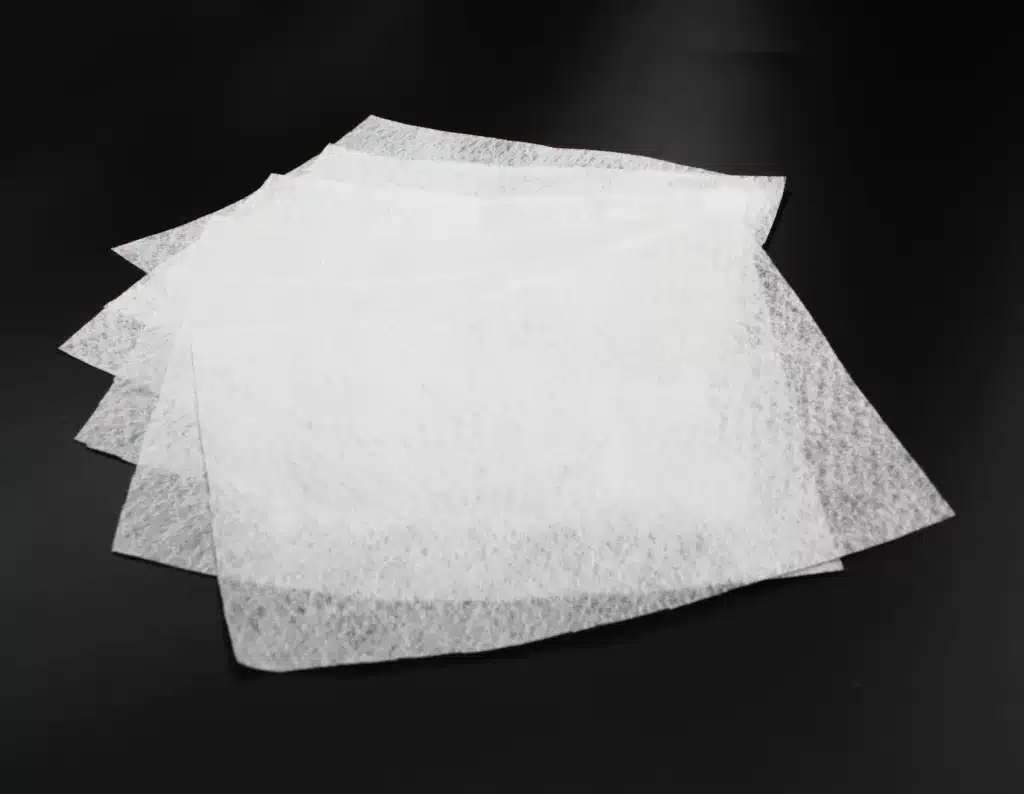
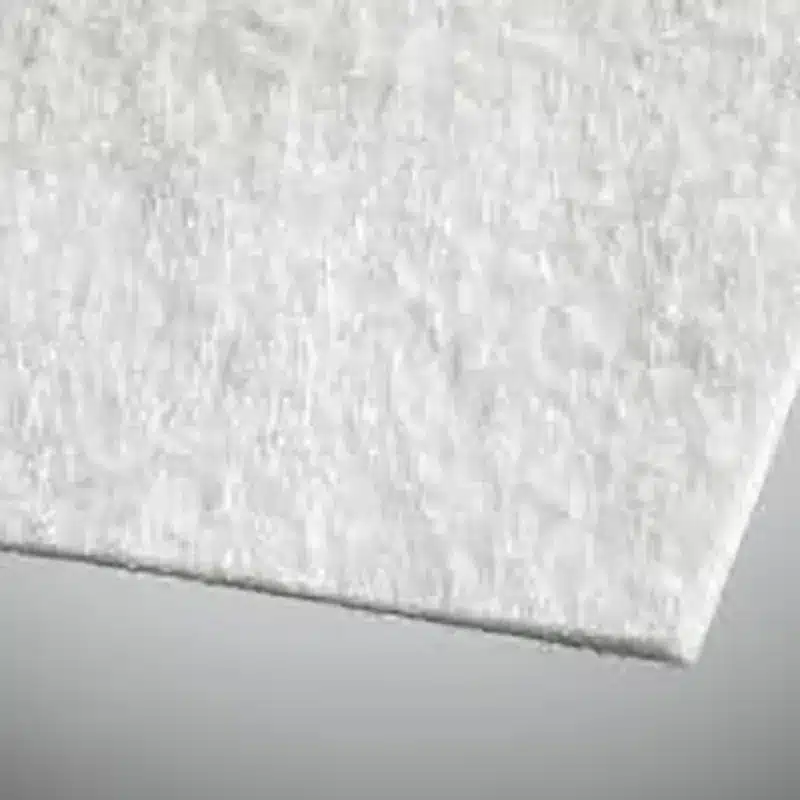
Non-woven geotextile fabric has become a key component for civil engineering, mining, environmental protection, and municipal infrastructure upgrades where filtration, separation, and erosion control are required. Engineers favor these permeable nonwoven materials because they provide strong hydraulic performance, durability, and adaptability to variable soil conditions, especially when paired with advanced drainage solutions such as geocomposite drainage layers and geomembrane liners, commonly seen in civil projects and environmental containment works.
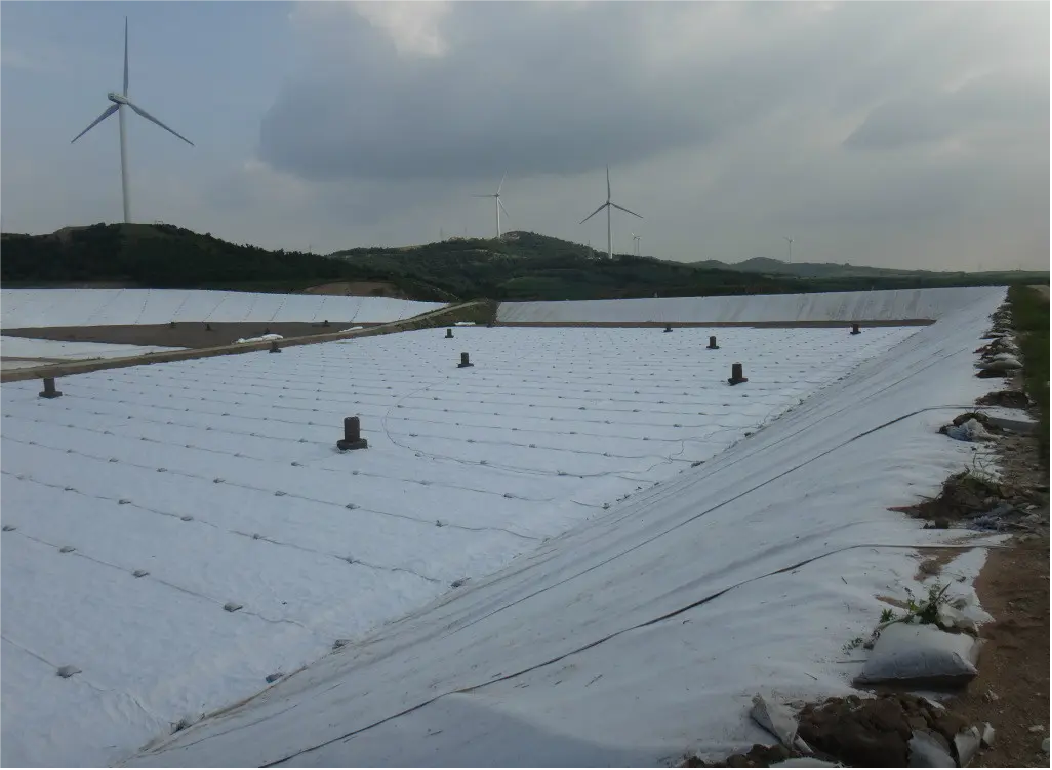
Why non-woven geotextile fabric Matters: Filtration, Separation & Stabilization
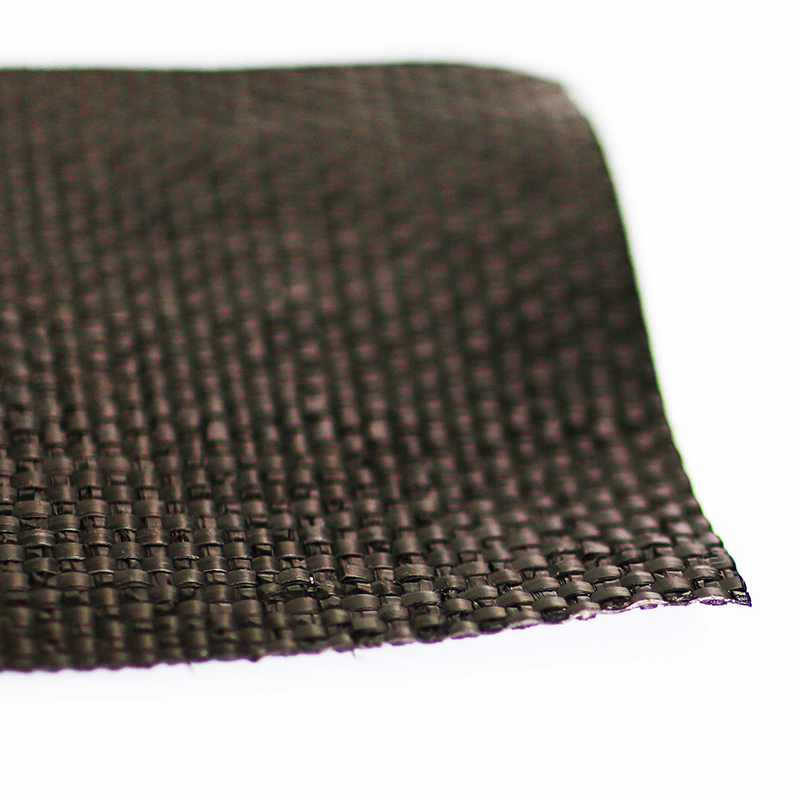
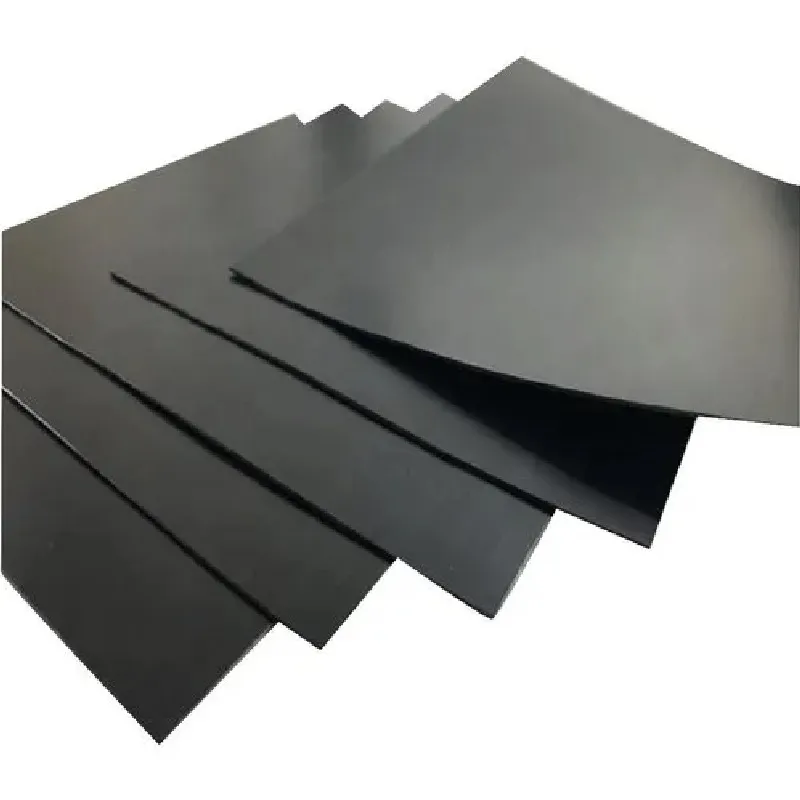
Compared to woven geotextiles, nonwoven variants excel at water permeability and sediment filtration, making them ideal for drainage structures, geocomposites, and soil stabilization layers. They also help maintain the integrity of road bases, retaining structures, and landfills. When used with HDPE geomembranes and leachate drainage assemblies, nonwoven geotextiles enhance system compatibility and long-term hydraulic performance.
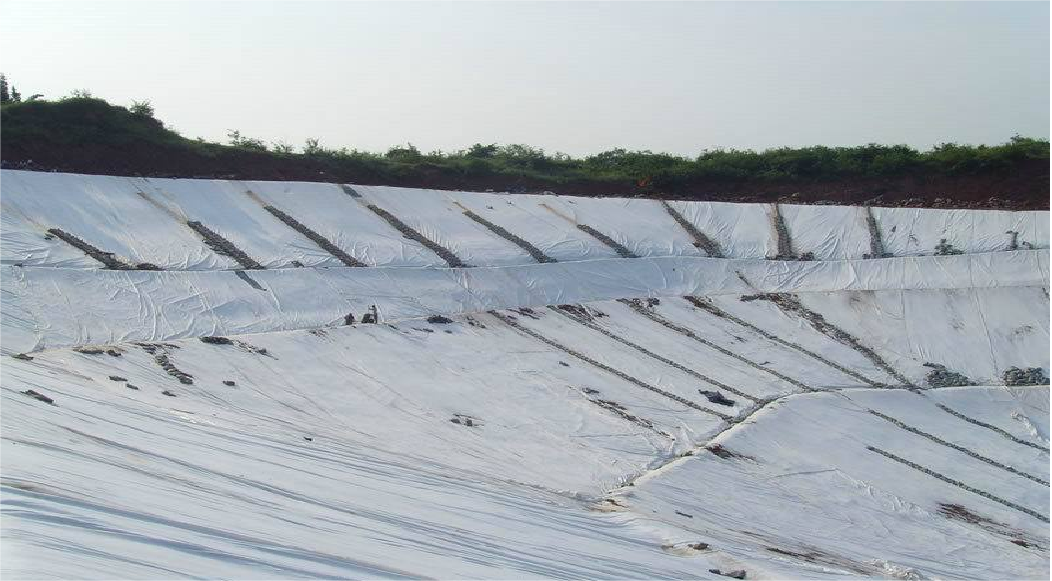
Municipal Road Subgrade Reinforcement
A mid-size U.S. city implemented a subgrade reinforcement program to address freeze–thaw deterioration. Engineers installed a nonwoven separator between granular base and subgrade soils to prevent fines migration. After two years, deformation mitigation reduced maintenance expenses significantly and extended pavement service life.
Leachate Collection Layer in Sanitary Landfills
A landfill operator in Chile designed a leachate system using a nonwoven filter layer to protect an HDPE liner and drainage gravel. The configuration reduced clogging, improved hydraulic transmission, and enhanced environmental compliance performance—highlighting the synergy with landfill geosynthetics.
Coastal Erosion Control & Shoreline Rehabilitation
Nonwoven geotextiles were deployed under riprap and sand-filled tubes to stabilize sediments along a coastal roadway vulnerable to monsoon wave energy. The soft-engineering solution preserved slope stability and enabled gradual shoreline rehabilitation.
Green Infrastructure Stormwater Basins
Urban developers in Germany used nonwoven filters in stormwater basins to regulate discharge rates and protect downstream drainage channels. The design improved infiltration without clogging and aligned with European green infrastructure strategies.
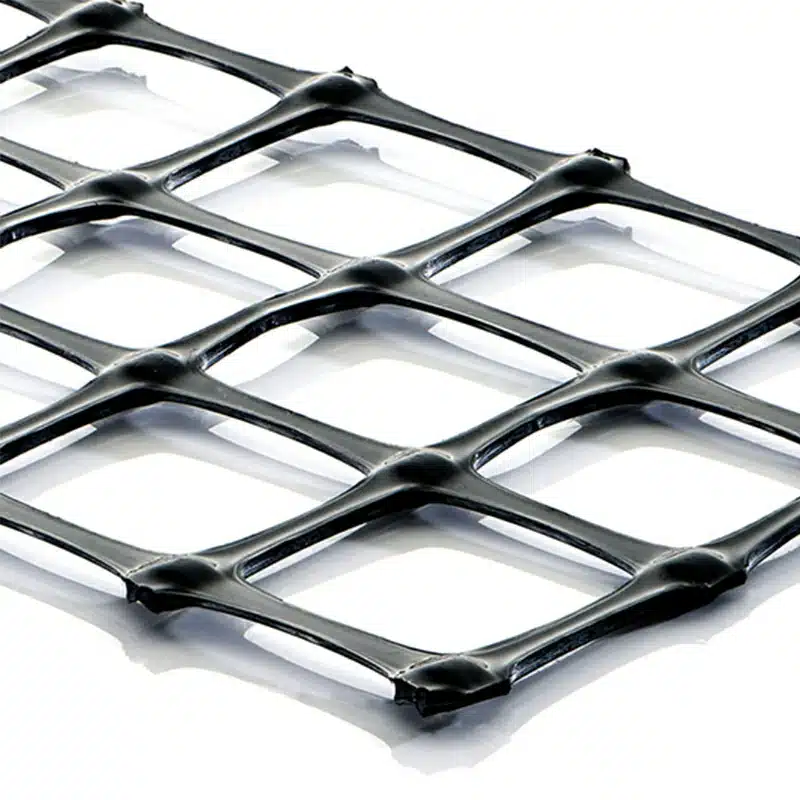
Nonwoven geotextiles continue to prove their value across diverse civil and environmental engineering contexts. From municipal road reinforcement and landfill leachate systems to coastal erosion control and green stormwater infrastructure, performance data shows that nonwoven geotextiles enable superior filtration, separation, and hydraulic stability under demanding field conditions. As infrastructure owners search for cost-effective and compliant solutions, the integration of nonwoven geotextiles with geomembranes, geocomposites, and drainage assemblies is becoming a standard engineering approach—supporting longer service life, reduced maintenance, and improved sustainability outcomes across the project lifecycle.
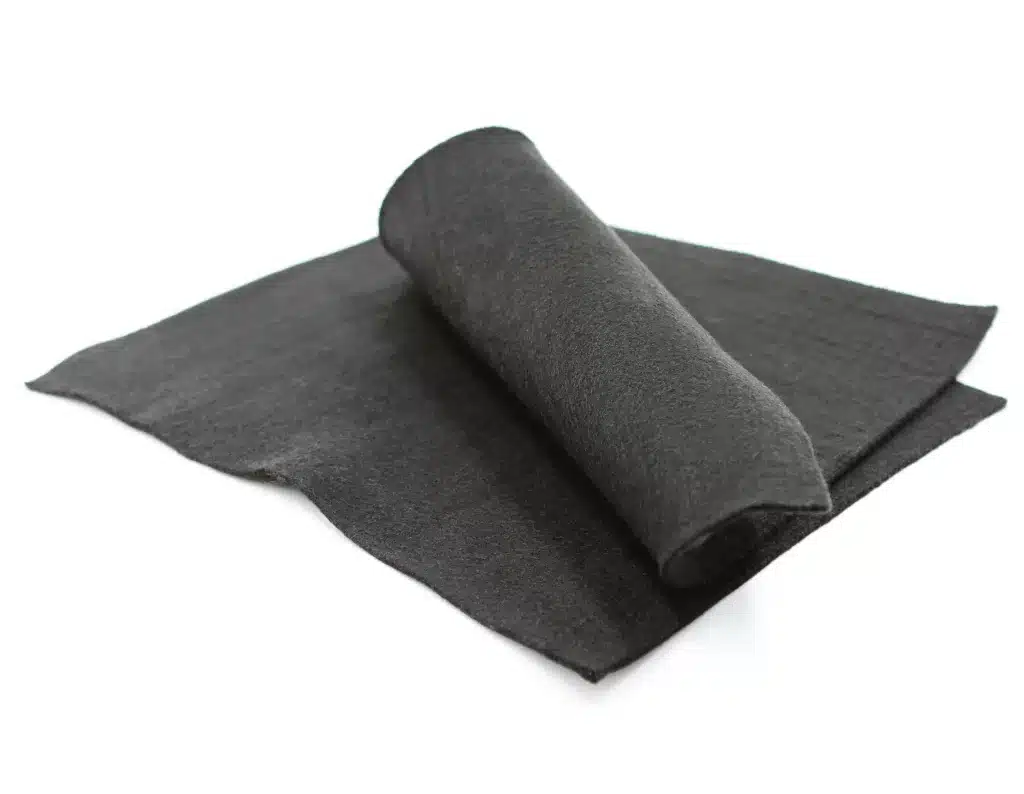
Get Free Sample
We’ll respond as soon as possible(within 12 hours)