

+86-159 9860 6917
info@geofantex.com
geofantex@gmail.com
+86-400-8266163-44899
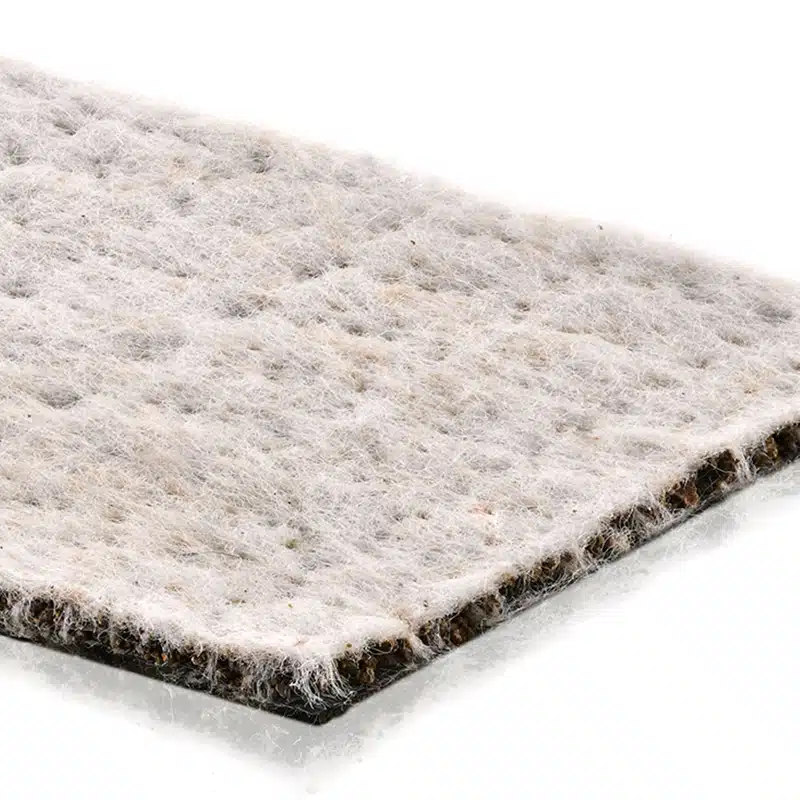
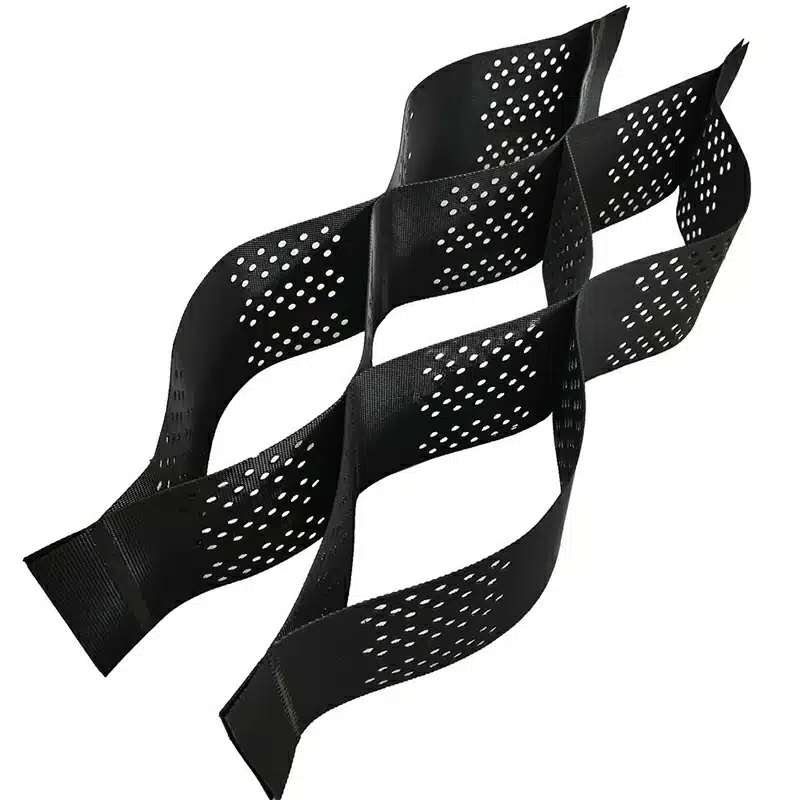
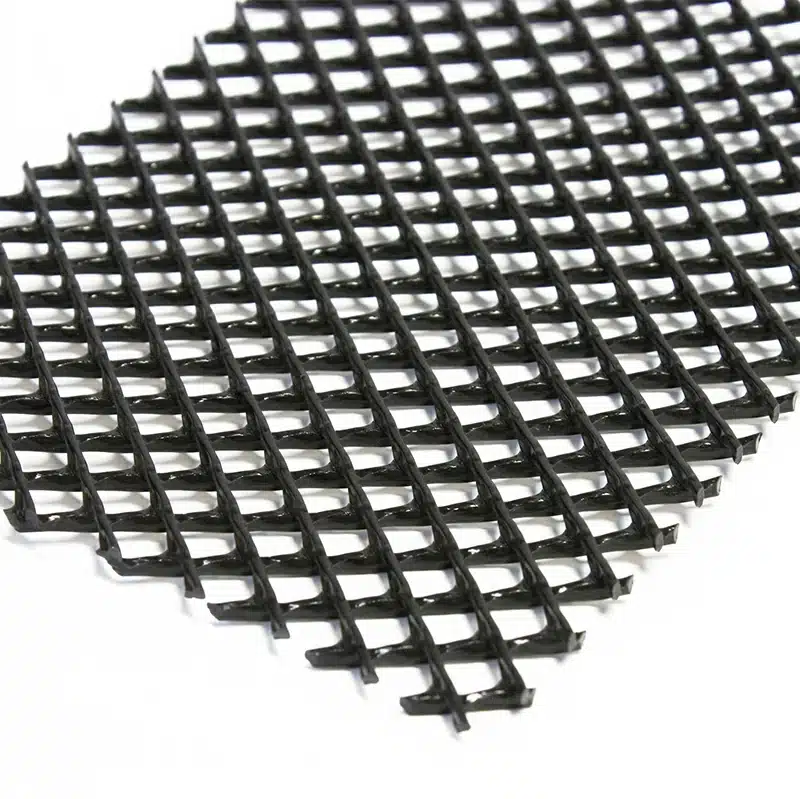
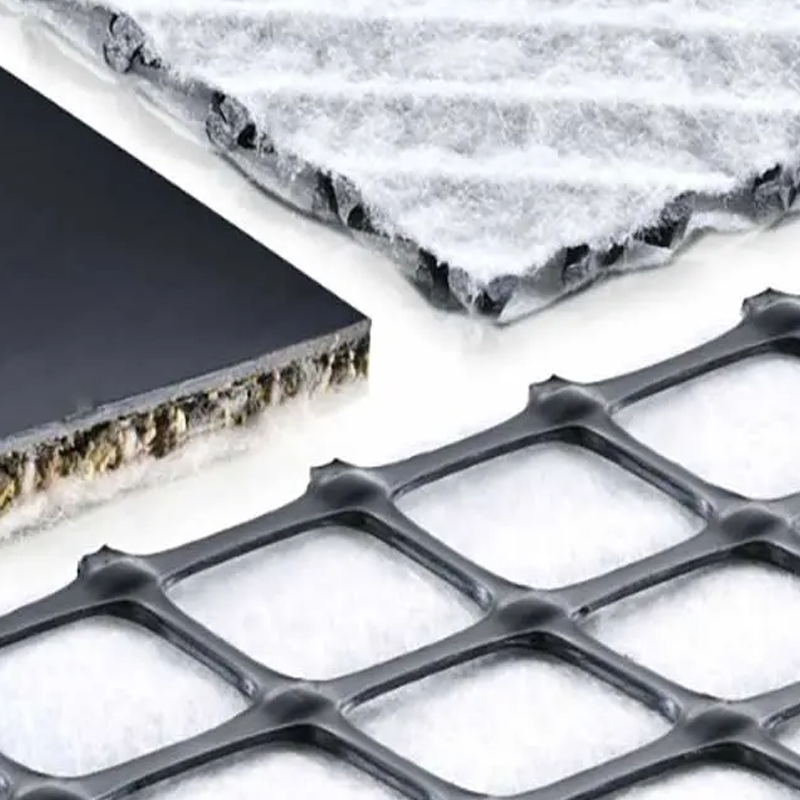
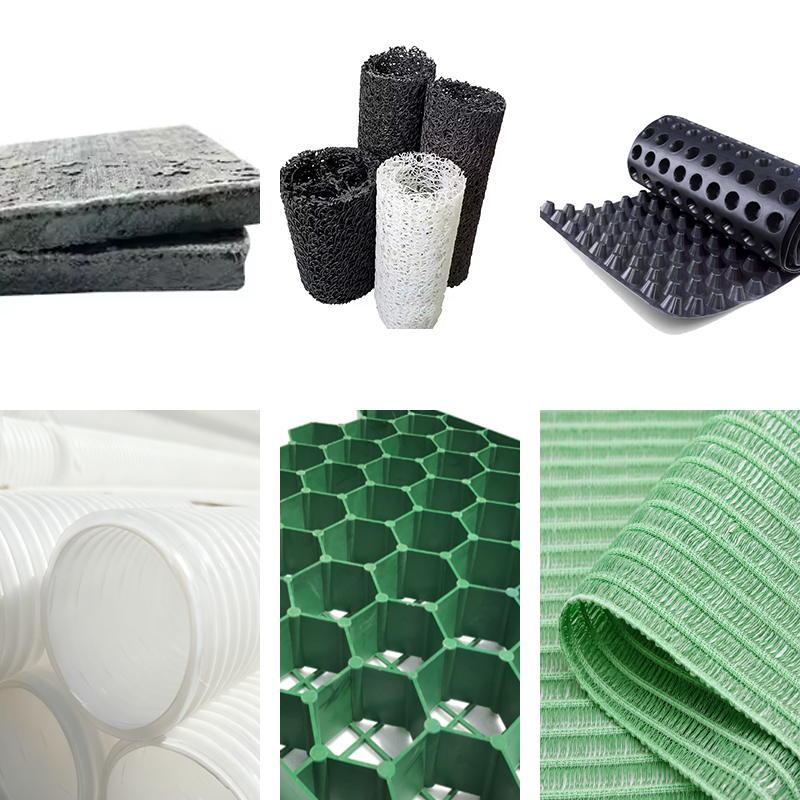
Geotextile fabrics are widely used in landfill and road construction to improve soil stability, filtration, and drainage performance. For procurement teams, selecting the right geotextile fabrics ensures long-term durability, compliance, and efficient integration with pumps and drainage systems in complex geosynthetic projects.
What are geotextile fabrics and how do they function?
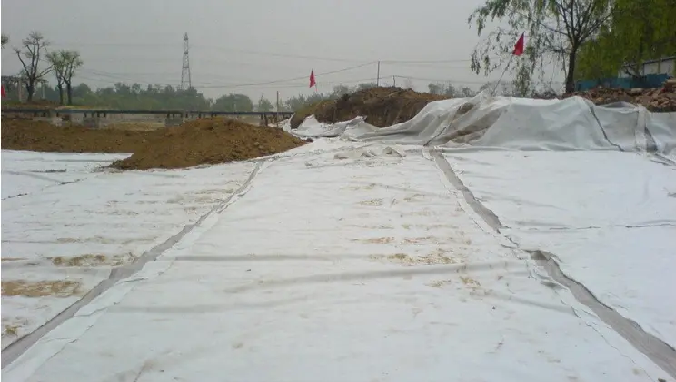
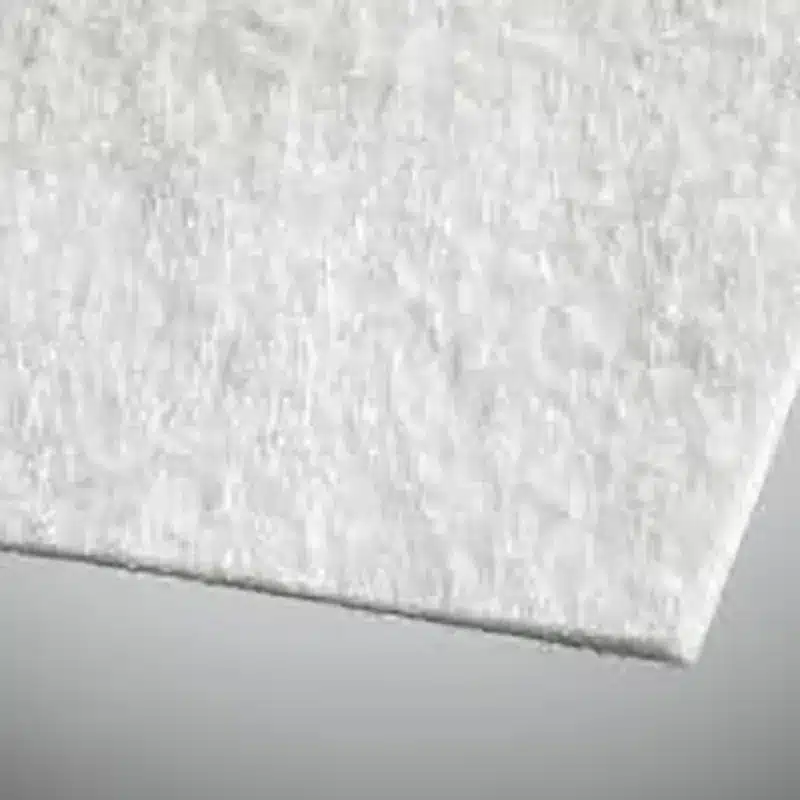
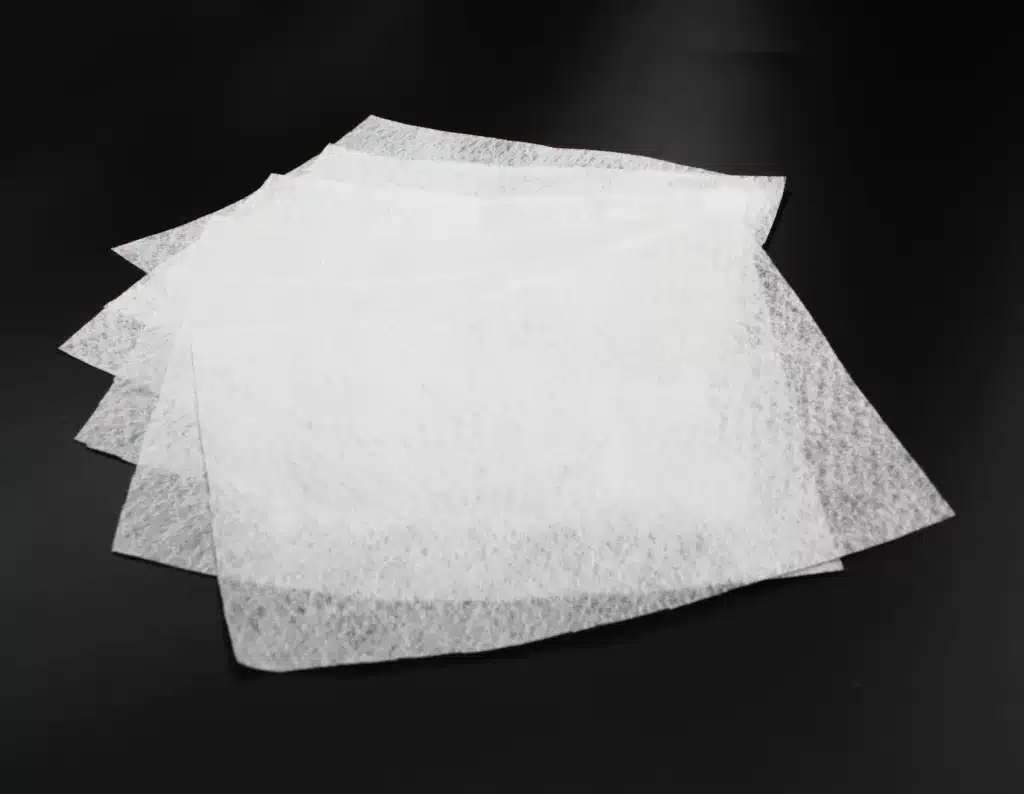
In modern civil engineering, geotextile fabrics serve as a multifunctional layer between soil and structural materials. They are designed to separate different soil layers, filter water while retaining particles, reinforce weak subgrades, and facilitate drainage. In both landfill and road systems, geotextile fabrics help maintain structural integrity under heavy loads and variable environmental conditions.
For B2B buyers, choosing high-performance geotextile fabrics for soil stabilization and drainage ensures compatibility with other components such as geomembranes and pump systems. Their permeability and tensile strength make them essential for preventing clogging and maintaining flow efficiency in drainage networks.
Where are geotextile fabrics applied in road and landfill projects?
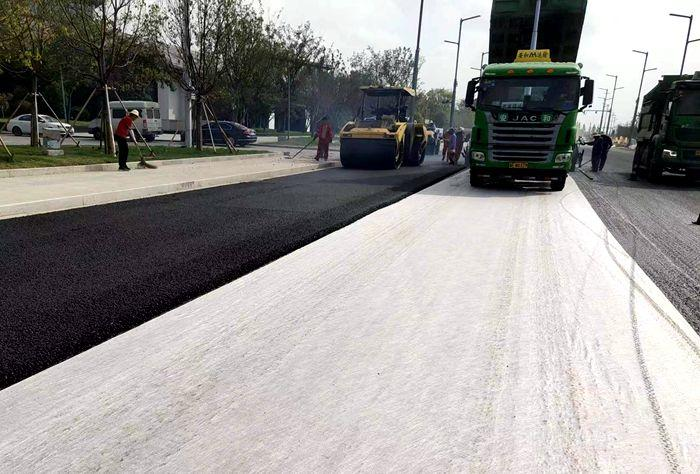
Across infrastructure projects, geotextile fabrics are used in multiple layers to enhance performance and extend service life. In road construction, they are placed beneath pavements to stabilize soft soils and reduce rutting, especially in high-traffic areas. In landfill engineering, they protect geomembranes, support drainage layers, and control erosion in cover systems.
Their role becomes even more critical in systems that integrate pumps and leachate management, where consistent filtration is required to prevent blockage. Many contractors now prefer engineered geotextile fabrics solutions for road base and landfill systems to ensure reliability in demanding conditions.
What are the market trends for geotextile fabrics?
The global demand for geotextile fabrics continues to grow as infrastructure investment and environmental regulations increase. Rapid urbanization in emerging markets and the need for sustainable construction materials are driving adoption across transportation and waste management sectors.
According to industry data, the global geotextile market reached USD 7.98 billion in 2024 (Source: Grand View Research) and is expected to grow to USD 11.82 billion by 2030 with a CAGR of 6.9% (Source: Grand View Research). Additionally, geotextiles account for 38.2% of the geosynthetics market (Source: Market Data Forecast), confirming their leading position.
For buyers, sourcing Original geotextile fabrics with Spot inventory availability helps reduce procurement risks and ensures timely project execution, particularly for large-scale infrastructure developments involving pumps and drainage systems.
What factors should be considered when selecting geotextile fabrics?
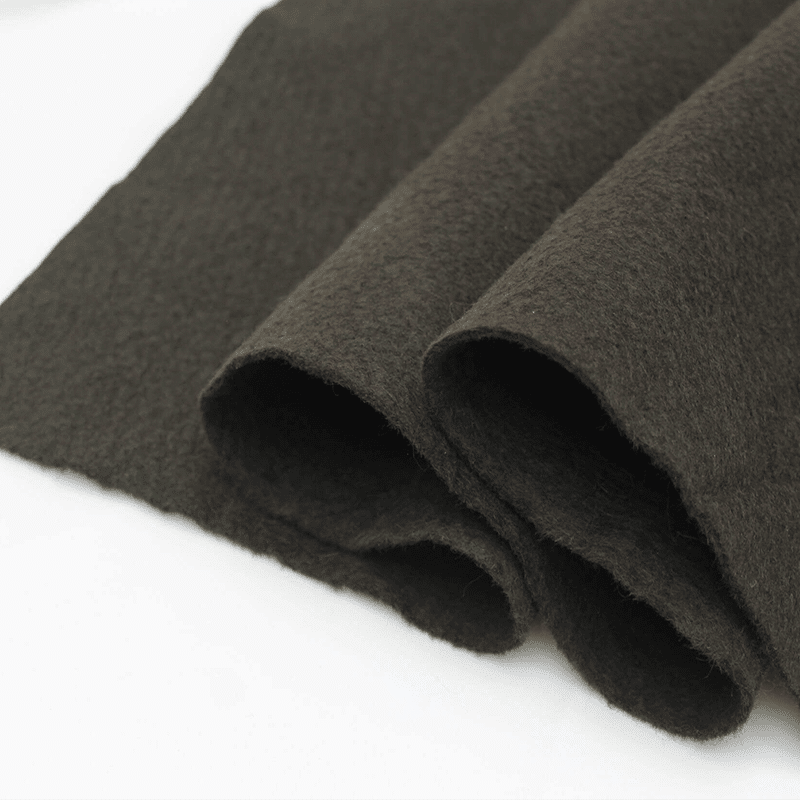
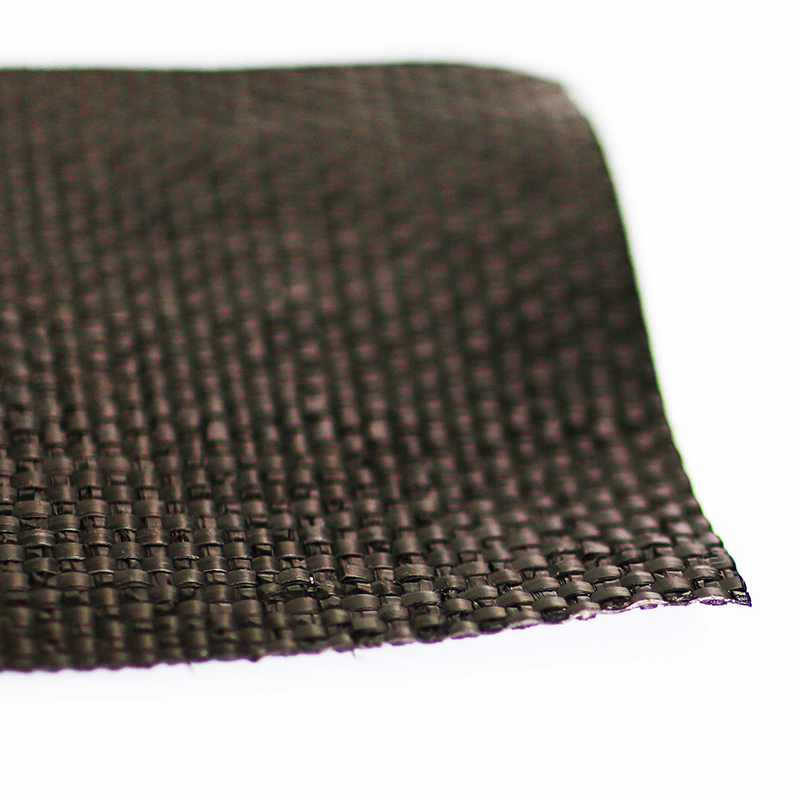
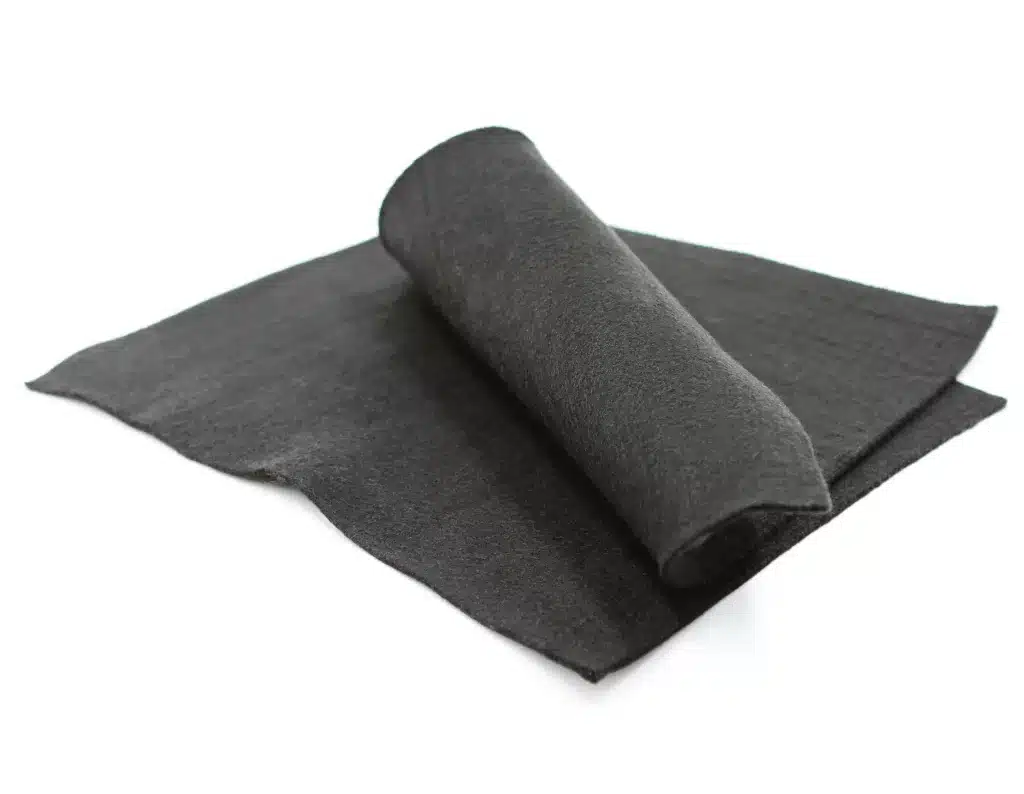
Selecting the right geotextile fabrics requires evaluating material type, strength, permeability, and environmental resistance. Non-woven geotextiles are typically preferred for filtration and drainage, while woven types are better suited for reinforcement applications in road construction.
Installation quality also plays a crucial role in performance. Research shows that installation-related issues affect about 26% of geotextile projects (Source: 360 Research Reports), highlighting the importance of proper handling and placement. In addition, factors such as UV exposure, chemical resistance, and long-term load conditions must be considered, especially in systems that rely on continuous pump operation.
For procurement teams, choosing durable geotextile fabrics for infrastructure and drainage systems ensures consistent performance, reduced maintenance, and extended service life.
Geotextile fabrics are a core component in both landfill and road engineering, delivering reliable separation, filtration, and reinforcement. With strong market growth and increasing technical demands, selecting the right geotextile fabrics supports efficient project delivery, long-term durability, and cost-effective infrastructure solutions.
Get Free Sample
We’ll respond as soon as possible(within 12 hours)