

+86-159 9860 6917
info@geofantex.com
geofantex@gmail.com
+86-400-8266163-44899
Best geogrid for gravel driveway solutions are essential for improving gravel stability, reducing rutting, and extending driveway lifespan. For contractors, distributors, and property owners, selecting the right geosynthetic reinforcement can lower maintenance costs while improving load-bearing performance for residential and commercial gravel roads.
Why Choose the Best Geogrid for Gravel Driveway Construction?
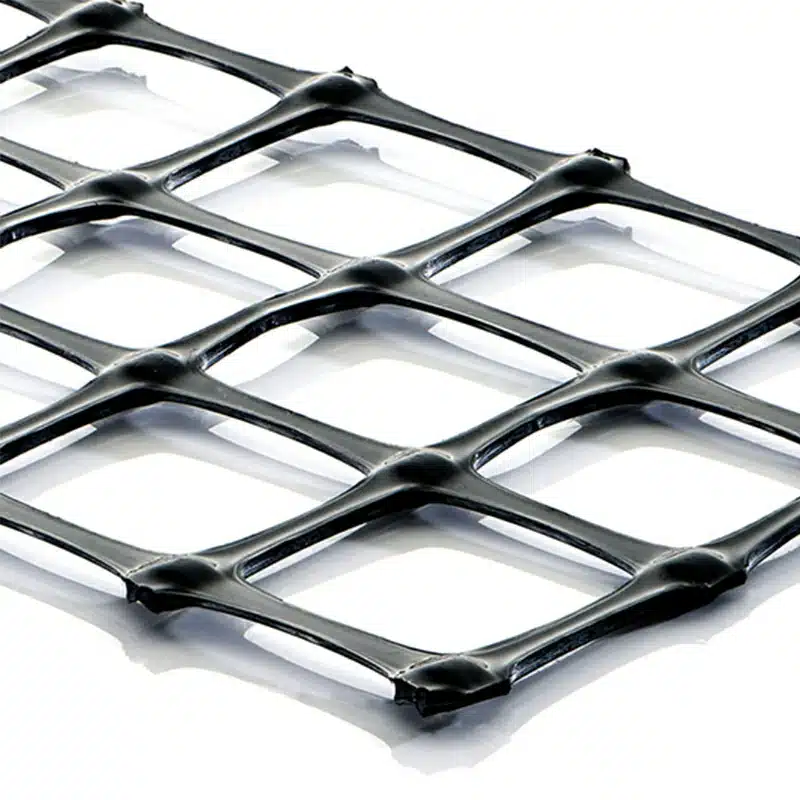
A geogrid is a geosynthetic reinforcement material designed to stabilize aggregate and weak subgrade soil. In gravel driveway applications, biaxial and triaxial geogrids are commonly used because they interlock with crushed stone and distribute vehicle loads evenly.
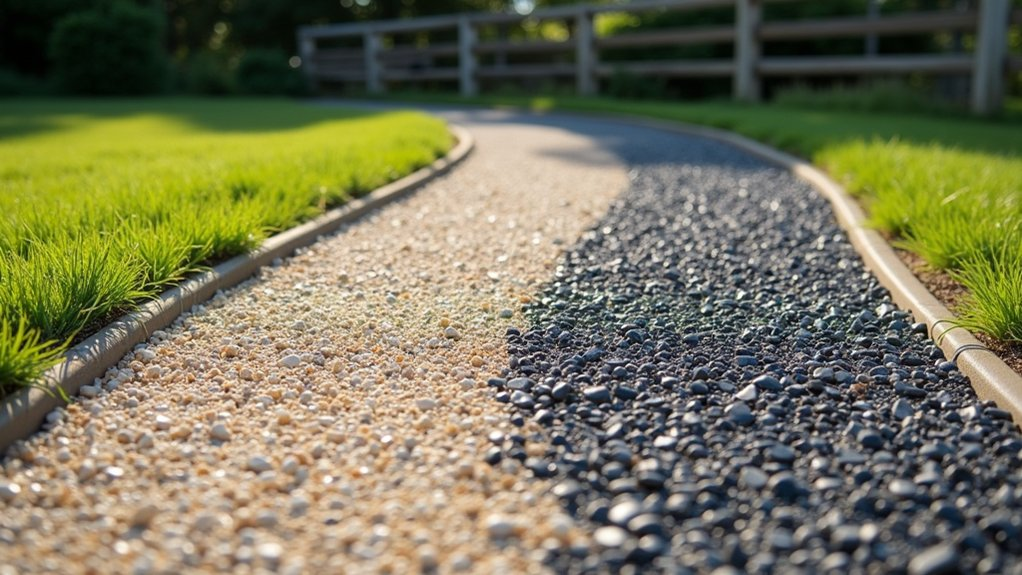
The best geogrid for gravel driveway projects helps prevent common surface failures such as potholes, washboarding, and gravel migration. Compared with traditional gravel-only structures, geogrid reinforcement reduces aggregate consumption and increases long-term structural performance.
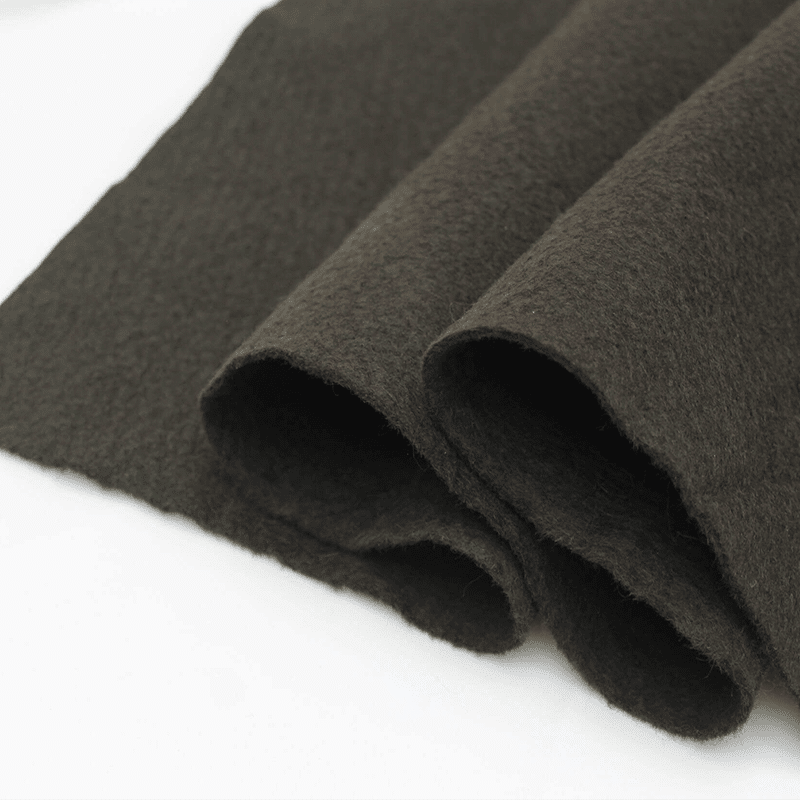
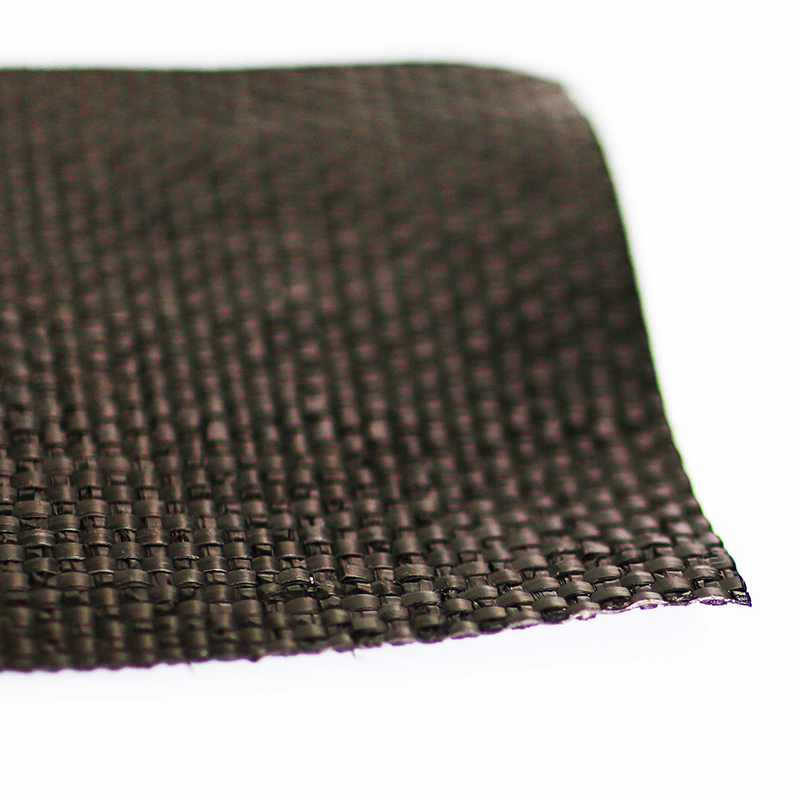
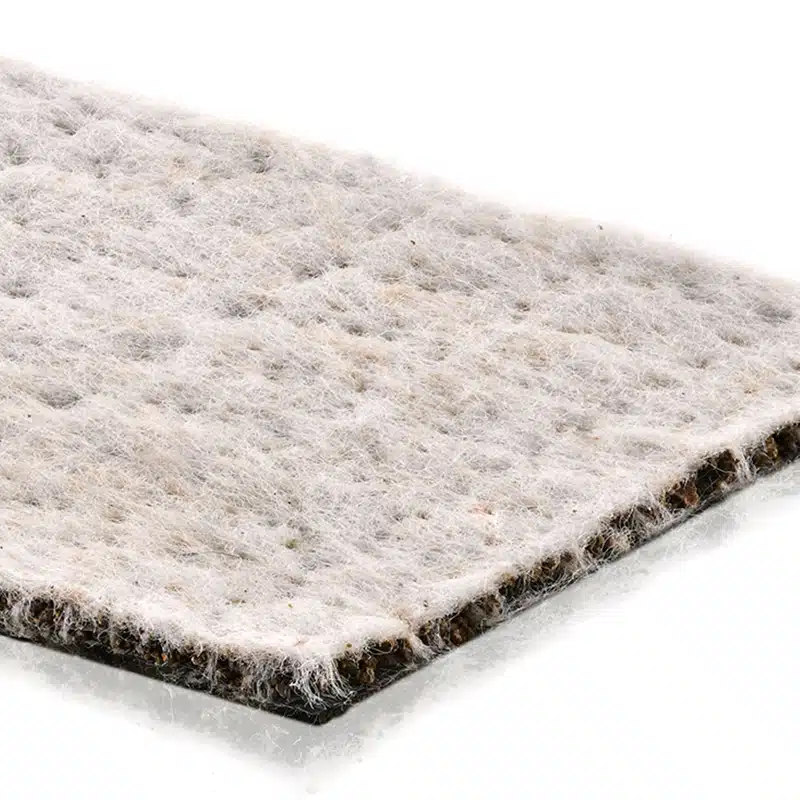
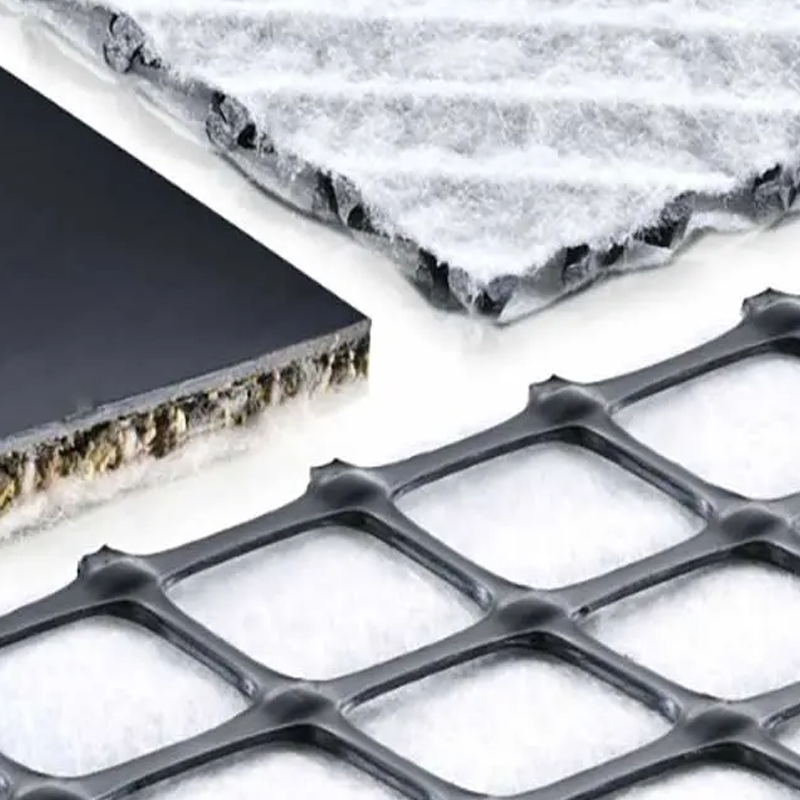
Many engineers recommend combining geogrids with nonwoven geotextiles to improve separation and drainage capacity. This creates a stronger base layer for heavy vehicles and repeated traffic loading.
For long-term road stabilization, many contractors prefer high-strength best geogrid for gravel driveway systems designed for weak soil conditions and steep access roads.
Which Type of Best Geogrid for Gravel Driveway Is Recommended?
Different geogrid structures provide different reinforcement capabilities. The most common types include:
Biaxial Geogrid
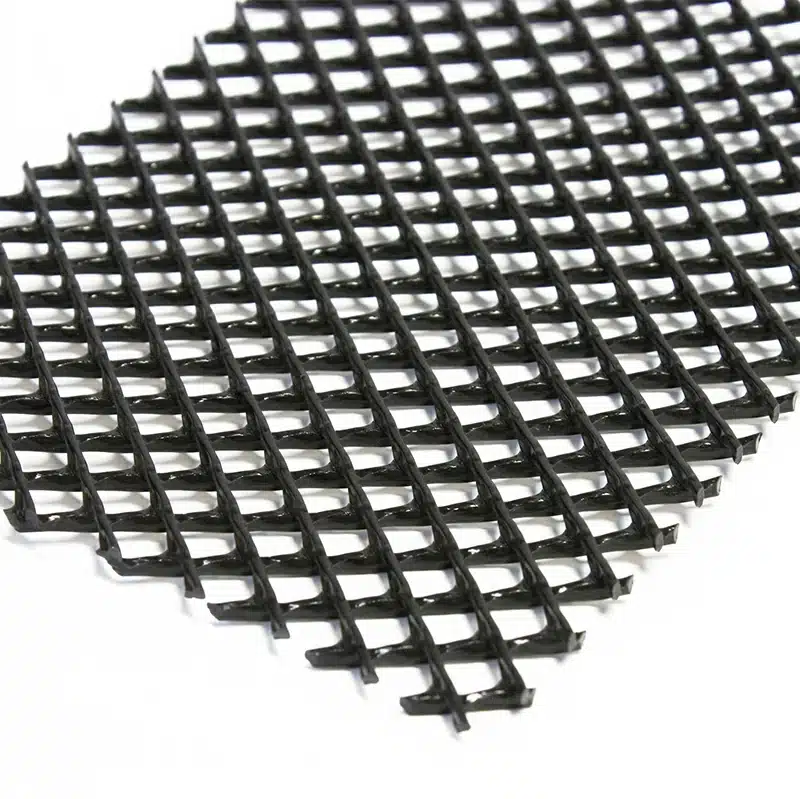
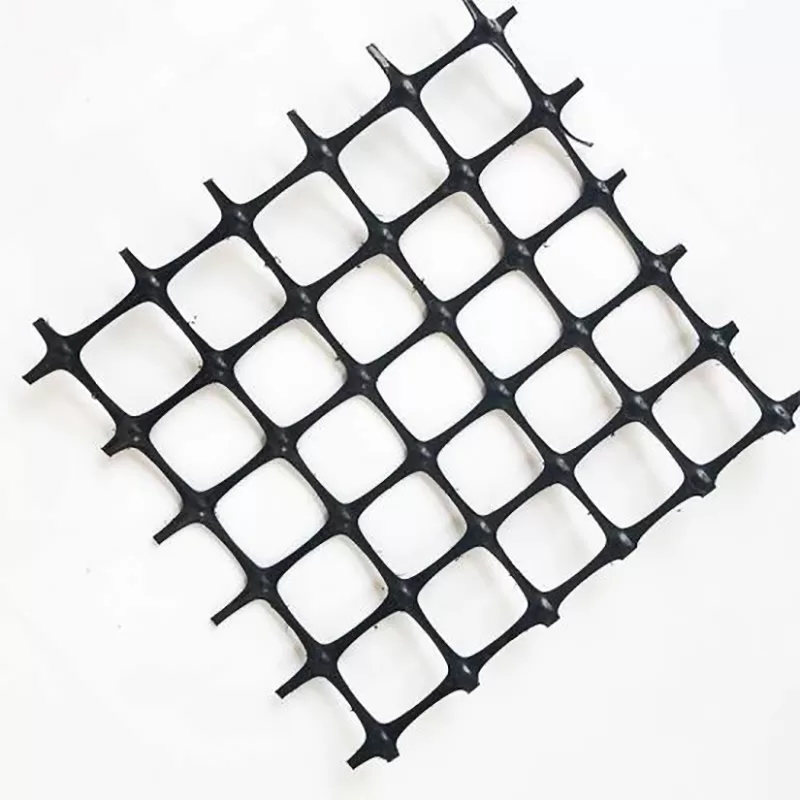
Biaxial geogrids provide equal tensile strength in both longitudinal and transverse directions. They are ideal for residential gravel driveways and light commercial access roads.
Triaxial Geogrid
Triaxial geogrids feature triangular apertures that improve multidirectional load transfer. These products are suitable for heavy-duty traffic conditions and industrial yards.
Uniaxial Geogrid
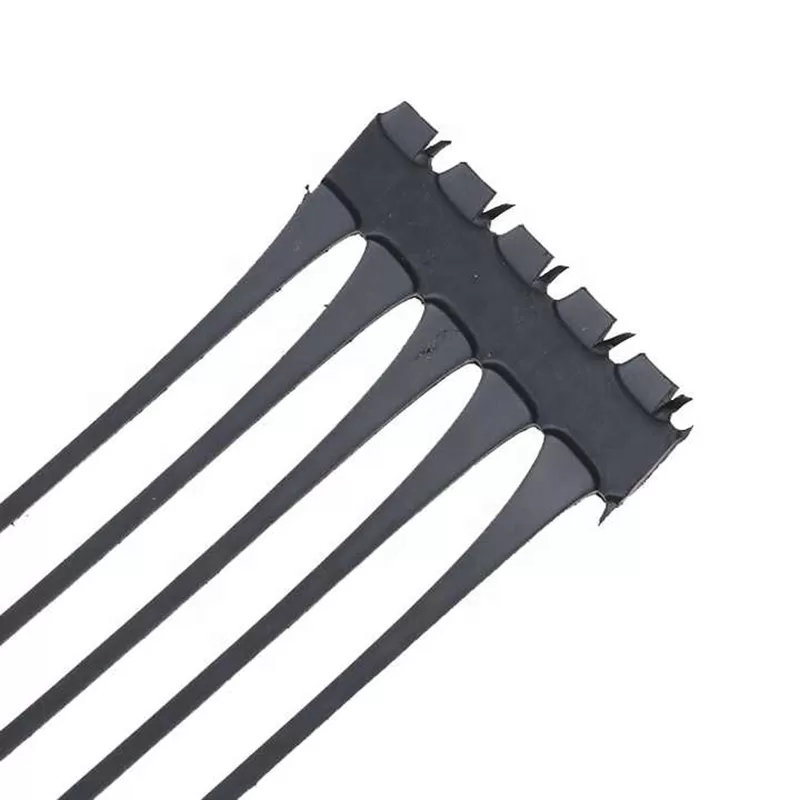
Uniaxial geogrids are mainly used for retaining walls and embankment reinforcement rather than driveway stabilization.
The best geogrid for gravel driveway applications usually depends on traffic volume, soil condition, and aggregate thickness. For soft subgrades, a combination of biaxial geogrid and geotextile fabric provides superior stabilization performance.
Many buyers also look for durable best geogrid for gravel driveway materials with high tensile strength and UV resistance to ensure long service life in outdoor environments.
How to Install Geogrid for Gravel Driveways
Proper installation is critical for maximizing geogrid effectiveness. The general installation process includes:
- Excavate and level the subgrade
- Remove soft or unstable soil sections
- Place the geotextile fabric if soil separation is required
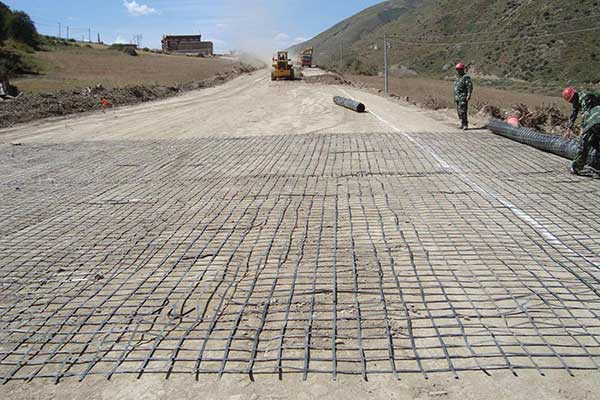
- Roll out the geogrid evenly across the surface
- Overlap adjacent sections according to engineering specifications
- Spread crushed aggregate in layers and compact thoroughly
When installed correctly, geogrids improve bearing capacity and reduce surface movement. They also help minimize gravel loss over time.
Contractors working on road reinforcement projects often prefer engineered best geogrid for gravel driveway solutions because they improve bearing capacity while lowering aggregate thickness requirements.
Benefits of Using Geosynthetics for Gravel Driveways
Geosynthetics improve driveway performance by reinforcing the aggregate layer and stabilizing weak foundation soil. Key benefits include:
- Reduced rutting and potholes
- Improved drainage performance
- Lower gravel replacement costs
- Increased driveway lifespan
- Better resistance to freeze-thaw cycles
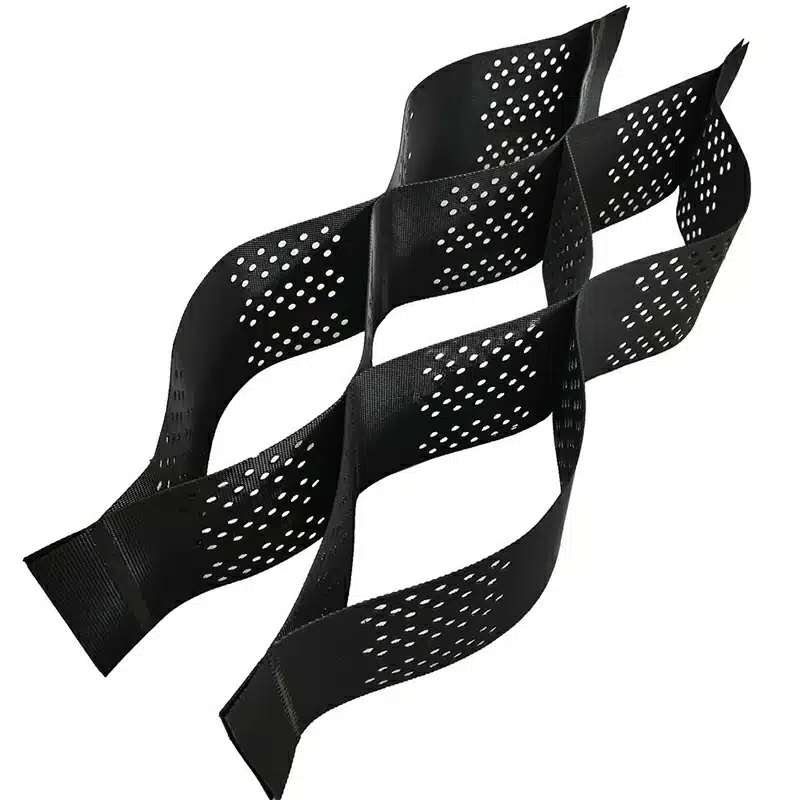
These materials also reduce construction waste by lowering aggregate consumption and maintenance frequency. Because of these advantages, geogrids are widely used in rural roads, farm access roads, parking areas, and industrial infrastructure projects.
Selecting the right geogrid is essential for achieving a stable and durable gravel driveway. Biaxial and triaxial geogrids provide effective load distribution, improve aggregate confinement, and reduce long-term maintenance costs. By combining geogrids with proper installation methods and quality geosynthetic materials, contractors and property owners can build stronger gravel driveway systems with extended service life.

Get Free Sample
We’ll respond as soon as possible(within 12 hours)