




+86-159 9860 6917
info@geofantex.com
geofantex@gmail.com
+86-400-8266163-44899
Geosynthetic systems are widely used in landfill construction, coastal protection, road stabilization, and environmental engineering because they improve soil performance, reduce maintenance costs, and extend project lifespan. For contractors and infrastructure developers seeking durable and cost-effective ground engineering materials, geosynthetics have become an essential solution in modern construction projects.
According to Grand View Research, the global geosynthetics market reached USD 15.2 billion in 2024 and is expected to grow at a CAGR of 6.9% through 2030. Source: Grand View Research. This strong market growth reflects increasing global demand for sustainable construction materials in transportation, environmental protection, and hydraulic engineering sectors.
What Are Geosynthetic Systems?
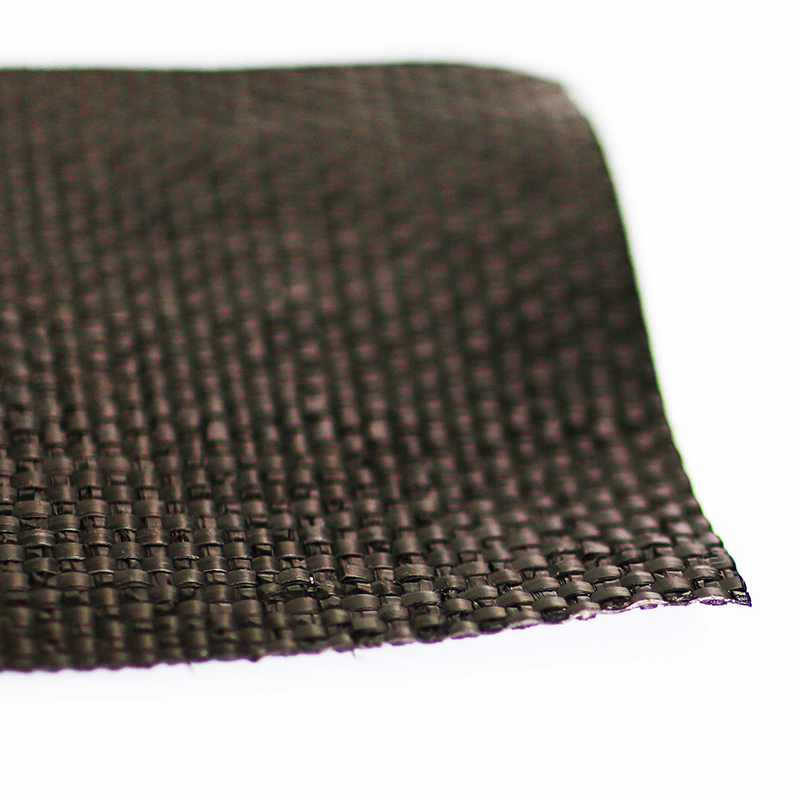
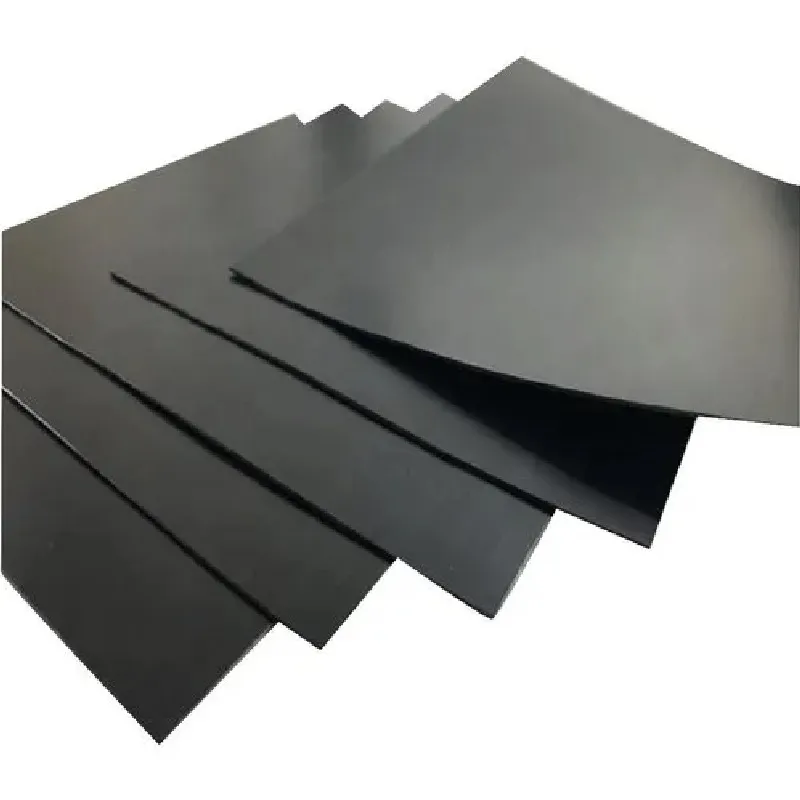
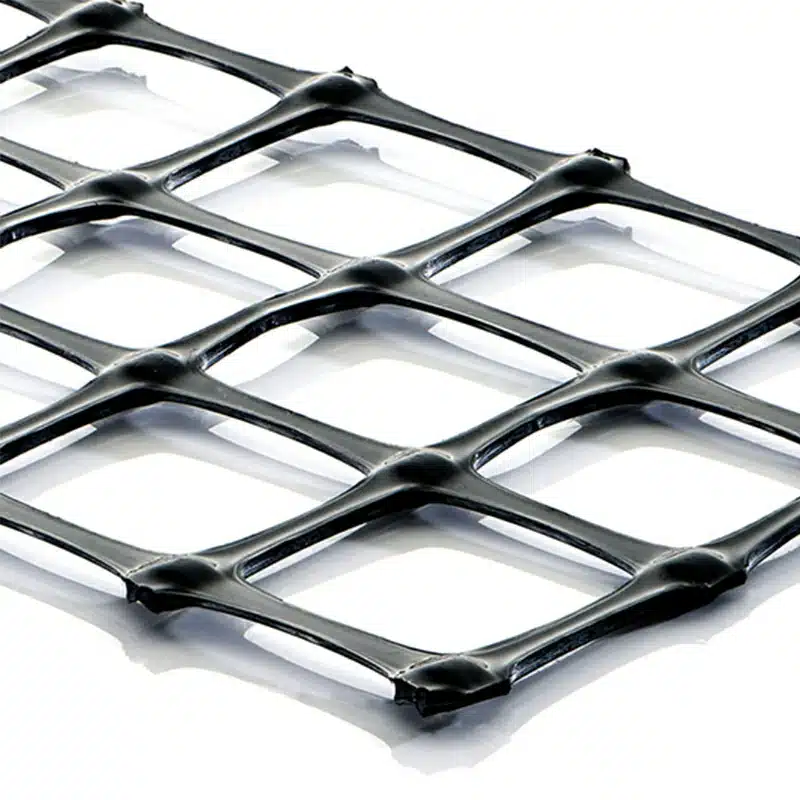
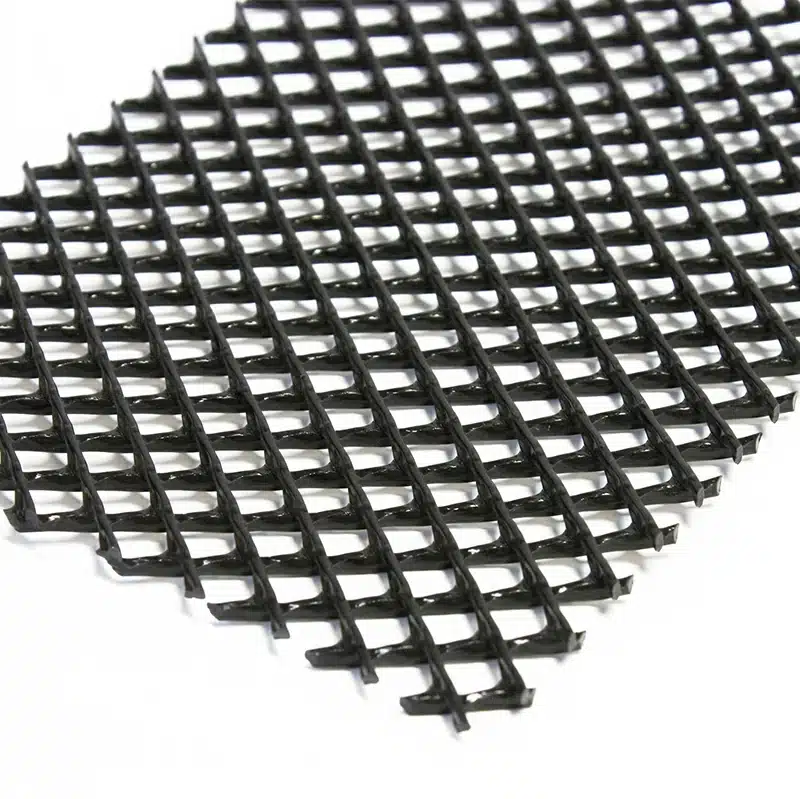
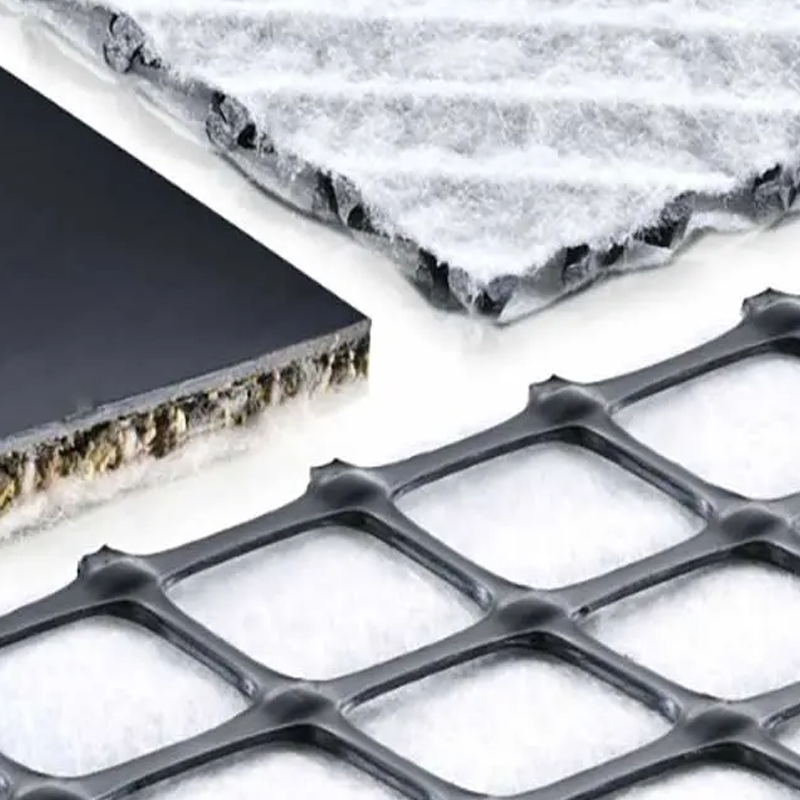
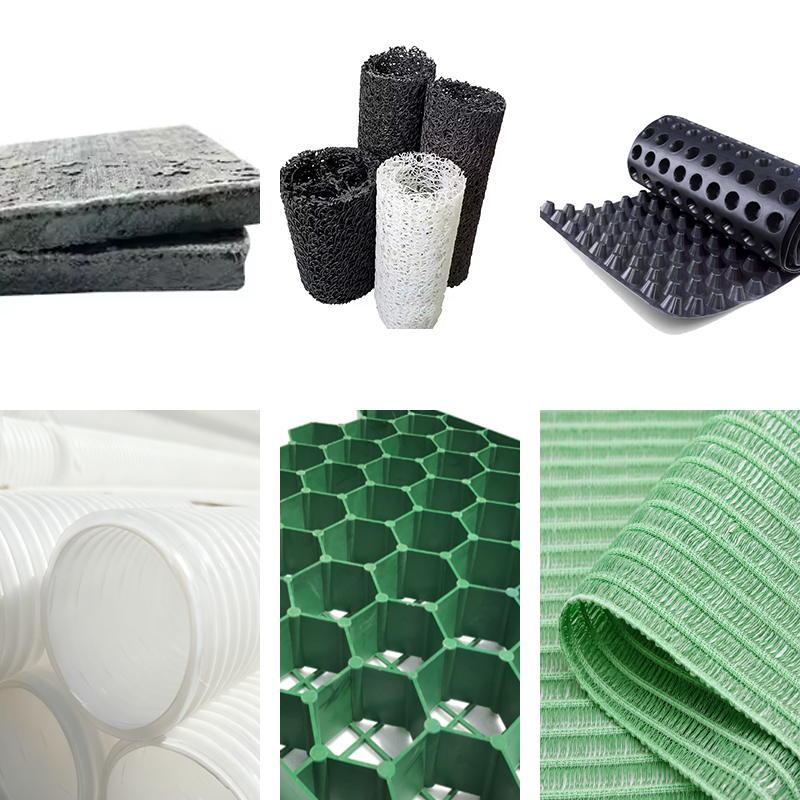
These engineered polymer-based materials are designed to improve the performance of soil, rock, and other geotechnical structures. Common products include geotextiles, geomembranes, geogrids, geocells, drainage composites, and geosynthetic clay liners (GCLs). They support key engineering functions such as reinforcement, filtration, separation, drainage, containment, and erosion control.
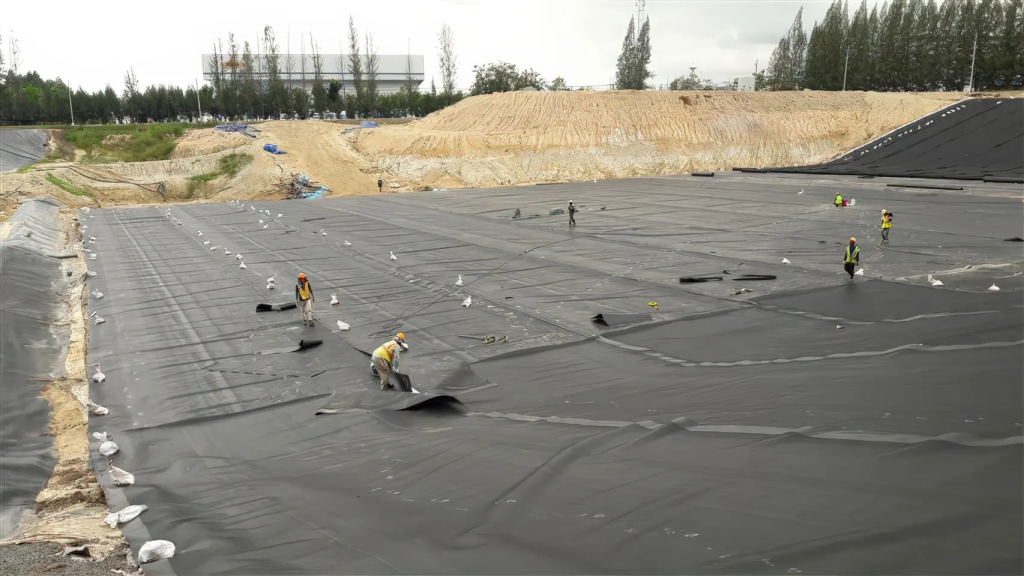
In modern infrastructure projects, geosynthetics help improve structural stability while reducing the use of natural aggregate materials. Geogrids are commonly installed beneath highways and railways to reinforce weak subgrades, while geomembranes are widely applied in landfill liners and mining containment systems to prevent leakage and environmental contamination.
Many contractors now prefer advanced geosynthetic systems for road and landfill engineering because they shorten construction schedules and lower long-term maintenance expenses.
Why Are Geosynthetic Systems Important in Infrastructure Projects?
Infrastructure developers increasingly rely on these solutions because they deliver both economic and environmental advantages. They improve load distribution and stabilize weak soil conditions. Consequently, projects require less aggregate material for roads, embankments, and retaining structures.
According to the International Geosynthetics Society (IGS), geosynthetic reinforcement can reduce aggregate layer thickness by up to 50% in road construction applications. The use of geosynthetics also improves pavement lifespan and minimizes maintenance frequency in heavy traffic conditions.
For large-scale infrastructure projects, engineers often choose high-performance geosynthetic systems for infrastructure protection to improve long-term project reliability while maintaining cost efficiency.

Which Industries Commonly Use These Materials?
These construction solutions are widely used across many industries because of their durability and flexibility. Transportation infrastructure projects apply them in highways, railways, airports, and ports for soil stabilization, pavement reinforcement, and drainage improvement.
Environmental engineering projects depend heavily on geomembranes and GCLs for landfill liners, wastewater treatment facilities, and hazardous waste containment systems. In the mining industry, geosynthetics are used in heap leach pads, tailings dams, and water storage systems to improve operational safety and environmental protection.
Coastal and hydraulic engineering projects also benefit from geotextile tubes, erosion control mats, and revetment systems that protect shorelines and riverbanks against wave erosion and soil loss.
According to MarketsandMarkets, transportation infrastructure accounts for more than 35% of global geosynthetics demand. This demonstrates the growing importance of geosynthetics in global infrastructure modernization projects.
What Future Trends Are Driving the Geosynthetics Industry?
Several major trends continue driving growth in this industry. Governments are investing more in sustainable construction materials that reduce environmental impact and improve efficiency. At the same time, climate change increases the demand for stronger flood protection and erosion control systems.
Rapid urbanization in Asia-Pacific, the Middle East, and Africa is also increasing demand for transportation networks, environmental containment facilities, and water management infrastructure. Smart infrastructure monitoring technologies are now being integrated with geosynthetic applications to improve maintenance efficiency and long-term asset management.
Industry analysts report that Asia-Pacific remains the fastest-growing regional geosynthetics market due to large-scale transportation and environmental infrastructure investments. As global infrastructure standards continue evolving, geosynthetics will remain critical for sustainable and resilient construction practices.
Modern infrastructure projects require materials that combine durability, environmental performance, and cost efficiency. Geosynthetic systems provide reliable solutions for landfill engineering, transportation infrastructure, mining operations, and coastal protection projects. By improving soil stability, extending service life, and reducing maintenance costs, geosynthetics have become an essential component of modern civil engineering worldwide.



Get Free Sample
We’ll respond as soon as possible(within 12 hours)