

+86-159 9860 6917
info@geofantex.com
geofantex@gmail.com
+86-400-8266163-44899
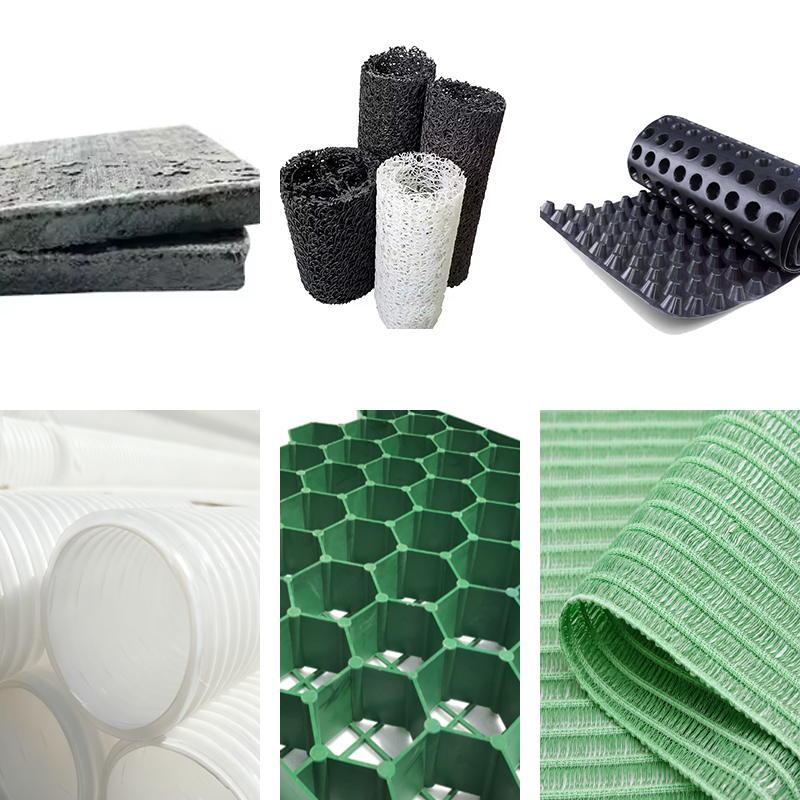
Advanced geosynthetic solutions help contractors, engineers, and procurement teams select materials for reinforcement, drainage, filtration, separation, and containment. For buyers comparing geotextiles, geogrids, geomembranes, geocells, or drainage composites, the correct system should match site conditions, design loads, hydraulic requirements, installation methods, and service-life expectations. A performance-based selection reduces construction risk and supports more accurate quotations.
How Do Advanced Geosynthetic Solutions Improve Weak Ground?
Weak subgrades often cause rutting, differential settlement, aggregate loss, and premature pavement damage. Replacing unsuitable soil can be expensive and may extend the construction schedule. Geogrids, woven geotextiles, and geocells provide alternative methods for improving foundation performance.
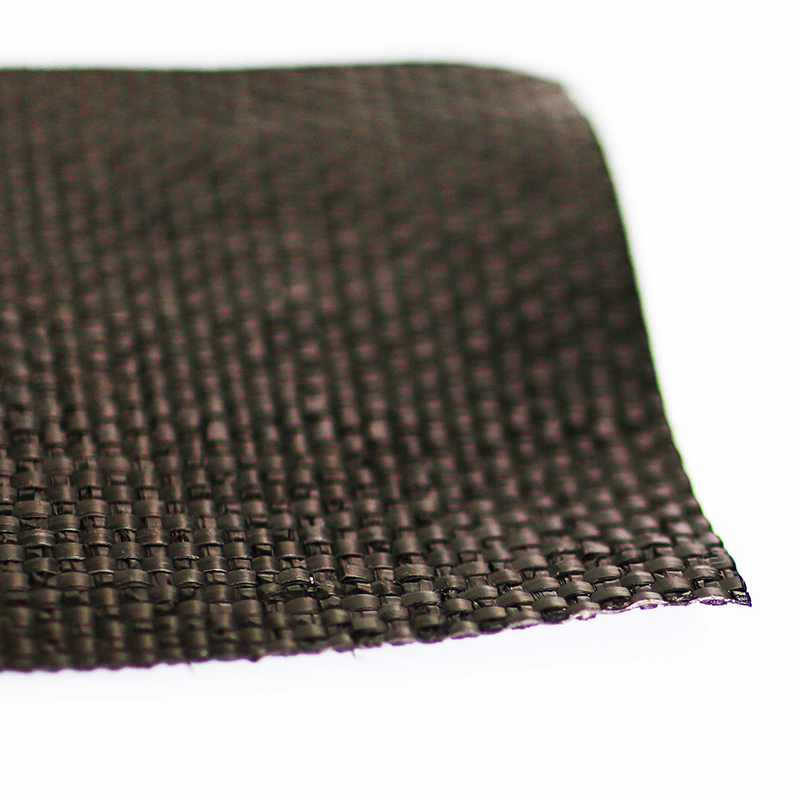
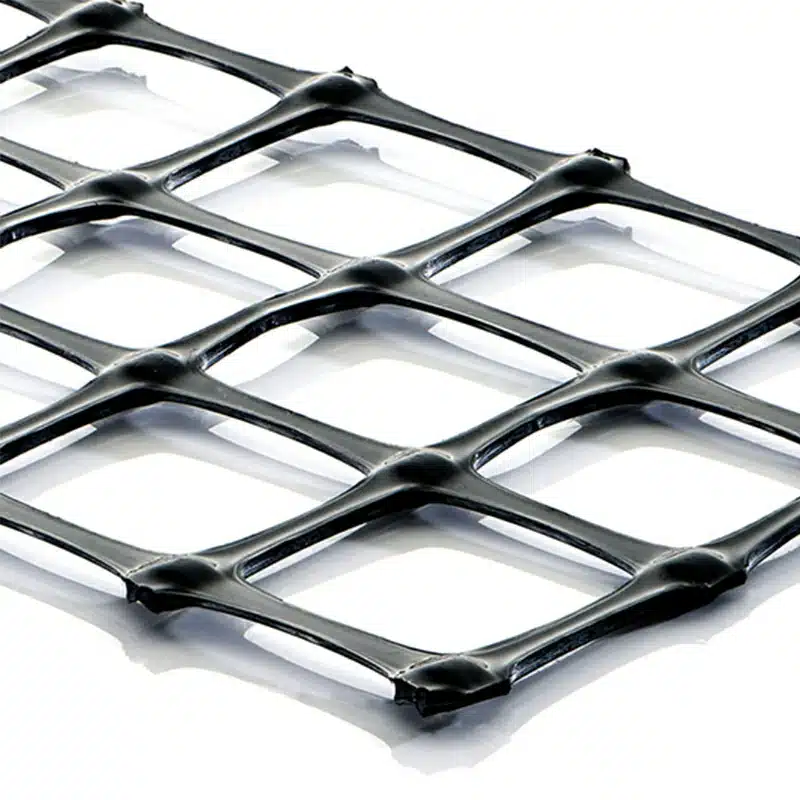
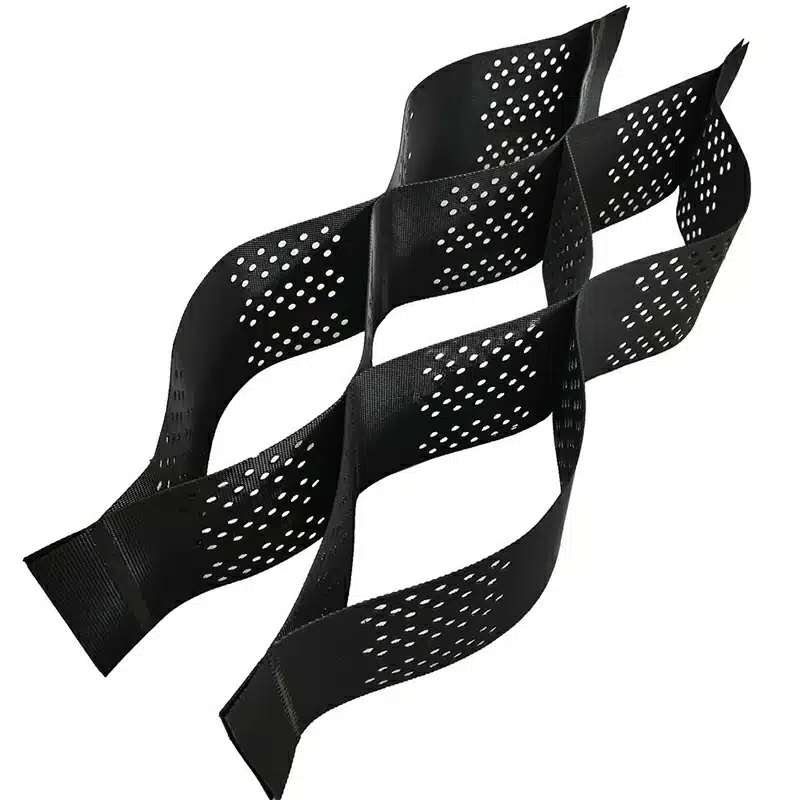
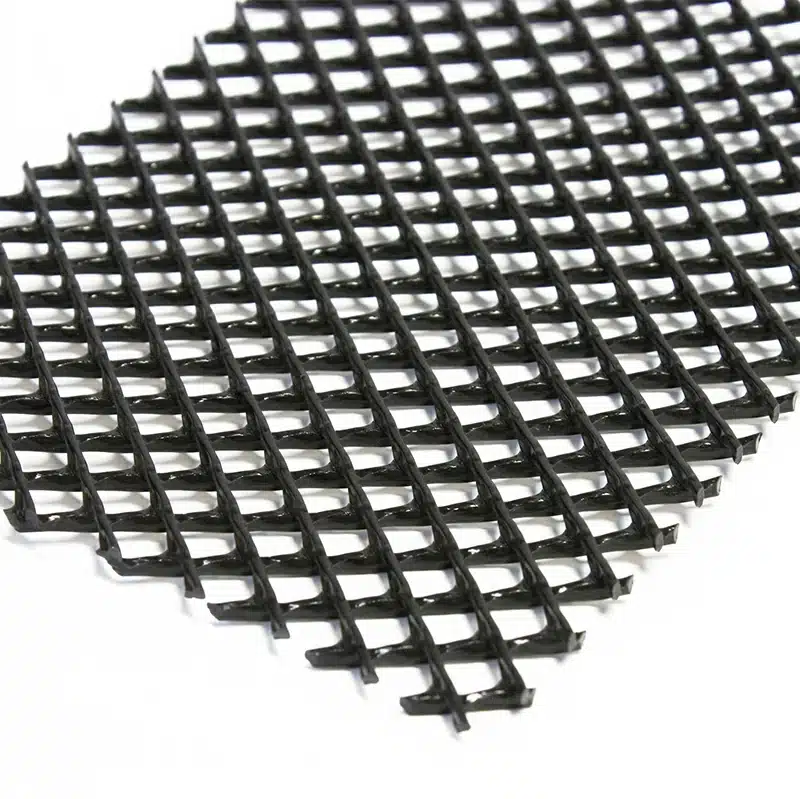
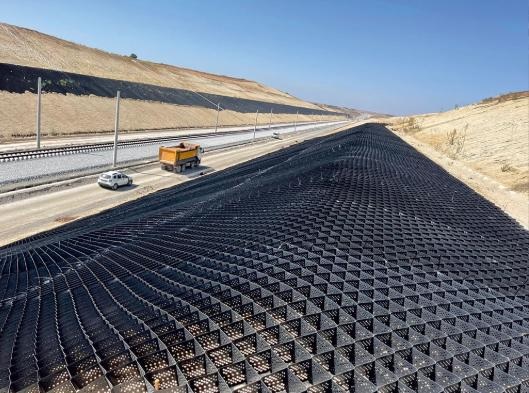
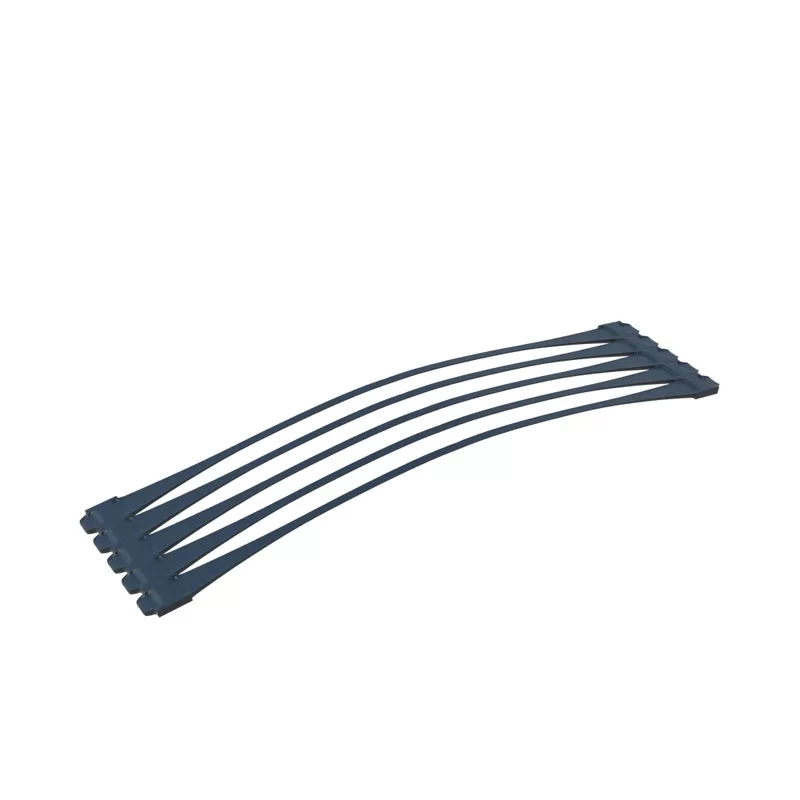
Geogrids interlock with aggregate and restrict lateral movement under traffic loads. Woven geotextiles separate granular fill from soft soil while adding tensile support. Geocells confine infill in a three-dimensional structure, which improves load distribution on weak or variable ground.
For roads, working platforms, embankments, and industrial yards, advanced geosynthetic solutions for soil stabilization can reduce excavation depth, preserve aggregate thickness, and improve long-term resistance to deformation. Product selection should consider subgrade strength, traffic level, aggregate grading, tensile properties, junction efficiency, and installation damage.
Which Materials Control Drainage and Seepage?
Water-related failure can affect retaining walls, landfills, tunnels, reservoirs, and road foundations. Excess pore pressure reduces soil stability, while uncontrolled seepage can damage structures or create environmental risks. A complete system normally separates filtration, drainage, and barrier functions.
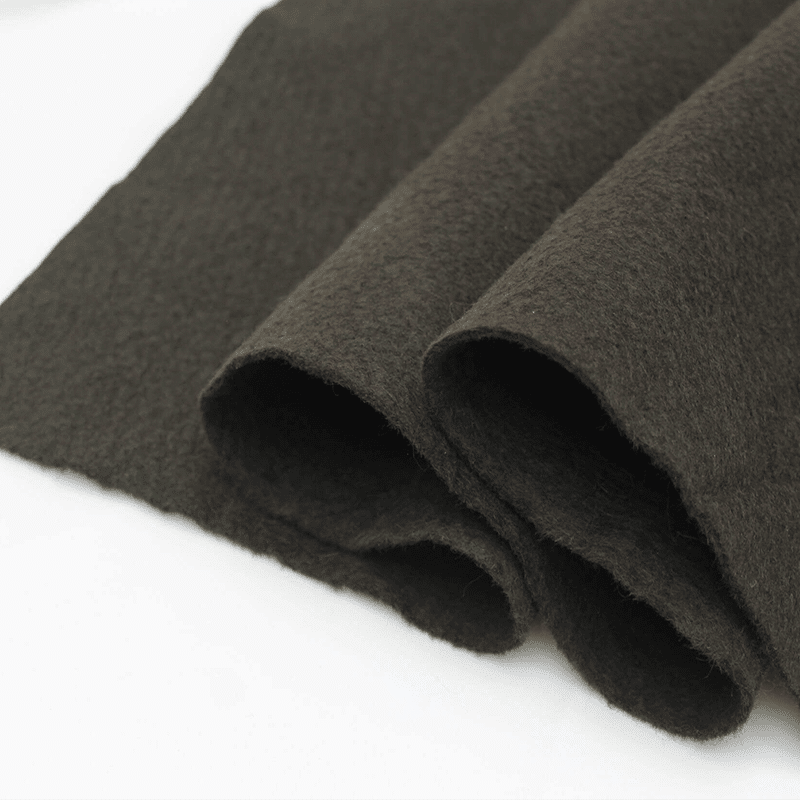
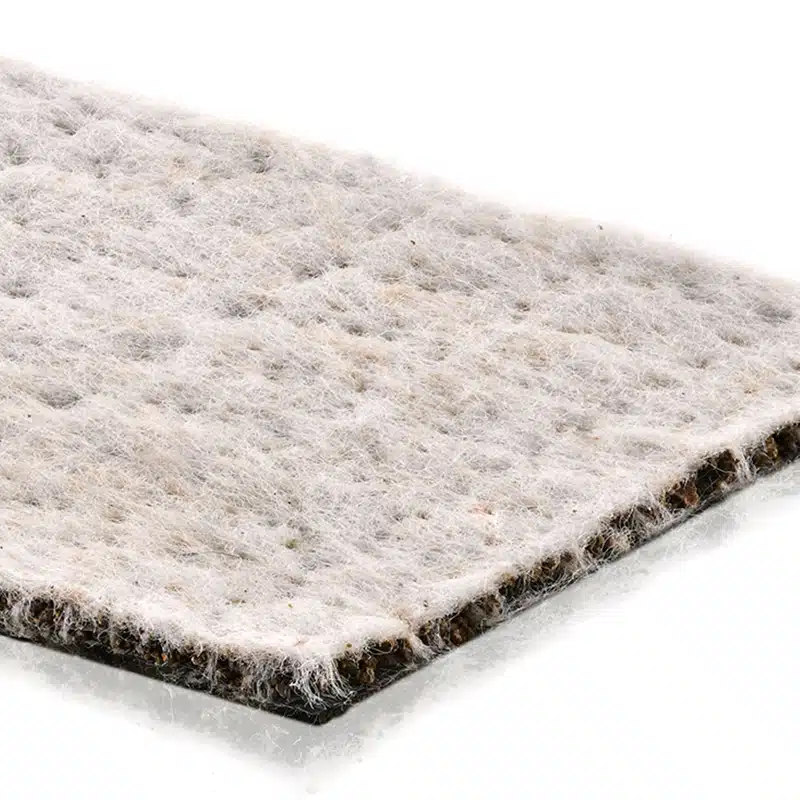
Nonwoven geotextiles allow water to pass while retaining fine soil particles. Drainage geocomposites use a polymer core to create flow channels and one or two geotextile layers for filtration. Geomembranes provide low-permeability containment, while geosynthetic clay liners add a mineral-based sealing layer.
Buyers should compare permittivity, apparent opening size, transmissivity under load, puncture resistance, chemical compatibility, and expected hydraulic gradient. Initial laboratory values alone are not enough. Long-term creep, clogging potential, compressive loading, and field installation conditions can change actual performance.
How Are Advanced Geosynthetic Solutions Used in Landfills and Roads?
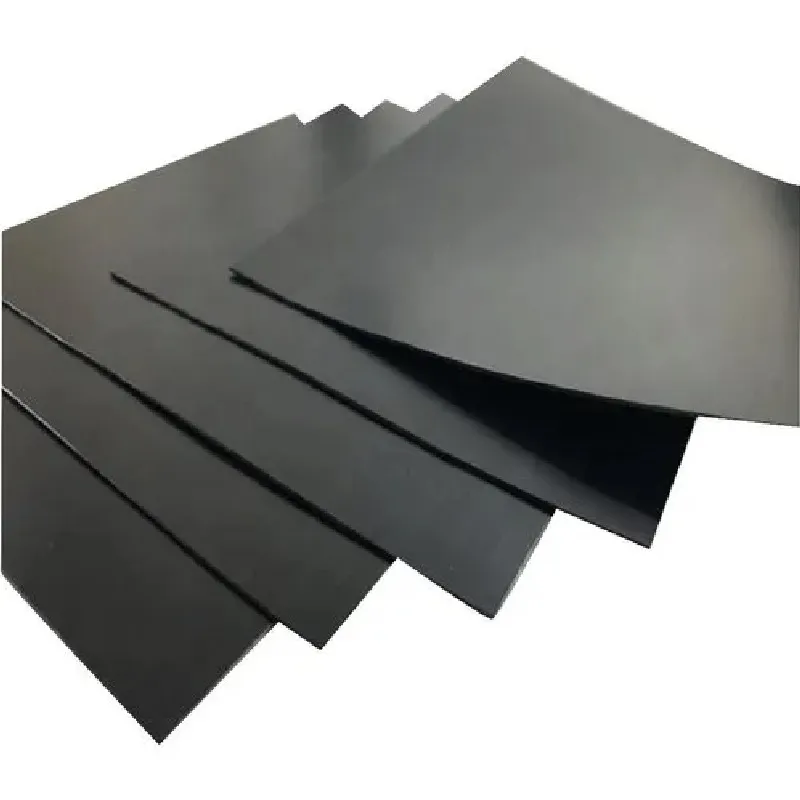
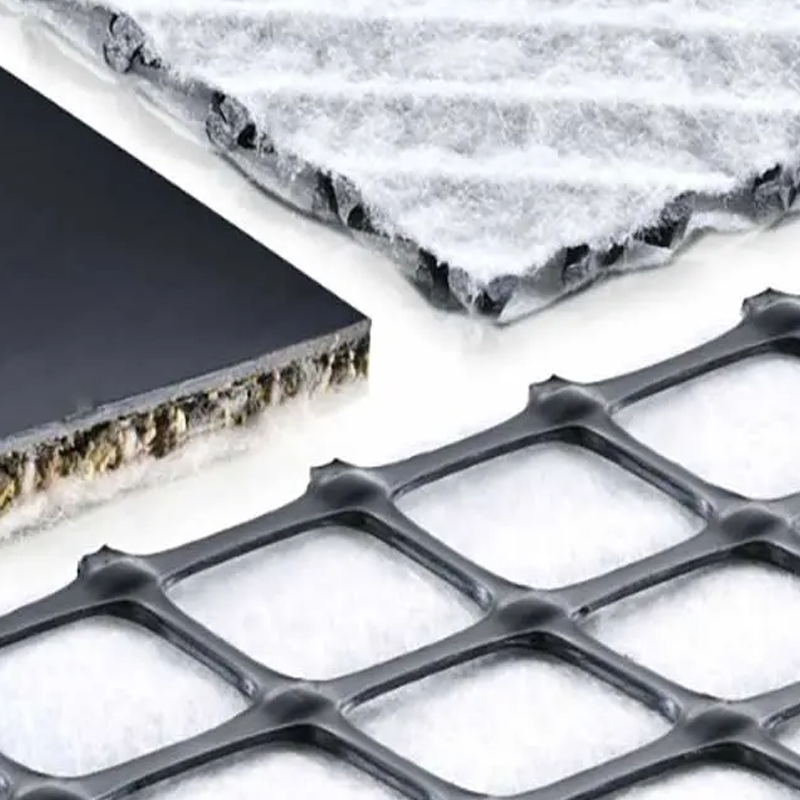
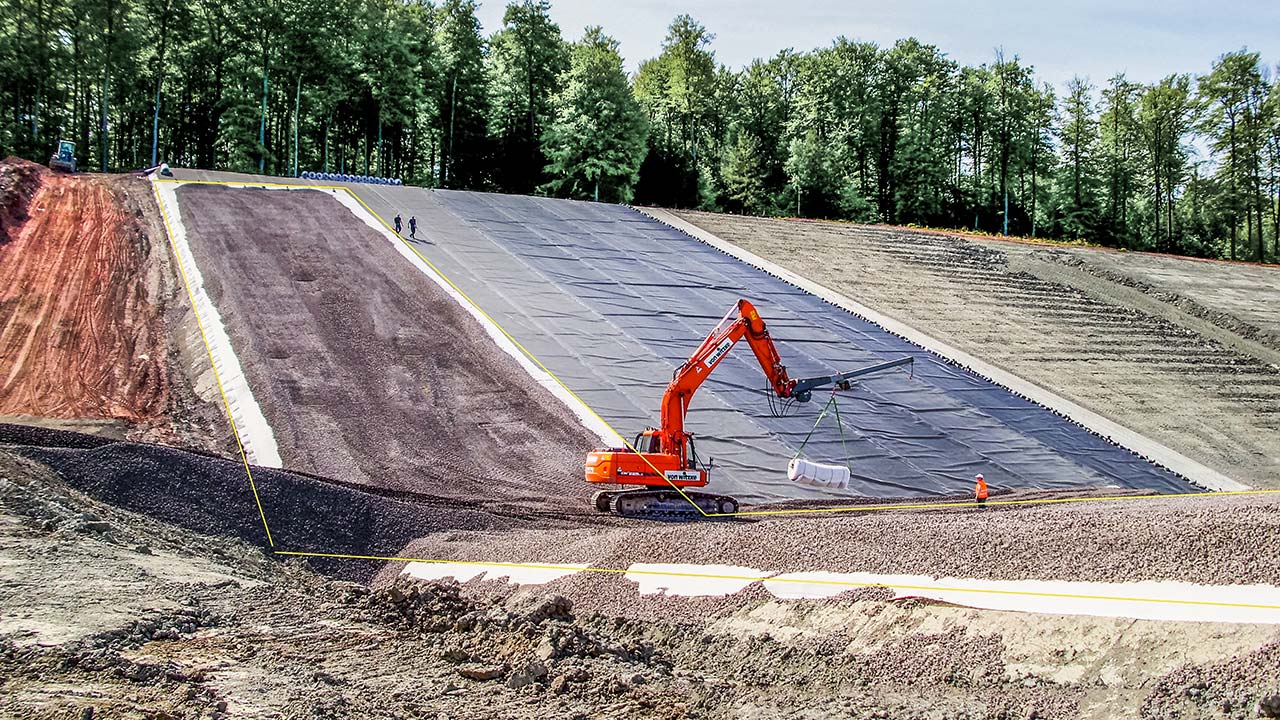
Landfills require coordinated barrier, protection, drainage, and reinforcement layers. A typical lining system may combine compacted soil, a geosynthetic clay liner, an HDPE geomembrane, a protective nonwoven geotextile, and a drainage composite. This arrangement limits leakage, protects the primary barrier, and supports leachate collection.
For landfill projects, advanced geosynthetic solutions for landfill containment should be selected according to waste chemistry, slope geometry, interface friction, puncture risk, drainage flow, and regulatory specifications. Seam quality, subgrade preparation, panel placement, and testing also influence the integrity of the completed system.
Road projects have different priorities. Geogrids improve aggregate confinement, geotextiles prevent subgrade contamination, and drainage composites remove water from vulnerable pavement layers. When these functions are designed together, the road structure can achieve better load distribution, reduced rutting, and longer maintenance intervals.
What Should Buyers Check Before Ordering?
A reliable quotation requires more than product type and roll size. Buyers should provide the application, drawings, soil conditions, design standards, required properties, expected quantities, delivery destination, and installation schedule. This information helps the supplier recommend a technically suitable and commercially realistic configuration.
Technical documents should include test methods, minimum average roll values, manufacturing tolerances, resin information, roll identification, and quality-control records. For geomembranes, buyers should also review thickness, density, carbon black content, tensile properties, tear resistance, puncture resistance, and oxidation resistance. For geotextiles and geogrids, tensile strength, elongation, aperture size, permeability, junction strength, and UV durability may be critical.
When sourcing advanced geosynthetic solutions for road reinforcement, compare products against project requirements rather than nominal weight or the lowest unit price. The best purchasing decision balances material performance, installation efficiency, compliance, logistics, technical support, and lifecycle cost.
A qualified manufacturer should be able to explain why each material is included, provide supporting test data, and identify installation risks before shipment. This problem-solving approach gives contractors and procurement teams greater confidence in both design performance and total project cost.

Get Free Sample
We’ll respond as soon as possible(within 12 hours)