

+86-159 9860 6917
info@geofantex.com
geofantex@gmail.com
+86-400-8266163-44899
Geonet node design directly affects the drainage efficiency, compressive strength, and long-term stability of geonet drainage systems. If you are selecting geosynthetics for landfill, retaining wall, mining, or infrastructure projects, understanding how node geometry influences hydraulic performance can help you choose the right product. This guide explains the structure, applications, key performance factors, and practical selection tips for modern geosynthetic drainage products.
What Is a Geonet Node?
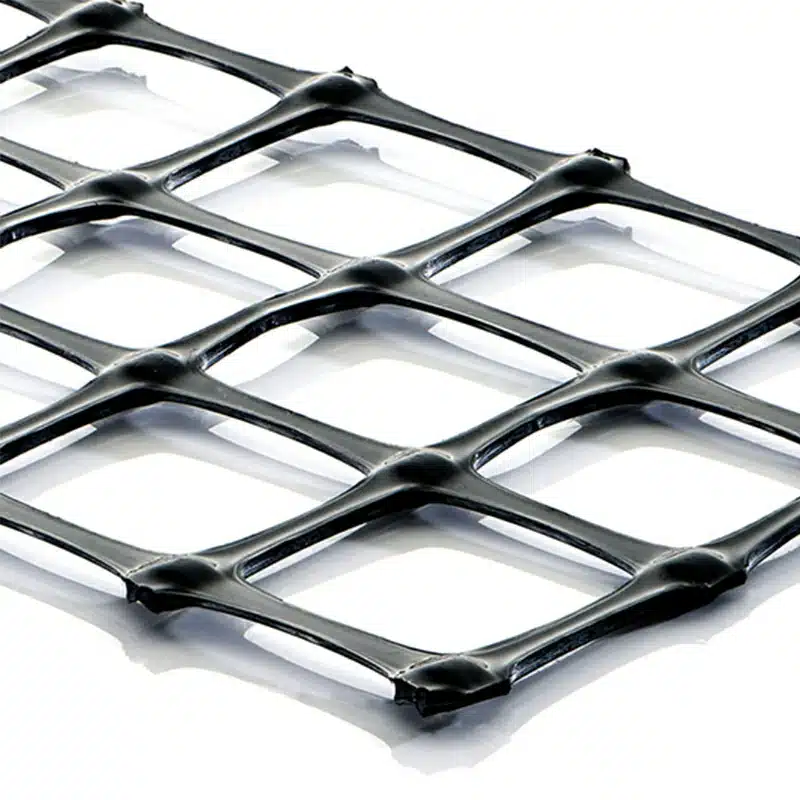
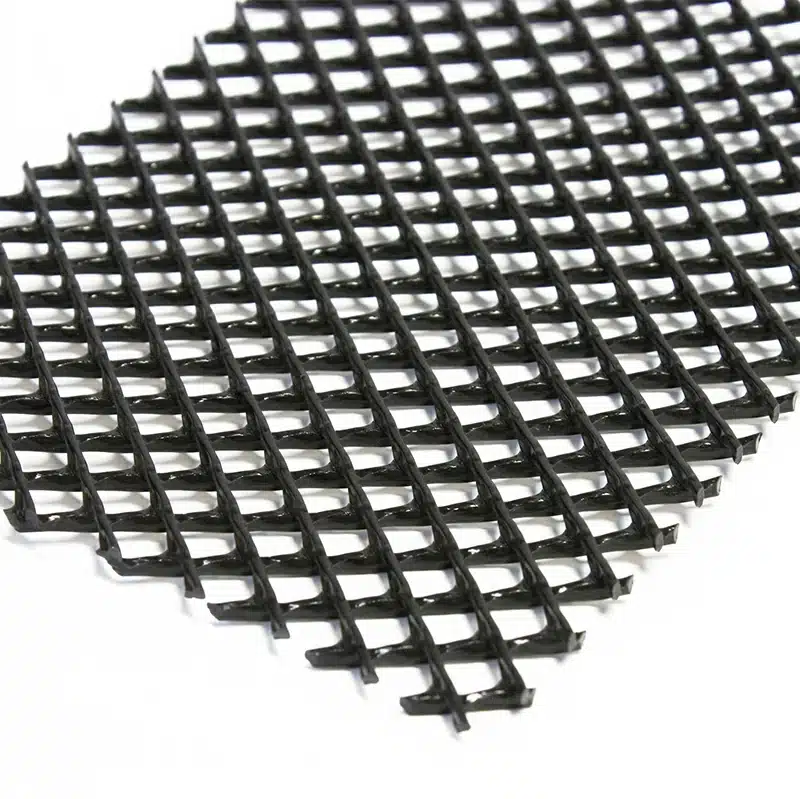
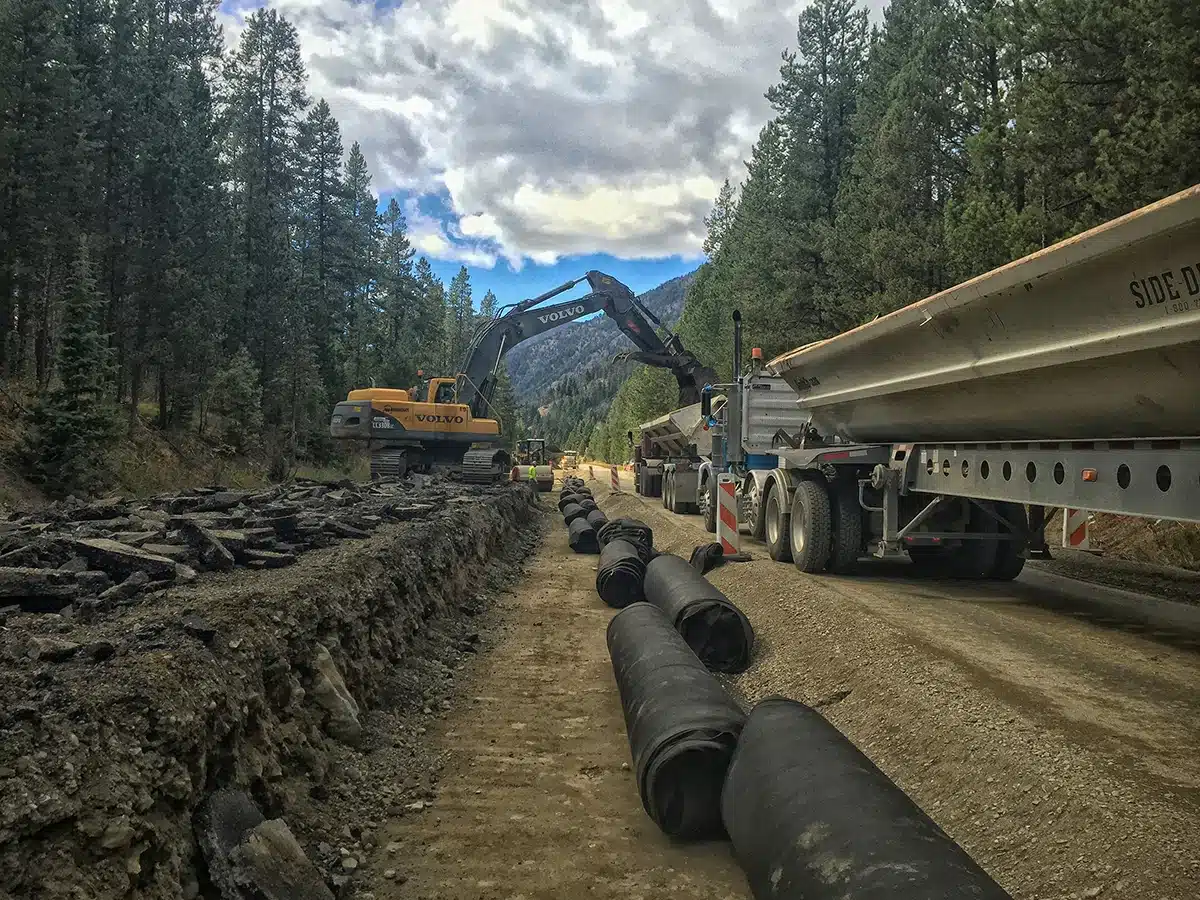
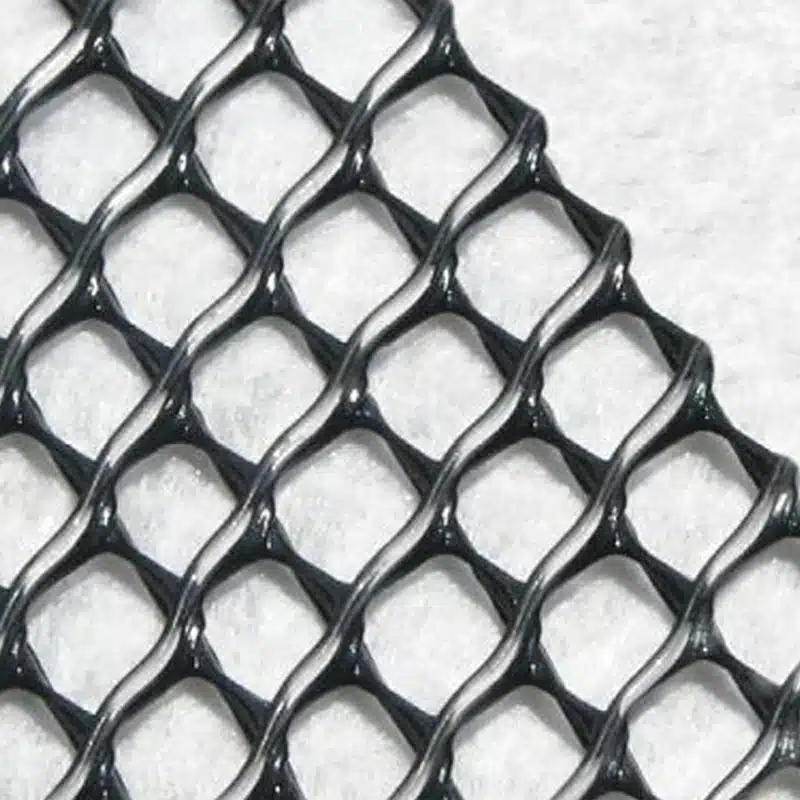
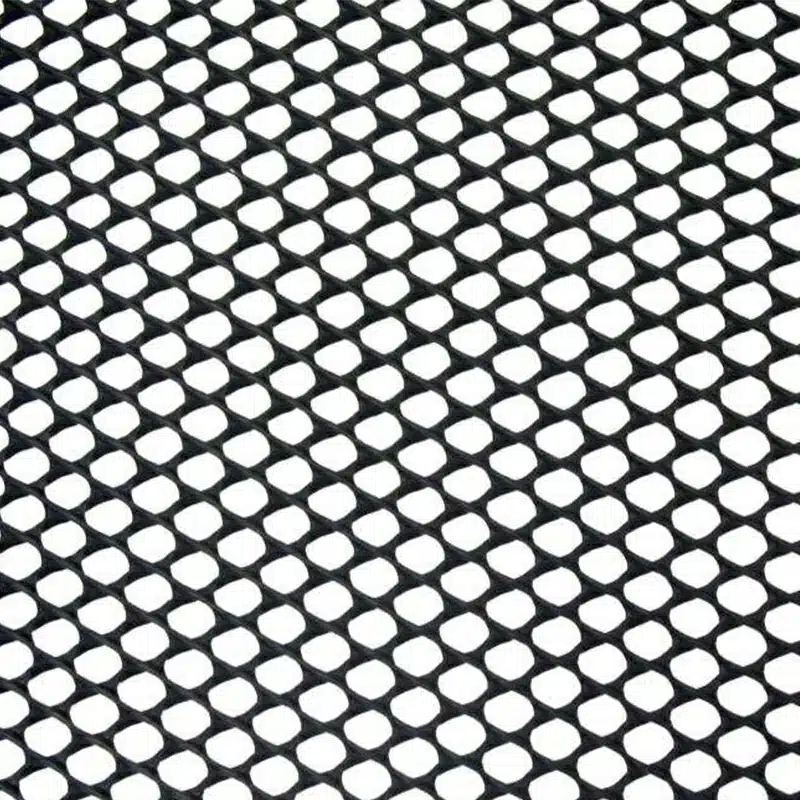
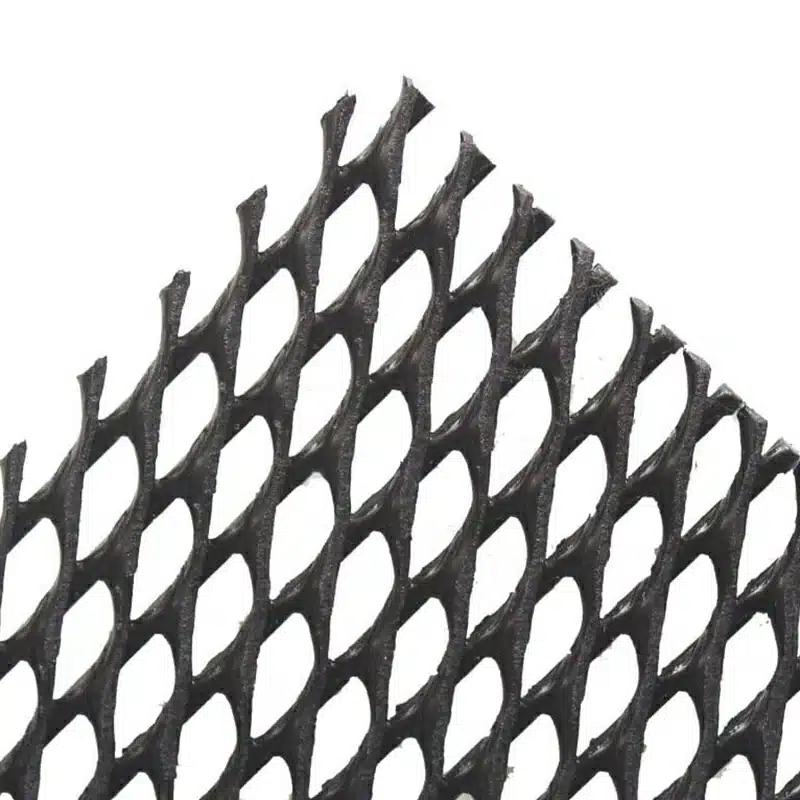
A geonet is made from interconnected HDPE ribs that create continuous channels for water flow. These rib intersections form a rigid framework that supports the drainage network and helps maintain its shape under load.
Unlike geotextiles, which mainly provide filtration and separation, geonets are designed for in-plane water transmission. The geometry, thickness, and spacing of each node determine how well the drainage channels remain open under long-term loading.
Modern geonets are generally manufactured as:
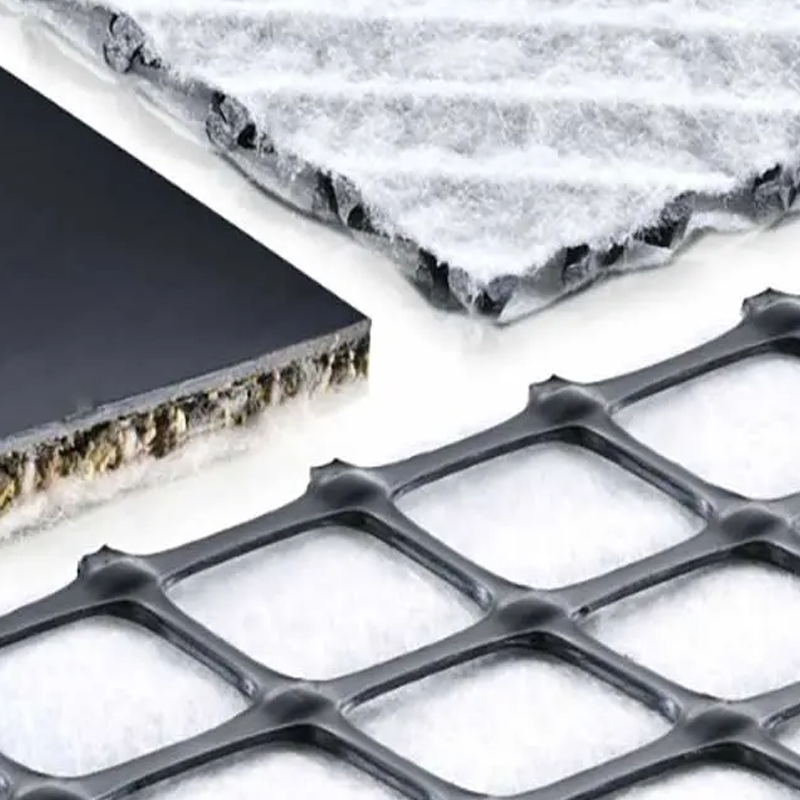
These structures are commonly combined with nonwoven geotextiles to create drainage geocomposites for demanding engineering applications.
For engineers comparing drainage products, geonet node design for drainage performance is one of the most important specifications because it directly influences transmissivity and service life.
Why Does Geonet Node Design Affect Drainage Performance?
Drainage systems experience continuous vertical pressure from soil, waste, concrete, or pavement structures. If the internal core collapses, drainage capacity decreases significantly.
A well-designed drainage core can:
- Maintains flow channels under sustained loads
- Improves compressive resistance
- Reduces long-term creep deformation
- Provides higher in-plane transmissivity
- Extends service life of drainage systems
Engineers also evaluate:
- Rib height
- Node spacing
- Core density
- HDPE material quality
- ASTM-tested transmissivity values
These parameters help determine whether a geonet can perform reliably throughout decades of operation.
To better understand material selection, many designers compare geonet node versus traditional drainage materials before specifying a drainage system.
Where Are These Drainage Systems Used?
Because geonets efficiently collect and transport water, they are widely used in environmental and civil engineering projects.
Typical applications include:
Landfill Drainage
Geonets collect leachate above geomembrane liners while reducing hydrostatic pressure. Stable node structures help maintain flow capacity even under large waste loads.
Retaining Wall Drainage
Behind retaining walls, geonets quickly remove groundwater, reducing lateral water pressure and protecting structural stability.
Other Applications
- Railway subgrade drainage
- Highway pavement systems
- Tunnel waterproofing
- Mining heap leach pads
- Green roof drainage
- Basement waterproofing
Many project specifications recommend choosing the right geonet node configuration according to loading conditions and required flow capacity.
How to Select the Right Drainage Material
When purchasing geonets, engineers should evaluate more than thickness alone.
Important selection factors include:
- HDPE resin quality
- Core structure
- Node geometry
- Long-term creep resistance
- Transmissivity test results
- Compressive strength
- Chemical resistance
- UV resistance
- Compatibility with geotextiles
International standards such as ASTM D4716 are commonly used to evaluate transmissivity performance.
According to the project environment, tri-planar geonets generally provide higher compressive resistance, while bi-planar geonets are widely used for conventional drainage applications.
The performance of a geonet depends largely on its node structure. A well-designed geonet node maintains drainage channels under compression, improves transmissivity, and extends the service life of drainage systems. Whether your project involves landfill leachate collection, retaining wall drainage, tunnels, or mining facilities, selecting the appropriate geonet configuration is essential for reliable long-term performance.
Get Free Sample
We’ll respond as soon as possible(within 12 hours)