

+86-159 9860 6917
info@geofantex.com
geofantex@gmail.com
+86-400-8266163-44899
Geogrid for landscaping reinforces soil and aggregate in driveways, retaining walls, slopes, paths, and other landscape projects. For contractors, distributors, and project buyers, selecting the correct geogrid can improve ground stability, control aggregate movement, and reduce deformation. The appropriate specification depends on soil conditions, loading, aggregate size, and reinforcement requirements.
What Problems Can Geogrid Solve in Landscaping?
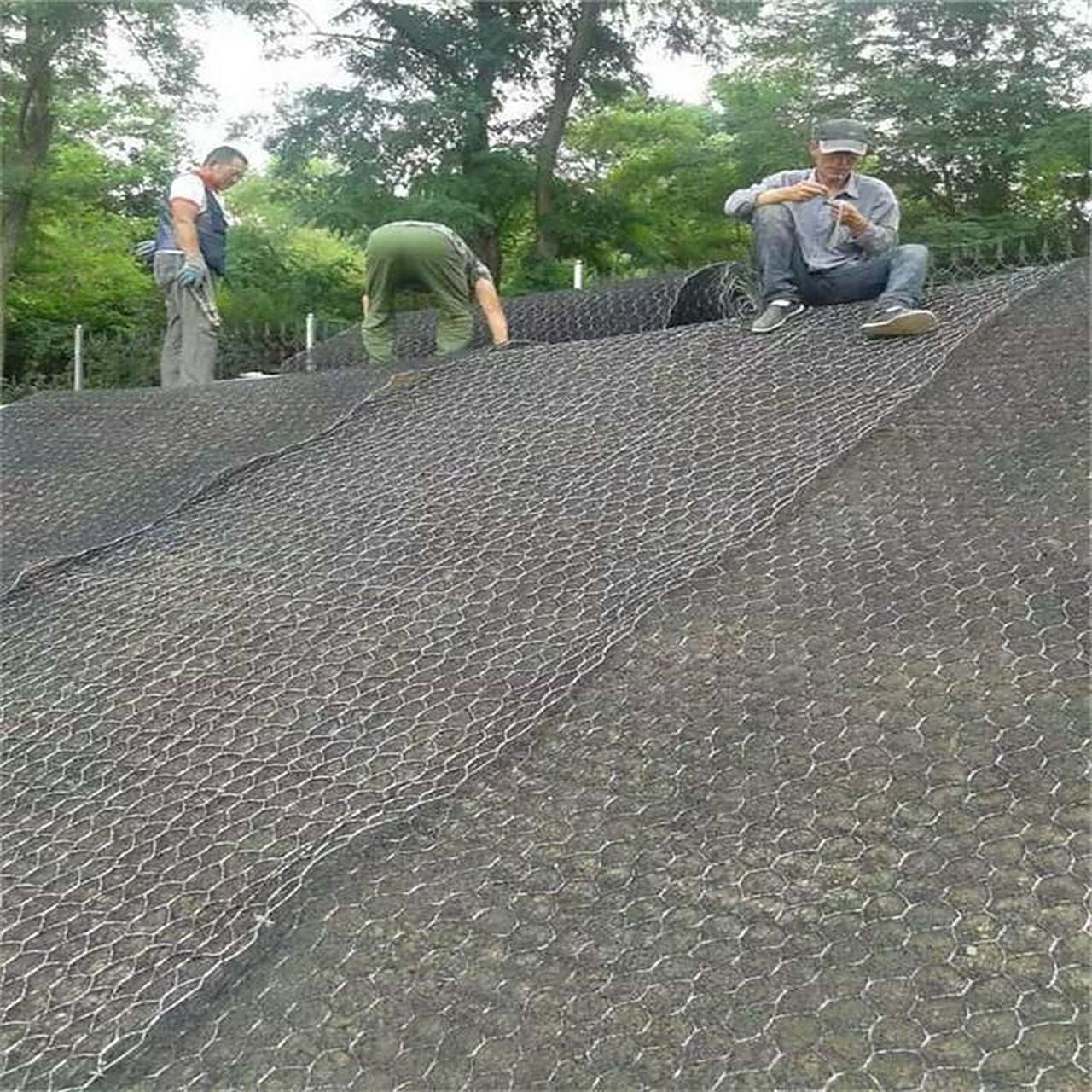
Landscape construction often takes place over disturbed or weak soil. Without adequate stabilization, traffic, rainfall, irrigation, and seasonal ground movement can cause settlement, rutting, erosion, or lateral displacement of aggregate.
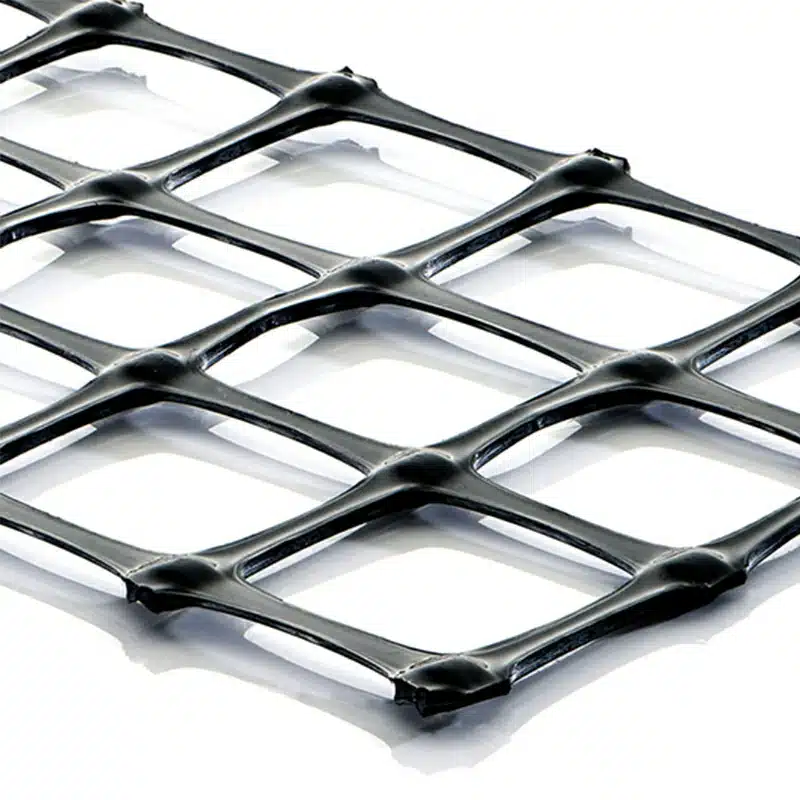
A geogrid creates mechanical interlock between its apertures and the surrounding granular material. This confinement restricts lateral movement and helps distribute loads across a wider area.
Typical applications include:
- Gravel and residential driveways
- Landscape access roads
- Parking and hardscape areas
- Reinforced slopes
- Retaining walls
- Garden and pedestrian paths
For driveways, the reinforcement layer helps stabilize the aggregate base. It can also reduce movement under repeated vehicle loads. This is particularly useful when the underlying soil has limited bearing capacity.
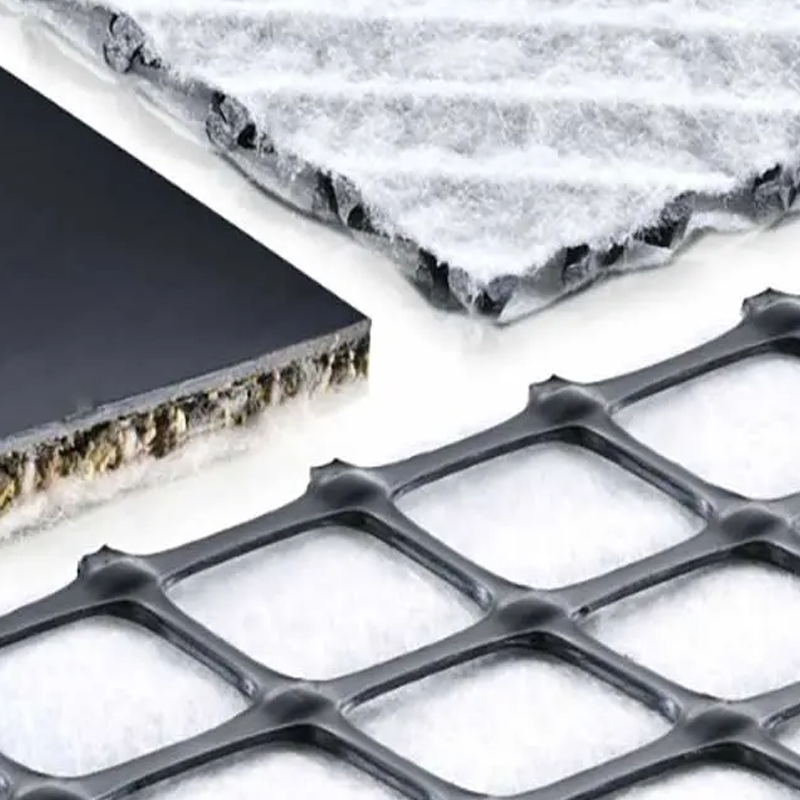
The geogrid should still be combined with appropriate drainage, aggregate selection, grading, and compaction. Where separation or filtration is also required, a geotextile can be installed as part of the system.
Which Geogrid for Landscaping Should You Choose?
Selecting the right grid requires more than comparing tensile strength. Grid structure, aperture size, junction properties, polymer type, loading conditions, and interaction with the selected fill should all be considered.
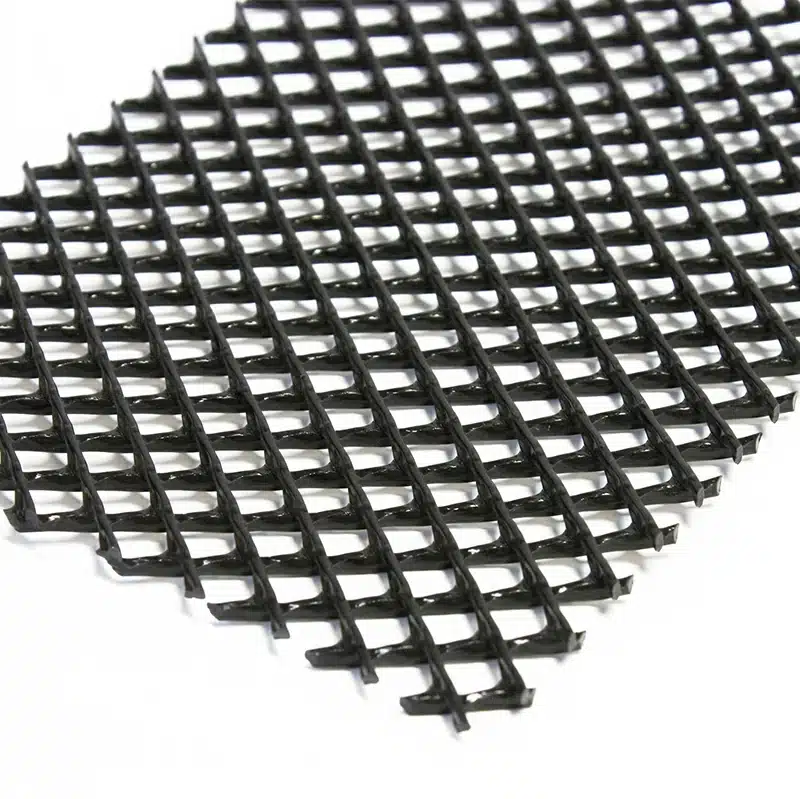
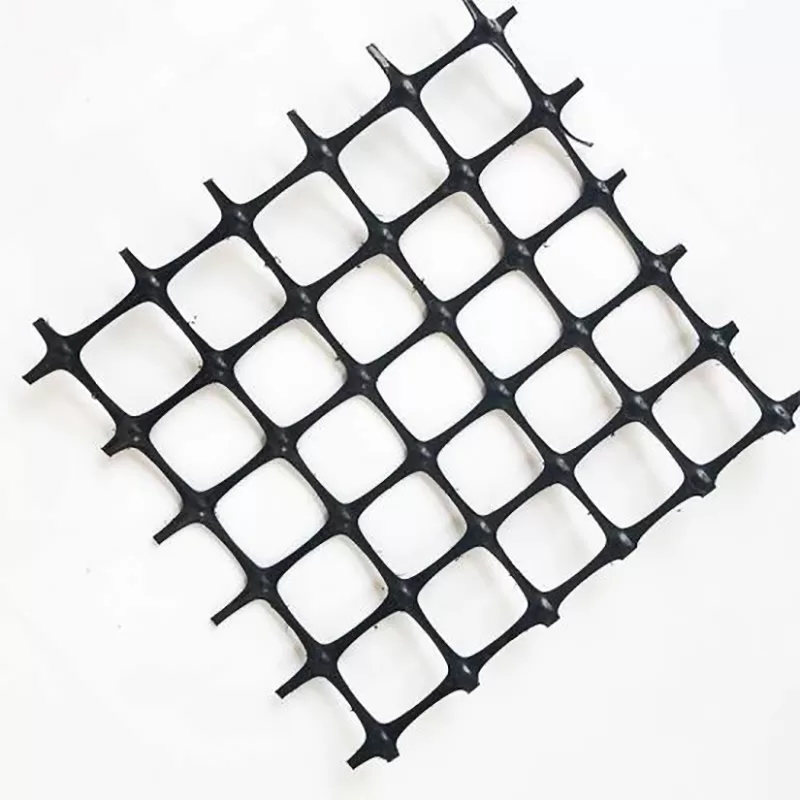
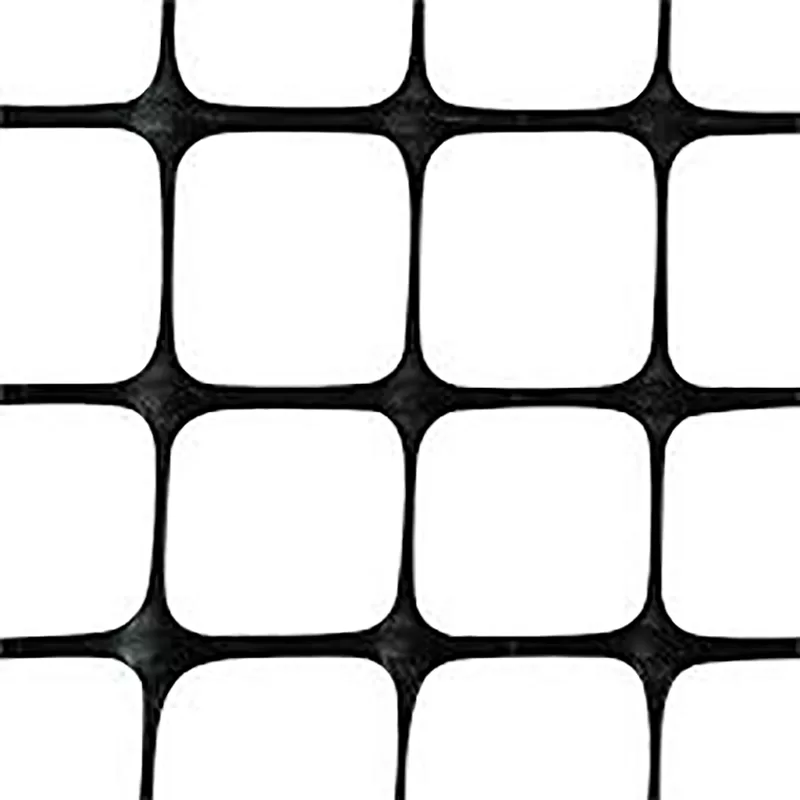
Biaxial geogrids provide reinforcement in two principal directions and are commonly used beneath driveways, paths, parking areas, and other aggregate surfaces. Their structure helps confine granular material where loads are distributed across the reinforced area.
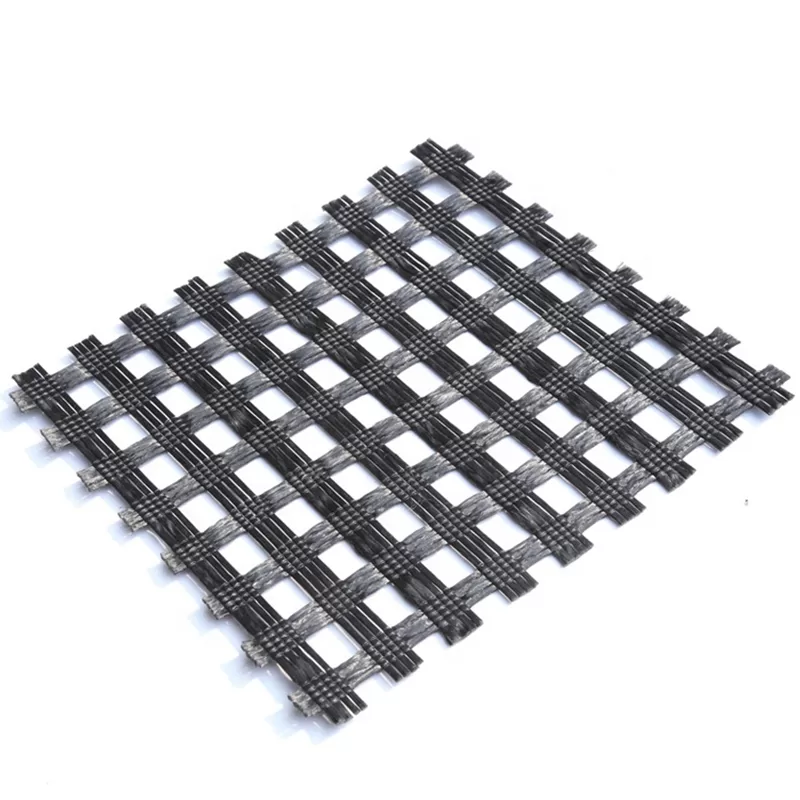
Uniaxial geogrids provide higher tensile reinforcement primarily in one direction. They are typically considered for reinforced soil structures such as retaining walls and steep slopes.
For buyers comparing specifications, our geogrid for landscaping product options can help identify suitable tensile strengths, aperture structures, and roll dimensions according to different project requirements.
How Is Geogrid Installed for Driveways?
Installation starts with proper subgrade preparation. Vegetation, loose material, and unsuitable soil should be removed before the surface is graded and compacted.
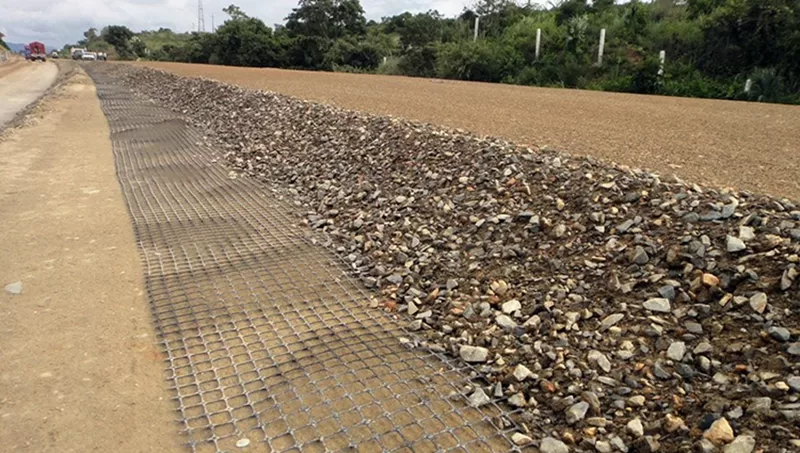
The geogrid for landscaping is then rolled over the prepared subgrade. It should lie flat without excessive wrinkles or folds. Depending on the ground conditions, a geotextile may also be required to prevent fine subgrade particles from mixing with the aggregate base.
Aggregate is placed over the grid and compacted in layers. As the aggregate enters the apertures, mechanical interlock develops between the grid and granular material. This interaction helps restrict lateral aggregate displacement under vehicle loading.
For contractors planning road or driveway stabilization, reviewing geogrid for landscaping installation solutions can help determine appropriate grid orientation, overlaps, aggregate thickness, and complementary geotextiles.
Correct installation is important because even a suitable geogrid cannot compensate for inadequate drainage, poor compaction, or unsuitable fill material.
How Does Geogrid Work in Retaining Walls?
Retaining walls require reinforcement when the soil mass cannot provide sufficient stability independently. Geogrids can be installed in horizontal layers behind the wall face and extended into the compacted backfill.
The reinforcement develops interaction with the surrounding soil, helping resist lateral earth pressure and creating a more stable reinforced soil mass.
The required reinforcement length, vertical spacing, and tensile properties depend on wall height, soil characteristics, surcharge loads, drainage conditions, and design geometry. Unlike simple driveway stabilization, retaining-wall reinforcement should follow an appropriate geotechnical or structural design.
For engineered retaining structures, geogrid for landscaping reinforcement systems can be selected according to required tensile strength, design length, soil conditions, and project-specific performance criteria.
Key Factors When Selecting Geogrid for Landscaping
Before purchasing geogrid for landscaping, consider the complete ground conditions rather than selecting a product based only on nominal tensile strength.
Important factors include tensile properties, aperture dimensions, junction strength, polymer type, aggregate size, subgrade strength, expected loading, drainage conditions, and required service life.
Biaxial grids are commonly considered for aggregate stabilization, while uniaxial grids are more frequently used for reinforced soil structures. Project specifications should ultimately determine the appropriate product.
For commercial projects or bulk procurement, providing the application, required tensile strength, roll dimensions, estimated quantity, and relevant technical specifications can make product selection and quotation more accurate.
Get Free Sample
We’ll respond as soon as possible(within 12 hours)