

+86-159 9860 6917
info@geofantex.com
geofantex@gmail.com
+86-400-8266163-44899
Geomembrane installation plays a critical role in containment projects where reliable leakage control and long-term durability are required. For landfills, mining facilities, ponds, and wastewater systems, correct material selection and field installation directly affect system performance. Buyers should consider liner thickness, site conditions, welding requirements, and project specifications before ordering materials.
Why Geomembrane Installation Matters
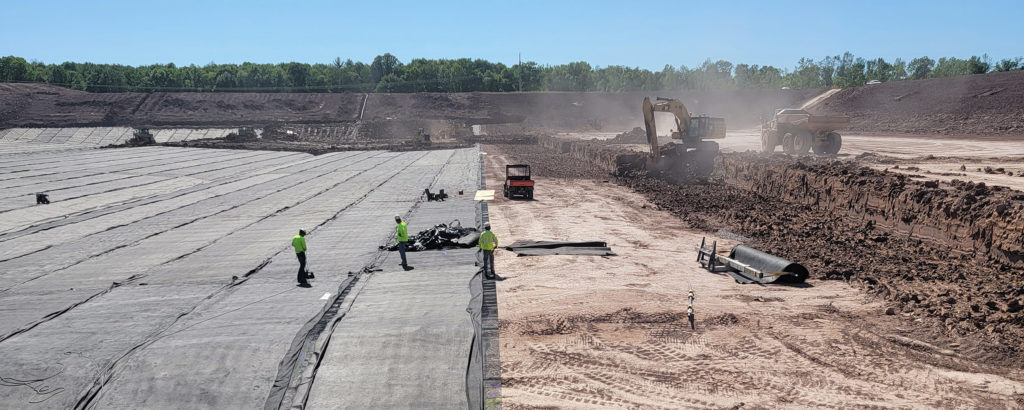
A geomembrane provides a low-permeability barrier that limits the movement of liquids and contaminants into surrounding soil and groundwater. However, material quality alone cannot guarantee reliable containment.
Subgrade conditions, panel deployment, seam welding, anchoring, and field quality control all influence the final performance. Poor preparation can increase puncture risks, while incorrect welding can create weak seams.
For this reason, contractors and project owners should coordinate liner specifications with actual installation conditions before procurement. Our geomembrane installation material selection guide can help buyers evaluate thickness, surface type, roll dimensions, and complementary geosynthetics according to project requirements.
Selecting Materials for Geomembrane Installation
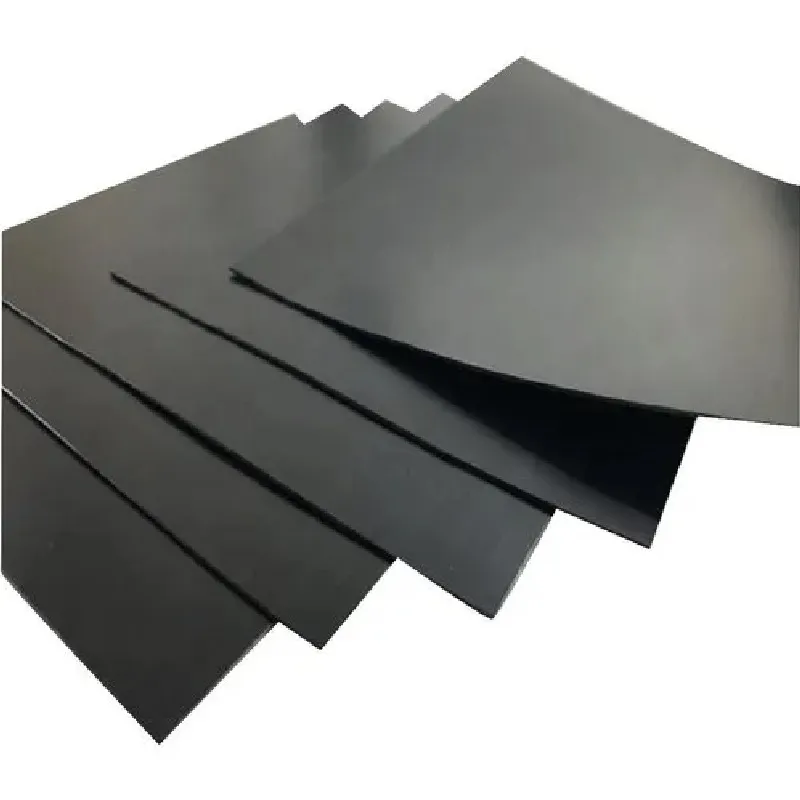
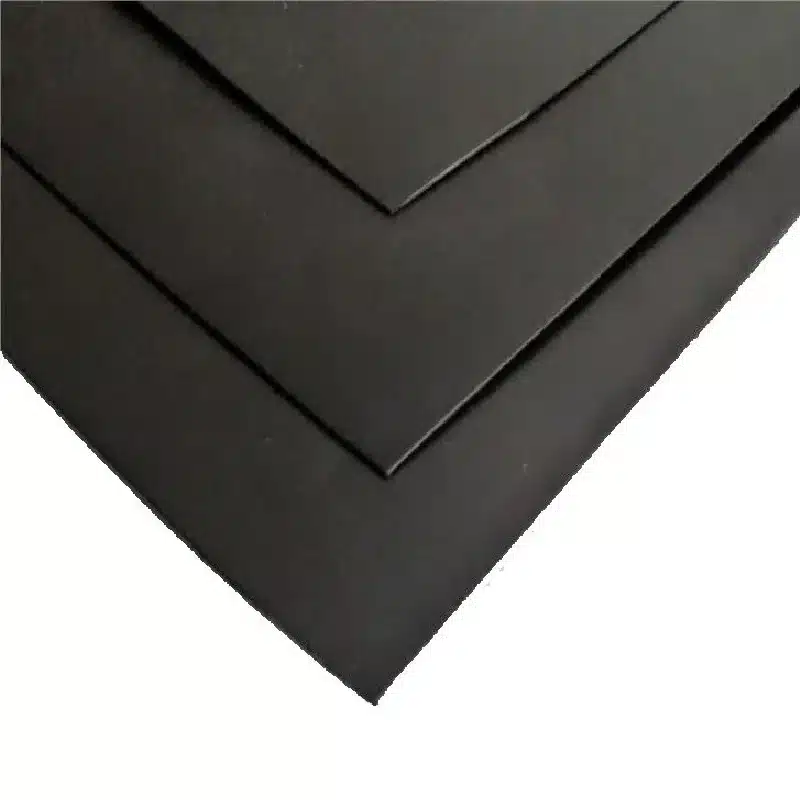
HDPE and LLDPE are commonly specified for environmental, hydraulic, and mining applications. HDPE provides low permeability, chemical resistance, and long-term durability. LLDPE offers greater flexibility and elongation where settlement or complex geometries are expected.
Thickness should be selected according to engineering design rather than price alone. Common project specifications can range from approximately 0.5 mm to 3.0 mm.
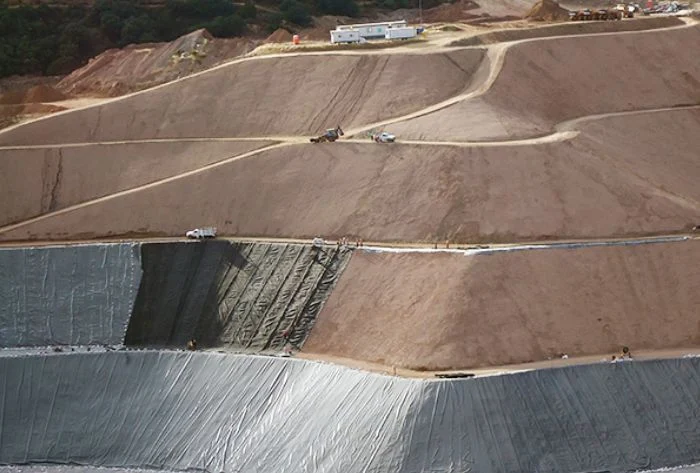
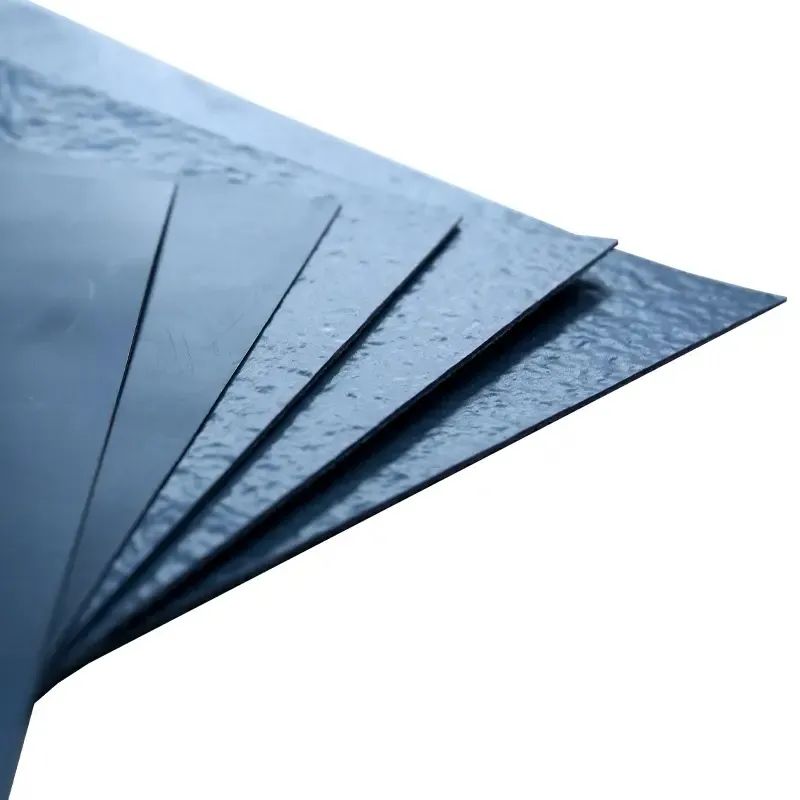
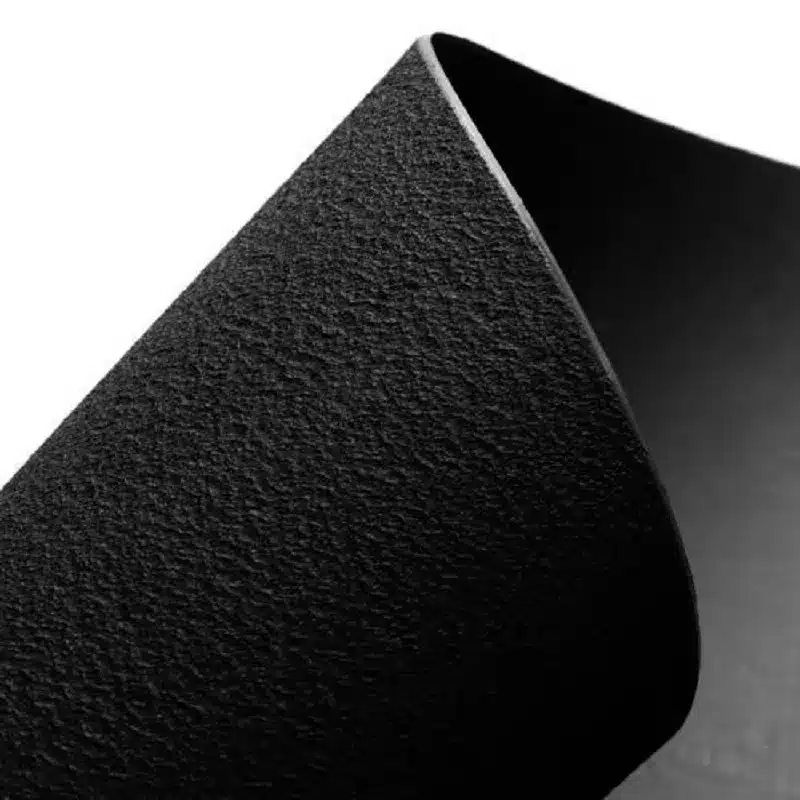
Surface configuration also matters. Smooth liners are widely used on relatively flat areas, while textured products can provide greater interface friction on slopes.
Before purchasing, buyers should provide the application, required thickness, surface finish, total area, technical standard, roll dimensions, and delivery destination.
Site Preparation and Liner Deployment
The supporting surface should be smooth, stable, compacted, and free from sharp stones, roots, construction debris, and other materials that could damage the liner.
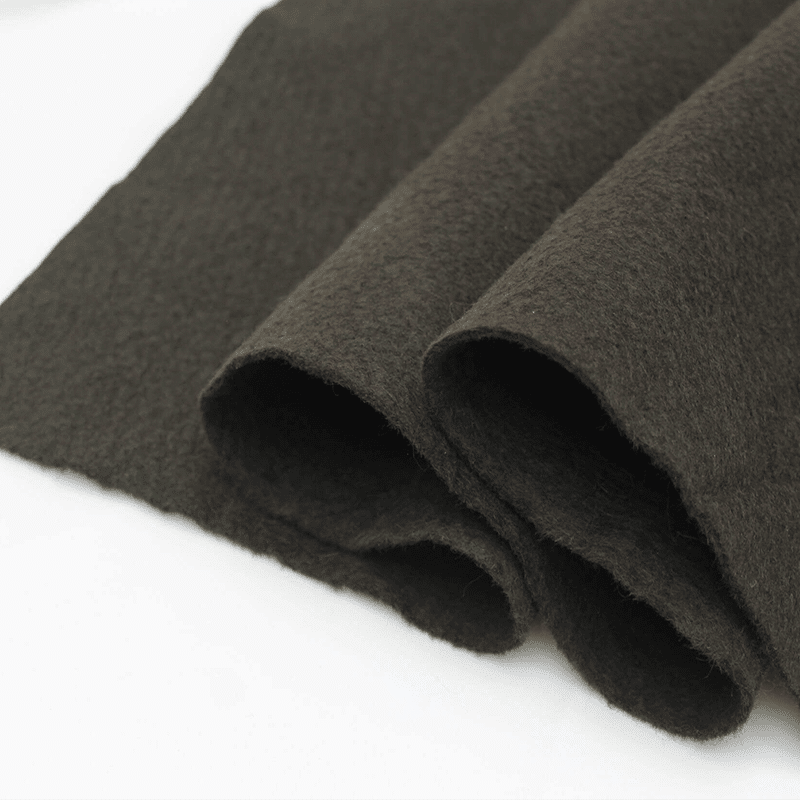
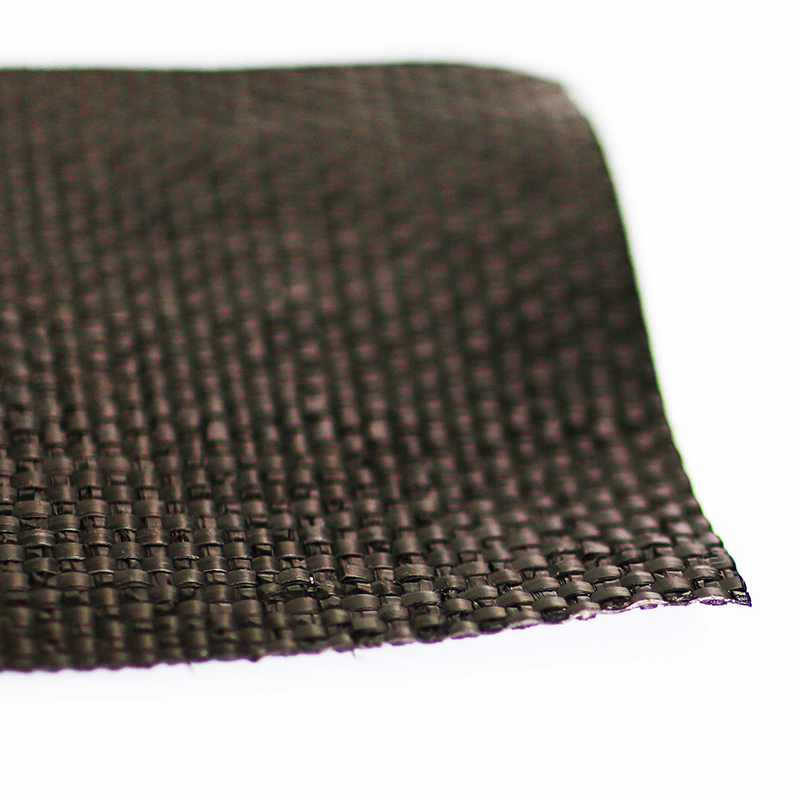
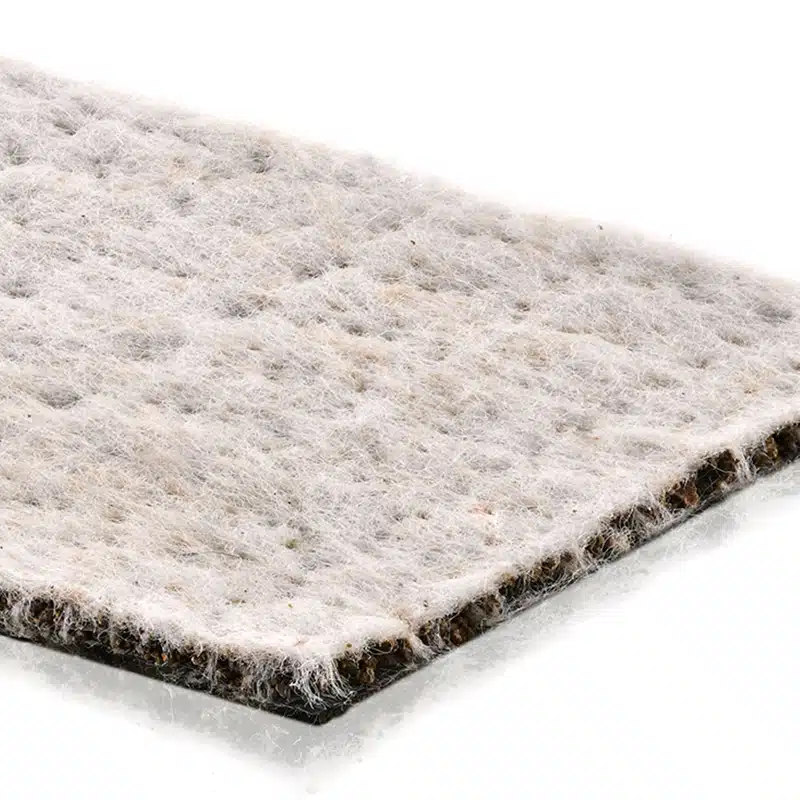
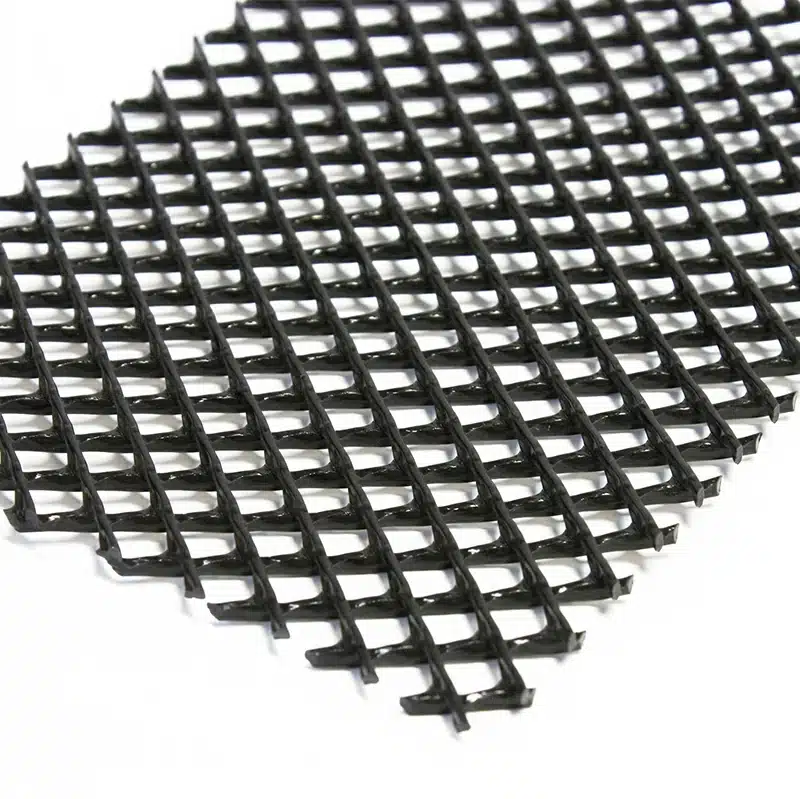
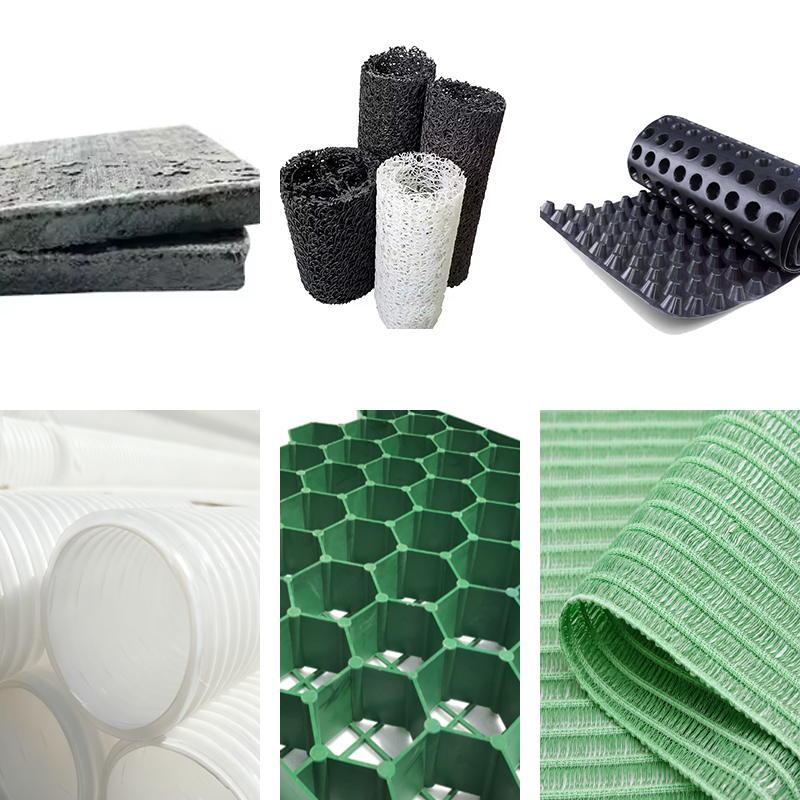
Where additional protection is necessary, engineers may specify a nonwoven geotextile as a cushioning layer. Drainage geocomposites and geonets can also be incorporated into the system where liquid or gas collection is required.
During deployment, contractors should follow the planned panel layout and consider slope direction, anchoring, weather, temperature, and welding access.
Proper planning reduces unnecessary seams and material waste. Buyers working on large containment projects can review our geomembrane installation solutions for landfill projects when selecting liners and complementary geosynthetics.
Welding and Quality Control
Field seams are typically joined using thermal welding equipment. Hot-wedge welding is commonly used for long continuous seams, while extrusion welding is suitable for repairs, penetrations, corners, and detailed areas.
Welding parameters must reflect liner thickness, material characteristics, temperature, and field conditions. Installers should also manage thermal expansion because polyethylene liners can expand or contract as temperatures change.
Quality-control procedures may include visual inspection and destructive or nondestructive testing. Air-channel testing, vacuum-box testing, peel testing, and shear testing may be used according to the project specification.
Defective areas should be repaired and retested before covering the liner.
Geomembrane Installation for Landfills and Mining
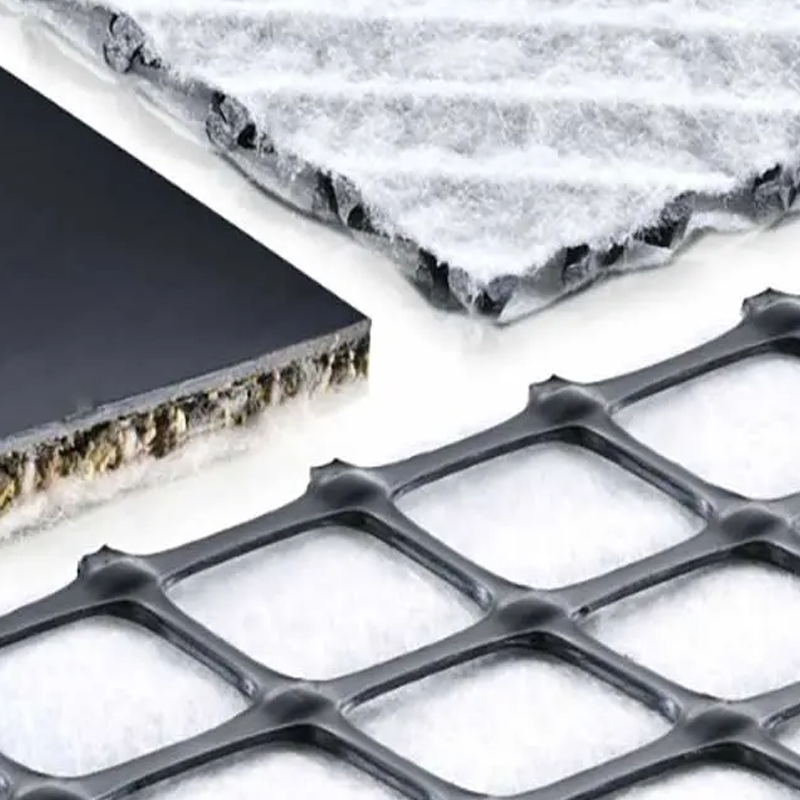
Landfills require containment systems capable of controlling leachate and reducing contaminant migration. A typical system may combine a geomembrane with geotextiles, drainage geocomposites, geonets, and collection pipes.
Mining applications can involve heap leach pads, tailings facilities, process ponds, and wastewater containment. These projects may expose liners to demanding chemical, mechanical, and environmental conditions.
For such applications, geomembrane installation systems for mining projects should be evaluated as complete engineered systems rather than as individual products. Compatibility between the liner, protective layers, drainage materials, and site conditions is essential.
What to Confirm Before Requesting a Quote
Before requesting pricing for geomembrane installation materials, prepare the main technical and commercial requirements:
- Project application and location
- HDPE or LLDPE material
- Required thickness
- Smooth or textured surface
- Total project area
- Roll dimensions
- Applicable technical standards
- Required certificates and test reports
- Destination port
- Delivery schedule
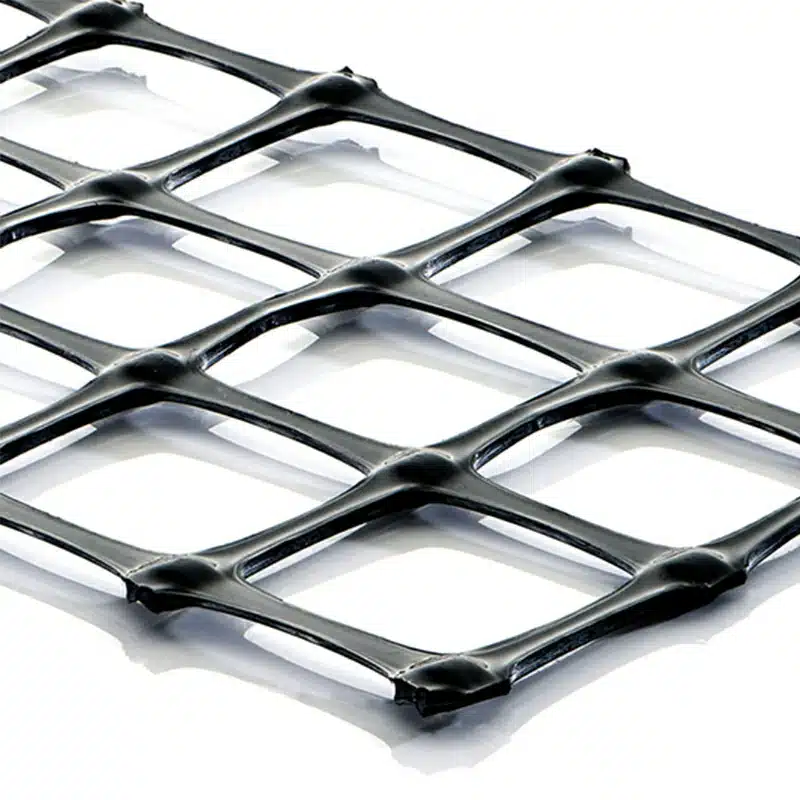
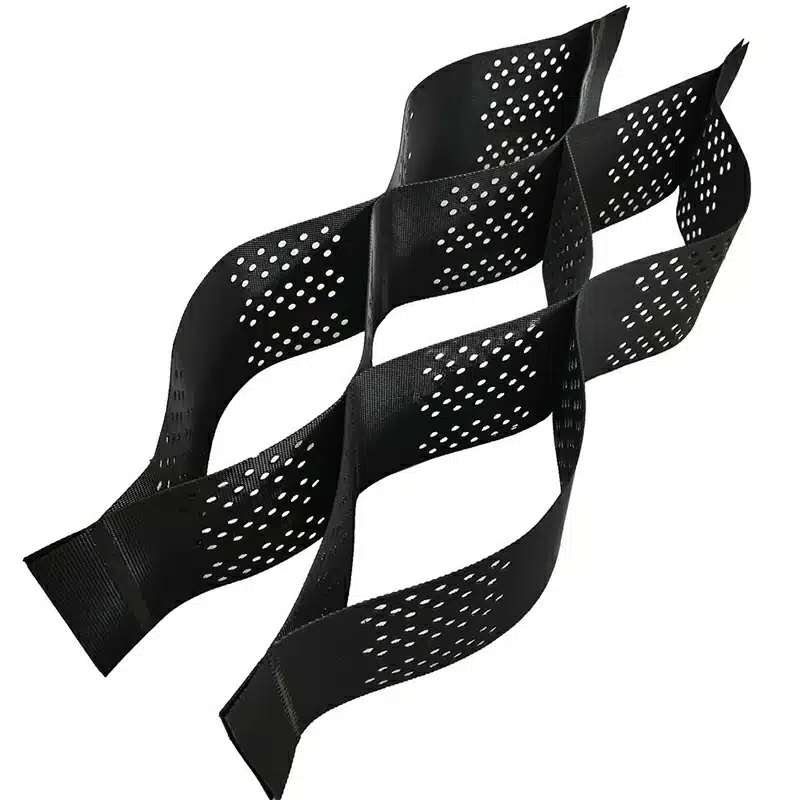
Geofantex supplies geomembranes together with geotextiles, geonets, drainage geocomposites, geogrids, and other geosynthetic products. Providing drawings or tender specifications allows our team to review your requirements and recommend an appropriate configuration.
For your next geomembrane installation project, send us the required specifications, quantity, application, and destination. We can assist with product selection and prepare a project-based quotation.
Get Free Sample
We’ll respond as soon as possible(within 12 hours)