

+86-159 9860 6917
info@geofantex.com
geofantex@gmail.com
+86-400-8266163-44899
Can concrete be installed on geonet is an important question for contractors and engineers selecting drainage materials for retaining walls, landfills, foundations, and other civil engineering projects. The answer is yes, provided the geonet is correctly specified for compressive load, drainage capacity, filtration, and the surrounding layer structure. For buyers, choosing the correct geonet or geocomposite can reduce drainage-layer thickness and simplify installation compared with conventional aggregate systems.
Can Concrete Be Installed on Geonet Safely?
In concrete-related projects, engineers should evaluate the performance of the complete drainage system rather than focus on individual materials.
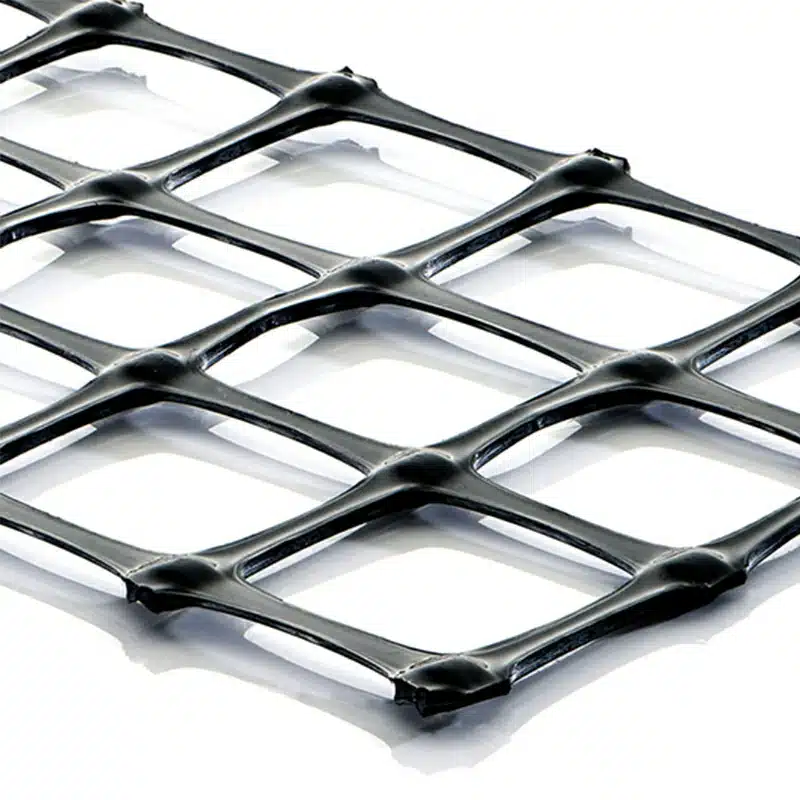
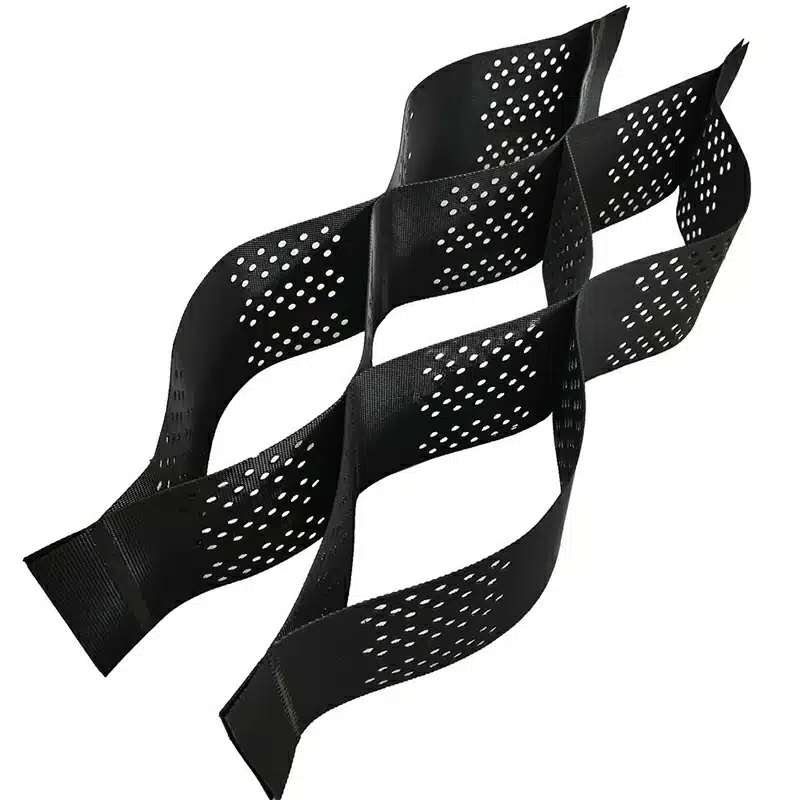
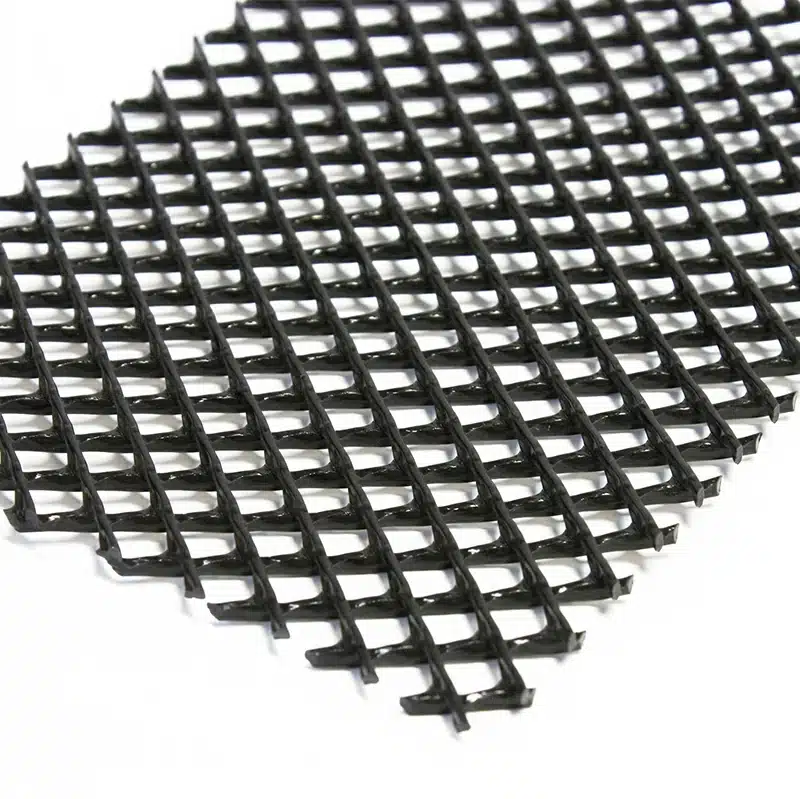
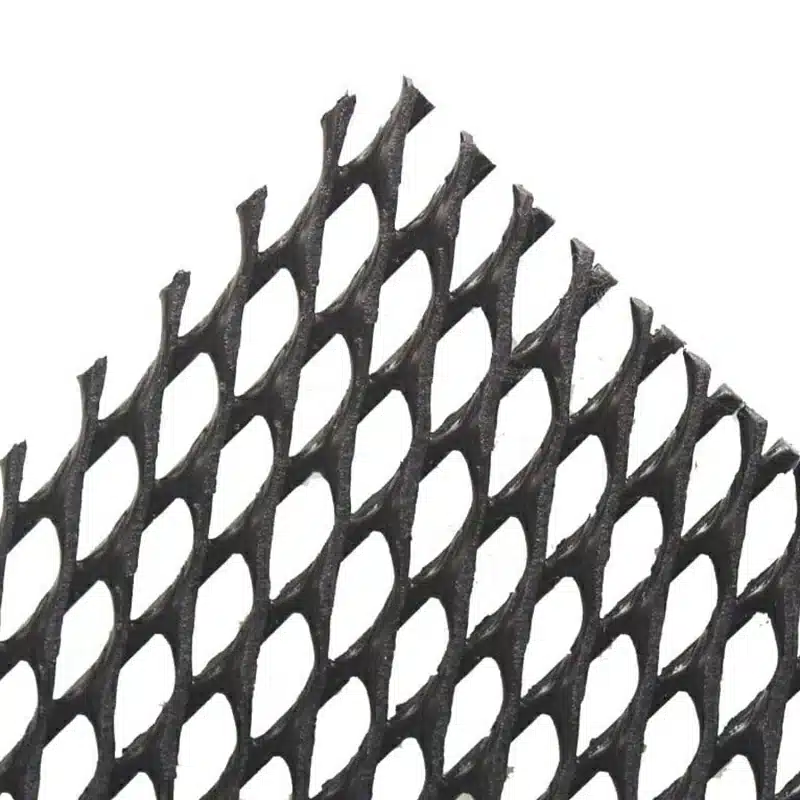
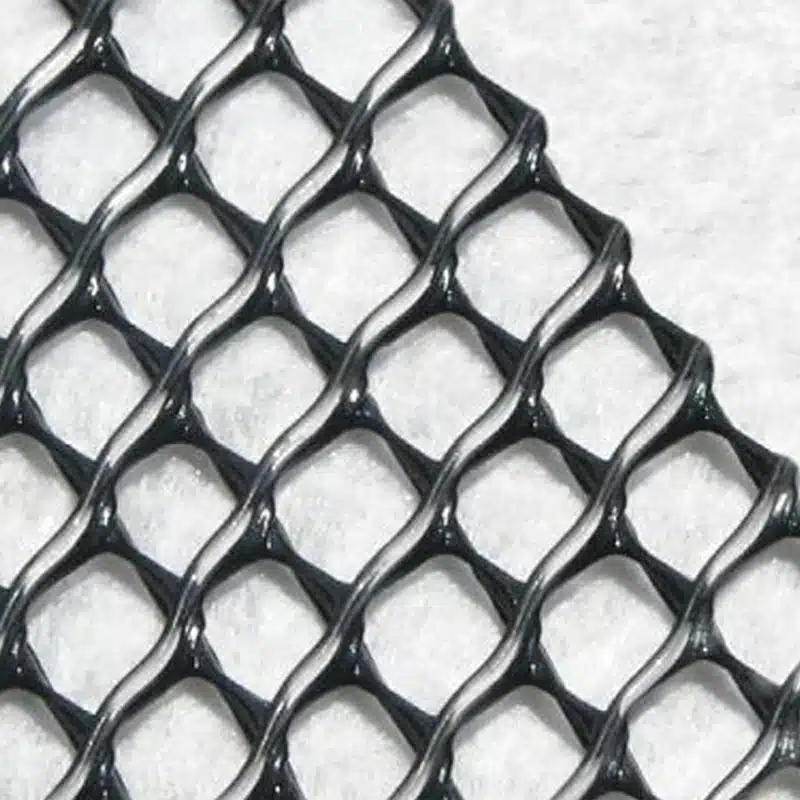
A geonet is typically manufactured from HDPE with interconnected ribs that create channels for in-plane liquid or gas flow. It is primarily a drainage material rather than a structural reinforcement layer.
When concrete is installed above or adjacent to a geonet, engineers need to consider the permanent compressive stress created by the concrete and any additional construction or service loads. Excessive pressure may deform the drainage core and reduce its long-term transmissivity.
For this reason, how concrete can be installed on geonet drainage systems should be evaluated according to actual project loads rather than simply selecting a product by thickness or unit weight.
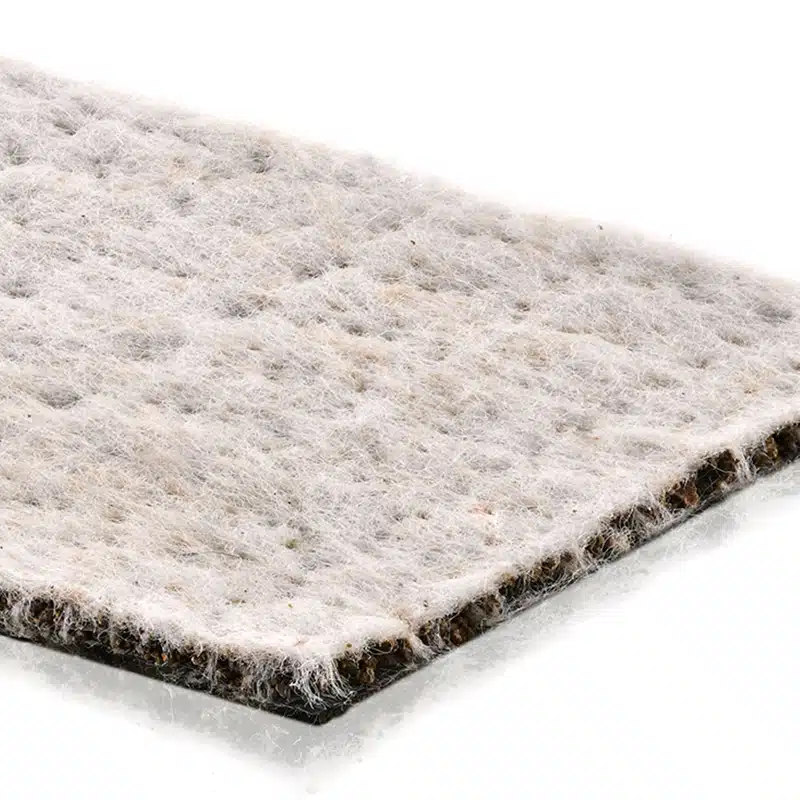
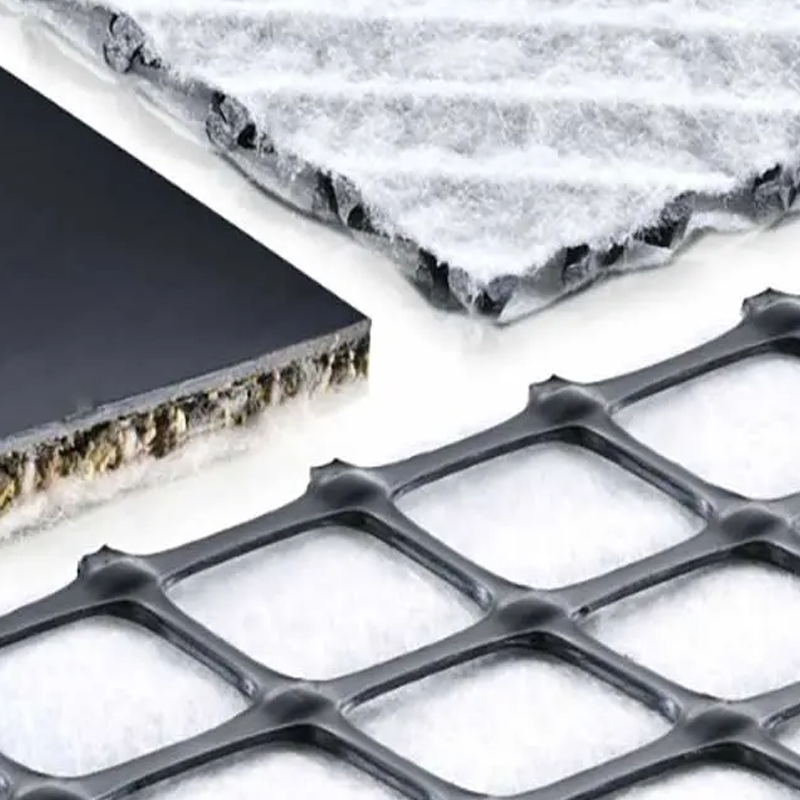
A geotextile-bonded geonet, commonly known as a drainage geocomposite, is often preferred because the geotextile provides filtration and separation while protecting the drainage core from fine particles.
Retaining Wall Case: Geonet Behind Concrete Structures
Concrete retaining walls are a practical example of where geonet drainage systems can provide significant benefits.
Water accumulating behind a retaining wall creates hydrostatic pressure. Without an effective drainage system, this pressure increases the load acting against the structure and can contribute to leakage, cracking, or long-term deterioration.
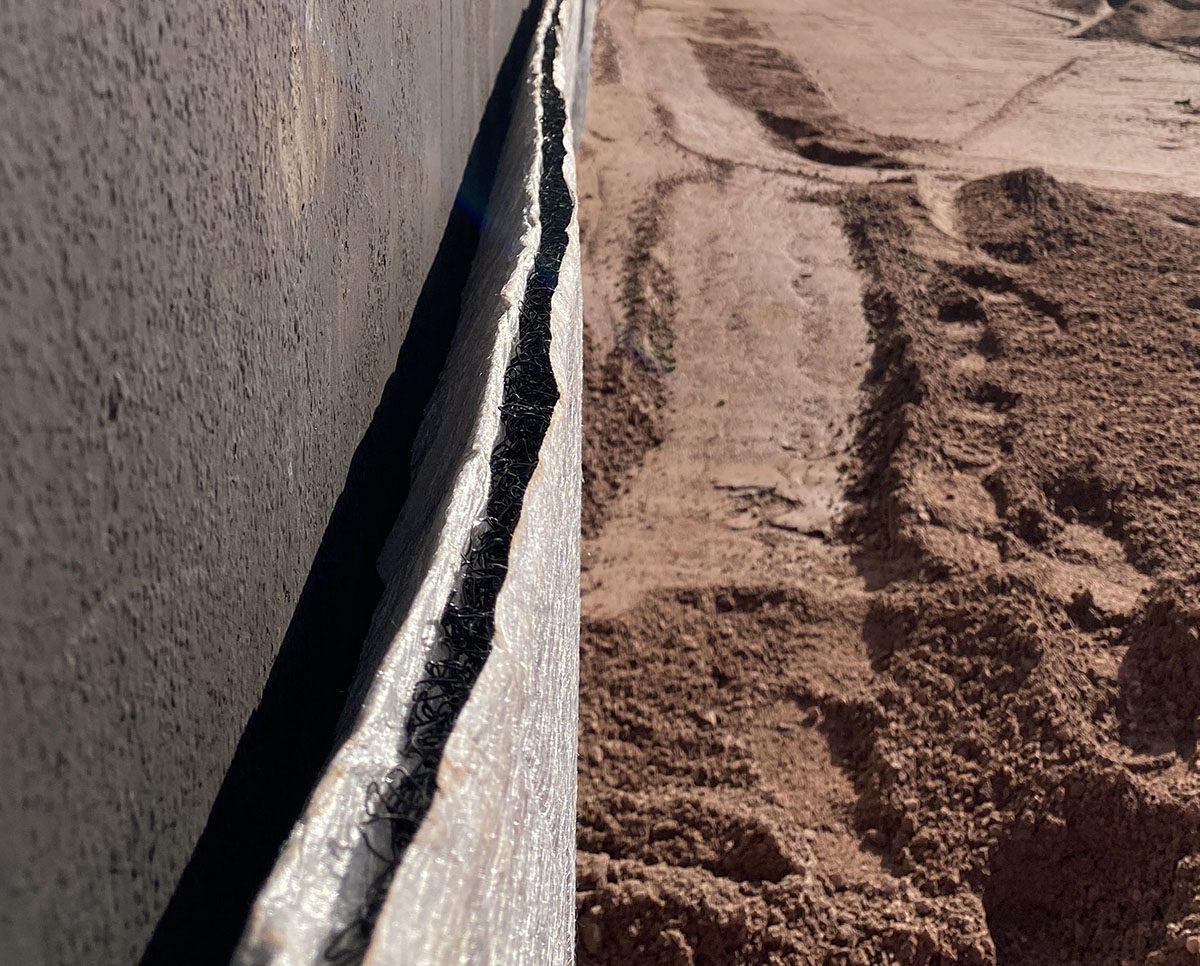
A geonet drainage composite can be installed between the concrete wall and the surrounding backfill. Water passes through the filter geotextile and enters the geonet core before flowing toward a perforated drainage pipe or designated outlet.
In this configuration, the geonet does not reinforce the concrete. Instead, it provides a continuous drainage path and helps relieve hydrostatic pressure.
The entire system should work together. Engineers need to consider the wall, waterproofing layer, geotextile, drainage core, backfill, and outlet configuration during design.
Compared with a thick gravel drainage layer, a geocomposite can also reduce excavation requirements and the quantity of aggregate transported to the construction site.
Can Concrete Be Installed on Geonet in Landfill Projects?
Landfills often use several geosynthetic materials within one containment system.
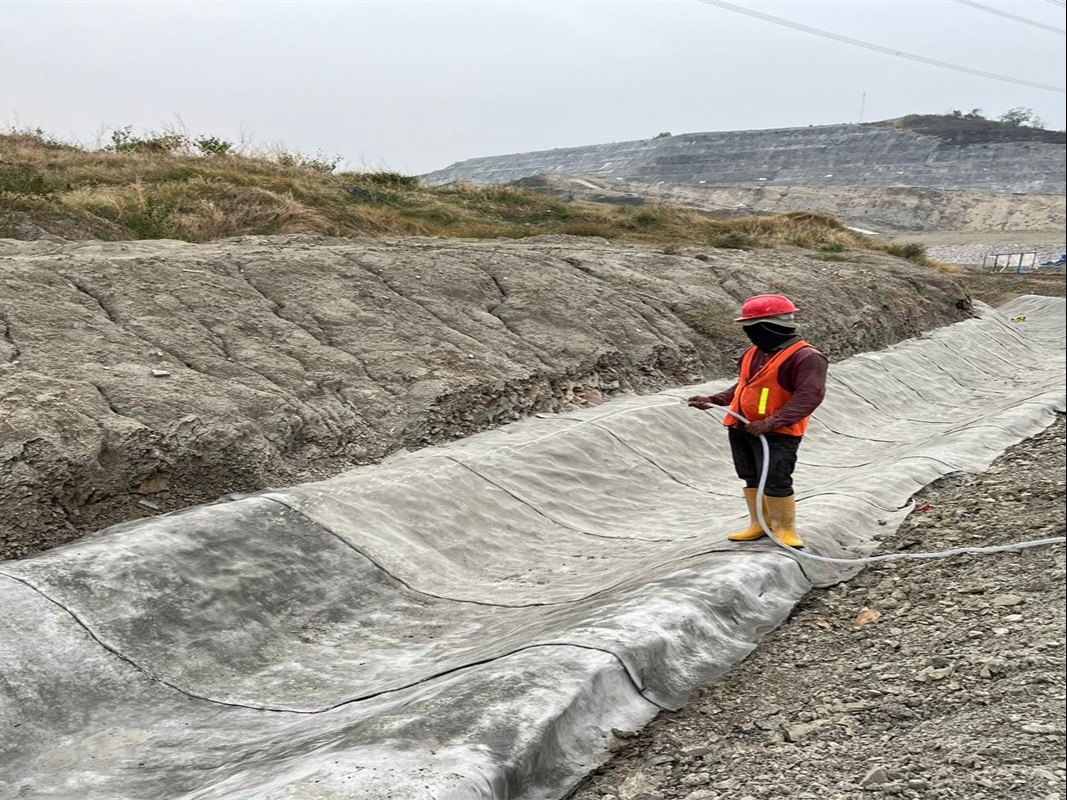
A typical system may include compacted clay, GCL, geomembrane, geonet drainage composites, geotextiles, drainage pipes, and protective soil layers. Concrete drainage channels, sumps, collection structures, and access areas may also form part of the project.
In these systems, the drainage layer must continue working under long-term pressure. Engineers should evaluate transmissivity under load rather than rely only on initial laboratory values.
Compressive strength is also important. However, it does not provide a complete picture of long-term drainage performance.
Designers should consider hydraulic gradient, creep behavior, filtration performance, and geotextile intrusion. These factors can affect the available flow space inside the drainage core.
Selecting geonet for concrete and landfill drainage applications should consequently be based on engineering performance rather than product thickness alone.
Direct Concrete Placement Requires Additional Attention
Construction conditions can affect geonet performance before a project even enters service.
Fresh cement paste may penetrate open drainage channels, while workers, reinforcement, equipment, and concrete-placement operations can damage or compress the geonet before the concrete reaches its final condition.
A suitable separation or protection layer is therefore commonly incorporated between the geonet and concrete. A factory-laminated geotextile-geonet composite can be particularly useful because it combines drainage, filtration, and separation functions in one product.
For heavily loaded structures, designers should also verify long-term transmissivity rather than relying only on initial compressive-strength data.
Geonet solutions for concrete drainage and retaining wall projects can be customized according to drainage capacity, roll dimensions, geotextile requirements, and project-specific loading conditions.
Key Factors When Selecting a Geonet
Before specifying geonet around concrete structures, contractors, distributors, and project engineers should evaluate:
- Compressive strength under the expected structural load
- Long-term transmissivity under sustained pressure
- Required drainage flow capacity
- Hydraulic gradient and outlet configuration
- Geotextile filtration and separation performance
- Creep resistance of the drainage core
- Compatibility with geomembranes and waterproofing systems
- Protection requirements during concrete placement
The appropriate specification can differ significantly between a retaining wall, landfill, foundation slab, tunnel, or other underground structure.
The answer to can concrete be installed on geonet is yes when the geonet is incorporated into a properly engineered drainage system. The critical issue is not simply whether concrete and geonet can be placed together, but whether the drainage core can maintain its required hydraulic performance under construction and long-term loads.
In retaining walls, geonet drainage composites can relieve hydrostatic pressure while reducing dependence on thick aggregate drainage layers. In landfill projects, they can form part of integrated drainage and containment systems around concrete and other structural components.
Selecting the correct geonet therefore requires consideration of compressive performance, transmissivity, filtration, protection, and the complete project layer configuration.
Get Free Sample
We’ll respond as soon as possible(within 12 hours)