

+86-159 9860 6917
info@geofantex.com
geofantex@gmail.com
+86-400-8266163-44899
Geocell shed base systems provide a reinforced foundation for sheds, storage areas, and other light structures. By confining gravel or crushed stone within a three-dimensional cellular structure, geocells improve load distribution, reduce aggregate movement, and support drainage. For contractors and distributors, selecting the right geocell specification can help balance foundation performance, installation efficiency, and project cost.
How Does a Geocell Shed Base Work?
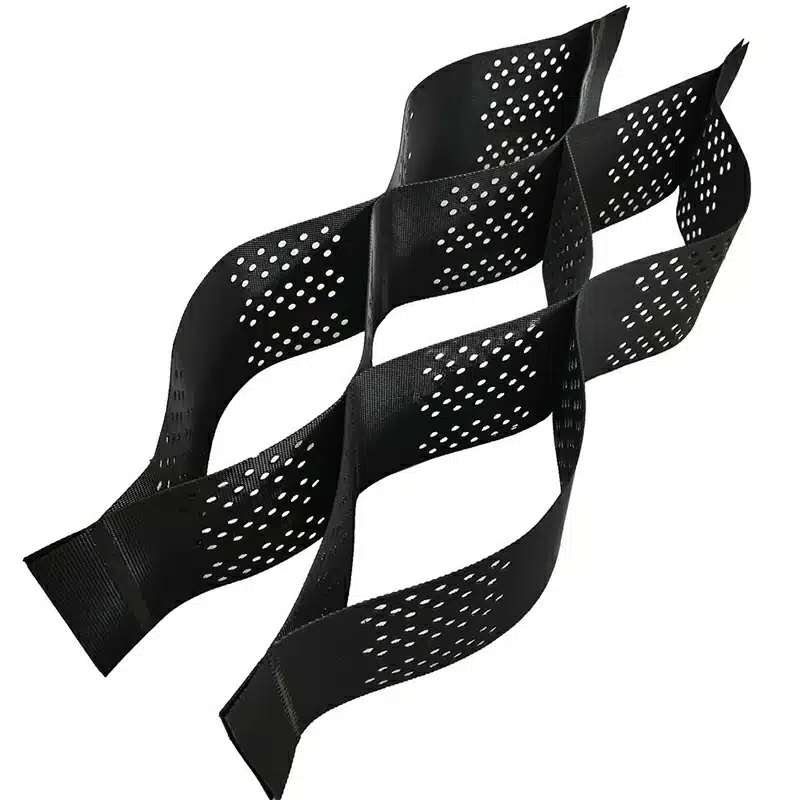
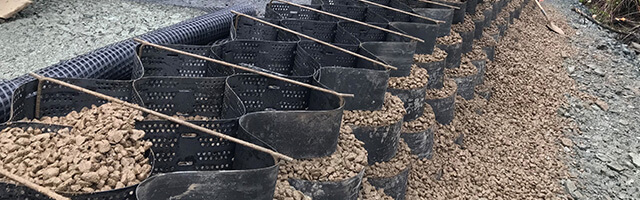
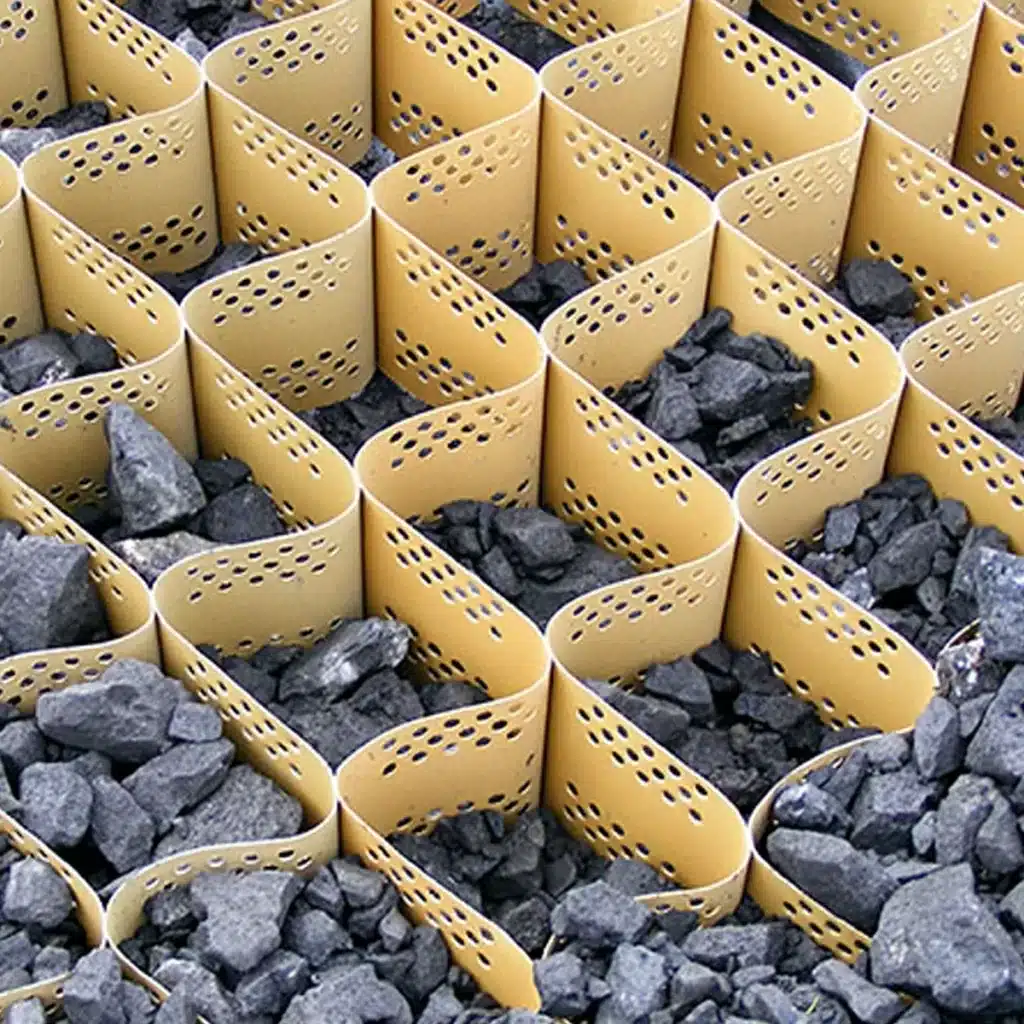
Cellular confinement systems typically use expandable HDPE panels to reinforce granular materials. During installation, workers expand and secure the panels before filling the cells with gravel or crushed stone.
Instead of allowing gravel to spread outward under repeated loading, the cellular structure confines the material and creates a more stable reinforced layer. Loads from the shed and stored equipment can therefore be distributed across a wider foundation area.
This principle is also used in roads, parking areas, access routes, working platforms, and other ground stabilization projects. Contractors evaluating geocell shed base ground stabilization systems can apply similar confinement principles while adjusting cell height, infill, and foundation thickness according to site conditions.
Why Use Geocell for Shed Foundations?
Conventional shed foundations commonly use concrete slabs or thick layers of compacted aggregate. Both can provide effective support, but projects involving weak subgrade, drainage requirements, difficult site access, or high aggregate transportation costs may benefit from geocell reinforcement.
In these situations, cellular confinement provides another practical option.
Improved Load Distribution
The cellular structure confines aggregate and helps distribute applied loads across a larger area. This can reduce localized deformation and improve foundation stability, particularly over relatively weak subgrades.
Reduced Aggregate Movement
Unconfined gravel can migrate laterally under repeated loading. Geocell compartments restrict this movement and help the compacted granular layer maintain its intended geometry.
For contractors comparing different foundation options, understanding geocell shed base installation and load support is important when determining suitable cell dimensions, aggregate type, and construction depth.
Effective Drainage
Unlike an impermeable concrete slab, a gravel-filled geocell system can form part of a permeable foundation. With suitable grading and drainage design, water can move through the granular layer instead of accumulating on the surface.
Efficient Material Use
Geocell reinforcement can improve the mechanical performance of granular materials. Depending on subgrade conditions and engineering requirements, this may allow a more efficient foundation section compared with an unreinforced aggregate base.
Actual aggregate thickness should always be determined according to soil strength, expected loading, drainage conditions, infill properties, and project design requirements.
Geocell Shed Base Installation
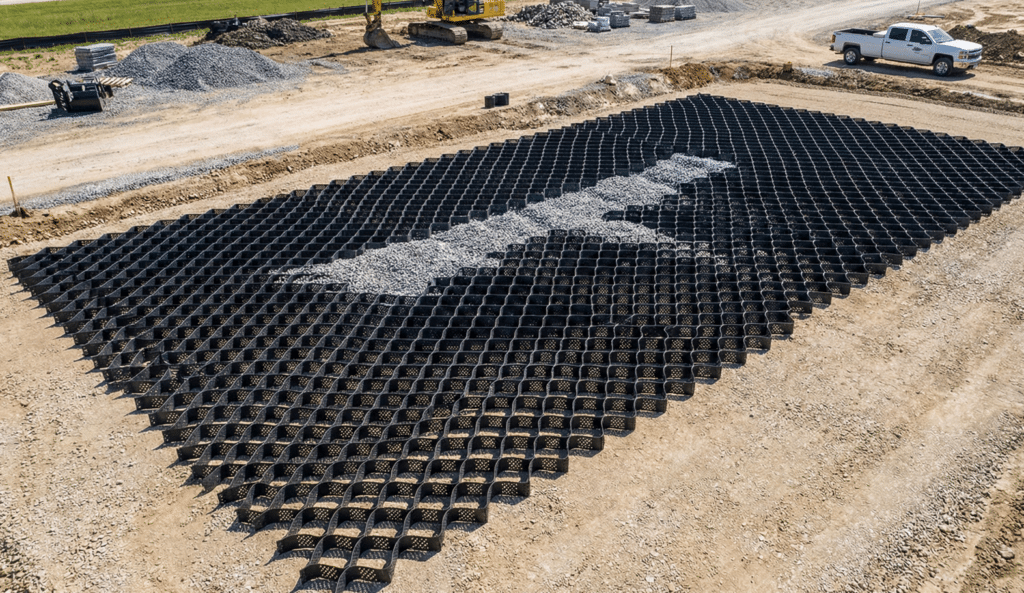
Installation normally begins with clearing and leveling the subgrade. Soft areas should be treated before the foundation system is installed.
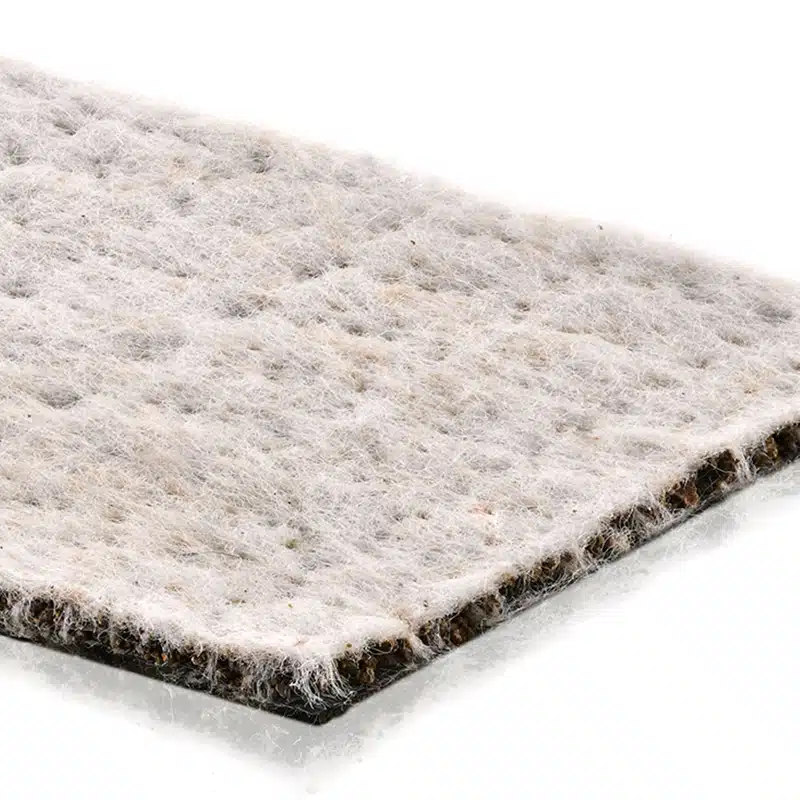
A separation geotextile may be placed over fine-grained or weak soils to prevent contamination between the subgrade and granular foundation. The geocell panels are then expanded, positioned, connected, and anchored where necessary.
Aggregate is placed into the cells and compacted to create the reinforced base. The final surface should be level and appropriately graded before the shed or structural foundation components are installed.
For larger storage buildings or sites with poor ground conditions, project-specific engineering should determine the required geocell height, foundation thickness, anchoring method, and infill specification.
Following appropriate geocell shed base construction guidelines can help contractors achieve consistent confinement and avoid problems caused by inadequate subgrade preparation or insufficient compaction.
Choosing the Right Geocell Specification
Geocell performance depends on more than cell height alone. Contractors, distributors, and project owners should consider several parameters when selecting a product:
- Cell height and opening dimensions
- HDPE material properties
- Strip thickness
- Weld or junction strength
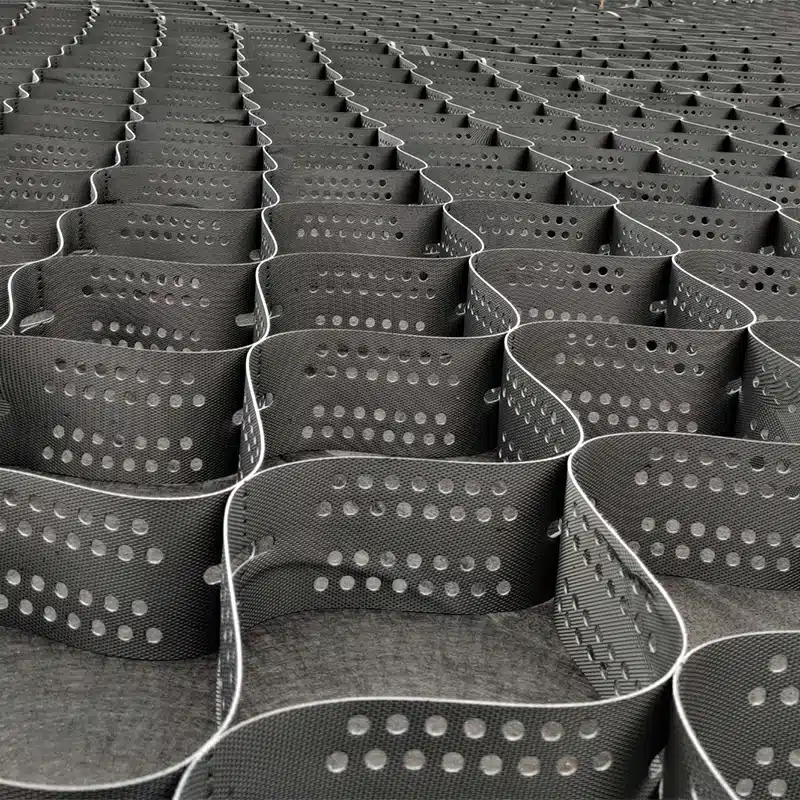
- Textured or smooth surfaces
- Perforated or non-perforated cell walls
- Panel dimensions
- Subgrade bearing capacity
- Expected static and dynamic loads
- Available infill materials
A small garden shed constructed over firm ground will have different requirements from a large equipment storage structure built over soft soil. Selecting specifications according to actual project conditions helps avoid unnecessary material consumption while maintaining the required foundation performance.
Applications Beyond Shed Foundations
The same cellular confinement technology can also be used for parking areas, driveways, access roads, temporary roads, storage yards, working platforms, landscaping, slope stabilization, and erosion control.
This versatility is particularly useful for geosynthetics distributors and contractors because one geocell product family can address multiple ground reinforcement applications.
Geofantex supplies HDPE geocells in different cell heights, panel dimensions, surface configurations, and project-specific specifications. For a geocell shed base project, our team can assist with product selection based on expected loading, subgrade conditions, available infill, and project dimensions.
Contact Geofantex for technical data, product specifications, samples, and project quotations.
Get Free Sample
We’ll respond as soon as possible(within 12 hours)