

+86-159 9860 6917
info@geofantex.com
geofantex@gmail.com
+86-400-8266163-44899
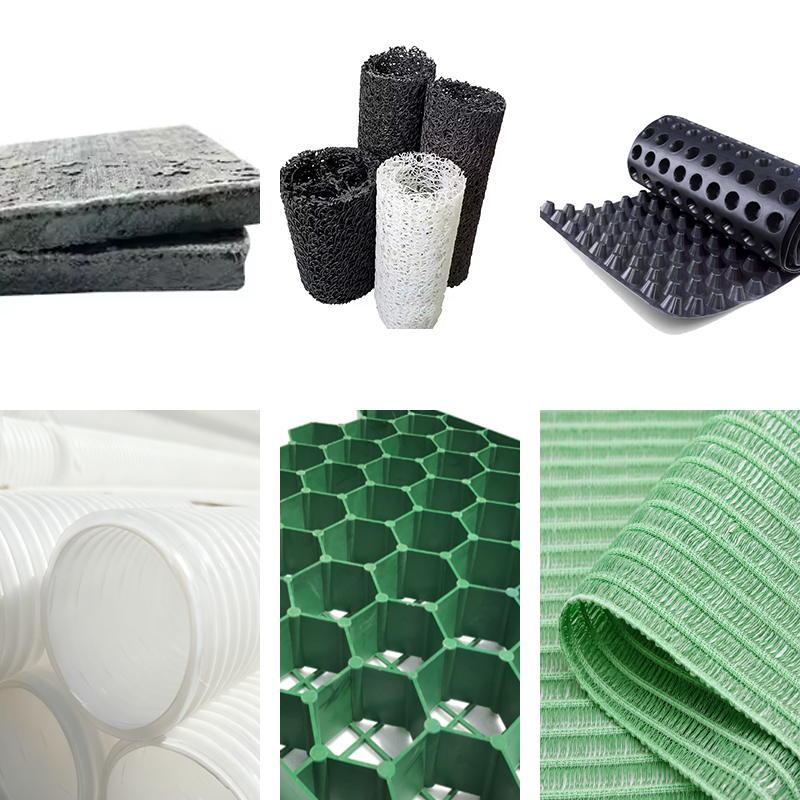
Drainage composite systems provide an efficient solution for contractors, engineers, and distributors who need reliable subsurface water management. Combining a polymer drainage core with geotextile filtration, these products help collect and discharge water while reducing the need for thick aggregate drainage layers. For project purchasing, the correct specification can improve installation efficiency, control hydrostatic pressure, and support long-term infrastructure performance.
What Is a Drainage Composite?
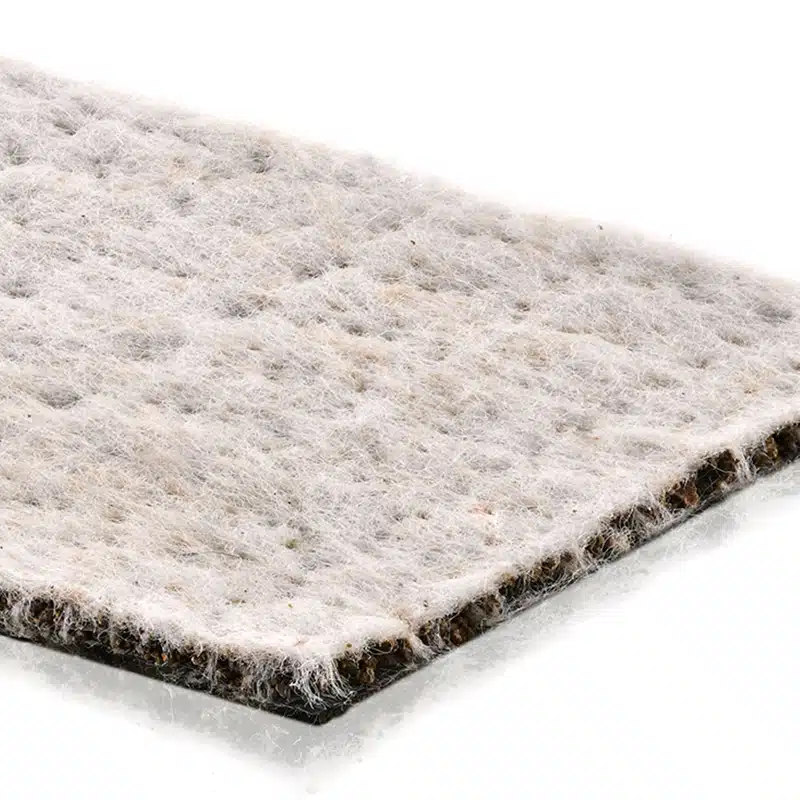
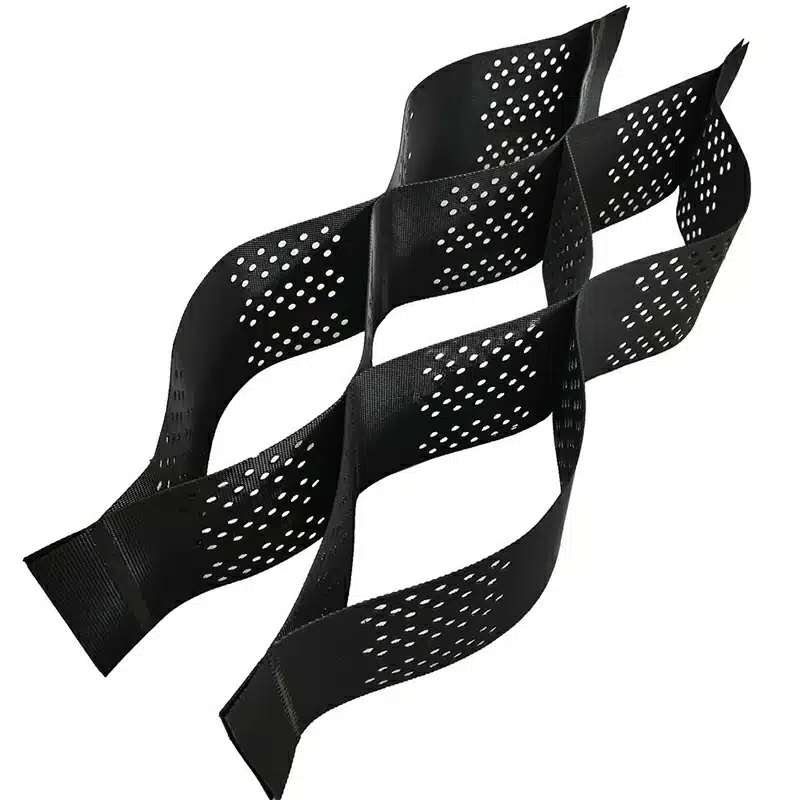
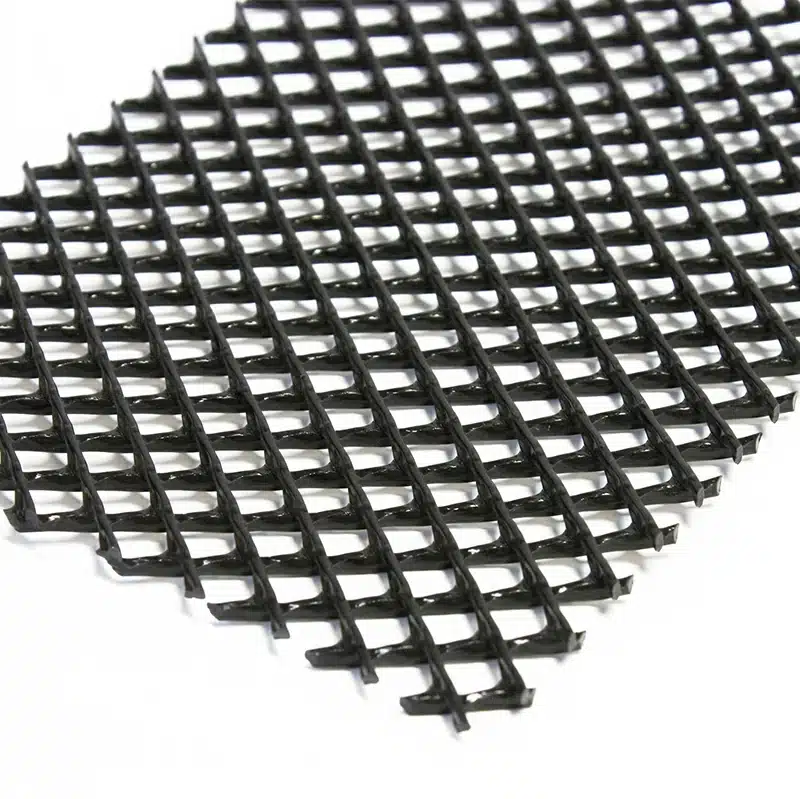
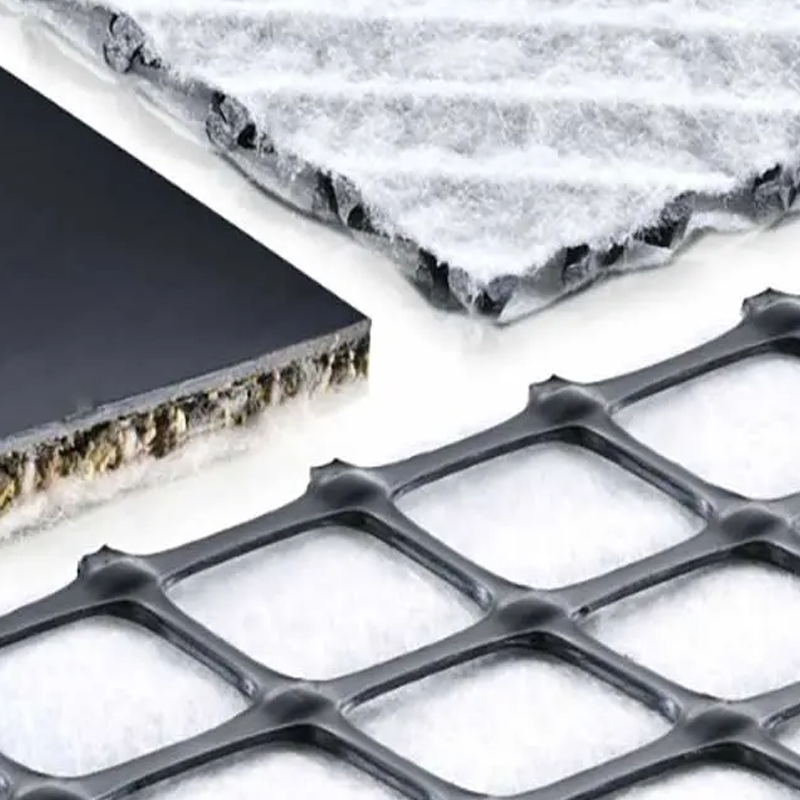
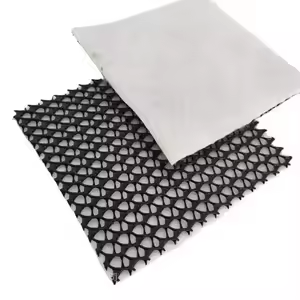
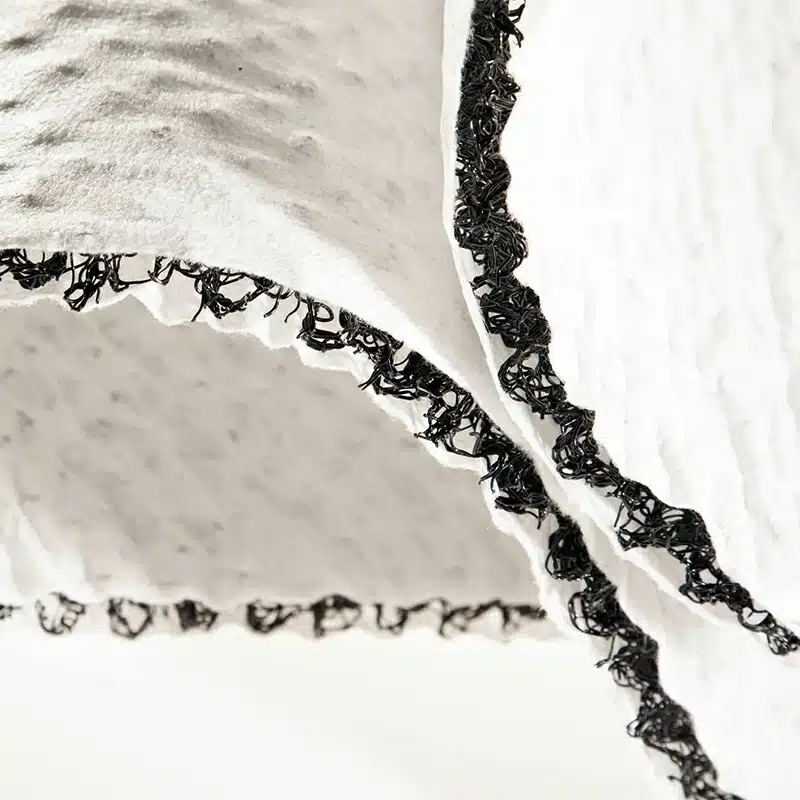
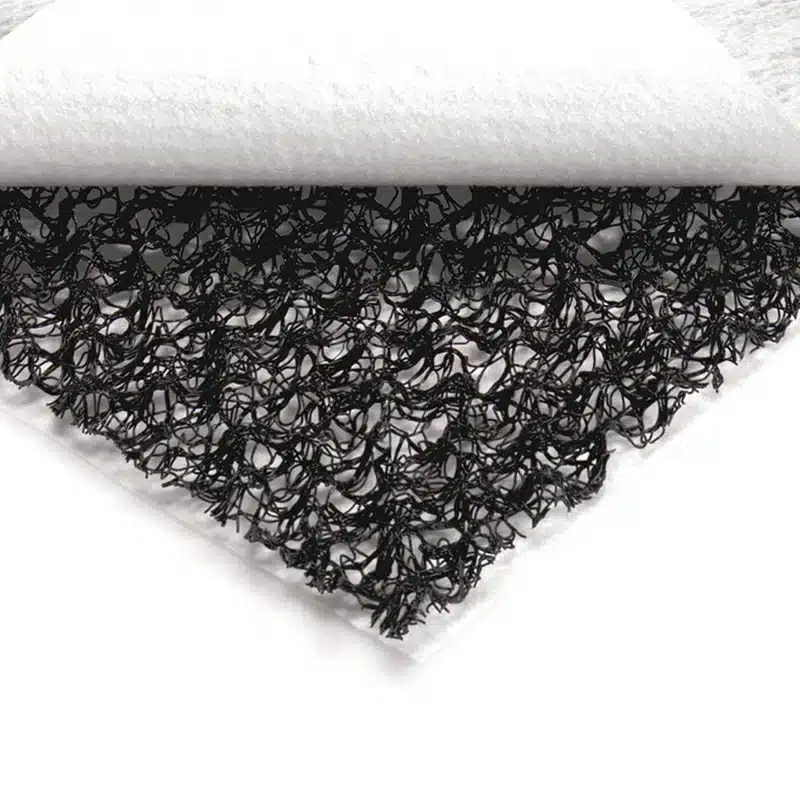
A geocomposite drainage system typically combines a high-flow polymer core with one or two geotextile filter layers. Water passes through the geotextile while soil particles are retained, allowing the drainage core to convey collected water toward an outlet.
Compared with conventional gravel drainage, this structure provides high in-plane flow capacity within a relatively thin layer. Rolls are also easier to transport, handle, and install, which can reduce excavation and aggregate requirements on large civil engineering projects.
Buyers evaluating drainage composite geotextile systems should consider hydraulic performance together with filtration properties rather than selecting a product based only on thickness.
Drainage Composite for Roads and Transportation Infrastructure
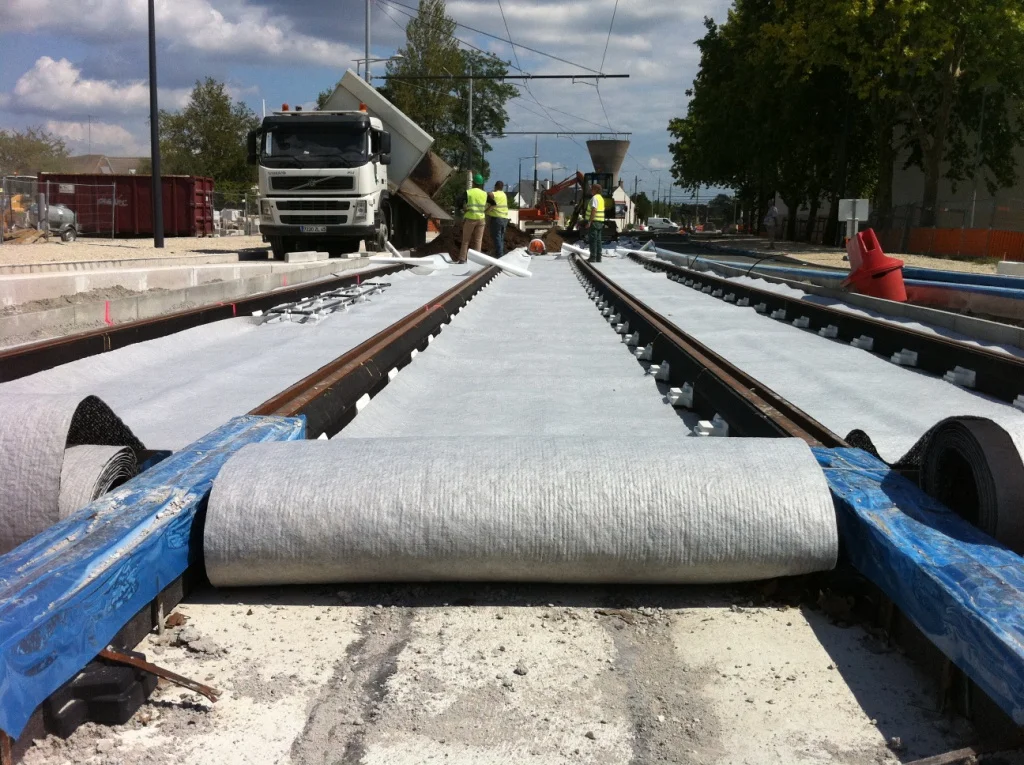
Road bases, embankments, bridge approaches, and other transportation structures can experience performance problems when subsurface water remains trapped within soil or aggregate layers.
Geosynthetic water-management layers provide a continuous path for infiltrating water. They guide moisture away from critical pavement and subgrade areas. This helps create more stable conditions beneath the road structure.
Because geocomposite products are supplied in rolls, installation can also require less material handling than conventional aggregate drainage layers. This makes them particularly useful where excavation space, construction time, or access for heavy equipment is limited.
For road projects, engineers should evaluate transmissivity under the expected normal load, geotextile filtration characteristics, core structure, roll dimensions, and installation conditions.
For specification planning, see our drainage composite solutions for road construction to compare suitable configurations for transportation applications.
Applications Behind Retaining Walls
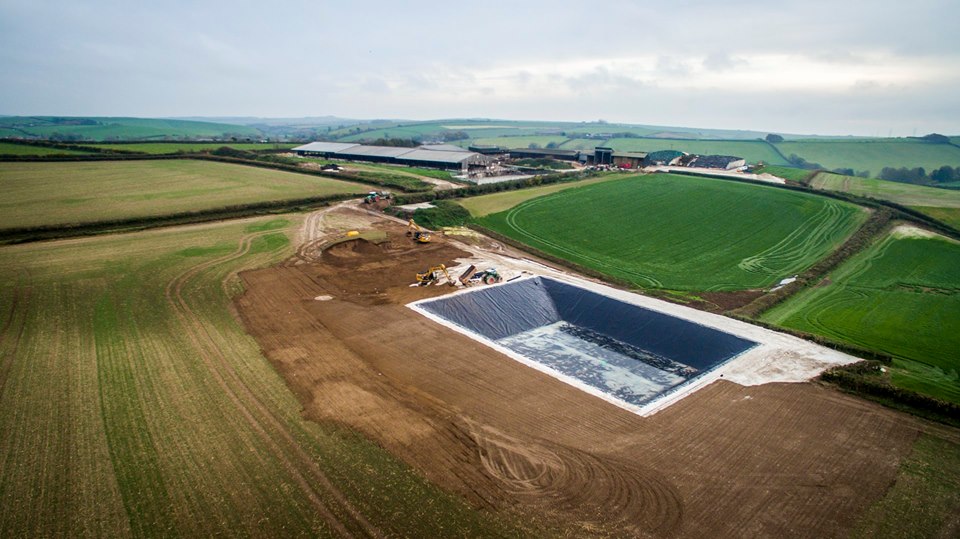
Water accumulating behind a retaining wall can create hydrostatic pressure against the structure. A properly designed drainage layer provides a pathway for this water to move toward drainage pipes or designated outlets.
A geosynthetic layer installed behind the wall helps direct water toward pipes or designated outlets. The geotextile retains soil particles while allowing water to enter the internal flow channels. This combination helps maintain a clear route for water along the wall surface.
Compared with placing a thick layer of drainage aggregate, rolls can be faster to position and require considerably less space. This can be valuable on projects with restricted excavation zones or demanding construction schedules.
Selection should account for normal pressure, required flow capacity, soil characteristics, wall height, drainage outlet design, and anticipated installation conditions.
Project buyers can review drainage composite systems for retaining walls when determining the appropriate core and geotextile combination.
Key Specifications Before Purchasing
A product should not be selected solely by roll price or nominal thickness. Technical performance must correspond to actual project conditions.
Important purchasing parameters include:
- Transmissivity and required flow capacity
- Normal pressure during service
- Drainage core thickness and structure
- Geotextile permittivity and apparent opening size
- Tensile and puncture properties
- Polymer type
- Roll width and length
- Required testing standards
For buried or heavily loaded applications, performance under design pressure is particularly important because compression of the drainage core can influence long-term flow capacity.
Reviewing these parameters before ordering helps avoid overspecification while ensuring that the selected product satisfies project requirements.
Get the Right Specification for Your Project
Geofantex supplies geocomposite drainage materials for roads, retaining walls, landfills, foundations, tunnels, landscaping, and other civil engineering applications.
Different core structures, geotextile configurations, roll dimensions, and performance levels can be supplied according to project specifications. Technical data and relevant test information can also be provided for engineering and procurement review.
To obtain an accurate recommendation, send your application, required flow capacity or technical specification, roll dimensions, estimated quantity, and destination.
Explore drainage composite products for civil engineering projects or contact Geofantex with your project requirements to receive a suitable product recommendation and quotation.
Get Free Sample
We’ll respond as soon as possible(within 12 hours)