

+86-159 9860 6917
info@geofantex.com
geofantex@gmail.com
+86-400-8266163-44899
A geonet solution provides effective in-plane drainage for landfills, mining facilities, retaining walls, and environmental containment projects. For contractors, importers, and engineering procurement teams, selecting the right HDPE geonet requires evaluating hydraulic performance, compressive behavior, roll dimensions, and installation conditions. Understanding these factors helps buyers compare specifications, reduce purchasing risks, and select drainage materials that meet project requirements.
How to Select a Geonet Solution for Your Project
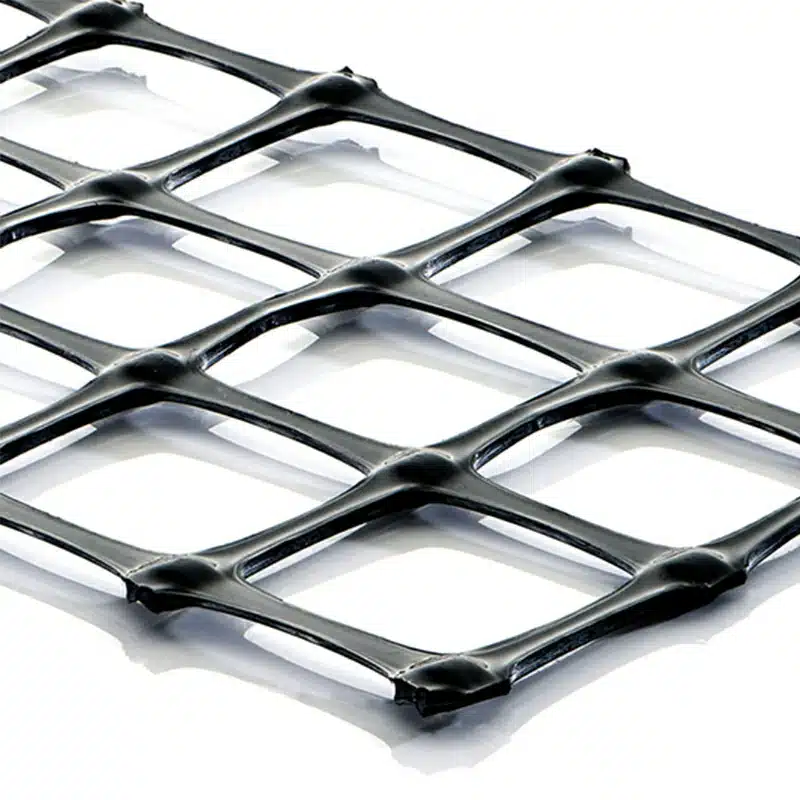
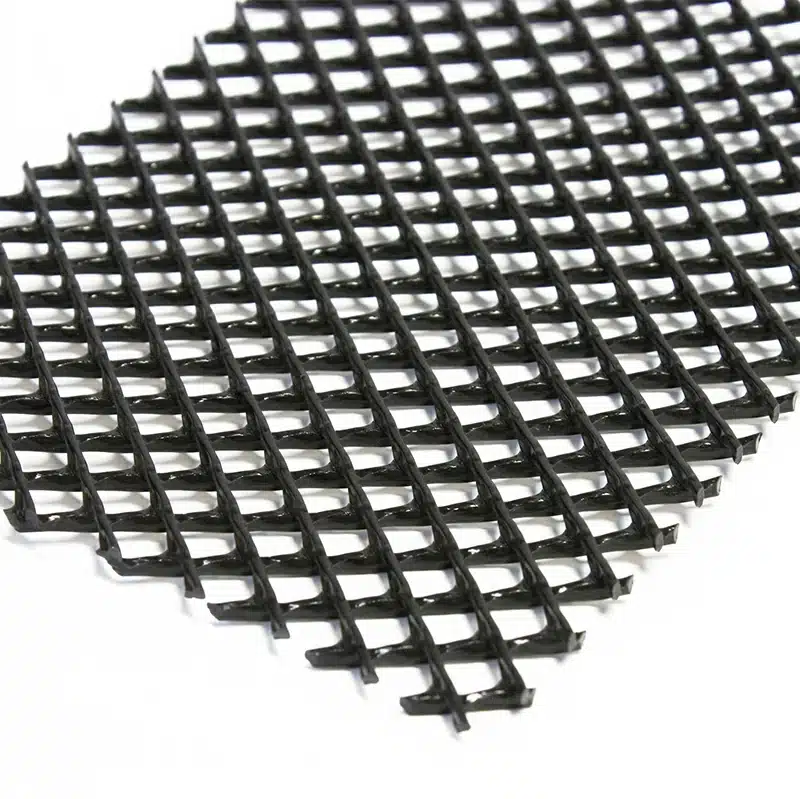
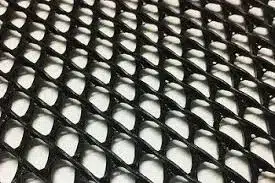
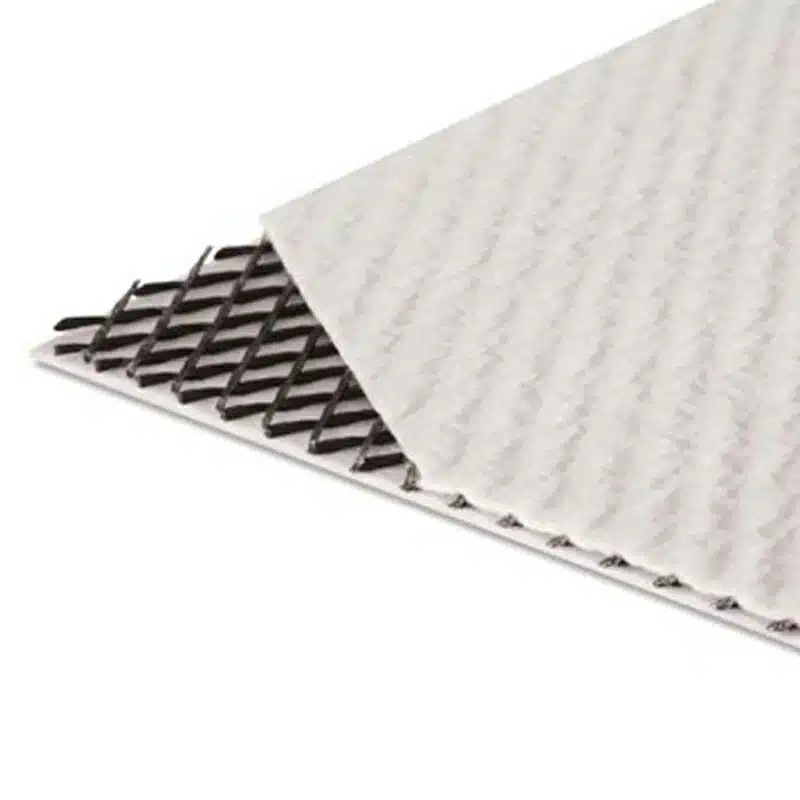
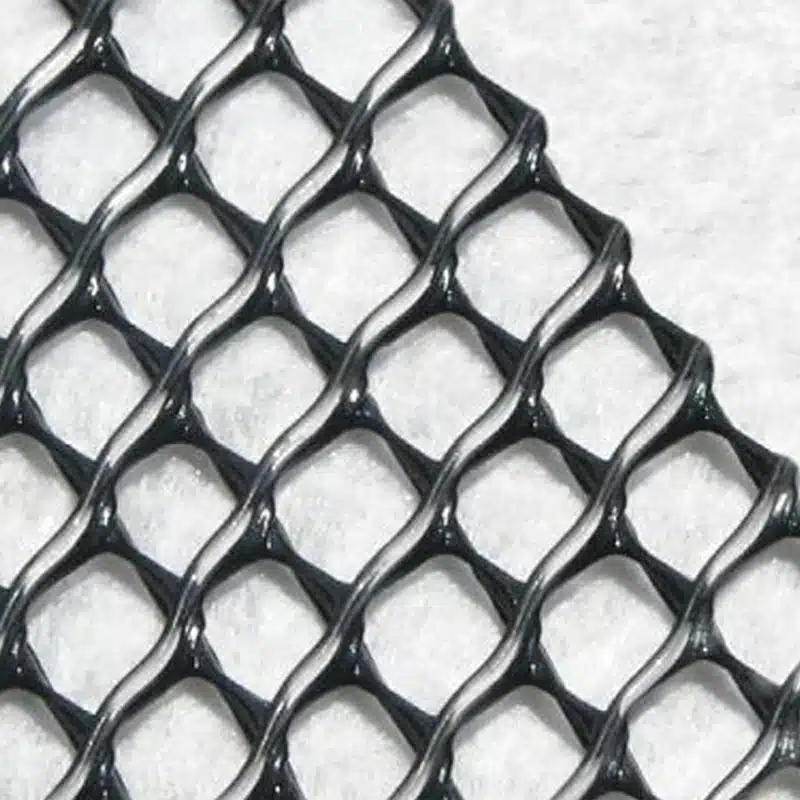
Geonets are polymeric drainage materials manufactured with interconnected ribs that form channels for liquid or gas flow. HDPE is commonly used because of its chemical resistance and suitability for demanding drainage environments.
Buyers should evaluate the following specifications before selecting a product:
- Material: HDPE grade, chemical compatibility, and durability requirements.
- Thickness: Nominal core thickness and its relationship to drainage performance.
- Transmissivity: In-plane flow capacity under specified hydraulic gradients and normal stresses.
- Compressive behavior: Ability to maintain drainage channels under sustained loading.
- Structure: Biplanar or triplanar rib configuration.
- Roll dimensions: Width and length suitable for transportation and installation.
For projects involving significant overburden pressure, request transmissivity test results under representative loading conditions. Review our geonet solution technical specifications and drainage performance options to compare suitable product configurations before purchasing.
Typical Applications in Mining and Landfill Projects
Mining Drainage Systems
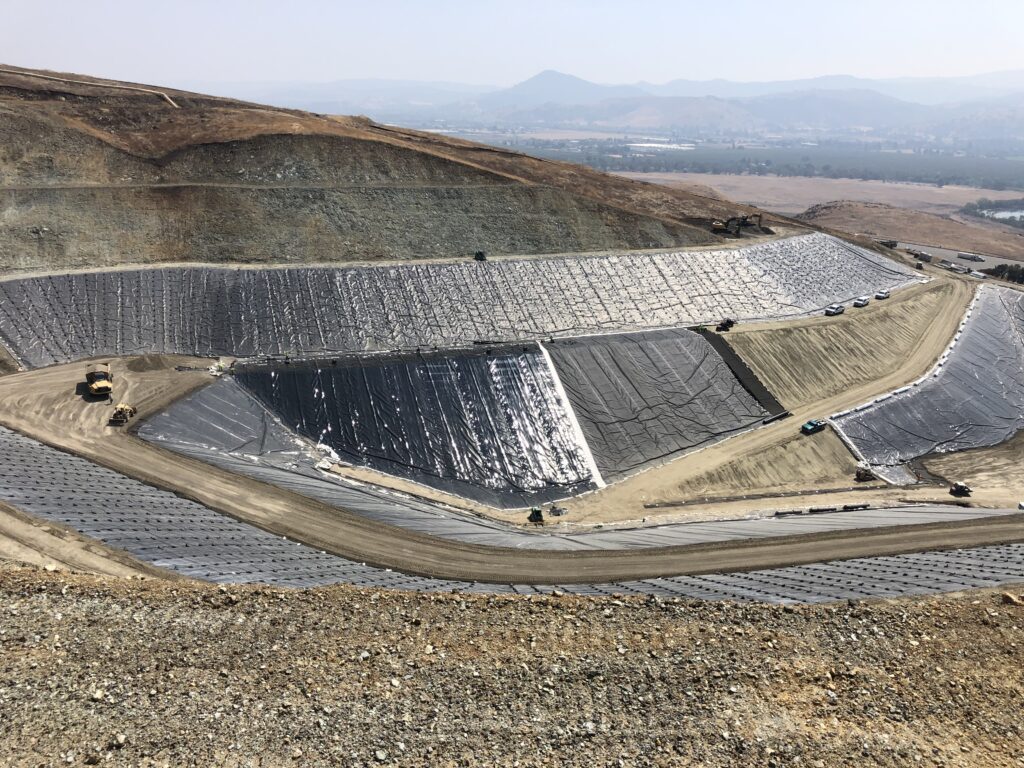
Mining operations often require drainage layers for heap leach facilities, containment systems, and liquid collection applications.
HDPE geonets can provide drainage pathways within properly designed liner systems. Their suitability depends on expected loading, fluid composition, hydraulic gradient, and compatibility with adjacent materials.
For mining projects, buyers should prioritize chemical resistance, verified flow performance, and long-term compressive behavior.
Landfill Leachate Collection
Landfill facilities require reliable drainage to collect and convey leachate to designated collection systems.
A geonet solution may be incorporated into landfill liner or cover systems where engineered drainage capacity is required.
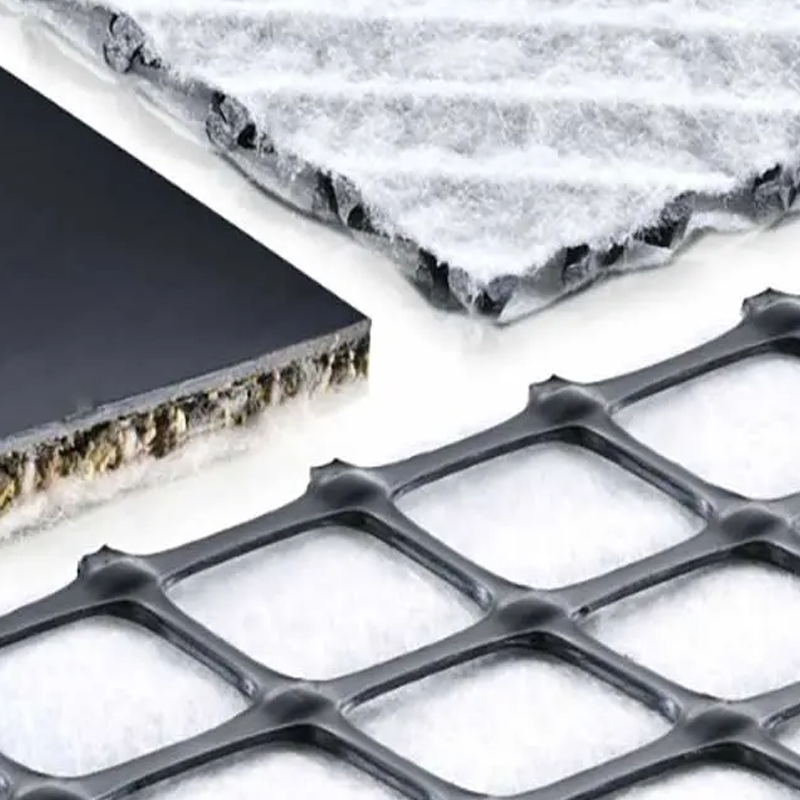
Geonets combined with geotextiles can provide both drainage and filtration functions. However, buyers must verify geotextile compatibility, potential clogging risks, and long-term flow performance.
The selected product should meet applicable engineering design criteria and environmental regulations.
Comparing Biplanar and Triplanar Geonets
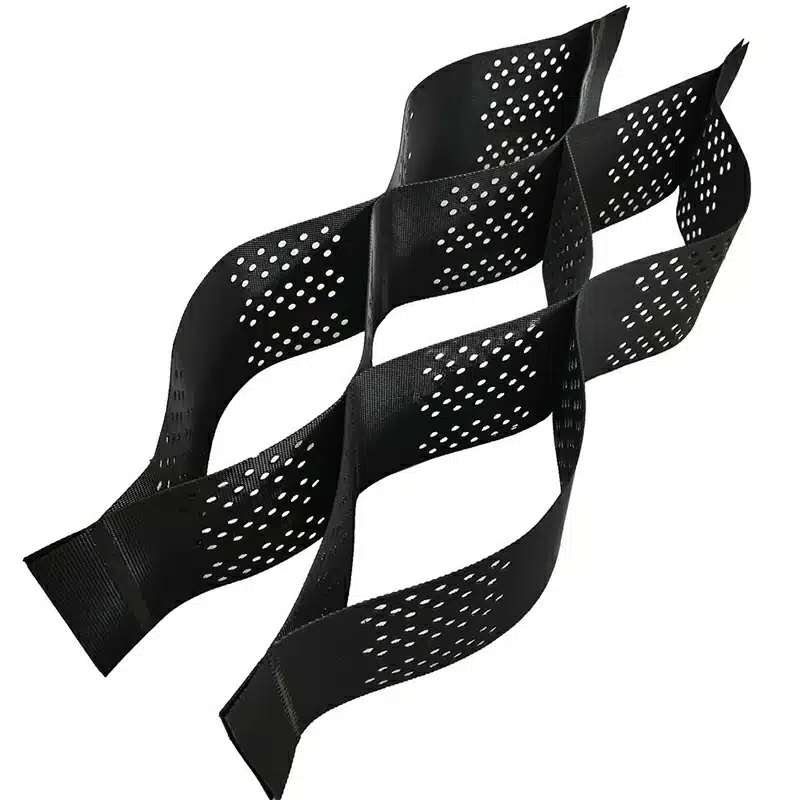
Biplanar geonets typically feature two intersecting sets of ribs, while triplanar products incorporate three sets of ribs. Both configurations can support drainage applications, but their performance varies depending on rib geometry, material properties, loading conditions, and manufacturing design.
Biplanar products may provide a cost-effective option for projects with moderate drainage requirements. Triplanar products may offer advantages in maintaining drainage capacity under certain loading conditions, provided those advantages are supported by test data.
Buyers should compare products tested under equivalent conditions rather than assuming that one configuration always provides superior performance. Explore our geonet solution selection guide for biplanar and triplanar drainage systems when evaluating different drainage core designs.
What Affects Geonet Pricing and Order Quantity?
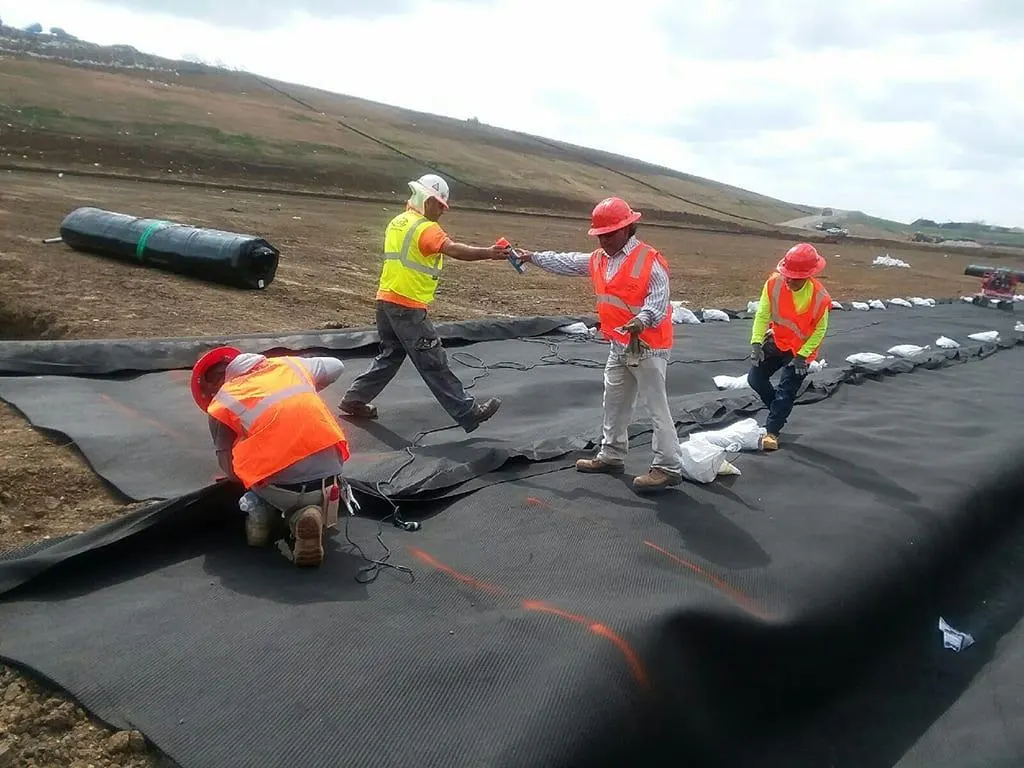
Geonet pricing depends on material specifications, thickness, structural configuration, roll dimensions, and order volume. Geocomposite products incorporating bonded geotextiles may cost more than standalone drainage cores. International purchasing costs also depend on packaging, freight arrangements, delivery destinations, and agreed shipping terms.
To calculate order quantities, buyers should determine the required coverage area and account for installation overlaps, cutting losses, and project-specific allowances. Requesting quotations based on identical technical specifications helps ensure meaningful supplier comparisons.
What to Confirm Before Ordering
Before placing a bulk order, prepare a purchasing checklist covering:
- Project application and installation environment.
- Required material type and drainage core configuration.
- Thickness, transmissivity, and compressive performance requirements.
- Geotextile bonding requirements, where applicable.
- Roll width, roll length, and total order quantity.
- Technical data sheets and relevant laboratory test reports.
- Packaging requirements, delivery schedule, and shipping destination.
Where possible, request samples or supporting quality documentation before confirming large-volume purchases.
Request a Geonet Solution Quotation from Geofantex
Geofantex supports engineering contractors, construction companies, importers, and distributors sourcing geosynthetic drainage materials for infrastructure and environmental projects.
Our geonet solution product options for mining and landfill drainage applications can help purchasing teams identify configurations suited to their technical and logistical requirements.
To receive a tailored quotation, contact Geofantex with your project specifications, required quantity, intended application, and delivery destination. Providing these details helps our team evaluate suitable materials and prepare a quotation aligned with your purchasing needs.
Get Free Sample
We’ll respond as soon as possible(within 12 hours)