

+86-159 9860 6917
info@geofantex.com
geofantex@gmail.com
+86-400-8266163-44899
What is geonet is an important question for buyers selecting drainage materials for reservoirs, retaining walls, landfills, and other civil engineering projects. Geonets provide in-plane drainage through a structured polymer core and can be combined with geotextiles to form drainage geocomposites. Understanding their structure, performance, and applications helps procurement teams choose specifications that match project requirements.
What Is Geonet and How Does It Work?
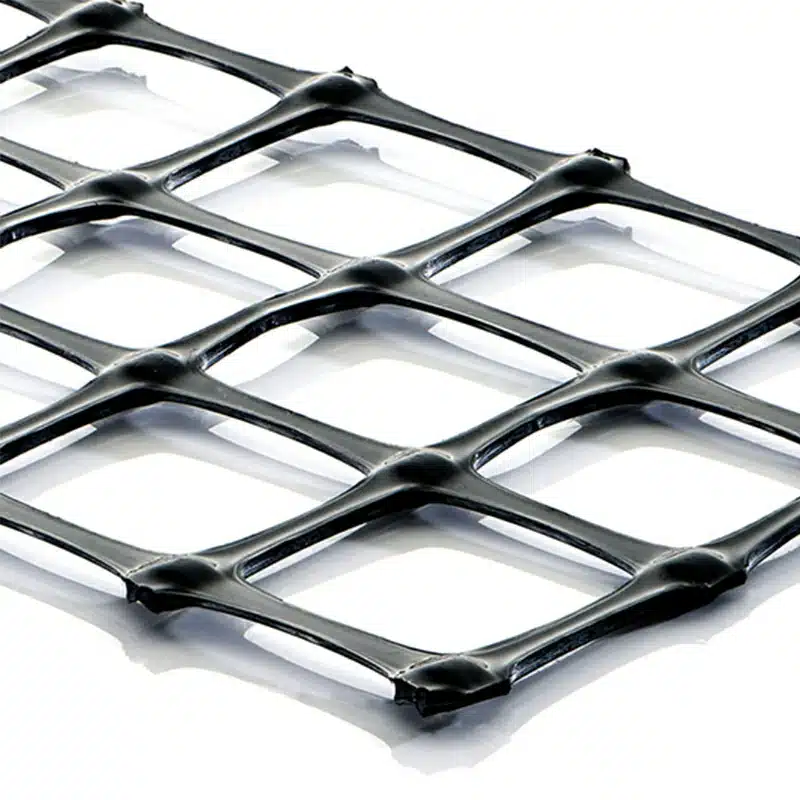
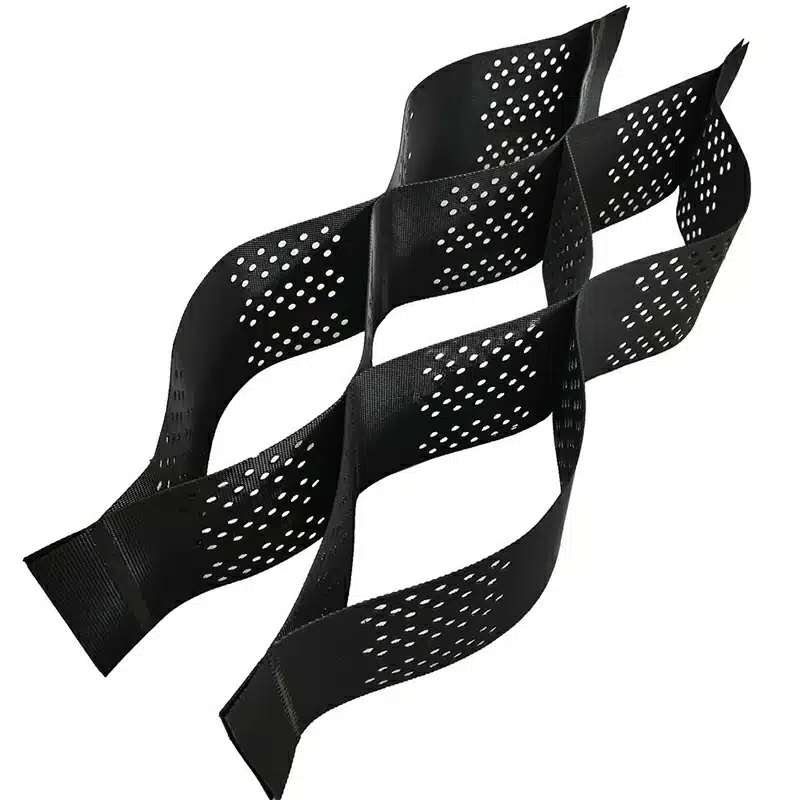
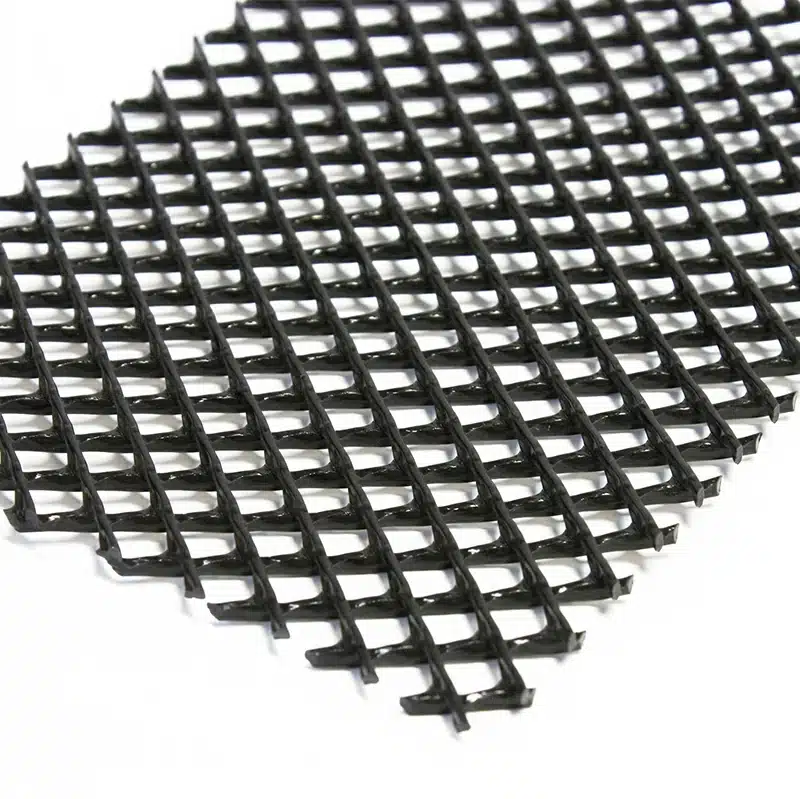
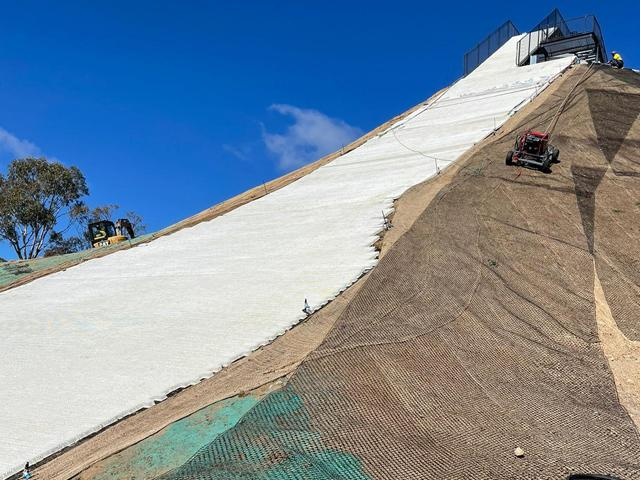
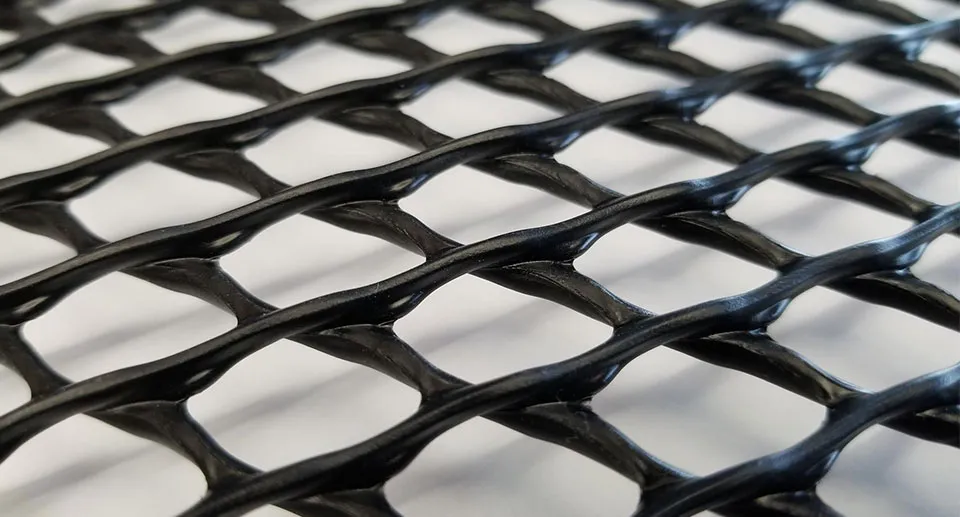
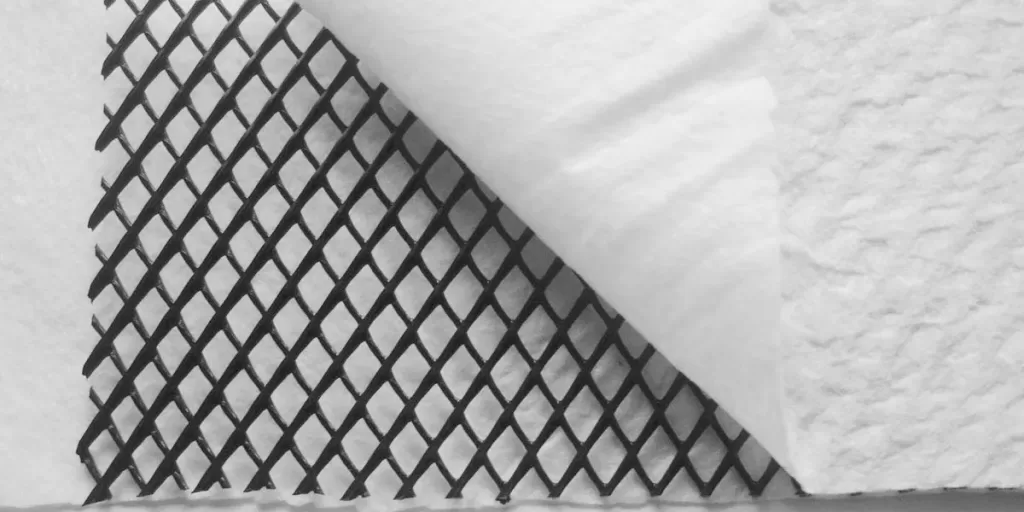
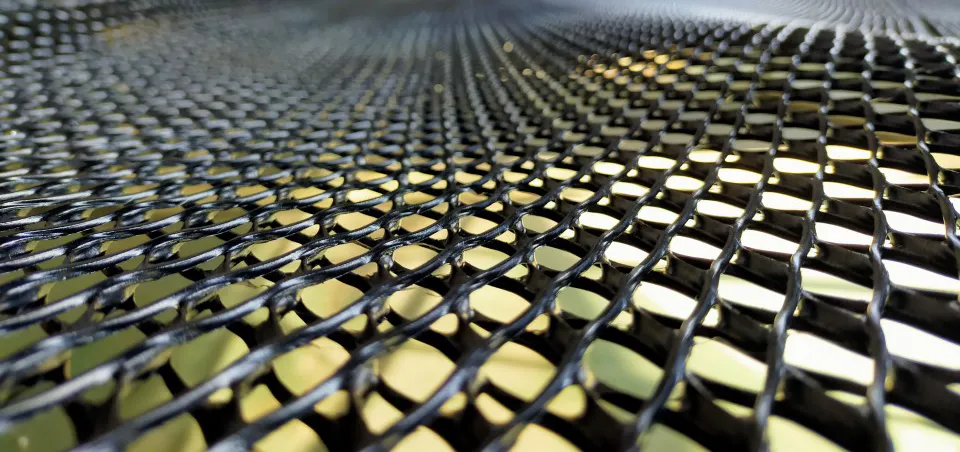
A geonet is a geosynthetic drainage material typically manufactured from high-density polyethylene (HDPE). Its intersecting ribs create continuous channels that allow liquids or gases to move within the plane of the material.
Unlike conventional gravel drainage layers, geonets can provide drainage functionality with significantly less material thickness. Their roll format also makes transportation, storage, and installation practical for large engineering projects.
Transmissivity is one of the most important performance parameters. It describes the material’s ability to transmit fluid under specified hydraulic and loading conditions.
For buyers comparing specifications, what is geonet drainage performance is a useful topic to review before selecting products based solely on thickness or unit price.
Key Geonet Applications in Civil Engineering
Geonets are used where reliable in-plane drainage is required. Typical applications include reservoir systems, retaining walls, landfill liners and covers, mining facilities, foundations, tunnels, and other environmental or infrastructure projects.
In reservoir engineering, drainage geocomposites may be incorporated into lining systems to help manage water and provide drainage behind or beneath selected layers. The final configuration depends on hydraulic conditions, liner design, loading, and project specifications.
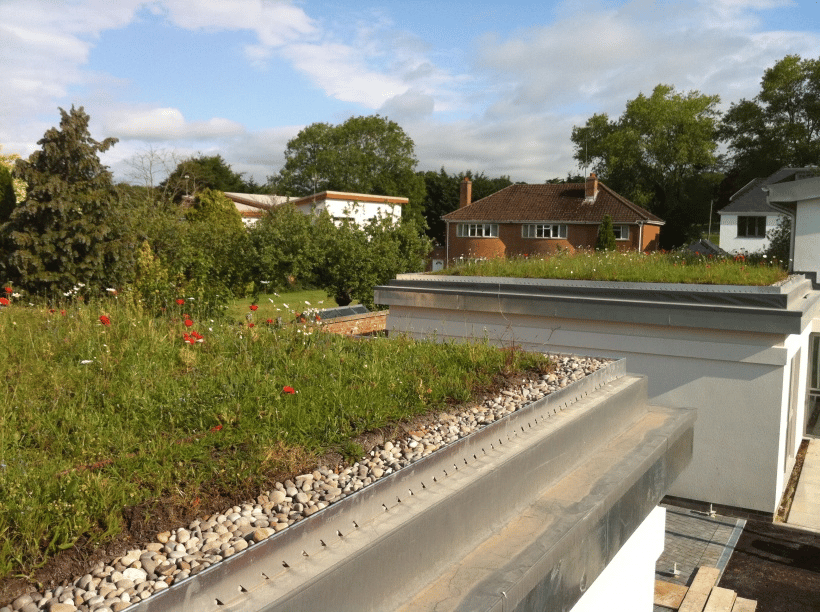
Behind retaining walls, drainage is essential for controlling water accumulation and hydrostatic pressure. A geonet or geocomposite drainage layer can provide a continuous pathway for water while occupying less space than some conventional aggregate drainage systems.
For project-specific selection, buyers can review what is geonet for reservoir and retaining wall drainage when comparing drainage configurations and required performance.
What Is Geonet Compared with Drainage Geocomposite?
Although the terms are sometimes used interchangeably during procurement, geonets and drainage geocomposites are not the same.
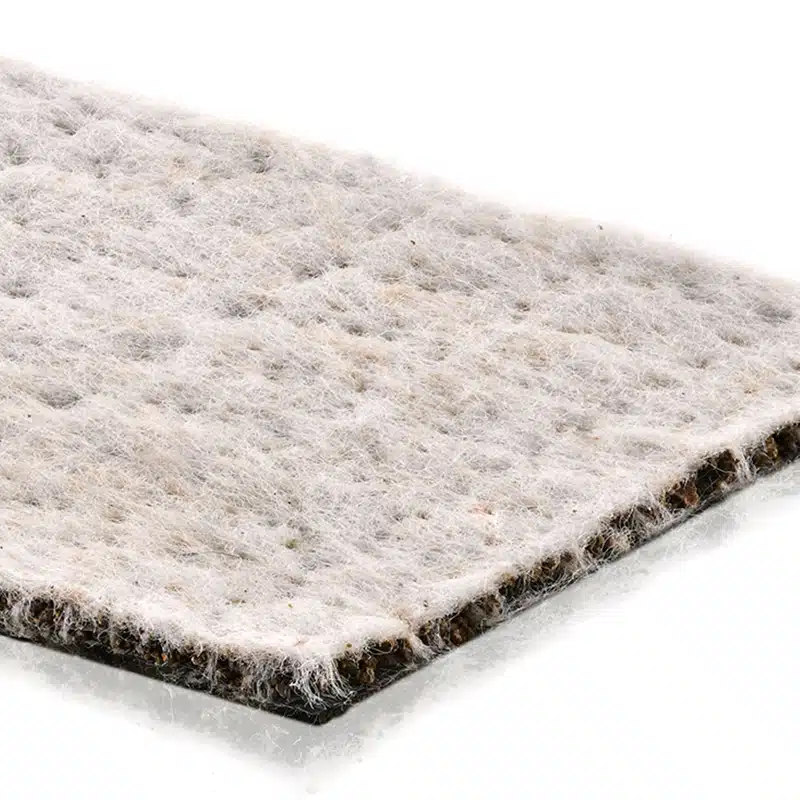
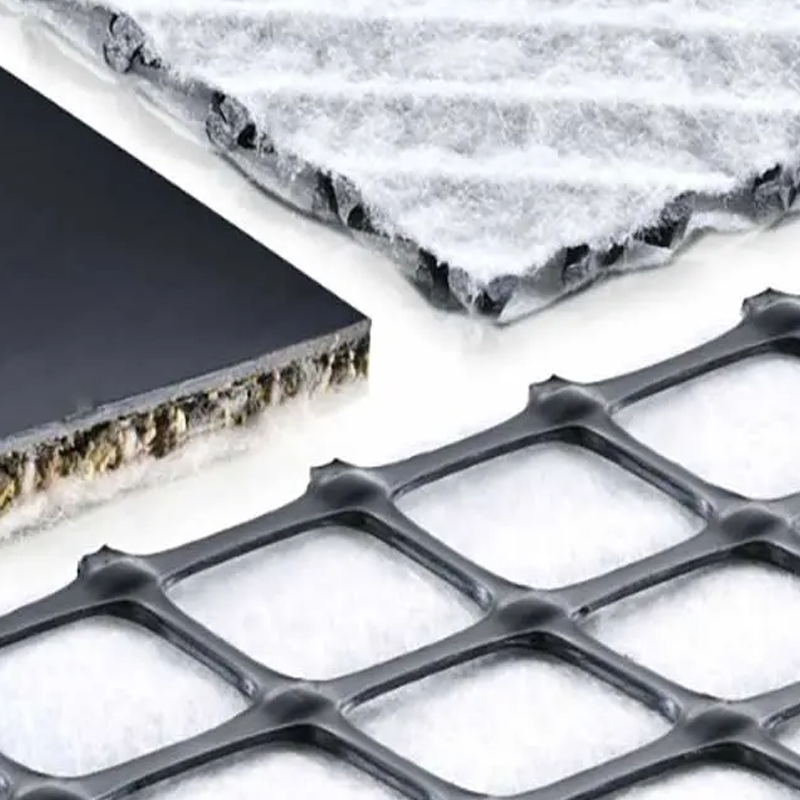
A geonet primarily functions as a drainage core. A drainage geocomposite normally combines this core with one or two geotextile layers. The geotextile provides filtration and separation, while the core creates channels for water movement.
This distinction matters when the product is installed against soil. Without appropriate filtration, fine particles may migrate toward the drainage core and potentially affect long-term hydraulic performance.
For this reason, engineers should consider filtration requirements before deciding between a standalone drainage core and a complete geocomposite.
Key Specifications Buyers Should Check
Base geonet selection on engineering conditions rather than price alone. Buyers should review:
- Transmissivity and required flow capacity
- Core thickness and structure
- Compressive strength
- Polymer type
- Normal loading conditions
- Hydraulic gradient
- Geotextile filtration properties
- Roll width and length
- Chemical and environmental exposure
- Applicable testing standards
The relationship between loading and drainage performance is particularly important. A drainage product that performs well under low pressure may behave differently under sustained normal loads.
The what is geonet specification and selection guide can therefore serve as a useful reference point when communicating technical requirements with a manufacturer.
Why Geonets Are Used in Modern Drainage Systems
Modern infrastructure projects increasingly require drainage systems that combine hydraulic performance with installation efficiency. Geonets can reduce dependence on bulky granular drainage materials while providing a factory-manufactured drainage structure.
Their roll format can also simplify transportation and deployment across large areas. When combined with geotextiles or other geosynthetics, they can become part of an integrated system providing drainage, filtration, separation, and protection.
For contractors and distributors asking what is geonet before sourcing, the key is to match product properties with actual project conditions rather than selecting a generic specification.
Geofantex supplies geonet and geocomposite drainage solutions for reservoir, retaining wall, landfill, mining, and infrastructure projects. Buyers can provide application details, required performance, dimensions, quantity, destination, and technical standards for product evaluation and quotation.
Contact Geofantex for technical recommendations, project-specific specifications, bulk supply options, and a quotation.
Get Free Sample
We’ll respond as soon as possible(within 12 hours)