

+86-159 9860 6917
info@geofantex.com
geofantex@gmail.com
+86-400-8266163-44899
Geotextile for soil stabilization helps contractors and engineers maintain road base integrity over weak, moisture-sensitive subgrades. Selecting the right woven or nonwoven geotextile can reduce aggregate contamination, support filtration, and improve construction efficiency. This engineering application analysis explains practical selection criteria, installation requirements, and expected performance to help project teams specify suitable geotextiles and request accurate supplier quotations.
Engineering Challenges in Weak Road Subgrades
Road construction over soft or saturated soils presents significant challenges. Repeated vehicle loading can cause rutting, aggregate penetration, and deformation when the underlying soil lacks sufficient bearing capacity.
Without an effective separation layer, fine soil particles may migrate into the granular base, compromising its structural function and increasing aggregate consumption.
These problems are particularly relevant to construction access roads, temporary haul roads, and low-volume roads exposed to seasonal moisture changes.
For these applications, geotextile for soil stabilization provides a practical separation solution that helps maintain the integrity of the aggregate layer. However, adequate aggregate thickness and subgrade bearing capacity remain essential.
Project Conditions and Geotechnical Requirements
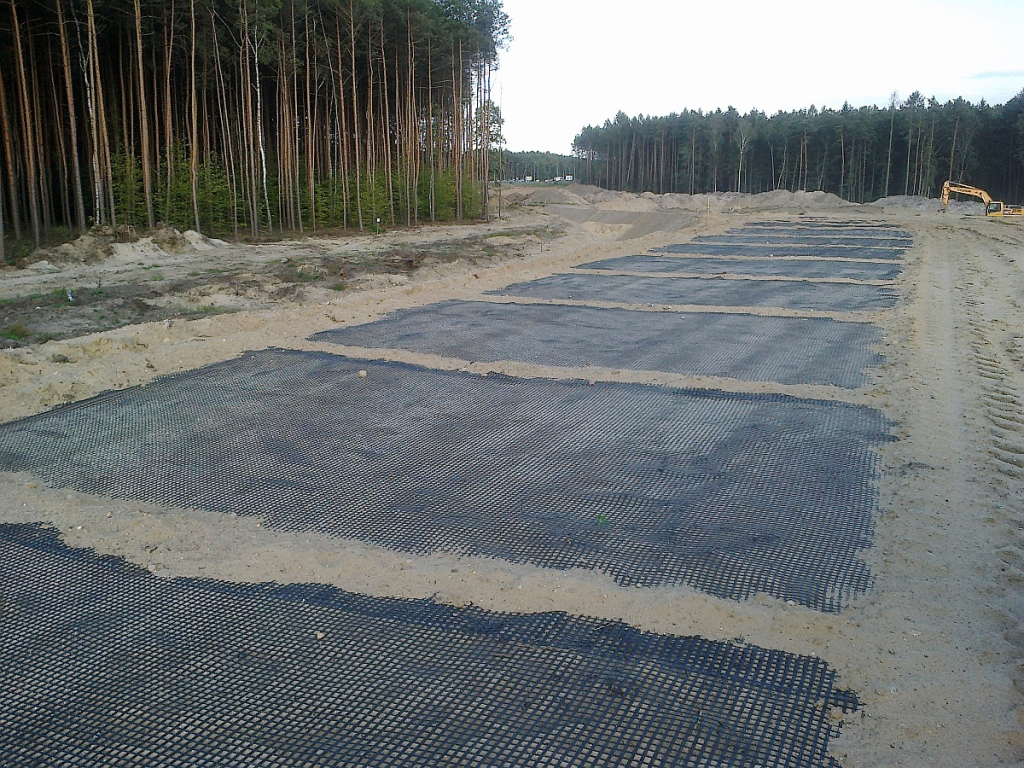
Consider a representative access road constructed over soft, fine-grained soil subject to seasonal saturation.
The project requires a stable construction platform capable of supporting repeated vehicle movements without excessive deformation.
Key design considerations include subgrade strength, soil gradation, groundwater conditions, anticipated traffic loads, and aggregate characteristics.
Before selecting a geotextile, engineers should evaluate whether the primary requirement is separation, filtration, reinforcement, or a combination of these functions.
A geotextile alone cannot compensate for inadequate structural design. Additional aggregate, drainage improvements, or ground reinforcement may be necessary.
Geotextile for Soil Stabilization: Material Selection
Woven and nonwoven geotextiles offer different mechanical and hydraulic characteristics.
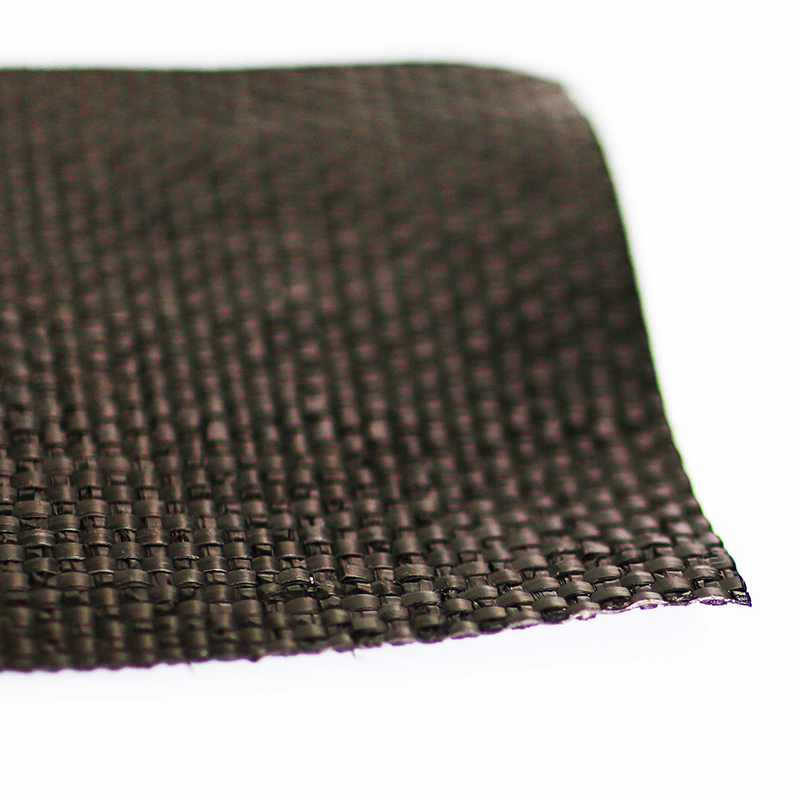
Woven geotextiles are commonly considered for road applications requiring separation and, potentially, tensile reinforcement. Selection should account for tensile strength, stiffness, puncture resistance, and hydraulic compatibility.
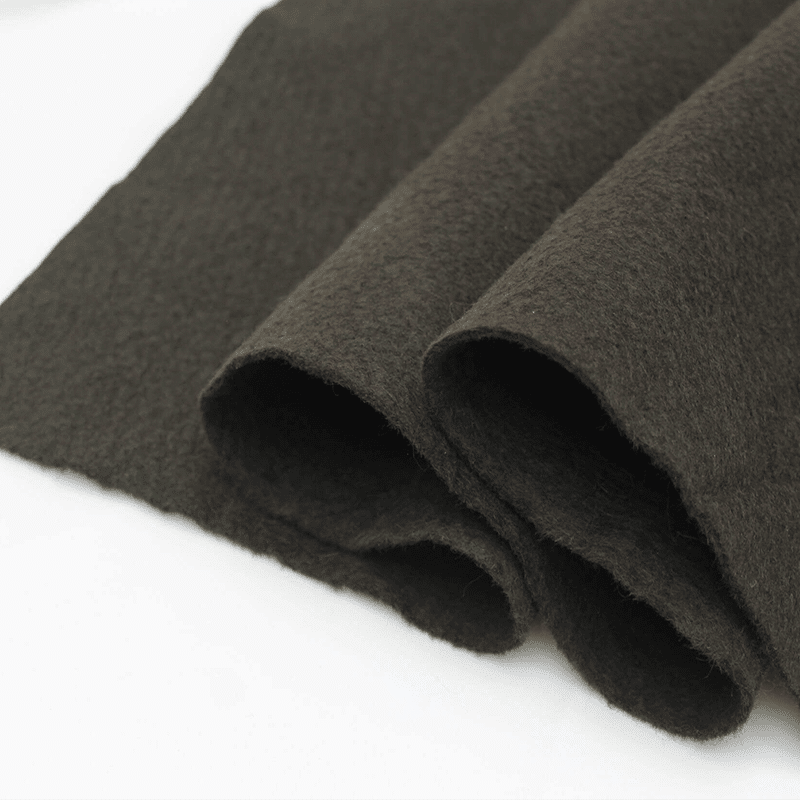
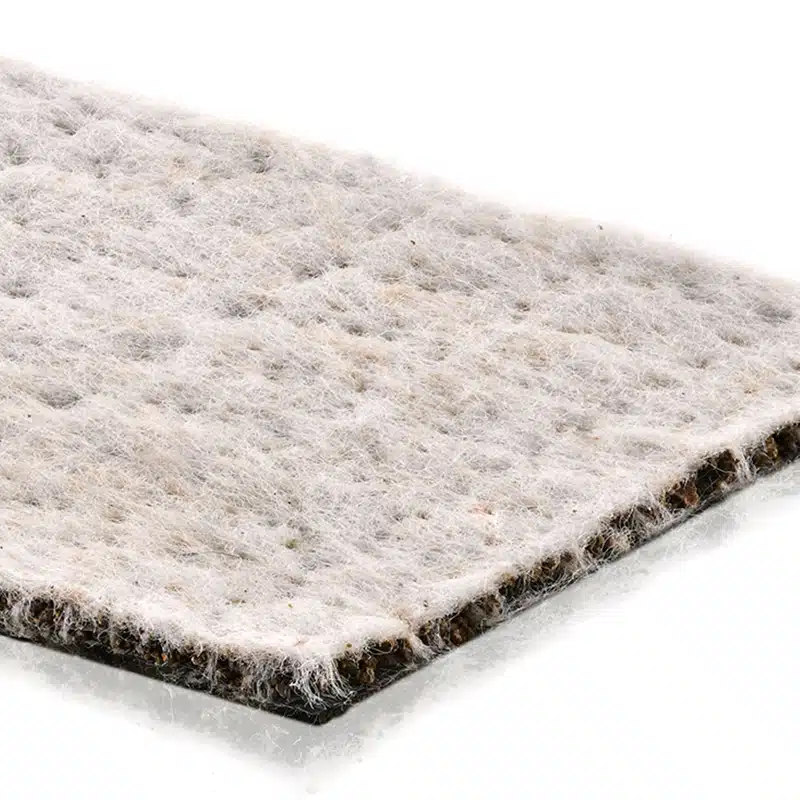
Nonwoven geotextiles are frequently used where separation and filtration are important. Their permeability and soil-retention characteristics must be compatible with the surrounding soil conditions.
The selection process should consider:
- Tensile strength and stiffness under expected loading
- Puncture resistance against angular aggregates
- Apparent opening size and soil retention
- Permittivity and hydraulic compatibility
- Installation survivability and durability
Engineers evaluating geotextile for soil stabilization product specifications should verify the relevant material properties against project requirements and applicable standards, including AASHTO M 288, where appropriate.
Installation Practices for Road Construction
Proper installation is essential to achieving the intended geotextile performance.
First, the subgrade should be prepared by removing sharp objects and minimizing surface irregularities without unnecessarily disturbing weak soil.
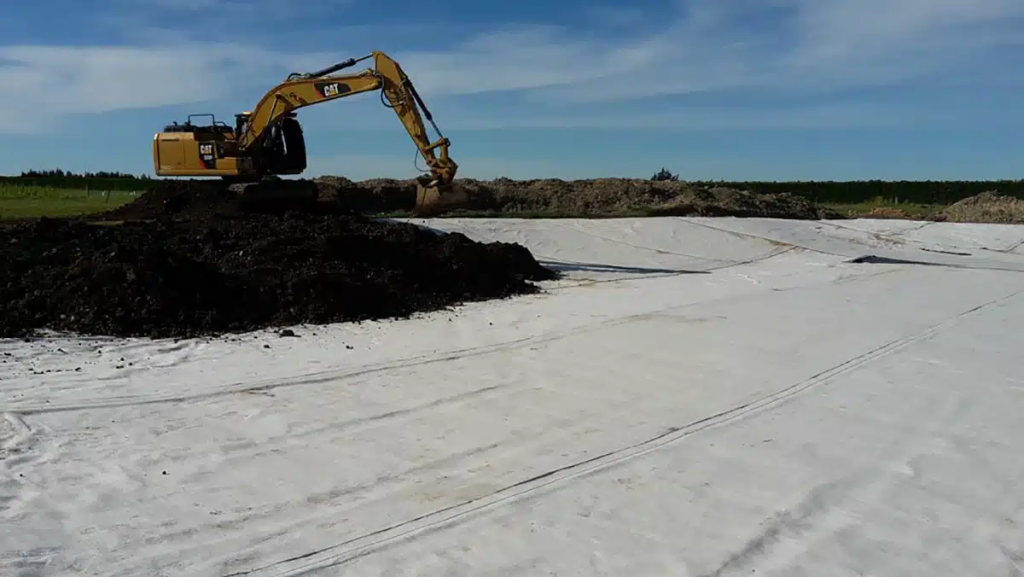
Next, the geotextile should be unrolled across the prepared surface with appropriate overlaps or engineered seams. Wrinkles, excessive tension, and displacement should be avoided.
Aggregate should then be placed carefully over the geotextile. Construction equipment should generally operate on previously placed aggregate rather than directly on the exposed fabric.
The initial aggregate layer must be thick enough to provide adequate protection and accommodate the underlying soil conditions.
For contractors reviewing geotextile for soil stabilization installation requirements, particular attention should be given to overlap integrity, aggregate placement, compaction procedures, and inspection for damaged areas.
Geotextile for Soil Stabilization: Expected Performance
The principal engineering benefit is maintaining separation between the fine-grained subgrade and the granular road base.
By limiting soil-aggregate intermixing, the geotextile helps preserve the intended thickness and mechanical characteristics of the aggregate layer.
Where hydraulic compatibility is properly established, permeable geotextiles can also facilitate water movement while retaining soil particles.
Some woven geotextiles may provide tensile reinforcement when their stiffness, anchorage, and deformation conditions allow tensile resistance to develop.
These functions can help reduce aggregate contamination, improve construction platform performance, and limit maintenance associated with material mixing.
However, reductions in aggregate thickness, rutting, or life-cycle costs must be justified through project-specific engineering analysis rather than assumed as universal outcomes.
Engineering Recommendations and Supplier Consultation
Successful road stabilization depends on matching geotextile properties to subgrade conditions, aggregate characteristics, and anticipated loading.
For weak road foundations, specify geotextile for soil stabilization as part of a complete road foundation design rather than a standalone solution for inadequate bearing capacity.
Geofantex supplies woven and nonwoven geotextiles for road construction, separation, filtration, and related civil engineering applications.
For material selection and procurement, project teams can explore Geofantex geotextiles or soil stabilization products and submit the conditions, required material properties, and project specifications to request product recommendations and a quotation.

Get Free Sample
We’ll respond as soon as possible(within 12 hours)