

+86-159 9860 6917
info@geofantex.com
geofantex@gmail.com
+86-400-8266163-44899
Cellular grid systems are a key consideration in geotechnical engineering, especially for landscape reinforcement, embankment stabilization, and infrastructure construction. For engineers, contractors, and procurement teams, selecting an appropriate cellular confinement system requires evaluating soil conditions, material durability, installation methods, and project specifications. Understanding these engineering trends can help buyers identify suitable products and make informed purchasing decisions.
Cellular Grid Trends in Landscape Reinforcement
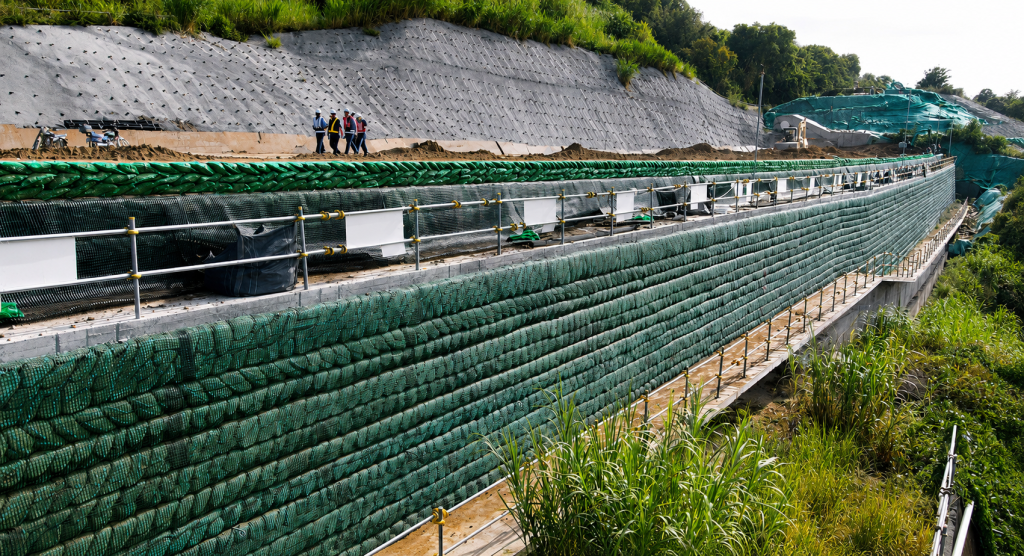
Landscape reinforcement projects increasingly emphasize soil retention, erosion control, and compatibility with vegetation.
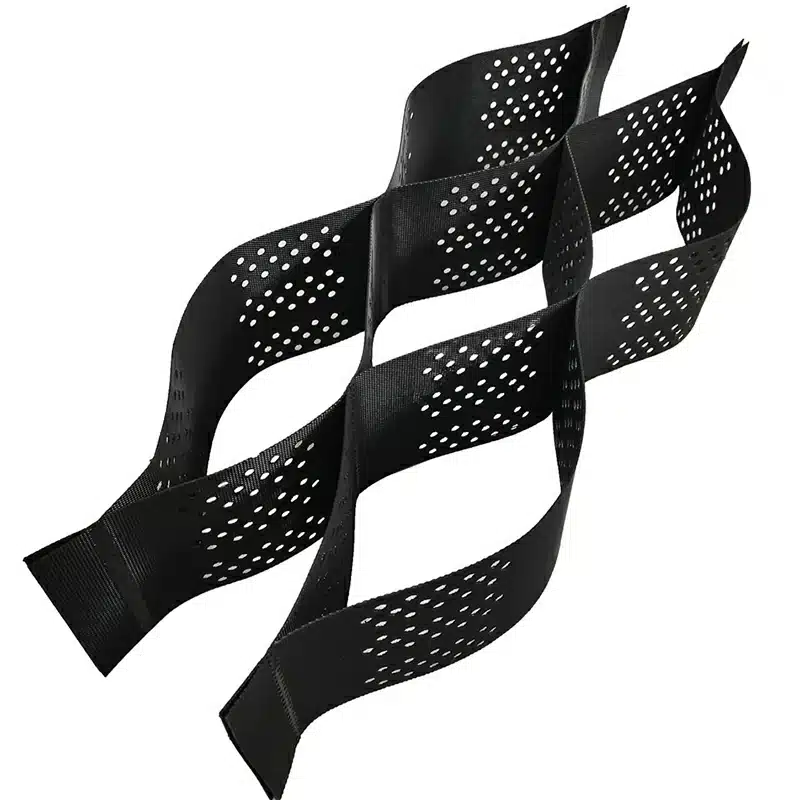
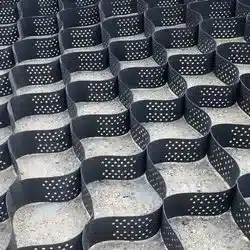
Cellular confinement systems provide a three-dimensional structure that helps retain soil or aggregate within individual cells. This configuration can improve surface stability on landscaped slopes, embankments, and green infrastructure projects. Important engineering considerations include:
- Soil retention: Confinement helps limit the displacement of infill materials.
- Vegetation compatibility: Suitable soil infill can support vegetation establishment.
- Slope protection: Cellular structures can help reduce surface erosion when properly designed.
- Installation flexibility: Expandable panels can accommodate different landscape geometries.
For landscape applications, engineers should evaluate cell depth, panel dimensions, anchoring requirements, and the characteristics of the selected infill.
Buyers comparing cellular grid solutions for landscape reinforcement should also review polymer specifications, seam strength, and installation recommendations.
Cellular Grid Applications in Embankment Engineering
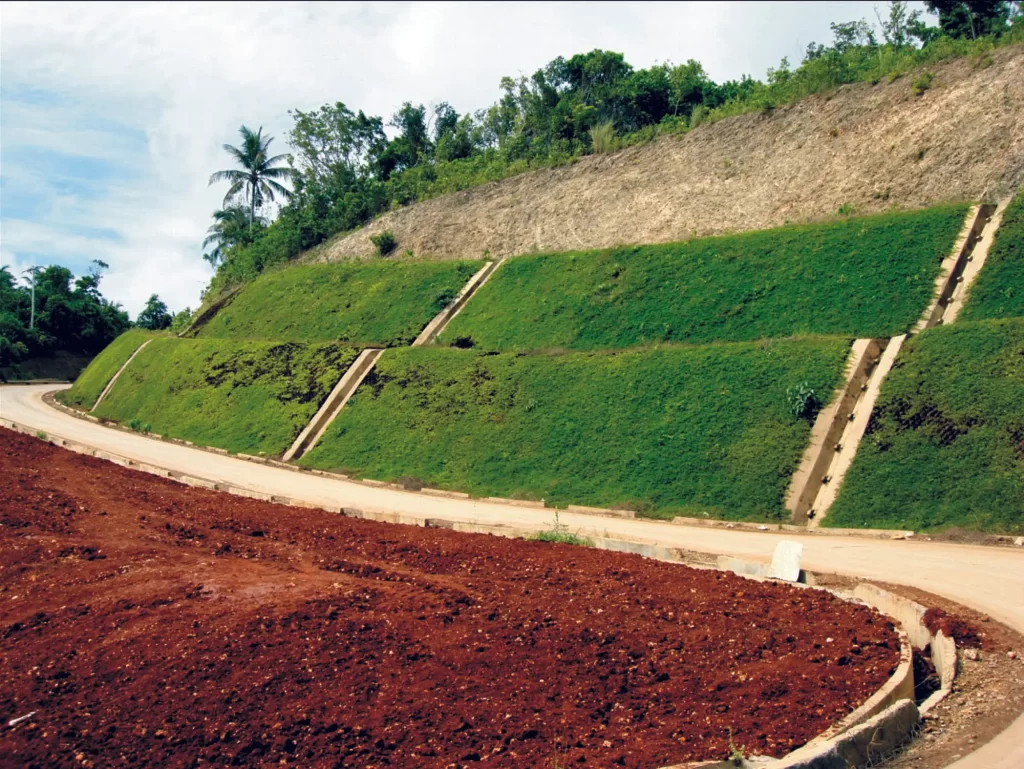
Road embankments and transportation infrastructure require reliable soil reinforcement to withstand applied loads and limit ground deformation. Cellular confinement systems can improve the stability of granular materials by restricting lateral movement and enhancing load distribution.
Their effectiveness depends on subgrade strength, infill properties, reinforcement geometry, and construction quality. Key engineering requirements include:
- Load distribution: Confinement can improve the performance of compacted aggregate layers.
- Subgrade stabilization: Reinforcement may help limit deformation over weak soils.
- Embankment protection: Properly anchored systems can retain surface materials on slopes.
- Construction efficiency: Expandable panels facilitate transportation and on-site installation.
When specifying a cellular grid system for embankment stabilization, engineers should consider traffic loading, cell dimensions, infill selection, and site drainage. These factors directly influence product selection and installation planning.
Material Durability and Product Specifications
Material performance remains a major consideration in geosynthetic procurement. HDPE is commonly used in cellular confinement products because it offers flexibility, resistance to many chemicals, and suitability for welded cellular structures.
However, long-term performance depends on more than polymer type alone. Technical specifications should address strip thickness, cell geometry, seam strength, environmental exposure, and manufacturing consistency.
For projects exposed to sunlight, temperature fluctuations, or chemically aggressive environments, buyers should request relevant durability information.
Product comparisons should also consider applicable test methods and quality-control documentation. Clear specifications help procurement teams avoid selecting products based solely on initial price.
Installation Efficiency and Project Planning
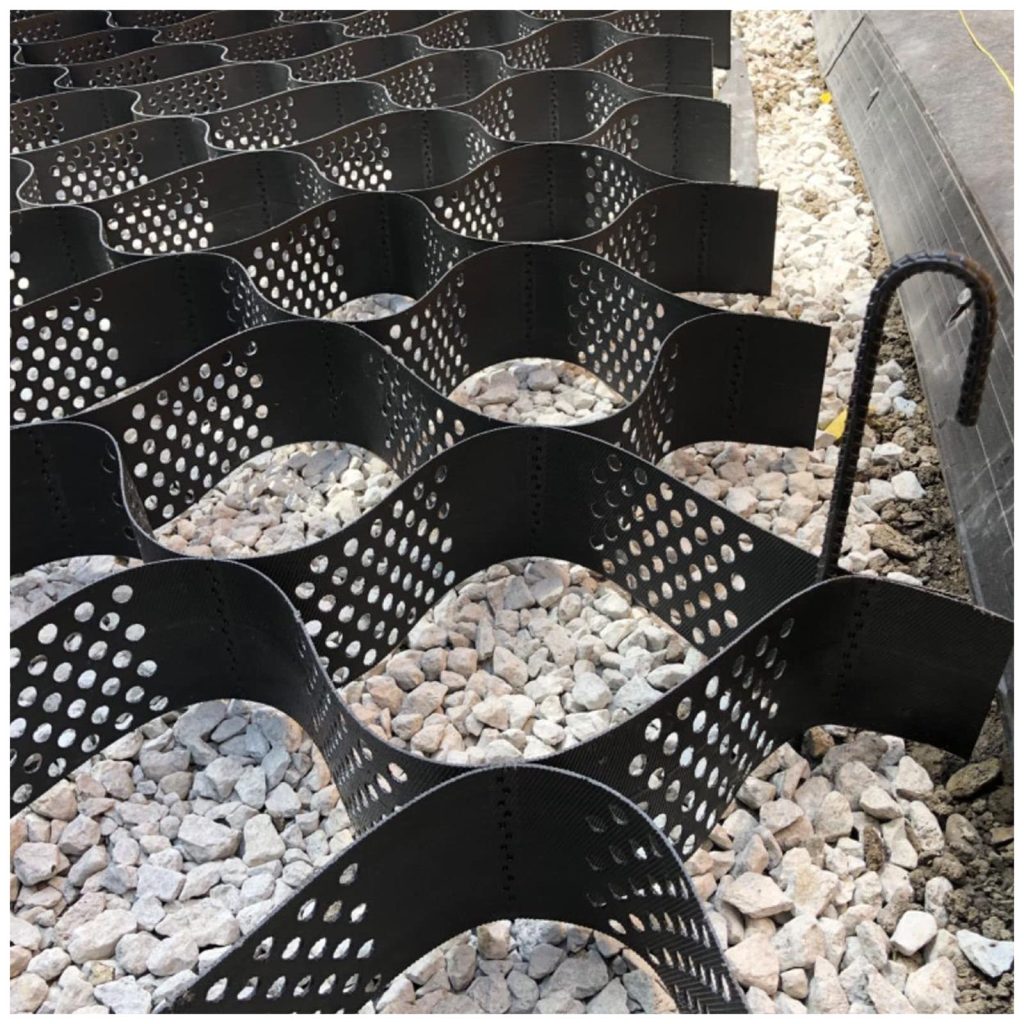
Construction efficiency is another important consideration when selecting geosynthetic reinforcement products. Cellular confinement panels are typically transported in a collapsed configuration and expanded during installation.
This design can simplify handling and reduce shipping volume compared with bulky prefabricated structures. Nevertheless, successful installation depends on proper site preparation, panel expansion, anchoring, infill placement, and compaction.
Contractors should coordinate these activities with drainage requirements and construction sequencing.
Buyers evaluating cellular grid products for construction projects should include expanded panel coverage, accessories, packaging, and delivery requirements in procurement calculations.
Procurement Trends and Supplier Evaluation
Geosynthetic purchasing decisions increasingly involve technical compliance, installation requirements, and expected lifecycle performance. Engineers and procurement professionals should evaluate whether the proposed confinement system meets project-specific design criteria.
Important purchasing considerations include material specifications, dimensional tolerances, seam performance, test documentation, and manufacturing quality control. Suppliers should also provide clear product information and practical guidance on installation requirements.
Comparing total installed costs rather than material prices alone can support more effective sourcing decisions. For international projects, packaging arrangements, shipping schedules, and technical communication are additional considerations.
As infrastructure and landscape projects require reliable reinforcement solutions, cellular grid technology remains relevant to soil stabilization, erosion control, and embankment construction. Successful product selection requires balancing material durability, engineering performance, installation requirements, and procurement costs.
Geofantex supplies geosynthetic products for civil engineering, environmental protection, and infrastructure applications. Contact Geofantex to discuss your project specifications, reinforcement requirements, and suitable geosynthetic solutions.

Get Free Sample
We’ll respond as soon as possible(within 12 hours)