

+86-159 9860 6917
info@geofantex.com
geofantex@gmail.com
+86-400-8266163-44899
Geomembrane liners provide reliable containment solutions for wastewater ponds, landfills, mining facilities, and agricultural reservoirs. For project buyers, selecting the right material, thickness, and surface type is essential for managing installation costs and ensuring long-term performance. This guide explains the key specifications, applications, and purchasing considerations to help you choose suitable products and request an accurate quotation.
Geomembrane Liners: Materials and Key Specifications
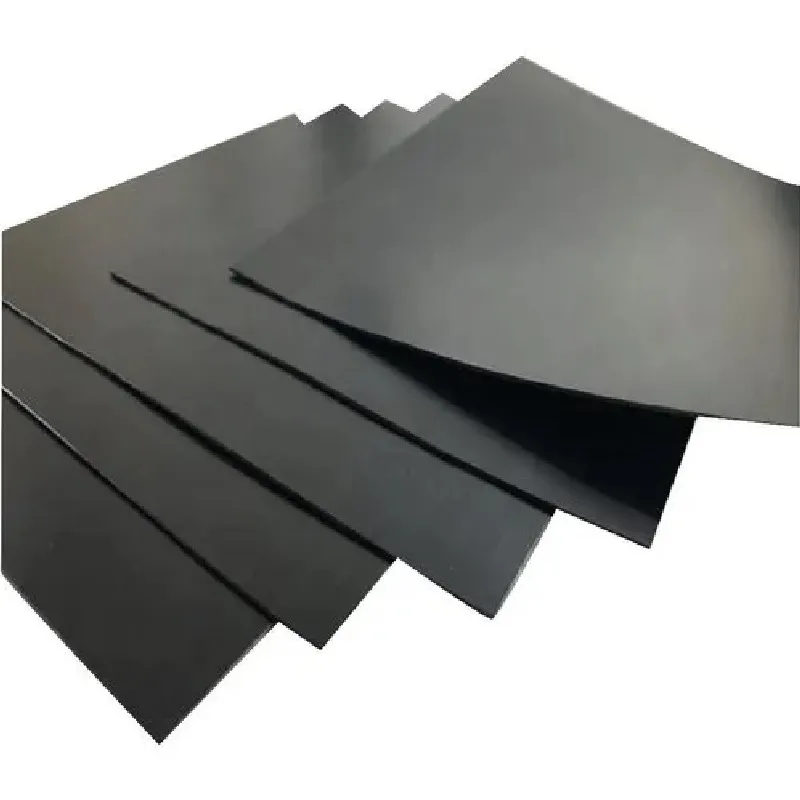
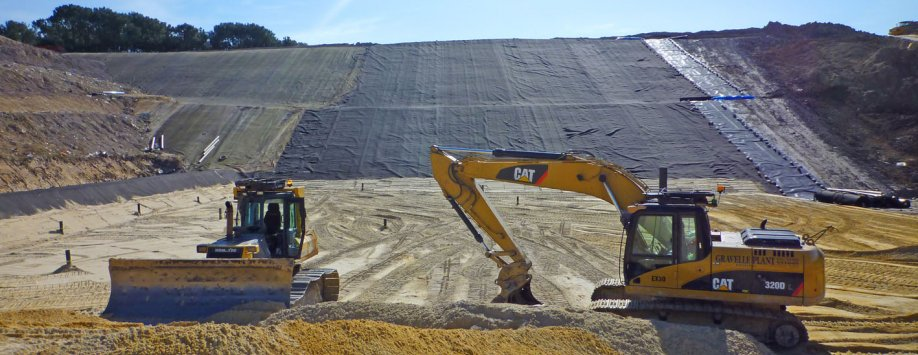
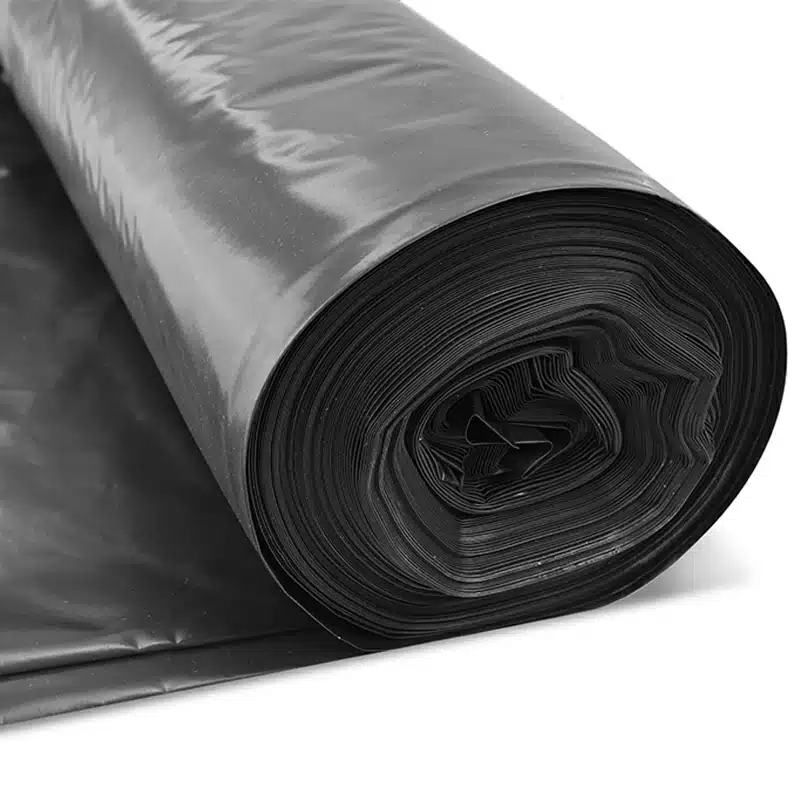
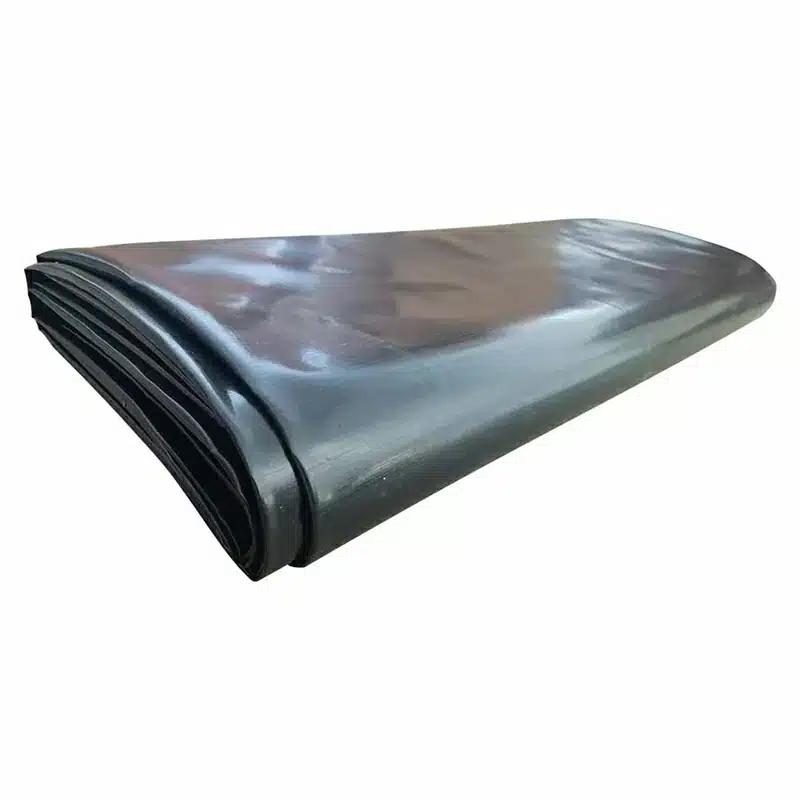
Geomembranes are low-permeability synthetic sheets designed to prevent liquid migration and protect surrounding soil and groundwater.
The most commonly specified materials include:
- HDPE (High-Density Polyethylene): Offers excellent chemical resistance, mechanical strength, and durability for industrial containment applications.
- LLDPE (Linear Low-Density Polyethylene): Provides greater flexibility for uneven surfaces and complex installation conditions.
- PVC (Polyvinyl Chloride): Suitable for applications requiring flexible sheets that can adapt to various installation conditions.
- EPDM (Ethylene Propylene Diene Monomer): Offers high elasticity and weather resistance for certain exposed containment applications.
Thickness and Surface Options
Typical geomembrane thicknesses range from 0.5 mm to 2.0 mm or greater.
| Thickness | Typical Application |
|---|---|
| 0.5–0.75 mm | Agricultural ponds and light-duty containment |
| 1.0 mm | Irrigation reservoirs and water storage |
| 1.5 mm | Wastewater lagoons and landfill applications |
| 2.0 mm | Mining facilities and demanding containment projects |
Smooth geomembranes are commonly used on flat or gently sloping surfaces, while textured geomembranes provide increased interface friction on slopes.
For technical comparisons, explore HDPE geomembrane liners specifications and material options to identify suitable configurations for your project.
Geomembrane Liners for Wastewater and Landfill Projects
Different containment environments require specific mechanical and chemical performance characteristics.
Wastewater Treatment Ponds
Wastewater treatment facilities require low-permeability barriers to reduce seepage and protect the surrounding environment.
HDPE geomembranes are frequently selected because of their chemical resistance, low permeability, and compatibility with thermal welding techniques.
Important purchasing considerations include wastewater composition, operating temperature, UV exposure, subgrade conditions, and installation requirements.
For industrial applications, buyers can review geomembrane liners for wastewater pond containment to compare suitable materials and thickness options.
Landfill Containment Systems
Landfills require engineered barrier systems to help prevent leachate migration into surrounding soil and groundwater.
HDPE sheets are commonly incorporated into composite liner systems alongside compacted clay, geosynthetic clay liners, drainage layers, and protective geotextiles.
Buyers should evaluate puncture resistance, stress crack resistance, chemical compatibility, and seam quality.
The required thickness and construction details must comply with applicable engineering specifications and environmental regulations.
How to Evaluate Product Quality Before Purchasing
Product quality should be verified through technical documentation rather than appearance or price alone.
Key evaluation criteria include:
- Tensile properties: Verify tensile strength and elongation performance.
- Puncture resistance: Evaluate resistance to localized mechanical loads.
- Stress crack resistance: Assess long-term resistance to environmental stress cracking.
- UV stability: Confirm adequate stabilization for the expected exposure conditions.
- Chemical compatibility: Verify suitability for the liquids being contained.
- Weldability: Ensure compatibility with the specified welding equipment and installation methods.
For HDPE products, buyers should request test reports demonstrating compliance with applicable standards, such as GRI-GM13. LLDPE products may be evaluated against GRI-GM17 where required.
Independent testing and project-specific quality assurance can provide additional confidence before bulk procurement.

Pricing Factors and Ordering Considerations
The total purchasing cost of geomembrane liners depends on more than the quoted price per square meter.
Major pricing factors include polymer type, sheet thickness, surface texture, order volume, roll dimensions, and delivery location.
Before placing an order, confirm:
- Required material type and nominal thickness.
- Total project area and estimated material quantity.
- Smooth or textured surface requirements.
- Roll width, length, and packaging specifications.
- Applicable testing standards and documentation.
- Delivery schedule, shipping terms, and destination.
For large projects, purchasing teams should also account for installation overlaps, anchor trenches, field welding, and potential material waste.
Review geomembrane liners purchasing and installation requirements before finalizing your order to reduce specification errors and unexpected costs.
Request a Geomembrane Quotation from Geofantex
Geofantex supplies geosynthetic solutions for environmental protection, civil engineering, agricultural water storage, and industrial containment projects.
Our team can assist with material selection, technical specification reviews, and quotation preparation based on your project requirements.
To request a quotation, submit your project specifications, required quantity in square meters, intended application, and delivery destination. Include your preferred material, thickness, surface type, and expected delivery schedule when available.
Contact Geofantex today to discuss suitable containment materials and receive a quotation tailored to your project.

Get Free Sample
We’ll respond as soon as possible(within 12 hours)