

+86-159 9860 6917
info@geofantex.com
geofantex@gmail.com
+86-400-8266163-44899
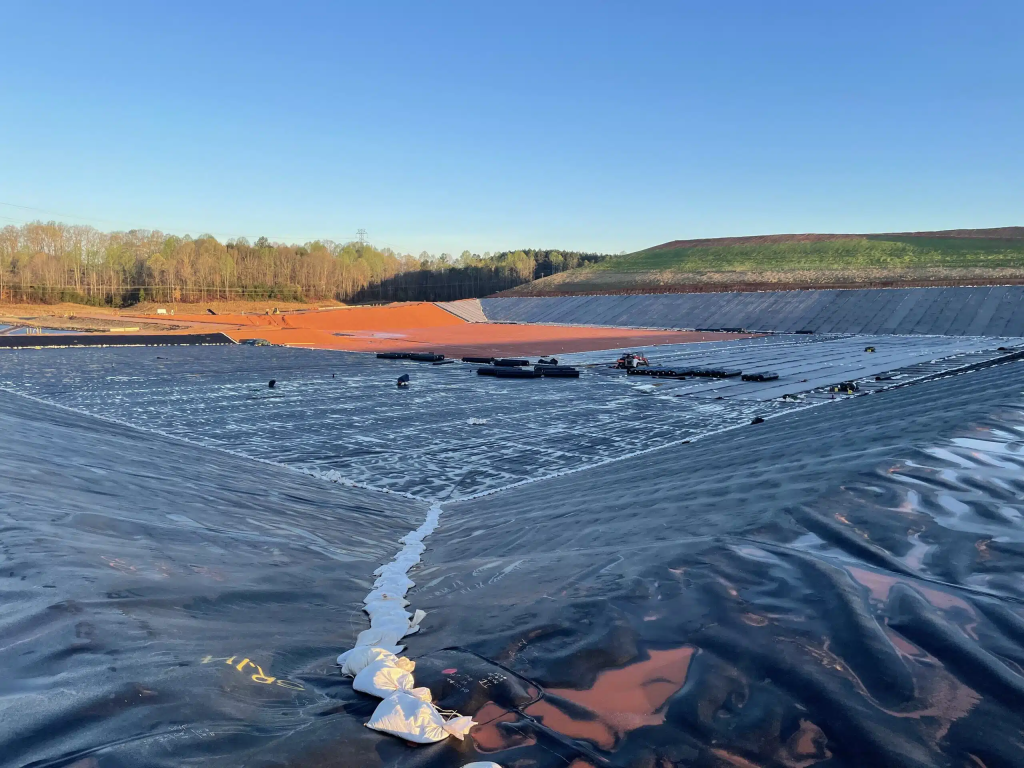
An HDPE geomembrane liner is widely used in wastewater ponds, landfills, mining facilities, and industrial containment systems. For engineers and buyers, selecting the right liner involves comparing polymer properties, thickness, surface texture, chemical compatibility, and installation conditions. Understanding these factors helps identify suitable materials, evaluate technical specifications, and request accurate quotations for different containment projects.

How Does an HDPE Geomembrane Liner Compare with LLDPE and PVC?
HDPE, LLDPE, and PVC geomembranes provide low-permeability barriers, but their mechanical properties and installation characteristics differ. HDPE offers relatively high stiffness and tensile strength, while LLDPE provides greater flexibility and deformation capacity. PVC is also flexible, although its performance depends on its formulation, including plasticizers and stabilizers.
| Property | HDPE | LLDPE | PVC |
|---|---|---|---|
| Flexibility | Relatively low | High | High |
| Tensile behavior | High strength and stiffness | Greater deformation capacity | Formulation-dependent |
| Chemical resistance | Broad, depending on exposure conditions | Broad, depending on exposure conditions | Formulation-dependent |
| Typical applications | Landfills, mining, wastewater ponds | Reservoirs, settlement-prone areas | Water containment, irregular surfaces |
HDPE is frequently specified for chemically demanding containment projects, while LLDPE may be considered where differential settlement requires greater flexibility. PVC can be suitable for applications requiring conformability, provided its chemical resistance and aging characteristics meet project requirements.
For detailed material properties, review HDPE geomembrane liner technical specifications before comparing alternative polymers.
Which HDPE Geomembrane Liner Type Is Suitable for Different Applications?
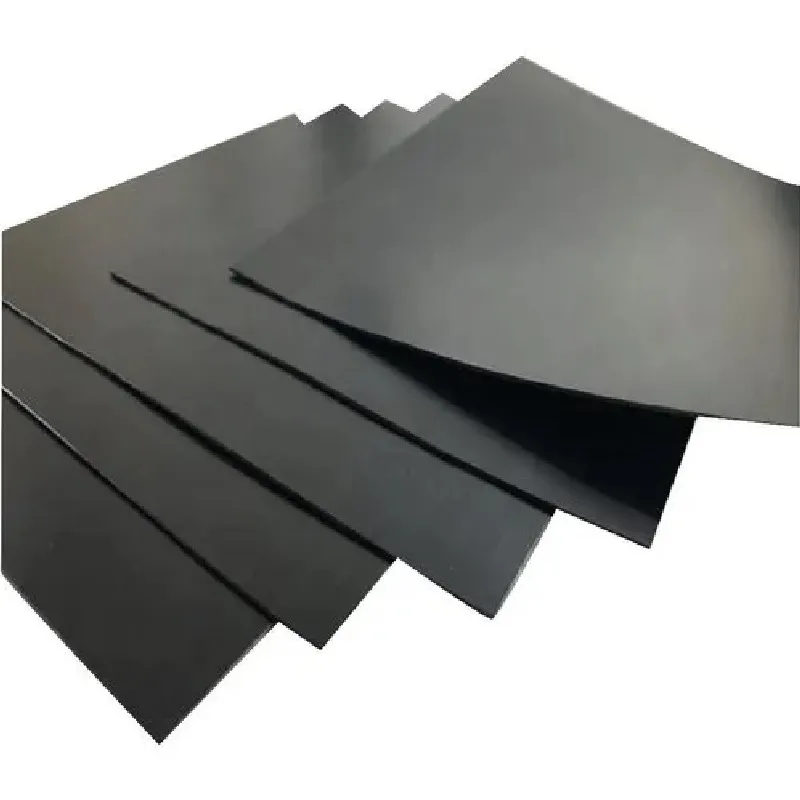
Smooth and textured HDPE geomembranes share the same primary containment function but differ in surface characteristics. Smooth membranes are commonly installed on relatively flat foundations, including wastewater ponds and reservoirs. Textured membranes are often selected for slopes where increased interface shear resistance may be required.
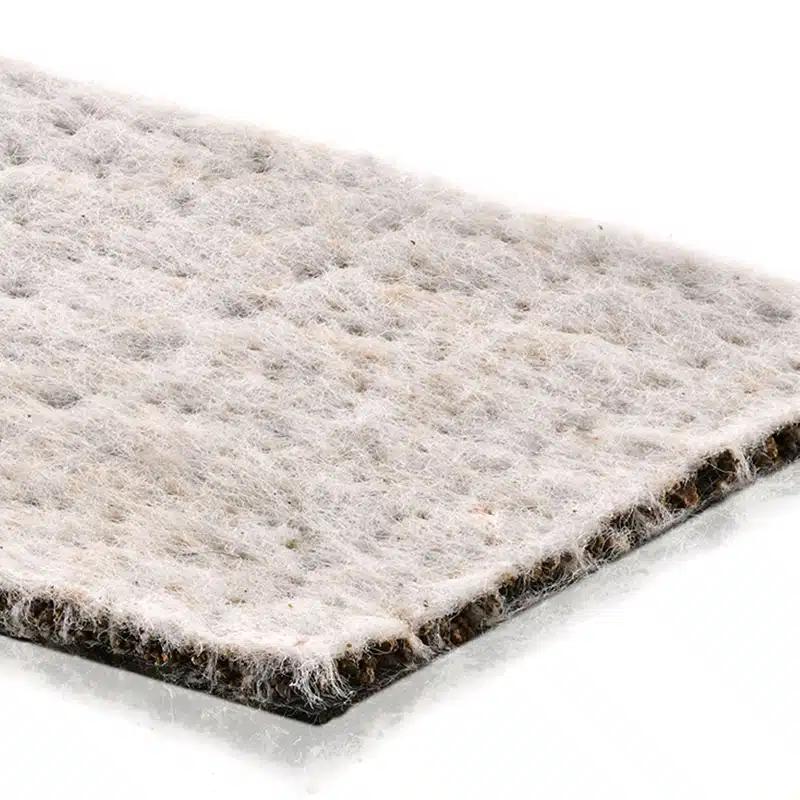
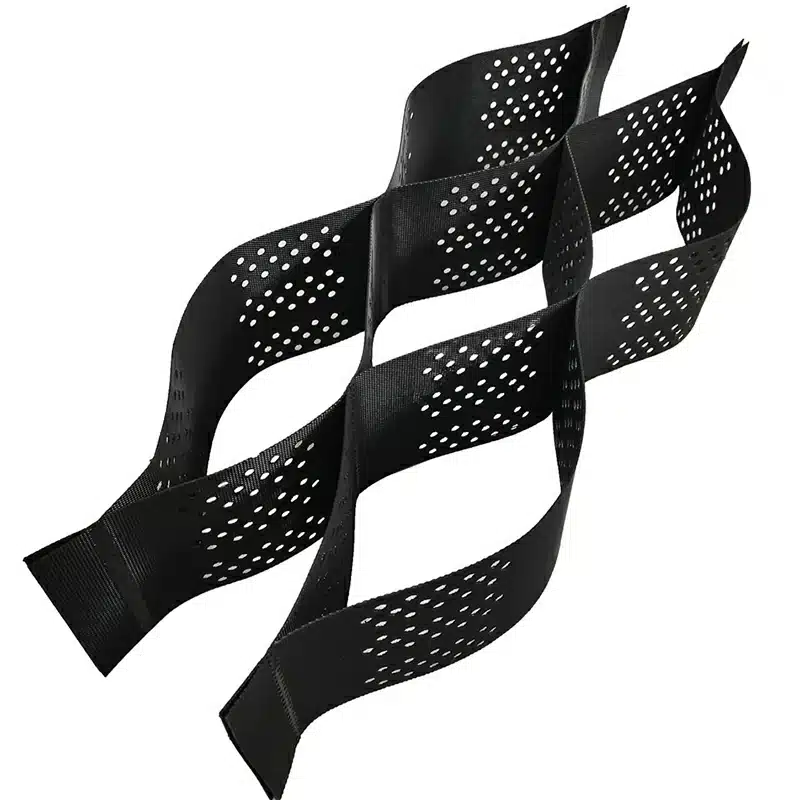
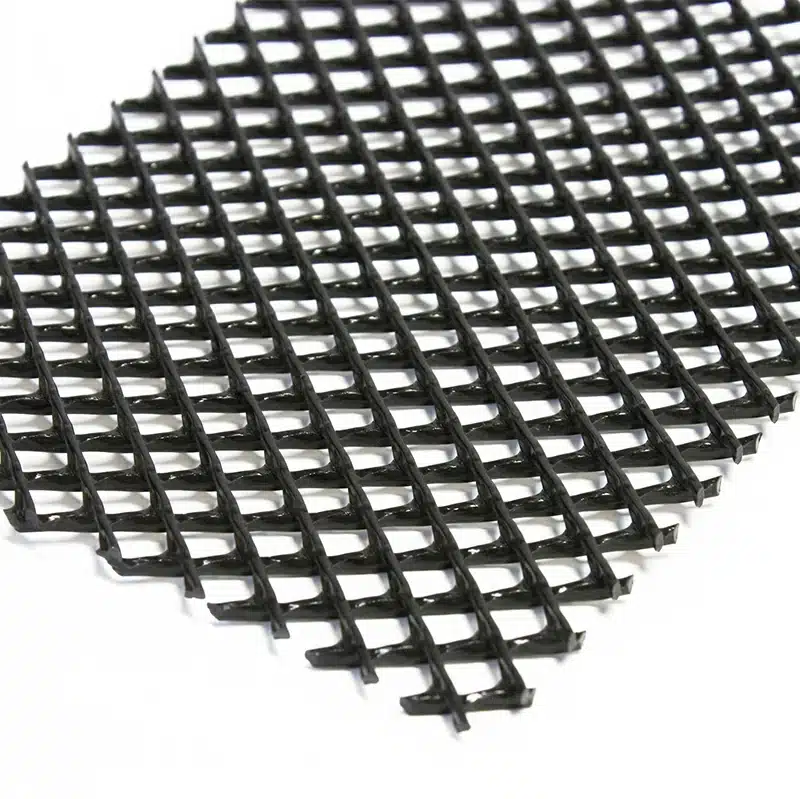
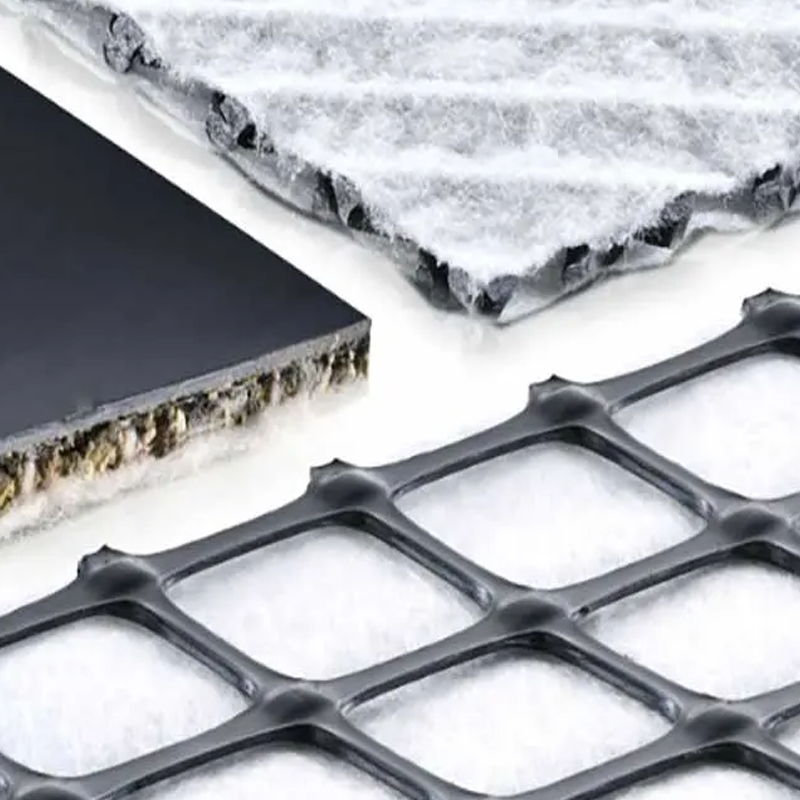
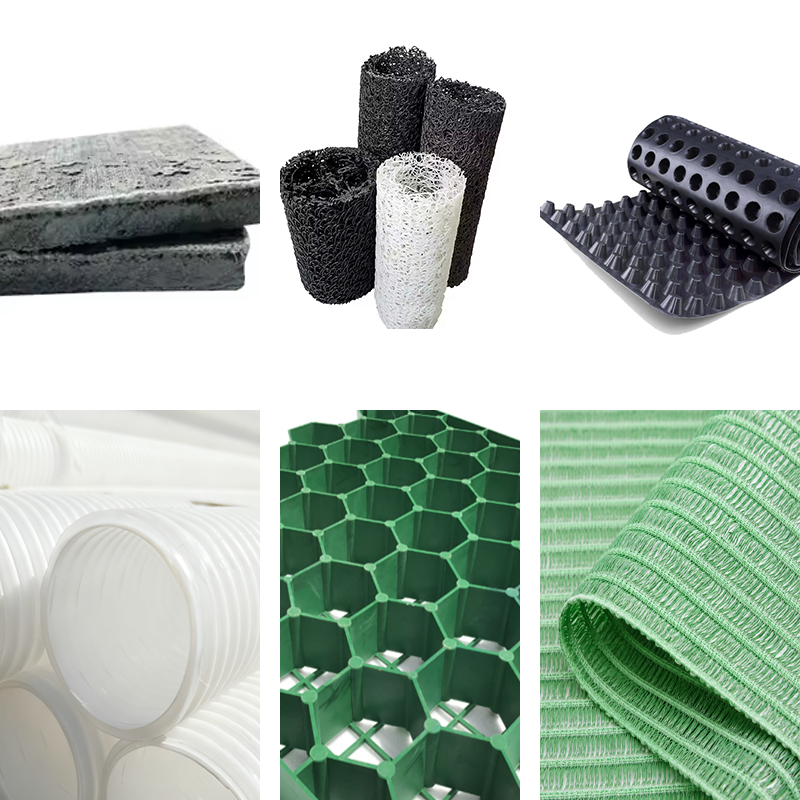
Composite lining systems combine geomembranes with protective or functional geosynthetics. Nonwoven geotextiles can provide puncture protection, while geosynthetic clay liners (GCLs) provide additional hydraulic resistance. Drainage geocomposites may be incorporated to manage liquid or gas flow.
| Liner System | Main Function | Typical Application |
|---|---|---|
| Smooth HDPE | Liquid containment | Wastewater ponds, reservoirs |
| Textured HDPE | Barrier with increased interface shear resistance | Landfill slopes |
| HDPE + Geotextile | Barrier and mechanical protection | Rocky subgrades |
| HDPE + GCL | Composite hydraulic barrier | Landfills |
| HDPE + Drainage Geocomposite | Barrier and drainage functions | Leachate management |
Surface texture alone does not guarantee slope stability. Interface shear testing, subgrade preparation, and installation quality must be considered when designing containment systems.
Explore HDPE geomembrane liner applications and installation options to identify suitable configurations for specific site conditions.
How Do Thickness and Technical Specifications Affect Performance?
Geomembrane thickness influences mechanical robustness, handling during installation, and material consumption. Common HDPE thickness options include 0.75 mm, 1.0 mm, 1.5 mm, and 2.0 mm, depending on manufacturing availability and project specifications.
| Thickness | Common Applications | Key Considerations |
|---|---|---|
| 0.75 mm | Selected covered water containment ponds | Limited loading, subgrade protection |
| 1.0 mm | Reservoirs, wastewater ponds | Installation conditions, puncture risks |
| 1.5 mm | Landfills, mining containment | Chemical exposure, mechanical loading |
| 2.0 mm | Demanding industrial containment | Design loads, regulatory requirements |
These examples are indicative rather than universal minimum thickness requirements.
Technical evaluation should also include tensile properties, puncture resistance, stress-crack resistance, and oxidative stability. ASTM D6693, ASTM D4833, and ASTM D5397 are commonly referenced for relevant testing. GRI-GM13 provides recognized specification requirements for HDPE geomembranes.
Greater thickness does not automatically guarantee suitability. Material selection must reflect actual loading, chemical exposure, and installation conditions.
What Information Is Needed to Select an HDPE Geomembrane Liner?
Selecting the appropriate liner requires evaluating the complete containment environment. Wastewater projects should consider liquid composition, operating temperature, hydrostatic pressure, and foundation conditions. Landfill applications also require assessment of leachate chemistry, puncture loading, slope stability, and applicable environmental regulations.
Buyers requesting a technical recommendation or quotation should provide:
- Project application and type of liquid to be contained
- Required polymer, thickness, and surface texture
- Relevant standards and performance requirements
- Subgrade conditions, slope geometry, and expected loading
- Total area, roll dimensions, and installation requirements
- Delivery destination and expected project schedule
Where specifications remain uncertain, engineering drawings and chemical exposure information can help suppliers evaluate suitable alternatives.
For purchasing support, consult HDPE geomembrane liner selection and quotation guidance to prepare the necessary technical and commercial details.
HDPE, LLDPE, PVC, and composite lining systems offer different advantages depending on chemical exposure, flexibility requirements, mechanical loading, and installation conditions. Smooth and textured geomembranes address different foundation and slope requirements, while composite systems provide additional protection or drainage.
Geofantex Geosynthetics supplies geomembranes and complementary geosynthetic materials for wastewater treatment, landfill, mining, and reservoir projects. Share your specifications, required quantity, and delivery destination to receive a suitable product recommendation and quotation.
Get Free Sample
We’ll respond as soon as possible(within 12 hours)