

+86-159 9860 6917
info@geofantex.com
geofantex@gmail.com
+86-400-8266163-44899
Geo grid ground grid solutions help contractors and project buyers improve ground stability in roads, construction working platforms, and heavy-duty access areas. Selecting the correct geogrid requires evaluating subgrade conditions, loading requirements, technical specifications, and installation methods. This guide answers four practical questions to help engineers, contractors, and importers choose suitable reinforcement materials, avoid common installation problems, and make informed purchasing decisions.
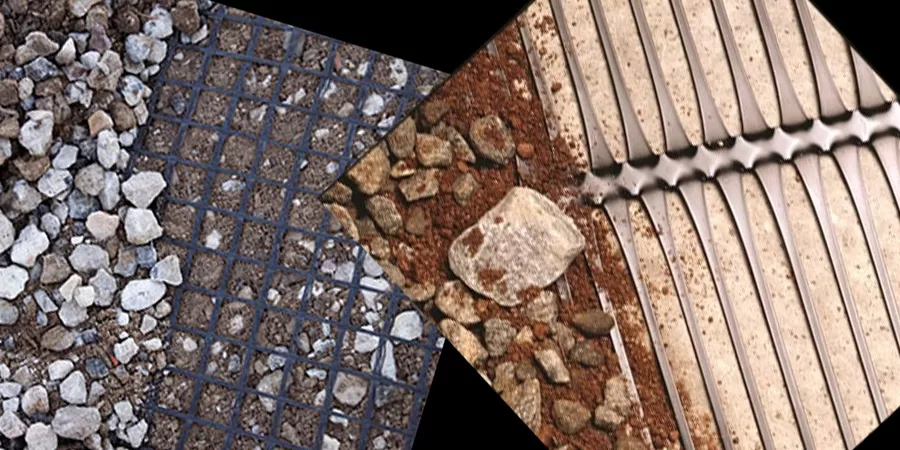
Which Geo Grid Ground Grid Type Is Suitable for Different Projects?
The right geogrid depends on the application, soil conditions, and direction of reinforcement required.
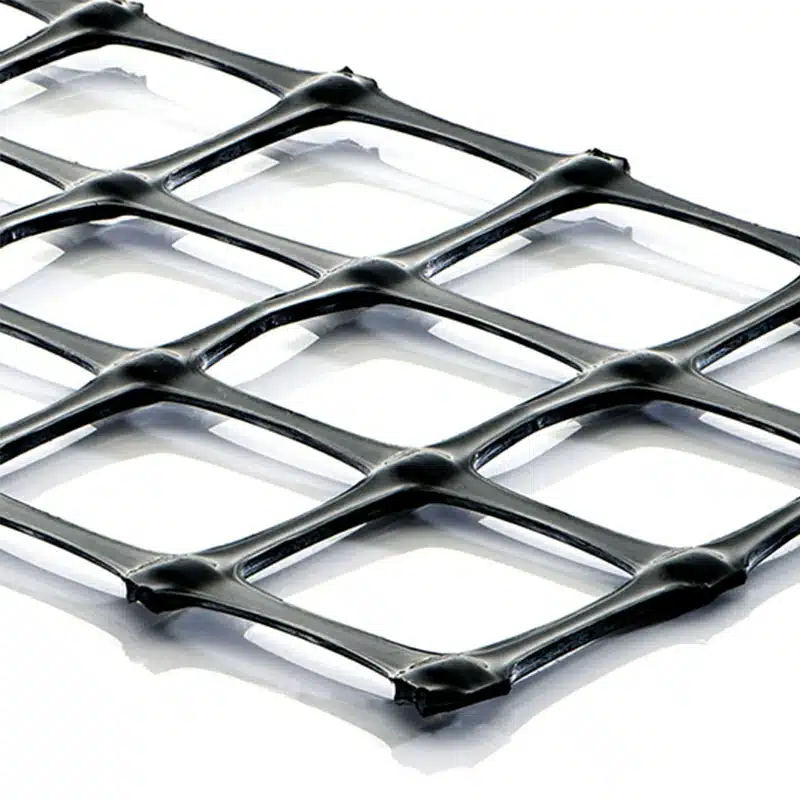
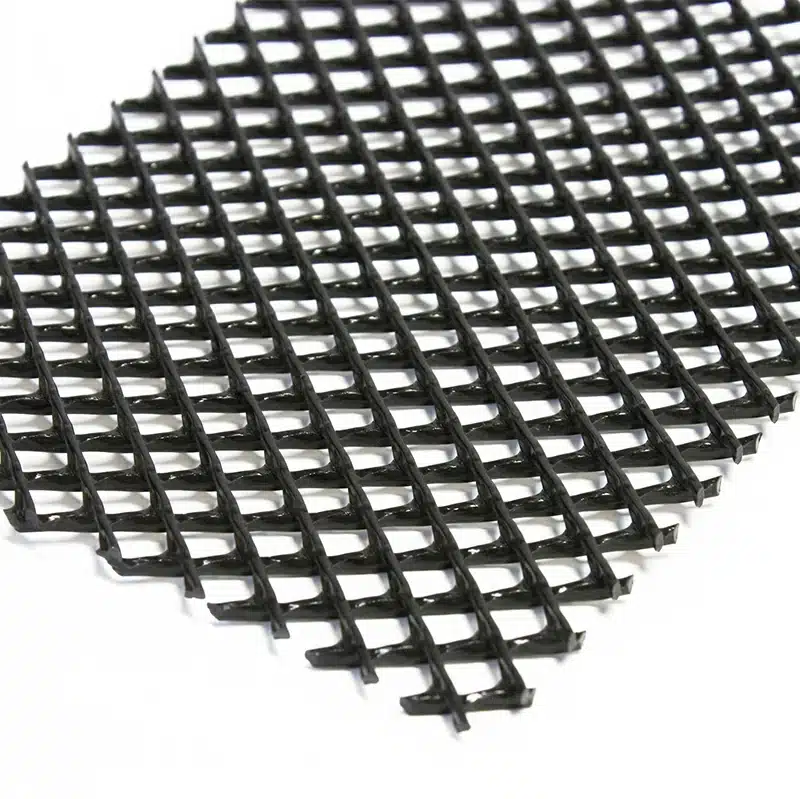
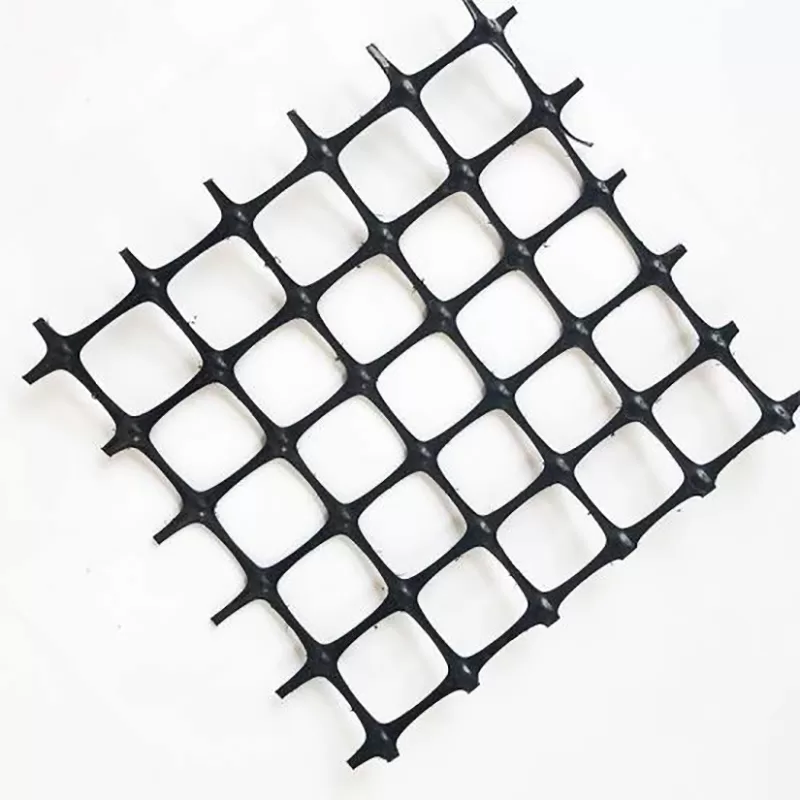
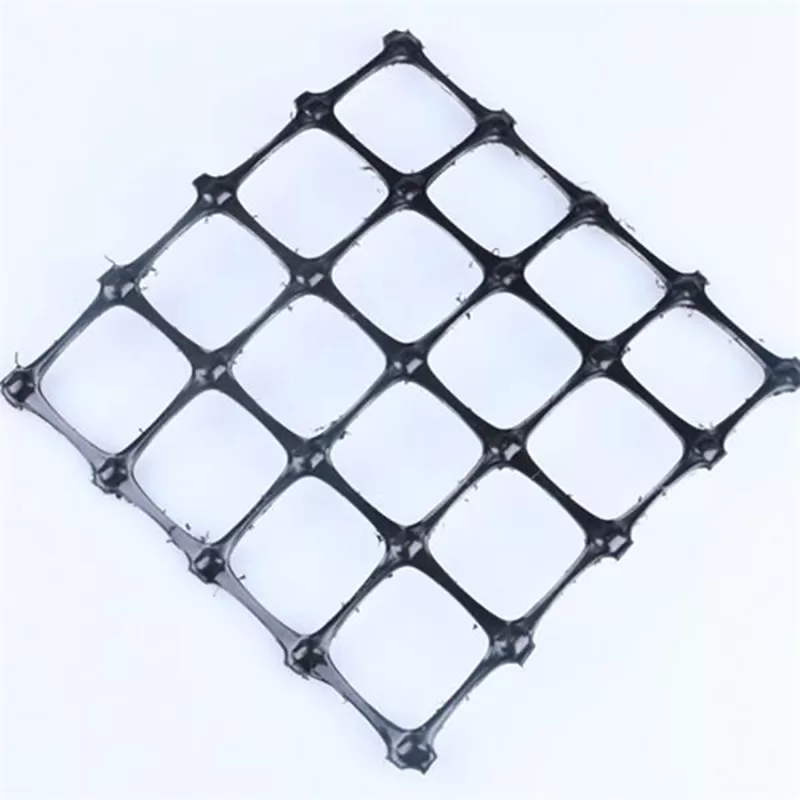
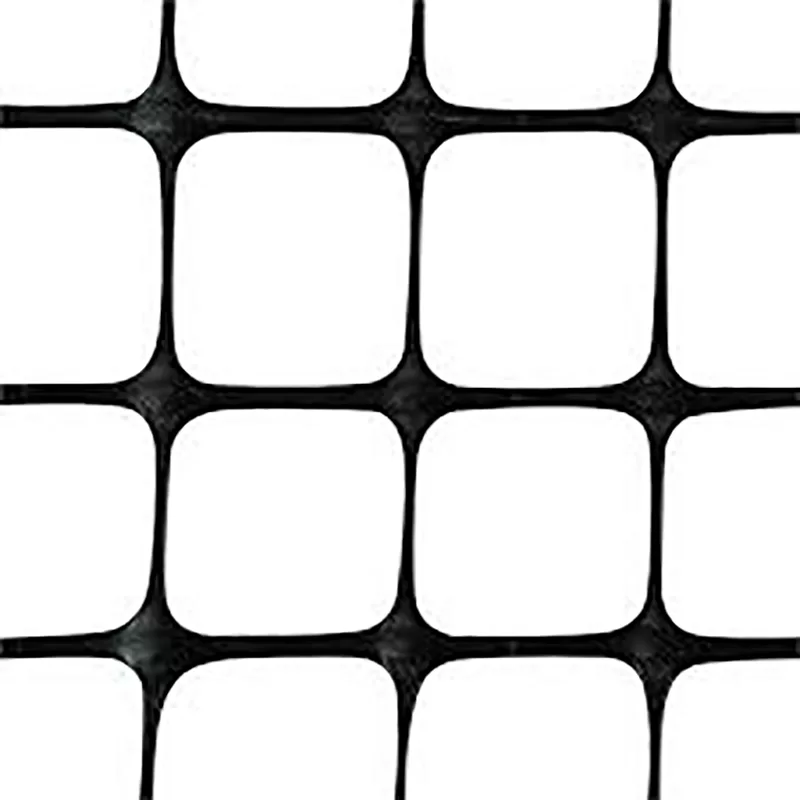
For road construction and temporary working platforms, biaxial geogrids are commonly used to reinforce granular layers. Their two-directional structure helps confine aggregate and improve load distribution, reducing the risk of rutting when incorporated into a properly designed system.
Uniaxial geogrids are generally used in reinforced soil retaining walls and slopes, where tensile reinforcement is primarily required in one direction.
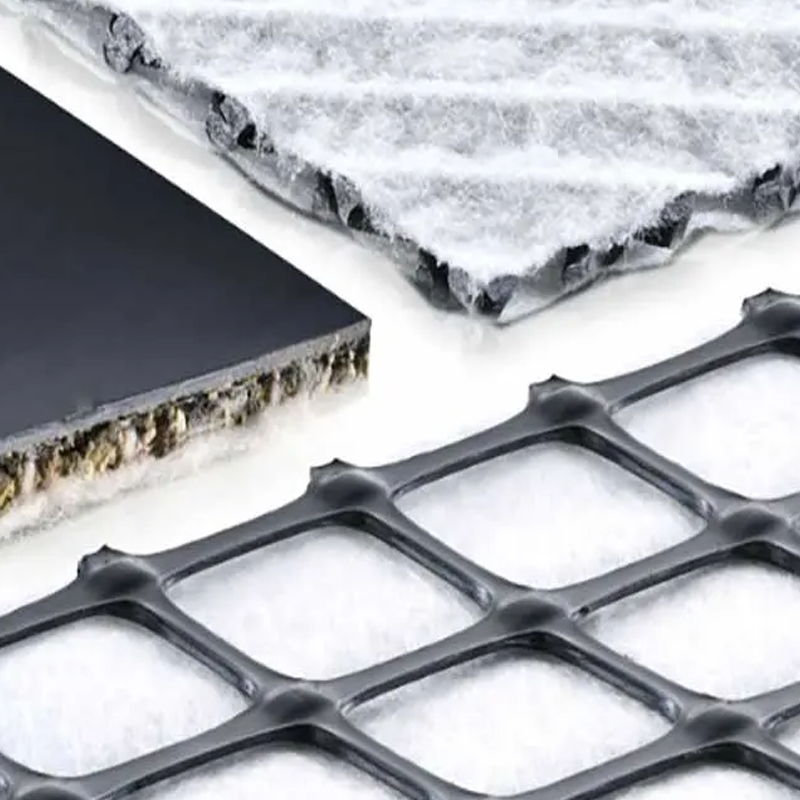
For particularly weak subgrades, the design may also require separation geotextiles or additional stabilization measures.
Before selecting a product, contractors should confirm the subgrade bearing capacity, expected traffic loads, aggregate characteristics, and project service life. These factors help determine the appropriate reinforcement type and performance requirements.
Contractors can review geo grid ground grid solutions for construction working platforms to identify reinforcement options suited to heavy equipment access and temporary construction operations.
What Geo Grid Ground Grid Specifications Should Buyers Compare?
Tensile properties, aperture dimensions, junction performance, and long-term durability are important selection criteria.
Geogrids are manufactured from polymers such as polypropylene (PP), polyester (PET), and high-density polyethylene (HDPE). Their mechanical performance varies according to material, manufacturing method, and product structure.
Key technical specifications include:
- Tensile strength (kN/m): Indicates resistance to tensile loading under specified test conditions.
- Tensile stiffness: Describes resistance to deformation at relevant strain levels.
- Aperture size (mm): Influences mechanical interaction with surrounding aggregate.
- Junction strength: Helps evaluate structural integrity, particularly for integrally formed geogrids.
- Durability: Includes resistance to installation damage, creep, and environmental exposure.
A higher nominal tensile strength does not necessarily mean better stabilization performance. Aggregate interlock and tensile stiffness under actual working conditions are also important.
Buyers should request technical data sheets and compare products using equivalent test methods. ASTM D6637 is commonly used to evaluate geogrid tensile properties.
For permanent reinforced structures, suppliers should also provide long-term design-strength information and applicable reduction factors to support engineering evaluation.
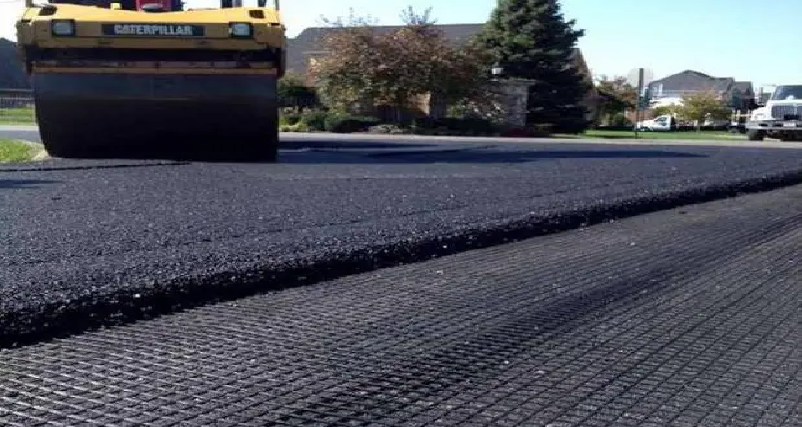
How Should Geogrids Be Installed on Roads and Working Platforms?
Proper subgrade preparation, placement, aggregate coverage, and compaction are essential for reliable reinforcement.
Before installing a geo grid ground grid reinforcement system, contractors should inspect the subgrade for soft spots, standing water, sharp debris, and uneven surfaces.
The geogrid should be positioned according to the engineering design, with appropriate overlaps and alignment. Aggregate should then be placed carefully to prevent displacement or damage.
For construction working platforms, aggregate thickness and equipment loading must be determined through project-specific design rather than a universal installation rule.
On road projects, appropriate aggregate gradation and compaction help establish effective interaction between the geogrid and the granular base.
Where separation or filtration is required, a compatible geotextile may be installed as part of the system.
Contractors should follow the approved installation plan and verify aggregate thickness, compaction, overlap requirements, and construction traffic restrictions. Proper installation helps maintain reinforcement performance and reduces the risk of premature deformation.
Project teams can explore geo grid ground grid installation methods for road base reinforcement when planning pavement foundations and access roads.
How Can Importers Purchase Geogrids Without Increasing Project Costs?
Buyers should evaluate verified technical performance, total installed cost, and supplier reliability instead of comparing unit prices alone.
An unsuitable geogrid may increase construction expenses through material waste, installation difficulties, or inadequate reinforcement performance.
Before requesting a quotation, buyers should specify the required tensile properties, aperture dimensions, roll sizes, project quantity, and delivery destination.
For international orders, it is important to confirm the Incoterm, loading port, packaging method, production lead time, and available quality documentation.
Roll width and length should also be evaluated against the installation layout to minimize cutting waste and unnecessary overlaps.
To make an informed purchasing decision, importers should request quotations based on identical specifications and compare technical compliance alongside material pricing, freight costs, and delivery conditions.
Importers and contractors can explore geo grid ground grid supplier options for bulk construction projects to discuss suitable product specifications and purchasing requirements.
Successful ground reinforcement requires matching geogrid properties to soil conditions, structural demands, and installation practices. Careful product selection and technical verification can improve construction efficiency while reducing avoidable project costs.
Geofantex Geosynthetics supplies geogrid solutions for roads, working platforms, retaining structures, and other civil engineering applications. Contact Geofantex to discuss project requirements, request technical specifications, and obtain a quotation for bulk orders.
Get Free Sample
We’ll respond as soon as possible(within 12 hours)