

+86-159 9860 6917
info@geofantex.com
geofantex@gmail.com
+86-400-8266163-44899
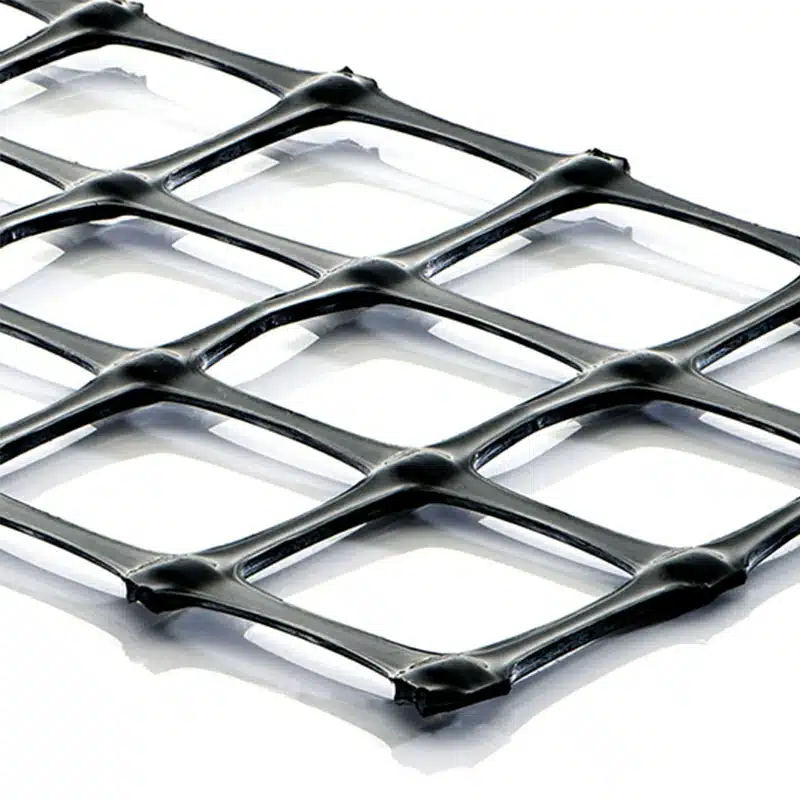
Geo grid mesh is an essential reinforcement material for soil stabilization, road construction, and civil engineering projects. Choosing the right geogrid requires evaluating tensile strength, aperture size, soil conditions, and installation requirements. For contractors, engineers, and procurement teams, understanding these factors helps prevent material mismatches, control construction costs, and improve project performance. This guide answers four practical questions to support informed product selection and purchasing decisions.
How Do You Select Geo Grid Mesh for Different Applications?
Selecting the correct geogrid depends on the project application, reinforcement direction, soil characteristics, and expected loading conditions.
Different geogrid types offer specific engineering advantages:
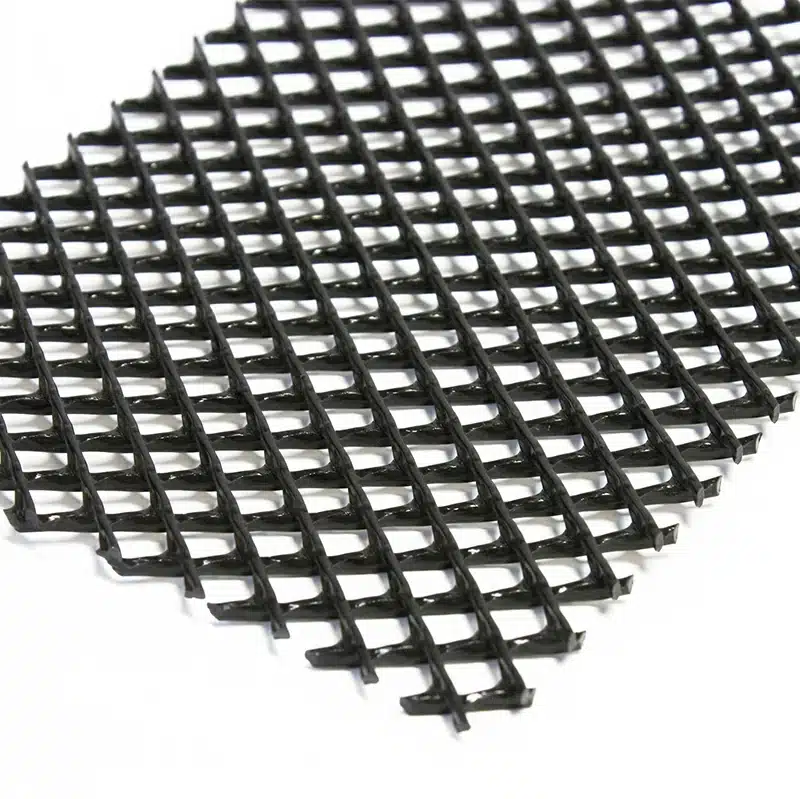
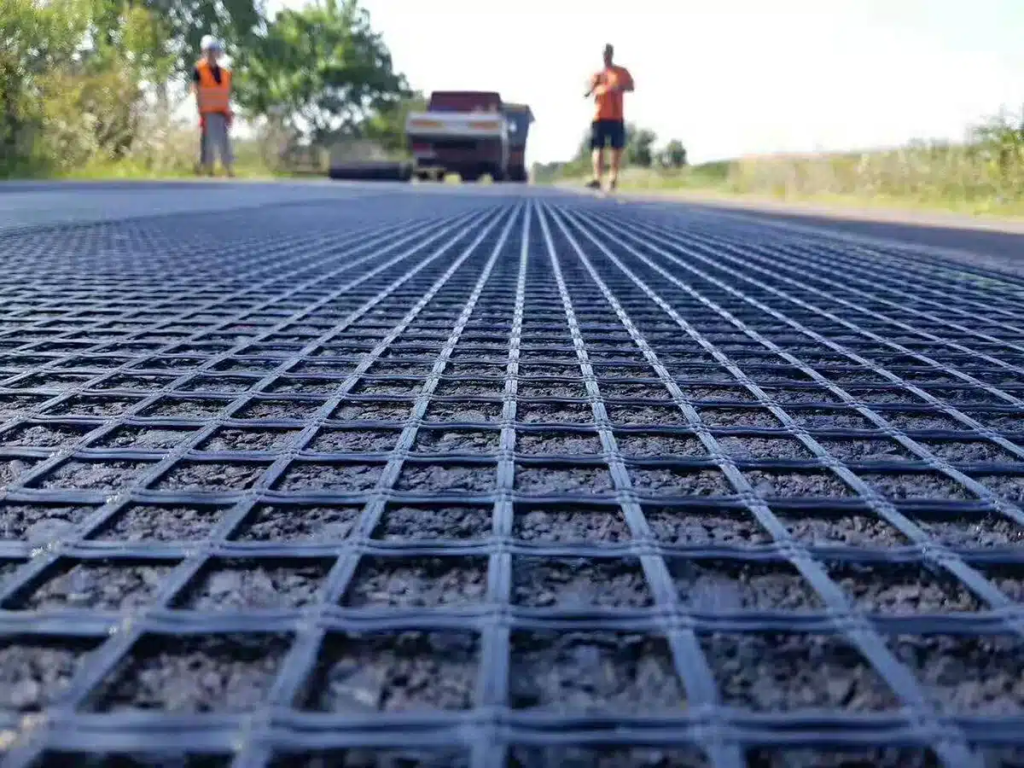
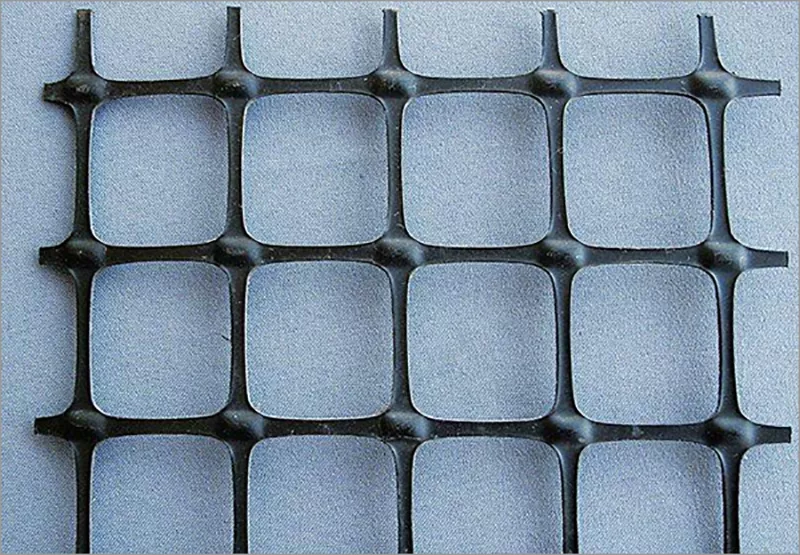
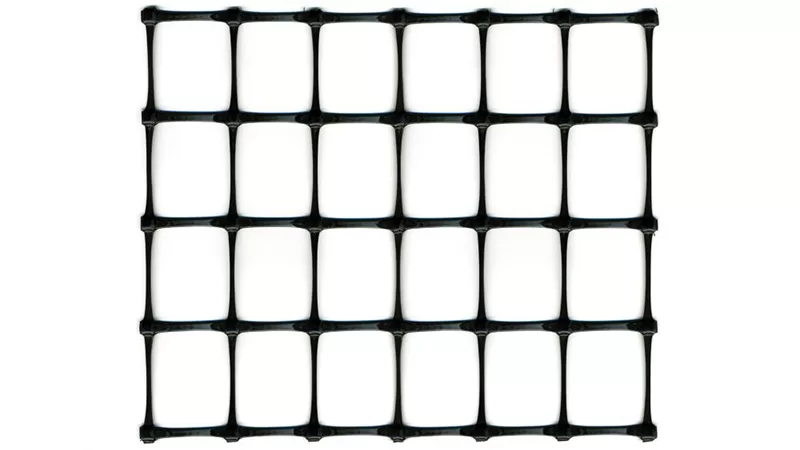
- Biaxial Geogrid: Reinforces two principal directions, making it suitable for road bases, parking areas, and aggregate stabilization.
- Uniaxial Geogrid: Designed for applications requiring high tensile strength in one direction, including retaining walls, reinforced slopes, and embankments.
- Triaxial Geogrid: Offers multidirectional aggregate confinement for pavement foundations and ground stabilization projects.
- Polyester Geogrid: Commonly selected for reinforced soil structures requiring controlled long-term deformation and high tensile performance.
For road construction, geogrid selection should consider aggregate interlock, subgrade strength, and traffic loading. For retaining structures, long-term tensile strength and creep resistance are particularly important.
Explore geo grid mesh solutions for soil reinforcement to identify suitable products for different engineering conditions.
Practical Recommendation: Match the reinforcement mechanism to the project design rather than selecting products based solely on nominal tensile strength.
What Geo Grid Mesh Specifications Matter Most?
Understanding technical specifications is essential when comparing geogrid products from different manufacturers.
The most important parameters include:
| Specification | Engineering Importance |
|---|---|
| Tensile Strength (kN/m) | Indicates resistance to tensile forces |
| Aperture Size (mm) | Influences aggregate interlock |
| Junction Strength | Supports load transfer between ribs |
| Tensile Stiffness | Controls deformation under loading |
| Creep Resistance | Affects long-term reinforcement performance |
| Polymer Composition | Influences durability and chemical resistance |
For pavement stabilization, aperture compatibility with aggregate size and tensile stiffness are important selection factors.
For retaining walls and reinforced slopes, engineers should evaluate long-term design strength, creep behavior, and resistance to installation damage.
When purchasing geo grid mesh, request technical data sheets, applicable ASTM or ISO test reports, and project-specific performance information.
Practical Recommendation: Compare verified engineering properties under consistent testing conditions instead of relying on product weight or unit price alone.
How Can You Avoid Common Geogrid Installation Problems?
Incorrect installation can reduce reinforcement effectiveness, increase construction costs, and compromise structural performance. The following issues require particular attention during installation.
1. Poor Subgrade Preparation
Problem: Uneven surfaces, sharp debris, and untreated soft spots can damage reinforcement materials or reduce their effectiveness.
Solution: Prepare the foundation according to project specifications and address unsuitable soil conditions before installation.
2. Insufficient Overlap
Problem: Incorrect overlap may create discontinuities in the reinforcement layer.
Solution: Follow the overlap dimensions specified in the engineering design or manufacturer’s installation instructions.
3. Improper Aggregate Placement
Problem: Direct construction traffic on exposed geogrid or uncontrolled aggregate placement can displace or damage the material.
Solution: Place the required initial aggregate layer using approved construction methods before allowing equipment traffic.
4. Incorrect Material Positioning
Problem: Wrinkles, misalignment, and inadequate anchorage may affect reinforcement performance.
Solution: Maintain proper alignment and secure the material where required during installation.
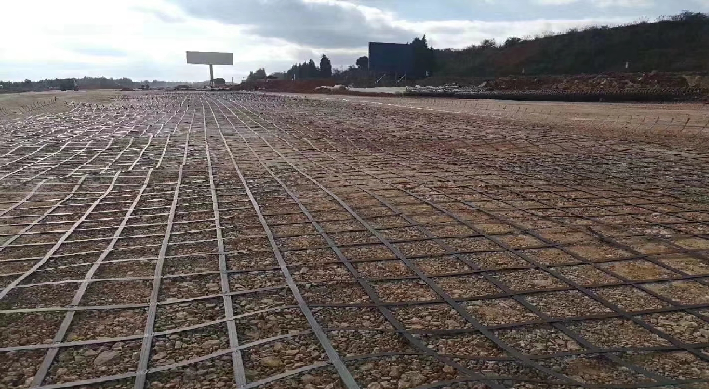
Review geo grid mesh installation guidance for road construction before beginning large-scale reinforcement projects.
Practical Recommendation: Inspect reinforcement placement, overlaps, and material condition before covering the installed layer.
How Do You Purchase Geogrid from a Reliable Manufacturer?
Purchasing geogrid involves evaluating technical compliance, manufacturing consistency, delivery capabilities, and total project costs.
A reliable supplier should provide more than competitive quotations.
Key Purchasing Considerations:
- Technical Compliance: Confirm that the product meets the required tensile strength, aperture dimensions, and project specifications.
- Manufacturing Quality: Request quality-control documentation and relevant test reports.
- Roll Dimensions: Choose suitable widths and lengths to reduce material waste and installation joints.
- Order Quantity: Discuss bulk purchasing requirements and available production capacity.
- Shipping Terms: Compare FOB, CIF, and other applicable delivery terms to understand total landed costs.
- Product Samples: Request samples when physical evaluation or additional testing is necessary.
When sourcing geo grid mesh for infrastructure projects, communicate the intended application, design requirements, installation conditions, and expected order volume.
For project-specific procurement, explore geo grid mesh manufacturer specifications and quotation options to compare available reinforcement solutions.
Practical Recommendation: Evaluate the total installed cost and verified technical performance rather than choosing the lowest material price.
Successful geogrid reinforcement projects depend on selecting appropriate materials, verifying technical specifications, following installation requirements, and working with dependable suppliers.
Geofantex provides geosynthetic reinforcement products for road construction, soil stabilization, retaining structures, and infrastructure development.
Contact Geofantex to discuss your engineering requirements, request technical documentation, and obtain a customized quotation for your next project.
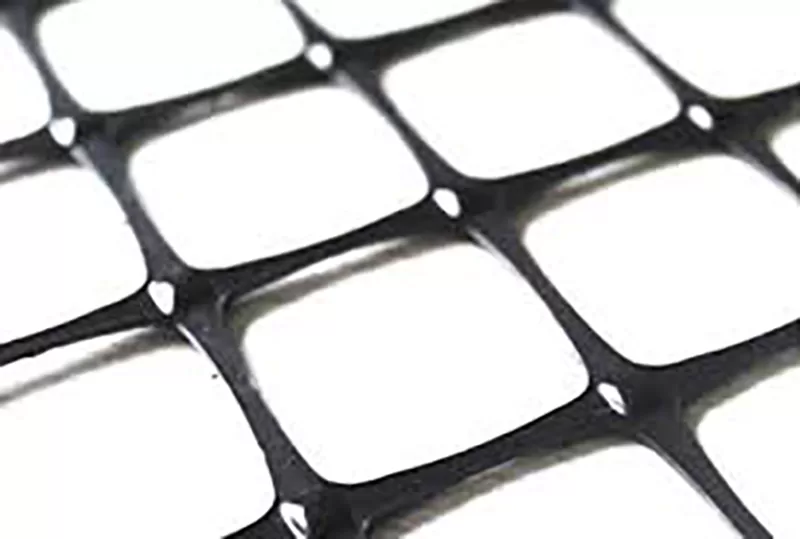
Get Free Sample
We’ll respond as soon as possible(within 12 hours)