

+86-159 9860 6917
info@geofantex.com
geofantex@gmail.com
+86-400-8266163-44899
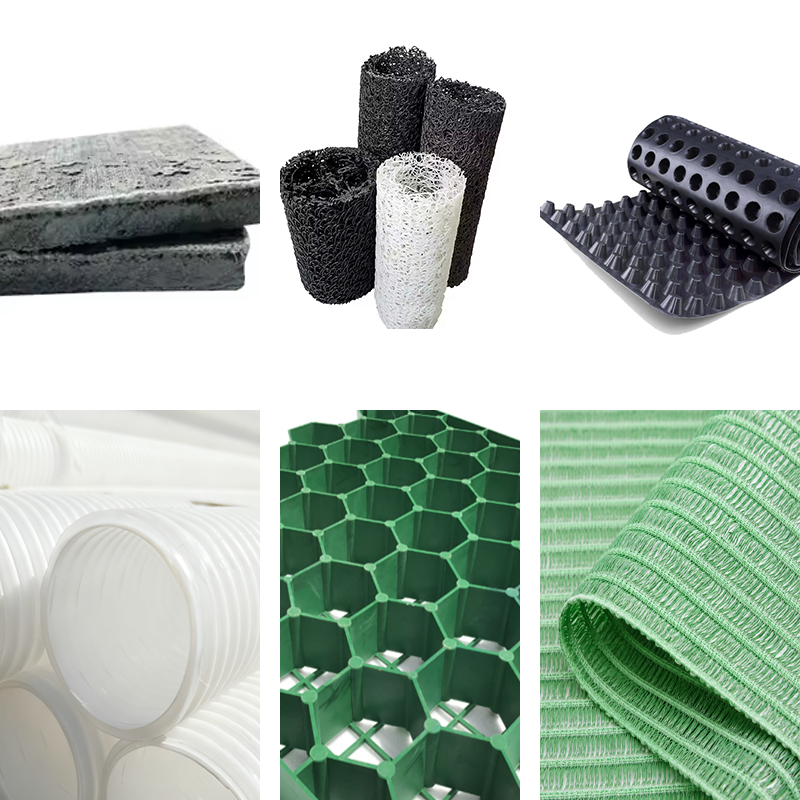
Geonet liner products provide in-plane drainage for landfill containment systems, mining facilities, and civil engineering projects. Manufactured primarily from HDPE, these materials help collect and convey liquids or gases through engineered drainage channels. For contractors, distributors, and project buyers, selecting the right product requires evaluating hydraulic transmissivity, compressive performance, material compatibility, and installation requirements. Understanding these factors helps buyers compare specifications, identify suitable drainage solutions, and make informed purchasing decisions.
What Is a Geonet Liner and Where Is It Used?
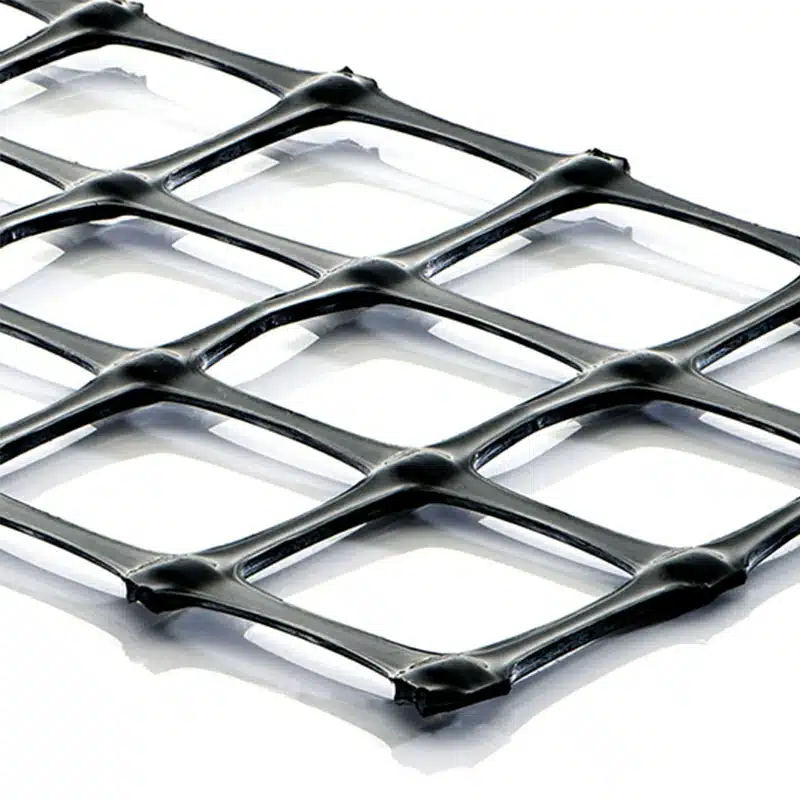
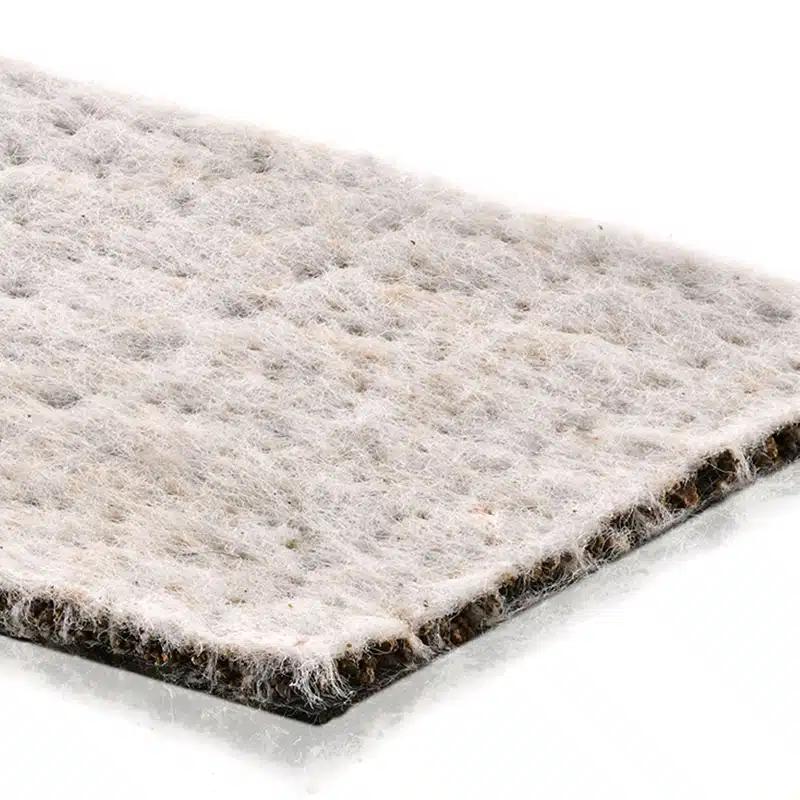
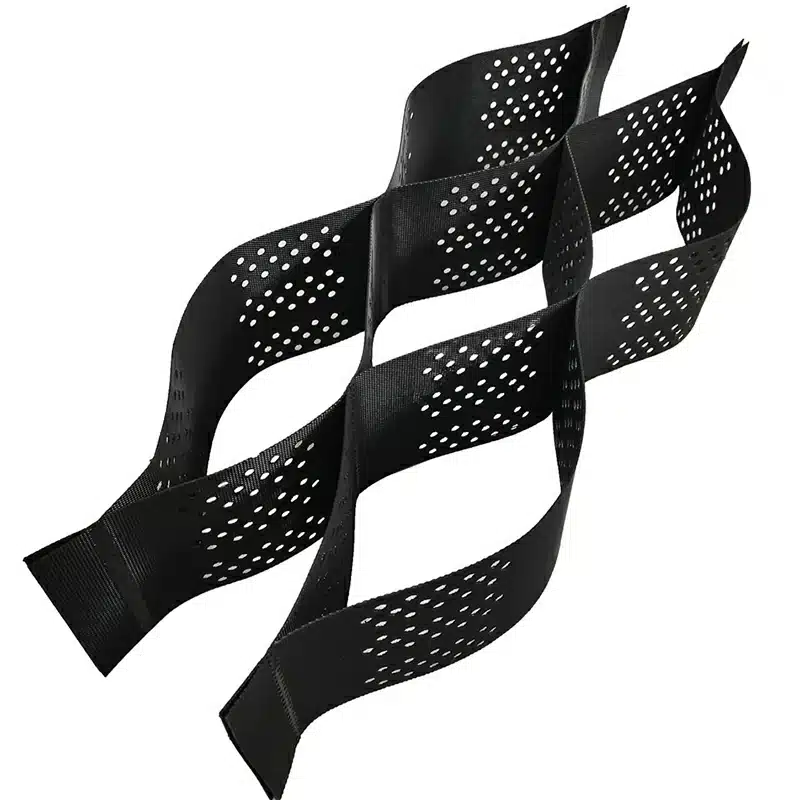
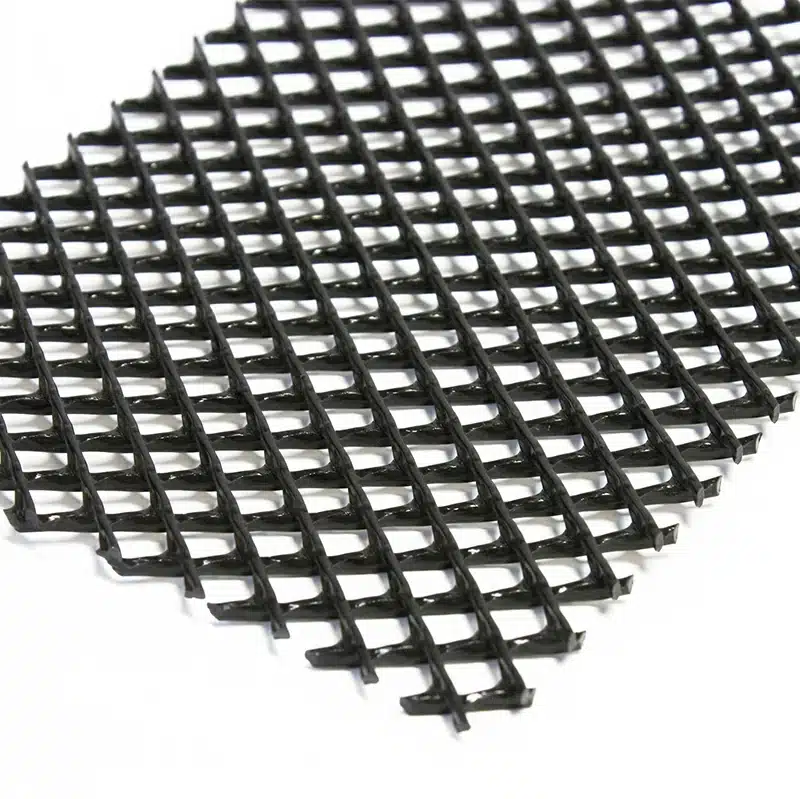
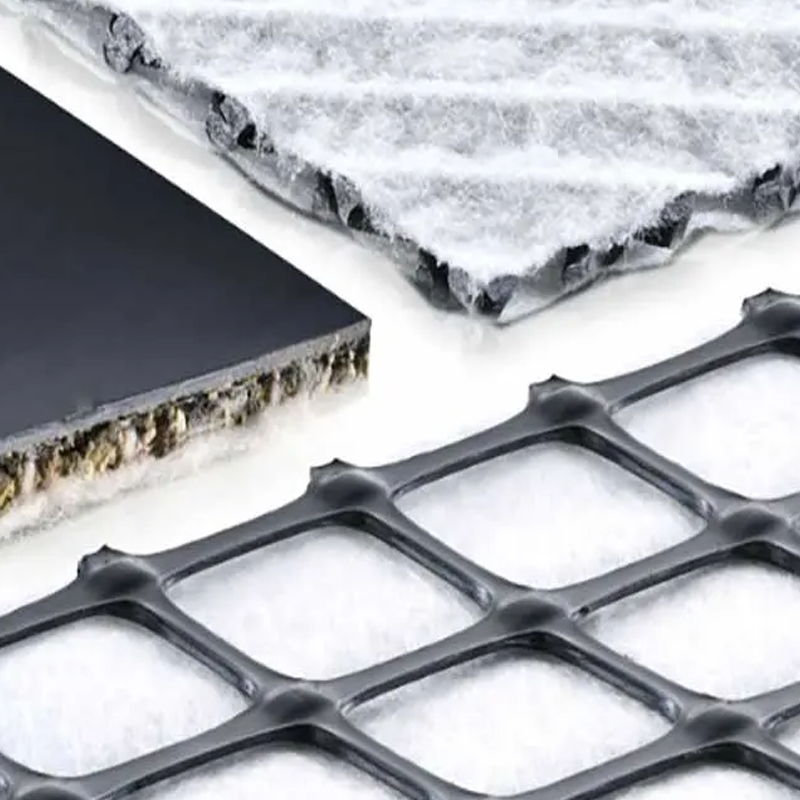
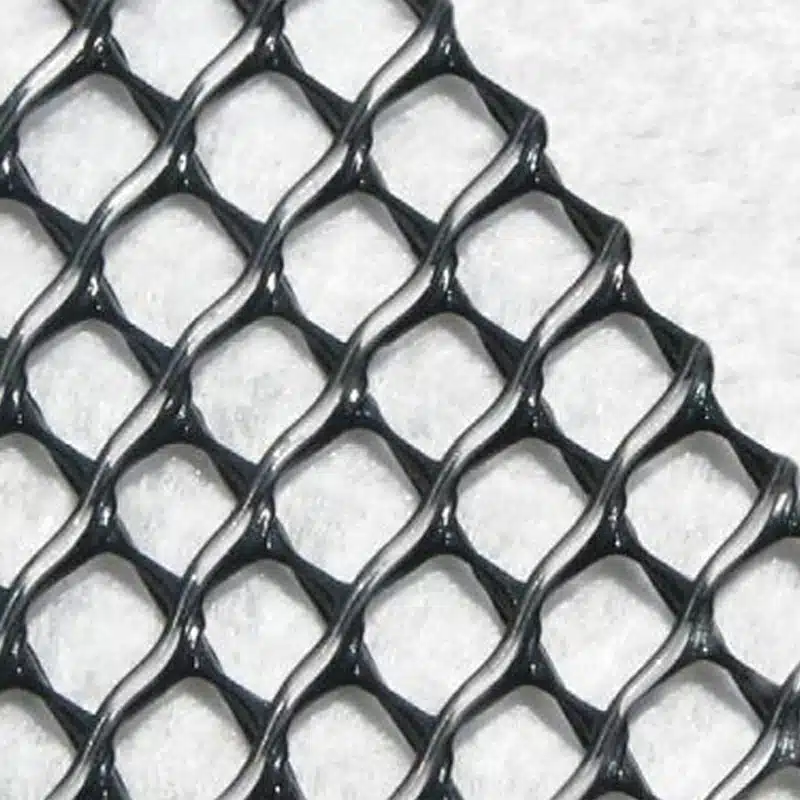
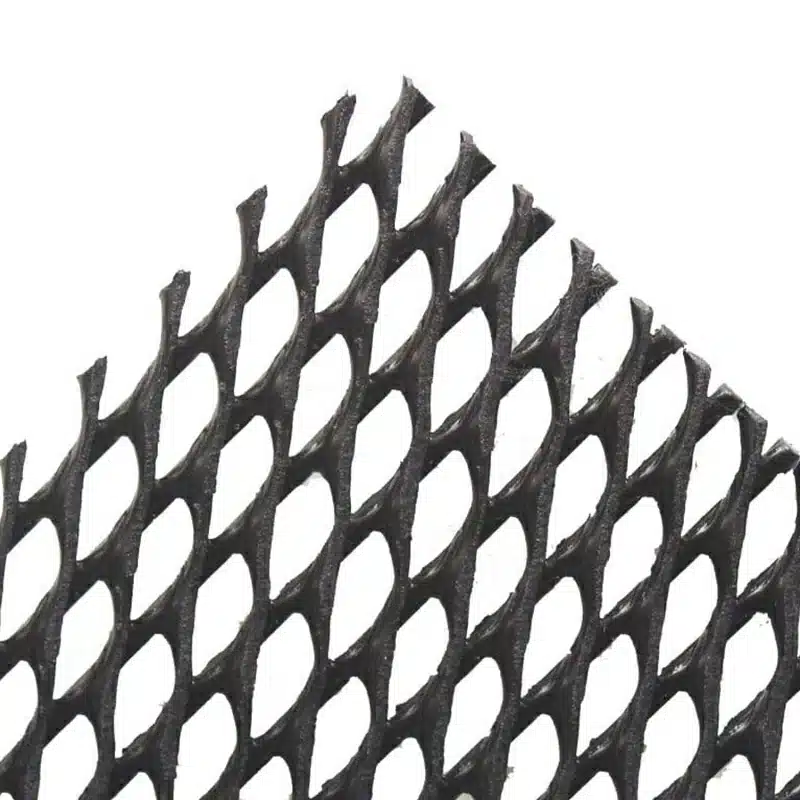
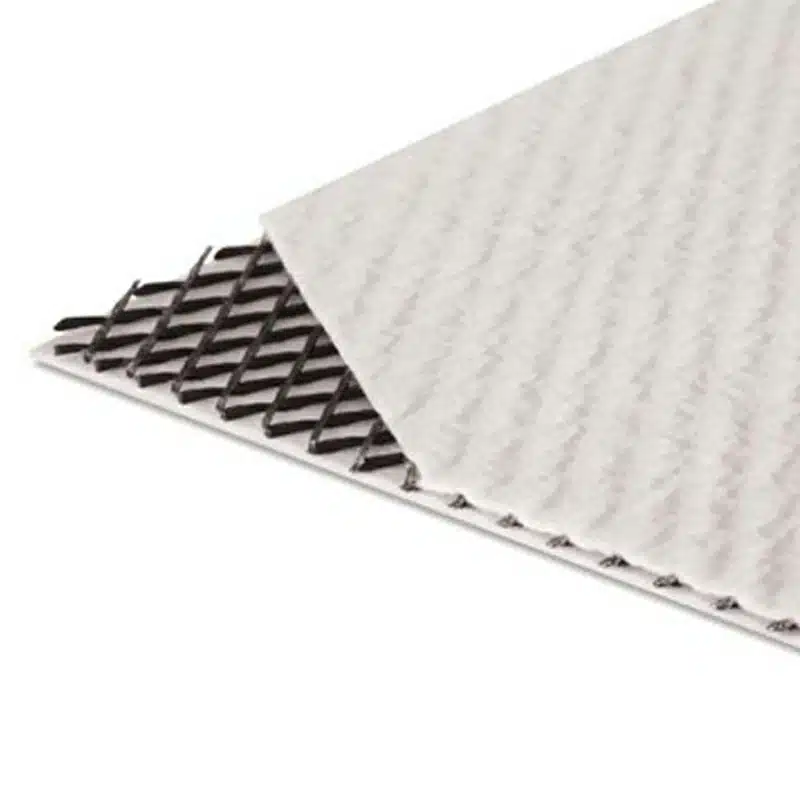
A geonet is a polymeric drainage structure manufactured with interconnected ribs that form continuous flow channels. Unlike geomembranes, which serve as impermeable barriers, geonets convey liquids or gases within their plane. They are frequently installed alongside geomembranes or bonded to geotextiles to form drainage geocomposites.
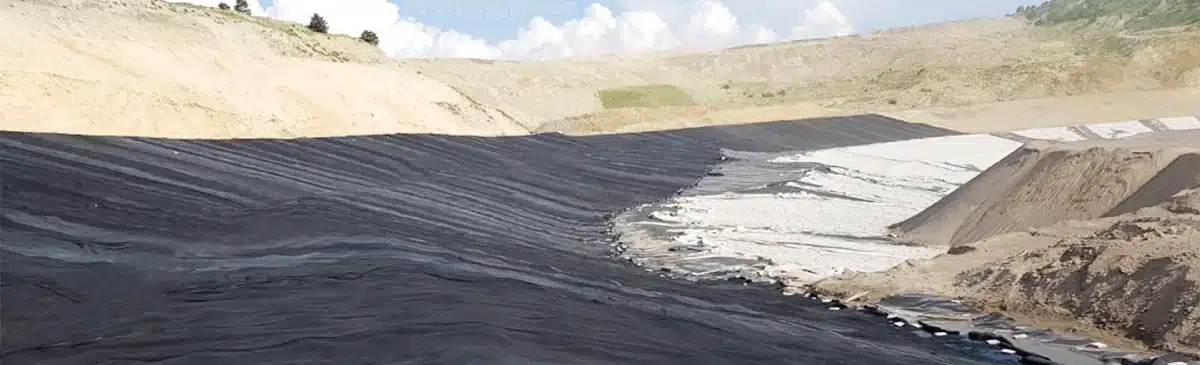
Typical applications include landfill leachate collection, landfill gas transmission, mining drainage, retaining wall drainage, and underground waterproofing systems.
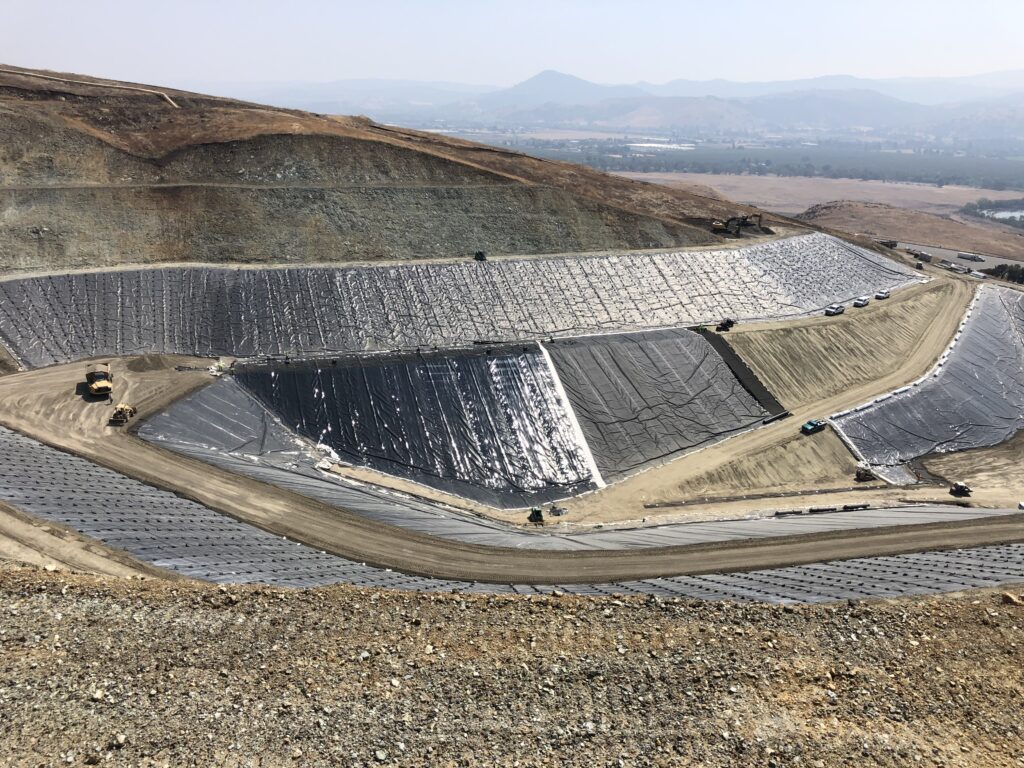
In landfill projects, drainage layers help collect leachate and direct it toward designated collection systems. In mining operations, they can support fluid management in heap leach pads and containment facilities. For retaining walls and underground structures, drainage geocomposites help manage water accumulation when connected to suitable outlets.
Buyers evaluating geonet liner drainage solutions should consider the project environment, expected fluid flow, loading conditions, and whether filtration is required.
What Geonet Liner Specifications Should Buyers Compare?
The most important specifications include material composition, thickness, hydraulic transmissivity, tensile strength, compressive performance, and roll dimensions. These properties determine whether a drainage product can meet the project’s engineering requirements.
| Specification | Purchasing Considerations |
|---|---|
| Material | HDPE quality and chemical resistance |
| Structure | Biplanar or triplanar drainage core |
| Thickness | Nominal thickness and behavior under compression |
| Mass per Unit Area | Product mass in g/m² |
| Tensile Strength | Machine-direction (MD) and cross-machine-direction (CD) performance |
| Hydraulic Transmissivity | In-plane drainage capacity in m²/s |
| Compressive Performance | Drainage capacity under sustained loading |
| Roll Dimensions | Width, length, and coverage area |
| Geotextile Bonding | Single-sided or double-sided filtration layers |
Hydraulic transmissivity is particularly important because it indicates the material’s ability to convey liquid under specified conditions. ASTM D4716 is commonly used to evaluate this property.
Buyers should compare test results obtained under equivalent normal stresses, hydraulic gradients, and boundary conditions. Long-term creep and potential geotextile intrusion must also be considered.
Before purchasing, request a technical data sheet and relevant test reports to verify product performance.
How Do You Choose the Right Geonet for Landfill and Mining Projects?
Product selection depends on the drainage function, expected loading, chemical exposure, and surrounding materials.
For landfill systems, hydraulic transmissivity and long-term compressive performance are essential. The drainage material must maintain adequate flow capacity under anticipated loads while remaining compatible with adjacent geomembranes and geotextiles.
For mining projects, buyers should prioritize chemical compatibility, sustained drainage performance, and resistance to deformation. Fluid composition, operating temperature, and applied pressure should be reviewed before selecting a product.
Biplanar geonets are commonly considered for general drainage applications, while triplanar structures may offer advantages under certain loading conditions. Geotextile-bonded drainage composites provide additional filtration where soil particles could enter the drainage channels.
The appropriate geonet liner for landfill and mining applications should be selected based on project-specific hydraulic and mechanical performance requirements rather than thickness or price alone.
What Should Buyers Confirm Before Ordering Geonet Materials?
Before placing an order, confirm the required product configuration, technical standards, quantity, roll dimensions, and delivery conditions.
First, verify that the proposed material meets the specified hydraulic transmissivity, tensile strength, and compressive performance requirements. Request supporting test reports where necessary.
Second, calculate the required quantity based on the installation area, roll layout, joints, cutting waste, and project allowances. Confirm available roll dimensions to improve installation efficiency.
Third, compare quotations based on equivalent technical specifications. Differences in raw materials, drainage structure, and tested performance can significantly affect product suitability and overall value.
Finally, confirm the minimum order quantity, production lead time, packaging, payment terms, and shipping arrangements. Providing the destination port or delivery address helps the supplier prepare an accurate quotation.
For international procurement, reviewing geonet liner technical specifications and quotation requirements before production can reduce purchasing risks and avoid unnecessary project delays.
Selecting a suitable geonet drainage product requires careful consideration of hydraulic performance, compressive resistance, material durability, and installation conditions. Comparing verified specifications and confirming project requirements before ordering helps buyers achieve reliable drainage performance and cost-effective procurement.
Geofantex Geosynthetics supplies drainage materials for landfill, mining, and civil engineering applications. Contact Geofantex with your project specifications, required quantity (m²), intended application, and delivery destination to receive suitable product recommendations and a tailored quotation.
Get Free Sample
We’ll respond as soon as possible(within 12 hours)